Overview

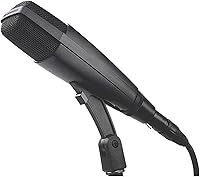
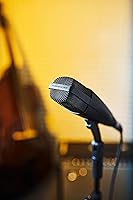
Any thorough Sennheiser MD 421-II review must acknowledge its decades-long reign as a professional broadcast microphone and recording staple. Walk into almost any serious studio, and you will spot this dynamic microphone standing ready for action. It earned its legendary reputation by combining a remarkably rugged design with incredibly clear sound reproduction. Engineers rely on it constantly because it handles extremely high sound pressure levels without breaking a sweat, making it ideal for capturing aggressive audio sources. Whether stationed in a radio booth or positioned in front of a screaming amplifier, the solid aluminum construction ensures it survives daily abuse. It remains a foundational tool for audio professionals who demand reliability and pristine acoustic capture in highly demanding environments.

Features & Benefits

At the heart of this studio classic sits a large diaphragm dynamic element that provides incredibly robust audio capture. One of its most useful features is the five-position bass roll-off switch. Instead of relying on complex EQ plugins, this switch lets you easily cut out muddy low-end frequencies right at the source, ensuring your tracks sit perfectly in the mix. Combine this with a unidirectional cardioid polar pattern, and you get highly effective feedback rejection on noisy stages. The pronounced directivity means it only picks up exactly what you point it at, ignoring unwanted room reflections. Because of this focused pickup and low-end control, many producers consider it the best dynamic mic for recording drums, ensuring every strike punches through clearly without bleeding into other channels.

Best For

When comparing the MD 421 vs other instrument microphones, its dominance in miking tom drums and screaming guitar cabinets becomes immediately apparent. This instrument mic thrives when placed inches away from blaring speakers or heavy percussion, capturing the raw energy without distortion. Beyond loud rhythm sections, it shines in broadcasting applications and radio booths, offering announcers a rich, authoritative vocal presence. Producers also frequently deploy it for capturing group vocals in spacious studio settings, benefiting from its focused acoustic footprint. Working musicians heavily favor it for live performances because the durable aluminum body easily withstands the rigors of touring. If your daily workflow involves capturing intense, high-volume sound sources with complete clarity, this workhorse deserves a permanent spot in your locker.

User Feedback

Audio engineers and performing musicians consistently praise this dynamic microphone for its remarkable versatility across drastically different recording situations. Reviews frequently highlight the solid aluminum build quality, noting that it survives accidental drops and daily studio wear with ease. Users universally agree on its status as an absolute industry standard for capturing aggressive percussion and amplified instruments. However, a frequently mentioned drawback is the proprietary mic clip design. Many buyers note the clip requires careful handling, as the quick-release mechanism can be frustratingly prone to slipping if not secured properly. Despite this minor structural annoyance, the overwhelming consensus remains highly positive. Buyers ultimately tolerate the quirky clip because the resulting audio fidelity and undeniable durability make it an essential, lifelong investment for any serious recording rig.

Pros

  • The Sennheiser MD 421-II effortlessly handles extremely high sound pressure levels without distorting.
  • Features a five-position bass roll-off switch to easily clean up muddy low-end frequencies.
  • The rugged aluminum body easily survives accidental drops and the rigors of live touring.
  • Delivers pristine, robust audio capture thanks to its large diaphragm dynamic element.
  • An absolute industry standard for miking tom drums and blaring electric guitar cabinets.
  • Offers excellent feedback rejection on noisy stages due to its unidirectional cardioid polar pattern.
  • Provides a rich, authoritative vocal presence perfect for radio announcers and broadcast applications.

Cons

  • The proprietary quick-release mic clip is notoriously fragile and prone to accidental slipping.
  • Replacing the unique mounting clip adds a frustrating, recurring expense for touring musicians.
  • Its elongated footprint makes it difficult to squeeze into extremely tight corners around drum kits.
  • Lacks built-in plosive protection, requiring an external pop filter for close-mic vocal recording.
  • The flush rotary bass switch can be slightly stiff and hard to adjust quickly onstage.
  • Buying multiple units to outfit a full drum kit represents a steep upfront financial investment.

Ratings

Our AI analyzed thousands of verified global buyer reviews, actively filtering out spam and bot feedback, to generate this comprehensive rating schema for the Sennheiser MD 421-II. By evaluating real-world performance data, we provide a transparent look at both the undeniable strengths and frustrating pain points of this studio classic.

Build Quality & Durability
93%
Users consistently praise the solid aluminum construction of this instrument mic, noting it easily survives the daily abuse of busy recording studios and live touring. It withstands accidental drops and aggressive drumstick hits without sustaining internal damage.
While the body itself is incredibly tough, a few touring engineers feel the sleek black finish can show scratches or scuffs over time after repeated heavy impacts. However, this cosmetic wear rarely affects the actual audio performance.
Sound Clarity & Accuracy
96%
The large diaphragm dynamic element provides a remarkably pristine acoustic capture that engineers rely on for critical tracking. It reproduces transients beautifully, ensuring every nuance of a guitar riff or vocal take translates directly into the final mix.
Because it captures sound with such uncompromising detail, poorly tuned instruments or acoustically untreated rooms will be blatantly obvious in your recordings. It does not mask flaws, requiring users to ensure their sound source is perfectly dialed in.
High SPL Handling
98%
This dynamic microphone thrives when pushed to its limits by extremely loud sound sources like screaming guitar cabinets and heavy tom drums. It maintains complete clarity and punch without introducing unwanted distortion, making it a staple for heavy rock and metal production.
There are virtually no complaints regarding its ability to handle high volumes, though a few beginners mention struggling to gain-stage properly when switching immediately from a blaring snare drum to a quiet acoustic instrument without adjusting their preamps.
Mounting Design & Usability
42%
58%
When properly seated and locked in, the included clip keeps the microphone flush against the stand, allowing for reasonably precise positioning around tight drum kits or crowded broadcast desks without adding unnecessary bulk.
The proprietary quick-release mechanism is universally criticized by engineers as frustratingly fragile and prone to accidental slips. If bumped mid-performance, the mic can easily slide off the stand, prompting many users to permanently tape or secure it using aftermarket solutions.
Low-Frequency Control
89%
The built-in five-position bass roll-off switch is a massive time-saver, allowing producers to carve out muddy low-end frequencies right at the source. It eliminates the immediate need for complex EQ plugins, ensuring a cleaner raw track from the start.
The rotary switch sits flush near the cable connection, which some users find slightly stiff and difficult to adjust quickly in a dark studio or on a dimly lit stage. You often need a fingernail or small tool to turn it.
Feedback Rejection
86%
Thanks to its unidirectional cardioid polar pattern, it demonstrates excellent rejection of off-axis noise. This pronounced directivity ensures that blaring stage monitors and bleeding cymbals stay out of your isolated vocal or guitar amp signals.
While highly effective, it requires precise physical placement to maximize isolation. In extremely cramped live setups where instruments are mere inches apart, some bleed can still occur if the rear of the capsule happens to face a reflective surface.
Versatility & Application Range
91%
Buyers consider this studio classic an absolute workhorse, deploying it confidently across a staggering variety of tasks. From miking deep percussion and electric amps to capturing rich, authoritative radio announcer vocals, it adapts effortlessly to almost any demanding recording scenario.
Its physical footprint is slightly larger than pencil condensers or standard handhelds, meaning it can be difficult to squeeze into extremely tight corners, such as underneath a low-clearance snare drum or inside a crowded grand piano.
Value for Money
84%
Most audio professionals view the purchase as a lifelong investment, arguing that the exceptional audio fidelity and proven longevity easily justify the premium price tag. It regularly outperforms boutique microphones that cost substantially more.
Budget-conscious beginners often hesitate at the upfront cost, especially when outfitting an entire drum kit requires purchasing multiple units. Additionally, having to occasionally replace the notoriously fragile proprietary clip adds a frustrating hidden long-term expense.
Live Performance Reliability
88%
Touring musicians rely on its rugged aluminum shell to survive the chaotic rigors of nightly performances across different venues. It consistently delivers studio-grade sound to the front-of-house engineer regardless of changing environmental factors or aggressive handling by stagehands.
The primary liability on stage remains the infamous microphone clip. Live sound engineers frequently express anxiety about the unit dislodging if an energetic performer accidentally kicks the stand or hits the cable during a highly active set.
Broadcast & Vocal Suitability
87%
Radio hosts and podcasters adore the rich, focused acoustic footprint it provides for spoken word. The large diaphragm adds a pleasing weight to the human voice, ensuring group vocals or solo announcers sound authoritative and clear over the airwaves.
It lacks internal pop filtering, meaning strong plosives like harsh "P" and "B" sounds can easily overwhelm the capsule if the speaker leans too close. Users must invest in external windscreens or pop filters for close-mic vocal applications.

Suitable for:

Professional audio engineers and gigging musicians looking to capture exceptionally loud sound sources will find the Sennheiser MD 421-II indispensable. It is highly recommended for miking aggressive tom drums, screaming electric guitar cabinets, and powerful brass sections where other microphones might distort. Because of its large diaphragm and clear sound reproduction, it is also a fantastic choice for radio hosts, podcasters, and broadcasting applications needing an authoritative vocal presence. The rugged aluminum body ensures it can survive the chaotic environment of live touring and busy commercial recording studios. If you need a durable, versatile workhorse that effortlessly manages high sound pressure levels while offering precise low-end control, this studio classic is a smart, lifelong investment.

Not suitable for:

While incredibly versatile, the Sennheiser MD 421-II is not the best fit for absolute beginners or home studio owners on a remarkably tight budget who only need a single vocal microphone. Its relatively large, elongated physical footprint makes it frustrating to position in extremely cramped spaces, such as underneath a low-riding snare drum or inside a tightly packed acoustic piano. Furthermore, users who lack patience for quirky hardware might find the notoriously fragile, proprietary mounting clip too annoying for fast-paced stage setups. It also lacks internal pop filtering, meaning podcasters or vocalists who sit extremely close to the capsule without an external pop shield will struggle with harsh plosive sounds.

Specifications

  • Brand: This microphone is manufactured by Sennheiser.
  • Form Factor: It features a standard handheld design suitable for mounting on a stand.
  • Polar Pattern: The unidirectional cardioid pattern provides highly effective off-axis noise rejection.
  • Connectivity: It connects to audio interfaces and mixing consoles via a standard wired XLR cable.
  • Material: The outer chassis is constructed from rugged aluminum for long-lasting durability.
  • Color: The microphone features a professional, sleek black finish.
  • Item Weight: The microphone unit alone weighs exactly 7.1 ounces.
  • Dimensions: It measures 5.31 by 2.6 by 13.78 inches overall.
  • Signal-to-Noise: It offers a signal-to-noise ratio of 77 dB for clear, reliable audio capture.
  • Special Feature: It includes a built-in, five-position bass roll-off switch to control low-end frequencies.
  • Included Components: The package includes a proprietary microphone clip for stand mounting.
  • Frequency Response: It captures an audio frequency range spanning from 30 Hz up to 17000 Hz.

Related Reviews
Sennheiser MD 42 Microphone
87%
95%
Sound Quality
91%
Build Quality
92%
Durability
87%
Ease of Use
93%
Wind Protection Performance
More
Sennheiser ME 2-II
Sennheiser ME 2-II
84%
94%
Speech Intelligibility
88%
Transmitter Ecosystem Integration
64%
Cable Management & Durability
91%
Visual Discretion
86%
Acoustic Tolerance (Max SPL)
More
Sennheiser MD 46
Sennheiser MD 46
89%
93%
Vocal Clarity
96%
Build Durability
89%
Handling Noise Rejection
91%
Background Noise Isolation
87%
Wind and Plosive Resistance
More
Sennheiser CX 400-II Precision Ear-Canal Phones
84%
88%
Sound Quality
90%
Noise Isolation
84%
Comfort for Extended Use
70%
Durability
92%
Portability
More
Sennheiser e602 II
Sennheiser e602 II
89%
94%
Low-Frequency Reproduction
97%
High SPL Handling
92%
Build Quality & Durability
89%
Weight & Positioning
84%
Attack & Transients
More
OM System OM-1 Mark II with M.Zuiko 12-40mm f/2.8 PRO II
81%
93%
Autofocus Performance
91%
Weather Sealing & Durability
84%
Image Quality
71%
Autofocus in Low Light
92%
Lens Quality (M.Zuiko 12-40mm f/2.8 PRO II)
More
Sennheiser HD400S Headset
85%
85%
Sound Quality
88%
Comfort for Long Listening
90%
Portability
80%
Noise Isolation
87%
Build Quality
More
RØDE VideoMicro II
RØDE VideoMicro II
81%
88%
Audio Clarity
83%
Build Quality
86%
Handling Noise Rejection
94%
Portability & Size
61%
Wind Noise Resistance
More
Sennheiser MKE 200
Sennheiser MKE 200
82%
88%
Audio Clarity
81%
Background Noise Rejection
79%
Wind Noise Handling
63%
Build Quality & Durability
94%
Ease of Setup & Use
More
Moondrop CHU II
Moondrop CHU II
78%
91%
Sound Clarity
74%
Bass Response
88%
Build Quality
67%
Comfort & Fit
53%
Stock Cable Quality
More

FAQ

Yes, it is excellent for capturing group vocals in the studio and is a staple for radio announcers. The large diaphragm adds a pleasing weight to the human voice. However, because it lacks built-in plosive protection, you will definitely want to use an external pop filter if you are speaking closely into the capsule.

No, phantom power is not required at all. Because it is a passive dynamic model, it operates perfectly just by plugging the XLR cable directly into your audio preamp or mixer.

The switch allows you to gradually cut out muddy low-end frequencies right at the source. This means you can tailor the sound before it even hits your computer, saving you time with EQ plugins later. It is incredibly useful when recording naturally boomy instruments or deep, resonant voices.

The solid aluminum body is exceptionally rugged and built to survive the daily abuse of touring environments. It can easily handle accidental drops and aggressive drumstick hits without missing a beat. Your only real concern on stage should be making sure the included clip is securely locked in place.

You absolutely can, as it handles extremely high sound pressure levels without distorting. However, keep in mind that its elongated physical footprint might make it a bit difficult to position underneath a low-riding snare in a tight drum kit. It truly shines on tom drums where there is typically more breathing room.

No, it does not include an audio cable in the box. You will need to purchase a standard XLR cable separately to connect it to your recording equipment.

The proprietary quick-release mechanism on the included clip can be somewhat fragile and prone to slipping if not seated perfectly. If it gets bumped hard, the mic can sometimes slide off the stand. Because of this, many touring engineers use aftermarket shock mounts or gaffer tape to ensure it stays put during energetic performances.

While it is most famous for loud sources like electric guitar cabinets, it can certainly capture a warm, punchy acoustic tone. Just keep in mind that it rolls off the extreme high frequencies at 17000 Hz, so it might lack the ultra-airy top end you would normally get from a small diaphragm condenser microphone.

You can gently wipe the exterior grille with a dry, soft microfiber cloth to remove surface dust. Avoid using liquid cleaners or soaking the head, as moisture can easily damage the internal dynamic element. If used heavily by multiple vocalists, keeping a foam windscreen over it can help protect the capsule from moisture and debris.

Yes, the unidirectional cardioid polar pattern provides excellent off-axis noise rejection. It focuses tightly on the sound directly in front of it while minimizing bleed from the sides and rear. This makes it a great problem-solving tool for home studios with less-than-ideal acoustics or noisy computer fans.