Overview

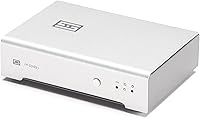
The Schiit Modi+ Digital-to-Analog Converter is Schiit Audio’s answer to a question many desktop listeners eventually face: why tolerate the mediocre audio chip buried in your motherboard when a proper dedicated converter is within reach? Built and designed in Texas, it represents the most capable iteration of a line that has earned real loyalty in the audio community. The Modi+ connects to a wide range of sources — computers, streamers, CD players, phones, and TVs — and its compact, stackable chassis sits neatly on a crowded desk. One honest caveat: it does not support Windows 7 or earlier, so check your operating system before buying.

Features & Benefits

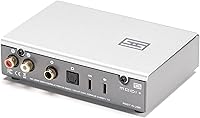
Where this DAC distinguishes itself is in the input department. Most converters at this price offer one or two connection options; the Modi+ gives you three — USB, Coaxial, and Toslink optical — each capable of handling audio up to 24-bit/192kHz. Switching between them takes a single press of the front-panel toggle, which sounds trivial until you realize how convenient it is to flip between a laptop and a TV source without opening a menu. Output runs through a single pair of RCA jacks, keeping things simple and broadly compatible. Power arrives via USB or an included 5V adapter, which helps keep the cable situation manageable.

Best For

This desktop converter is a natural fit for listeners who are done tolerating onboard audio and want to hear what their headphones or powered speakers can actually do. It also works well for anyone juggling multiple digital sources — a PC, a streaming device, a CD transport — who wants them all feeding into a single clean output without buying a separate switch. Headphone amp owners will find the RCA output pairs cleanly with most external amps, and Schiit fans will appreciate how the unit stacks physically alongside other components in the lineup. If measurable performance matters to you but overspending does not appeal, the Modi+ is hard to argue against.

User Feedback

Owners of the Modi+ consistently highlight one thing first: the difference over onboard audio is noticeable right away, not something you need to convince yourself of. Build quality also earns consistent praise — the metal chassis feels more solid than the price tier suggests. The front-panel toggle appears in reviews repeatedly as a small feature that genuinely earns its keep in daily use. The main criticism centers on the Micro USB connector, which feels dated to buyers now accustomed to USB-C. A few Windows users have encountered minor setup questions, usually around driver installation. Overall satisfaction is high, and many buyers note it is not their first Schiit purchase.

Pros

  • Three digital inputs — USB, coaxial, and optical — give this DAC unusual flexibility for its price tier.
  • The front-panel toggle switch makes switching between sources genuinely quick and effortless in daily use.
  • Supports 24-bit/192kHz resolution across all inputs, covering virtually every practical listening format.
  • Build quality consistently impresses buyers who expect plastic at this price and get solid metal instead.
  • The compact, stackable chassis fits cleanly into a desktop setup without demanding dedicated shelf space.
  • Out-of-the-box improvement over onboard PC audio is noticeable to most buyers immediately after connecting.
  • Designed and built in Texas, offering a level of manufacturing accountability rare at this price point.
  • Comes bundled with a USB cable and 5V wall adapter, covering both common power scenarios from the start.
  • Works across Windows 8 and later, macOS, and Linux without requiring exotic driver installations.
  • Pairs naturally with Schiit amplifiers for listeners who want a cohesive, expandable desktop audio stack.

Cons

  • The Micro USB power connector feels outdated and out of step with modern USB-C setups.
  • No balanced XLR output limits compatibility with studio monitors or amps that require balanced connections.
  • Requires a separate amplifier or powered speakers — there is no built-in headphone jack or volume control.
  • Windows users occasionally encounter minor setup friction, particularly around initial driver configuration.
  • A single RCA output pair means no flexibility for routing audio to more than one destination simultaneously.
  • No remote input switching — changing sources requires physically pressing the front-panel toggle every time.
  • Not compatible with Windows 7 or earlier, which may catch some buyers off guard before purchase.
  • No display or input indicator light, making it easy to lose track of which source is currently active.

Ratings

The scores below reflect an AI-driven analysis of verified global user reviews for the Schiit Modi+ Digital-to-Analog Converter, with spam, bot activity, and incentivized feedback actively filtered out before scoring. Each category is weighted against what real buyers actually said — not marketing claims — so both the strengths and the genuine frustrations are represented honestly. The result is a transparent, balanced picture of where this desktop converter earns its praise and where it leaves room for improvement.

Sound Quality
88%
Buyers coming from onboard motherboard audio consistently describe the improvement as immediate and convincing, particularly in background noise reduction and overall clarity. For listeners pairing it with a quality headphone amp, the conversion feels clean and honest without artificial coloration.
Experienced audiophiles with high-end reference systems occasionally note that the gains become harder to distinguish at that level. The Modi+ is not chasing the top of the DAC market, and careful listeners will hear that ceiling if they push it hard enough.
Build Quality
91%
The metal chassis regularly surprises buyers who expect a plasticky enclosure at this price tier. Sitting on a desk day after day, it feels planted and solid, and there are virtually no reports of creaking, flex, or finish degradation over time.
A small number of users note that the front-panel toggle switch has a slightly loose feel compared to the rest of the chassis, which can feel inconsistent with the otherwise sturdy construction. It functions fine, but tactile perfectionists will notice it.
Value for Money
93%
Few DACs at this price point offer three digital inputs alongside 24-bit/192kHz support and a metal enclosure, and buyers are well aware of it. The consistent refrain across reviews is that the Modi+ punches above its weight in almost every measurable dimension.
For buyers who need balanced XLR output or a built-in headphone stage, the value equation shifts — they will need to budget for additional components to build a functional listening system, which changes the true cost picture significantly.
Input Flexibility
89%
Having USB, Coaxial SPDIF, and Toslink optical available simultaneously is a genuine differentiator for this price tier, and buyers who juggle a PC, a streamer, and a TV source find it genuinely useful in daily life. The ability to keep multiple devices connected at once is cited frequently as a practical advantage.
There is no automatic input switching, so the unit will not detect an active source and switch to it on its own. Users with multiple devices cycling on and off throughout the day have to manually toggle between inputs every time, which some find mildly disruptive.
Ease of Setup
86%
On macOS and most modern Windows systems, the Modi+ is recognized as a standard USB audio device without any additional steps, making the initial experience genuinely plug-and-play for most buyers. Even less technical users report being up and running within minutes.
A subset of Windows users encounters driver-related friction during initial setup, particularly on Windows 10 machines with specific audio configurations. While the issue is usually resolved quickly, it is frequent enough in reviews to warrant a mention for less technically confident buyers.
Front-Panel Usability
84%
The physical toggle switch for input selection is simple, immediate, and tactile in a way that software-based switching never quite matches. Buyers who switch sources multiple times a day consistently call it out as a small but meaningful quality-of-life feature.
The toggle provides no visual confirmation of which input is currently active — there is no indicator light or display showing the selected source. In a multi-device setup, it is easy to lose track of which input the unit is currently listening to.
Connectivity
77%
23%
The combination of USB, coaxial, and optical inputs alongside a clean RCA output covers the majority of real-world connection scenarios that desktop listeners are likely to encounter. Most buyers find everything they need is already accounted for.
The absence of a balanced XLR output is a meaningful gap for users with studio monitors or amplifiers built around balanced signal paths. The single RCA output pair also means there is no way to route audio to two separate destinations without an additional splitter.
Power Solution
74%
26%
The included USB cable and 5V wall adapter mean most buyers can get powered up immediately without sourcing any additional accessories. USB bus power from a connected computer works well in practice, keeping the desktop setup clean and relatively cable-light.
The Micro USB power connector is the most consistently criticized aspect of the unit across all reviews, largely because USB-C has become the standard on nearly every other device in a modern setup. It works without issue, but it stands out as an anachronism.
OS Compatibility
79%
21%
Windows 8 and later, macOS, and Linux are all supported, which covers the overwhelming majority of active computer users. macOS users in particular report a completely frictionless experience with zero configuration required.
The hard incompatibility with Windows 7 is a firm wall, not a workaround situation. While Windows 7 usage is declining, buyers who have not updated their systems will find no path to compatibility, and the limitation is not always communicated clearly at point of purchase.
Design & Aesthetics
83%
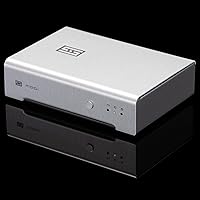
The understated, rectangular chassis with a brushed metal finish fits naturally into a desktop environment without drawing attention to itself. Buyers who also own Schiit amplifiers appreciate how cleanly the units stack together into a cohesive-looking system.
The overall design is deliberately minimal, which suits most buyers but leaves those who prefer visual feedback — like input indicators or a small display — without any at all. There is no LED, screen, or readout of any kind on the unit.
Portability
62%
38%
At under 1.5 pounds and smaller than a standard paperback book, the Modi+ is easy to move between rooms or pack for travel when needed. Some users do use it in semi-portable setups with laptops and powered monitors in temporary workspaces.
It is not designed with portability as a priority — there is no battery, no headphone output, and no carrying case included. Treating it as a portable DAC is possible but awkward, and most buyers rightly use it as a fixed desktop component.
Brand Trust & Support
87%
Schiit Audio has built a loyal following over many years, and repeat buyers cite brand trust as a genuine factor in their purchasing decision. The domestic manufacturing and direct-to-consumer model give buyers confidence that support and accountability are accessible if something goes wrong.
Customer support response times are not uniformly praised, and buyers outside the US note that international service options are more limited. For a brand that trades heavily on its reputation, any inconsistency in after-sale support carries more weight than it would from a generic manufacturer.
Packaging & Included Accessories
76%
24%
The included USB cable and 5V wall adapter are genuinely useful additions that prevent the frustration of unboxing a DAC only to realize you need another trip to an online store before you can use it. Packaging is simple and protective without being excessive.
There is no optical cable or coaxial cable included, which means buyers who intend to use those inputs immediately need to source them separately. Given that the multi-input flexibility is a core selling point, including at least one alternate cable would have been a thoughtful addition.

Suitable for:

The Schiit Modi+ Digital-to-Analog Converter is a strong match for anyone who has hit the ceiling of what their computer’s built-in audio can offer and wants a meaningful, measurable upgrade without committing to a high-end audio budget. It works especially well for desktop listeners who run multiple digital sources — a PC via USB, a TV or streamer via optical, a CD transport via coaxial — and want one reliable converter handling all of them through a single RCA output. Headphone amp owners building out a compact stack will find the Modi+ pairs cleanly with most external amplifiers and sits neatly alongside other Schiit components without cluttering a desk. Streamers and casual hi-fi newcomers who simply want better sound from their existing speakers or headphones, without needing to understand every specification involved, will get real value here. It is also a sensible pick for anyone who values domestic manufacturing and brand accountability at a price point where those qualities are genuinely uncommon.

Not suitable for:

The Schiit Modi+ Digital-to-Analog Converter is not the right fit for buyers who need a balanced XLR output, as it only offers single-ended RCA — a real limitation if your amplifier or active monitors are designed around balanced connections. Anyone still running Windows 7 or an older operating system will need to look elsewhere, as compatibility is explicitly limited to Windows 8 and above. If you want a self-contained listening solution, keep in mind that this DAC has no amplification stage; it still requires a separate amp or powered speakers to drive anything. Buyers who prioritize a modern connector ecosystem may find the Micro USB power input frustrating, particularly if their desk setup has standardized on USB-C. Finally, listeners who want a DAC with a built-in headphone output or volume control will need to look at all-in-one units, since the Modi+ handles conversion only and leaves output management to downstream components.

Specifications

  • Brand: Manufactured by Schiit Audio, a company that designs and builds its products in Texas, USA.
  • Model: Modi+, the latest generation of Schiit Audio's entry-level DAC lineup.
  • Dimensions: The unit measures 5 x 3.5 x 1.25 inches, making it compact enough for most desktop setups.
  • Weight: The Modi+ weighs 1.48 pounds, light enough to reposition easily but substantial enough to feel well-built.
  • Digital Inputs: Accepts three digital input types: USB, Coaxial SPDIF, and Toslink optical.
  • Analog Output: Provides a single pair of single-ended RCA outputs for connecting to amplifiers, preamps, or powered speakers.
  • Max Resolution: Supports audio up to 24-bit depth and 192kHz sample rate across all three input types.
  • Power Supply: Powered via USB bus power or an included 5V wall adapter, depending on the connected source.
  • Power Connector: Uses a Micro USB connector for power delivery, compatible with the included cable and adapter.
  • Input Selector: A physical toggle switch on the front panel allows manual selection between the three available inputs.
  • OS Compatibility: Compatible with Windows 8 and later, macOS, and Linux; Windows 7 and earlier are not supported.
  • In the Box: Includes one USB-A to Micro USB cable and one universal 5V USB wall power adapter.
  • Chassis Design: Features a stackable chassis profile that aligns physically with other Schiit Audio components in the lineup.
  • Sampling Support: Handles standard audio formats from 16-bit/44.1kHz (CD quality) up to 24-bit/192kHz high-resolution.
  • Origin: Designed and built in Texas, USA, by Schiit Audio's in-house engineering and production team.

Related Reviews
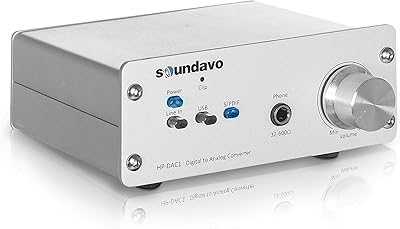
Soundavo HP-DAC1 DAC Headphone Amplifier
75%
83%
Sound Quality Improvement
76%
Headphone Amplifier Performance
88%
Input Flexibility
93%
Ease of Setup
61%
Build Quality
More
Magnavox TB100MG9 Digital-to-Analog TV Converter Box
68%
88%
Ease of Setup
61%
Channel Reception
72%
Picture Quality
81%
Remote Control
63%
Build Quality
More
RCA DTA-800B1 Digital to Analog TV Converter Box
72%
88%
Ease of Setup
79%
Signal Reception
82%
Remote Usability
67%
Picture Quality
58%
Build Quality
More
Zinwell ZAT-970A Digital TV Converter Box
75%
88%
Ease of Setup
76%
Signal Reception
73%
Picture Quality
81%
Audio Quality
54%
Remote Control
More
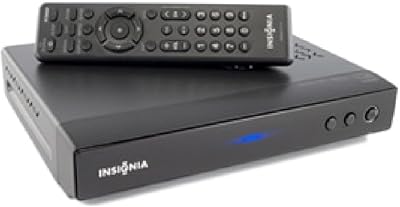
Insignia NS-DXA1 Digital to Analog TV Tuner Converter Box
82%
89%
Ease of Setup
91%
Value for Money
66%
Signal Reception
80%
Build Quality
85%
Audio Quality
More
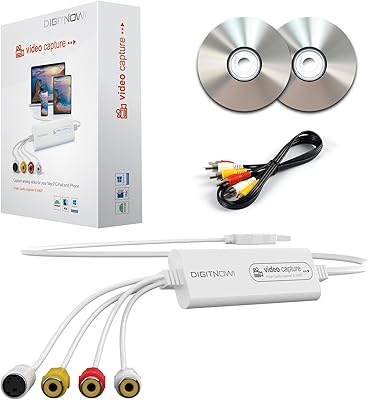
VIXLW VHSDC01 VHS to Digital Converter
78%
91%
Ease of Setup
87%
Compatibility
72%
Video Capture Quality
61%
Audio Sync Accuracy
88%
Value for Money
More
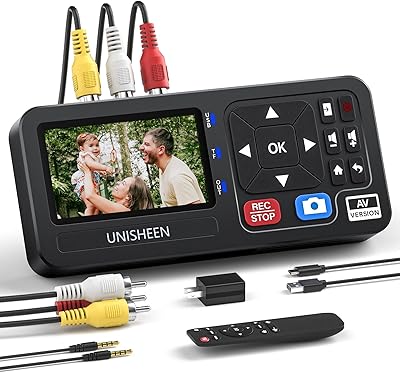
UNISHEEN UR230A Video to Digital Converter
82%
91%
Value for Money
93%
Ease of Setup
78%
Video Quality
83%
Device Compatibility
88%
Portability
More
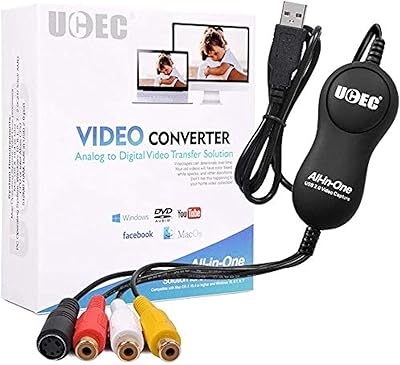
UCEC VHS to Digital Converter Kit
81%
88%
Ease of Use
91%
Value for Money
75%
Video Quality
68%
Software Compatibility
94%
Setup and Installation
More
MYPIN VG0109 Video to Digital Converter
68%
88%
Ease of Setup
61%
Video Capture Quality
91%
No-Computer Workflow
73%
Preview Screen Usability
58%
Battery Life
More
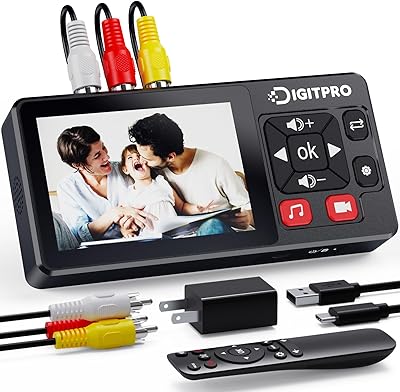
DigitPro V121 VHS to Digital Converter
78%
89%
Ease of Setup
84%
Video Conversion Quality
80%
Audio Capture Performance
77%
Screen and Preview Experience
82%
Feature Completeness
More

FAQ

On macOS and Linux it works immediately as a plug-and-play USB audio device with no driver installation needed. Windows 8 and later also support it natively in most cases, though some users find that downloading the official Schiit driver package resolves any initial hiccups on Windows. Either way, setup is straightforward and usually takes just a few minutes.

Unfortunately, no. The Modi+ does not support Windows 7 or any earlier version of Windows. If upgrading your OS is not an option right now, you will need to look at a different converter that explicitly lists Windows 7 compatibility.

The Schiit Modi+ Digital-to-Analog Converter handles the conversion side only — it does not have a built-in headphone amplifier or volume control. You will need a separate headphone amp or a pair of powered speakers connected to the RCA outputs to actually listen. Pairing it with a dedicated headphone amp like the Schiit Magni is a popular and practical combination.

Yes, as long as your TV has a Toslink optical audio output, you can connect it directly to the Modi+ optical input. Most modern TVs include this port, often labeled Optical Audio Out or SPDIF. Just toggle to the optical input on the front panel and you are set.

For most users it works fine day to day, especially since the necessary cable is included in the box. That said, if you have standardized your desk around USB-C, it does stand out as an older connector choice. It is worth being aware of, but it rarely causes functional issues — it is more of an aesthetic frustration for some buyers.

Yes, that is one of the more practical aspects of this desktop converter. You can have your PC connected via USB and your streamer connected via optical or coaxial simultaneously, then flip between them using the toggle switch on the front panel. No unplugging, no menu navigation required.

Most buyers coming from onboard motherboard audio do notice a genuine difference, particularly in clarity and background noise reduction. How significant that difference feels depends on your headphones and how sensitive your ears are to the kinds of distortion that onboard audio typically introduces. If your headphones are decent quality and you have been running them straight from a laptop headphone jack, the improvement tends to be real and noticeable.

It can work with some phones and tablets, particularly those that support USB audio output via a USB-C or Lightning to Micro USB adapter. However, compatibility varies by device, and not all phones or tablets handle external USB audio cleanly. Optical input from a TV or streamer is typically a more reliable route if your mobile device has a headphone jack with optical-out capability.

The chassis dimensions are designed to align cleanly with other Schiit components like the Magni amplifier when stacked directly on top of each other. No special brackets are required; the units just sit together naturally. The result is a tidy, compact stack that looks intentional rather than improvised, which matters if desk aesthetics are important to you.

No, there is no volume control on this DAC. It outputs a fixed line-level signal through the RCA jacks, and volume management is handled entirely by whatever amplifier, preamp, or powered speakers you connect it to. This is by design for a DAC-only unit and is standard practice at this category level.

Where to Buy