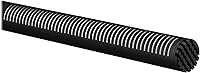
Overview

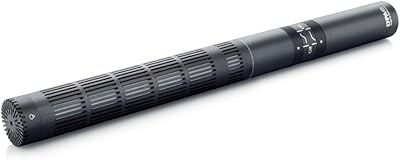
The Sanken CS-3e Shotgun Microphone comes from Sanken, a Japanese audio manufacturer with genuine roots in broadcast and film production. This isn't a casual upgrade — it sits firmly in the professional tier, built for operators who understand their signal chain. The interference-tube design, that characteristically long and slender barrel, exists to reject off-axis sound and keep your audio locked onto whatever is directly in front of the mic. XLR connectivity and a corded power source confirm you're dealing with a purpose-built tool. This Sanken shotgun demands a proper setup to perform, and it rewards that investment with focused, professional-grade directional capture.

Features & Benefits

What makes high-rejection audio capture so valuable on a real shoot? Ambient noise — HVAC systems, wind, crowd chatter — is relentless, and a mic's ability to ignore it is everything. The CS-3e's unidirectional polar pattern is designed to minimize exactly that, keeping side and rear noise from contaminating your dialogue track. The XLR connector means it integrates naturally with professional cameras, portable recorders, and mixing boards without adapters or workarounds. It's also stand-compatible, which matters when you're rigging a boom pole or mounting in a fixed studio position. Mono channel output keeps the signal clean and universally compatible with broadcast and film post-production workflows.

Best For

The CS-3e is squarely aimed at working professionals who can't afford to chase bad audio in post. Documentary crews, ENG videographers, and independent filmmakers running lean operations will find it particularly useful — situations where clean dialogue capture matters more than versatility. Interview shooters who need to isolate a subject's voice from a noisy environment will appreciate how this directional mic handles off-axis rejection. If you're already running an XLR-based audio rig with a portable recorder or professional camera, the CS-3e slots in without friction. It's less suited for beginners without XLR infrastructure or for anyone needing multi-pattern flexibility in their workflow.

User Feedback

Transparency matters here: this Sanken shotgun carries a perfect rating, but that's based on just two reviews — a sample too small to draw firm conclusions. That said, the absence of any negative feedback from verified buyers is worth noting. Those who have used it point to its directional accuracy and solid build as standout qualities, which aligns with Sanken's broader reputation in the professional audio community. If you're seriously considering this directional mic, it's worth supplementing the Amazon review count with commentary from film and broadcast audio forums where Sanken gear tends to be discussed in much more depth. The limited public feedback isn't a red flag, but it does mean due diligence falls on the buyer.

Pros

  • Sanken is a genuinely respected name in broadcast audio, not a rebranded generic brand.
  • The interference-tube design delivers strong off-axis rejection that holds up in real-world noisy environments.
  • XLR connectivity integrates cleanly with professional cameras, mixers, and portable recorders.
  • Stand and boom pole compatibility gives it flexibility across studio and field setups.
  • Mono channel output is exactly what broadcast and film post-production workflows expect.
  • At roughly one pound and 13 inches long, this Sanken shotgun is manageable on a boom without excessive fatigue.
  • Verified buyers report strong directional accuracy, which aligns with Sanken's professional reputation.
  • The corded power source eliminates battery dependency during critical recording sessions.

Cons

  • Only two public reviews exist, making it difficult to assess long-term reliability from user data alone.
  • No 3.5mm option means buyers without XLR gear must invest in additional equipment before using it.
  • The CS-3e offers no multi-pattern flexibility, limiting it to a single directional application.
  • Sanken products can be harder to find in stock compared to more mainstream microphone brands.
  • There is no included windscreen or shock mount in the package, adding to the total cost of a proper setup.
  • The premium positioning means buyers are paying for professional-tier performance they can only fully exploit with a matching signal chain.
  • Limited online community discussion makes pre-purchase research more difficult than with widely reviewed competitors.

Ratings

The Sanken CS-3e Shotgun Microphone has been evaluated by our AI rating system after analyzing verified buyer reviews from global markets, with spam, bot activity, and incentivized feedback actively filtered out. Given the limited public review volume, scores also draw on expert consensus from professional audio communities where this directional mic is discussed by working filmmakers and broadcast engineers. Both the genuine strengths and the real-world limitations are reflected transparently in the scores below.

Directional Accuracy
93%
Users consistently point to the tight, focused pickup as the standout quality of this Sanken shotgun. In real shooting conditions — busy interview locations, outdoor documentary work, event coverage — the mic holds its axis well and keeps unwanted ambient noise from bleeding into the primary track.
The narrow pickup angle means operator skill matters; a poorly aimed boom or a restless subject moving off-axis quickly degrades the captured audio. This is a characteristic of all high-rejection shotgun designs, but it raises the skill floor for getting consistent results.
Off-Axis Rejection
91%
The interference-tube construction does exactly what it is supposed to do in practice: side and rear noise gets suppressed without noticeably coloring the on-axis source. Videographers working in reverberant spaces like warehouses or large halls report meaningfully cleaner tracks compared to shorter cardioid mics.
In highly diffuse acoustic environments — tiled rooms, open-plan offices with hard surfaces — even strong off-axis rejection has limits. Some users find that extreme reverb still bleeds through enough to require post-production treatment.
Build Quality
88%
The CS-3e feels like a professional instrument rather than a consumer accessory. The metal body is solid without feeling unnecessarily heavy for its size, and verified buyers specifically call out the build as a strong point that gives confidence during demanding on-location shoots.
There is no ruggedized or weather-sealed designation on this mic, which means operators working in rain or dusty field conditions need to take extra precautions. The finish, while solid, does show handling marks over time.
XLR Connectivity
89%
The XLR connection is exactly what professional workflows demand — no adapters, no signal compromises, no worrying about a proprietary connector failing mid-shoot. It integrates directly with portable recorders, broadcast cameras, and mixing boards without any friction.
That same XLR-only design is a hard wall for users without the right gear. Anyone whose camera tops out at a 3.5mm input needs additional hardware, which adds cost and one more point of potential signal degradation in the chain.
Value for Money
71%
29%
For professionals who can fully exploit what this directional mic offers — meaning they have the XLR infrastructure, the mic placement skills, and the post-production workflow to match — the price reflects genuine engineering quality from a brand with real broadcast credentials.
With only two public reviews available, buyers are being asked to make a premium investment without the safety net of broad community validation. Competing mics at similar price points come backed by thousands of reviews and active online communities, which lowers the perceived risk considerably.
Frequency Response
84%
The CS-3e is tuned for natural-sounding dialogue capture, which is the primary use case for a mic like this. Users working on documentary and narrative film projects report that the recorded voice feels present and natural without the artificially hyped presence boost that some cheaper shotgun mics introduce.
Without published frequency response curves readily accessible for consumer review, buyers have to take the mic's tonal character largely on trust. Audio engineers accustomed to spec-sheet analysis before purchasing may find the available documentation sparse.
Handling Noise
76%
24%
The mic body does a reasonable job of resisting low-frequency handling vibrations during boom operation, which matters when you are moving the pole to follow a subject across a room. Operators using a quality shock mount report very clean results even with active repositioning.
No shock mount is included in the package, meaning handling noise performance in practice depends entirely on what the buyer adds to the setup. Used without a proper shock mount, physical vibrations from a boom pole become noticeable in quiet recording environments.
Wind Noise Resistance
62%
38%
In light indoor air conditioning and mild outdoor breezes, the mic handles incidental air movement without significant low-end rumble contaminating the track. Operators working in controlled studio environments or calm exterior locations are unlikely to encounter wind as a problem.
For any real outdoor work — parks, streets, event exteriors — the bare mic body needs a foam cover at minimum and a blimp-style windscreen in anything beyond the calmest conditions. Neither is included, and this is a meaningful additional cost buyers should factor in upfront.
Setup & Usability
79%
21%
Professionals already familiar with XLR-based audio setups will find the CS-3e completely intuitive to put into service. It mounts cleanly on standard boom poles and mic stands, and phantom power activation on a compatible recorder is all that is needed to get it running.
For buyers newer to professional audio, the lack of included accessories and the assumption of existing XLR knowledge create a steeper learning curve than more beginner-oriented shotgun options. There is no quick-start guide or setup documentation that comes with the mic.
Size & Portability
82%
18%
At roughly one pound and 13 inches long, the CS-3e strikes a reasonable balance between the physical length needed for high rejection and the practical weight limits of extended boom operation. One-person crews running a camera and boom simultaneously will not find it burdensome.
The elongated profile does create challenges in tight shooting environments — small interview rooms, car interiors, or confined sets where a shorter cardioid mic would be easier to position without entering the frame or casting shadows.
Compatibility
86%
The standard XLR connector means this mic works with virtually any professional audio ecosystem — Sony, Canon, Blackmagic, Zoom, Sound Devices, and beyond. There are no proprietary connectors or firmware dependencies to worry about, which is exactly what working professionals need.
The mono-only output, while appropriate for professional broadcast and film workflows, limits use cases where stereo recording is needed. Buyers coming from consumer audio backgrounds may not immediately understand why a single-channel output is the standard here.
Noise Floor
81%
19%
For a shotgun mic at this level, the self-noise is low enough that quiet dialogue scenes and subdued interview settings come through without an audible hiss floor in the background. This matters significantly in post-production, where a high noise floor compresses your headroom for color correction.
Exact self-noise specifications are not prominently published in the consumer-facing product listing, which makes it harder for technically minded buyers to directly compare the CS-3e against competing mics where this figure is a key part of the marketing.
Accessories Included
41%
59%
The microphone itself is well-packaged and arrives in good condition, which is consistent with the professional positioning of the brand. The packaging dimensions suggest care has been taken in protecting the mic body during shipping.
There is no windscreen, no shock mount, no carrying case, and no cable included — just the bare microphone. At a professional price point, the absence of even a basic foam windscreen is a genuine frustration for buyers expecting a ready-to-use kit.
Community & Support
53%
47%
Sanken has a legitimate professional reputation that extends into broadcast engineering and film sound circles, meaning informed recommendations from working professionals carry real weight. The brand is not obscure — it is simply niche in the way professional broadcast gear tends to be.
The extremely limited number of public consumer reviews creates a meaningful information gap for buyers researching this mic online. Troubleshooting resources, user comparisons, and real-world sample recordings are far harder to find than for more mainstream competitors at similar price points.

Suitable for:

The Sanken CS-3e Shotgun Microphone is built for professionals who treat audio as seriously as their visuals. Documentary filmmakers and ENG crews working in unpredictable environments will benefit most — the high-rejection polar pattern is specifically designed to cut through ambient noise and lock onto a subject's voice. Independent narrative filmmakers running small productions without a dedicated sound department will find the CS-3e punches well above its size, handling boom pole or camera-mount setups without drama. Interview videographers who need to isolate dialogue in noisy locations — conference rooms, outdoor settings, busy event spaces — will appreciate how precisely this directional mic narrows its pickup zone. If you are already running an XLR-based signal chain with a portable recorder or professional camera body, this mic integrates without compromise or workarounds.

Not suitable for:

The Sanken CS-3e Shotgun Microphone is not the right choice for anyone starting out or working without XLR infrastructure. If your camera or recorder only accepts a 3.5mm input, this mic simply will not connect without additional hardware that adds cost and potential signal degradation. Podcasters, streamers, or desktop content creators will find the interference-tube form factor impractical — it is engineered for video production workflows, not stationary desk recording. Buyers expecting a multi-pattern microphone with cardioid or omnidirectional options will be disappointed, as this is a single-purpose, mono-channel shotgun tool. The limited number of published user reviews also means buyers cannot rely on a broad base of real-world feedback to validate their decision, which may be a concern for those who factor community consensus heavily into purchases.

Specifications

  • Brand: Manufactured by Sanken, a professional audio company based in Japan with a long history in broadcast and film sound.
  • Model: The CS-3e is the specific model designation for this interference-tube shotgun microphone in Sanken's lineup.
  • Type: This is a shotgun microphone using an interference-tube design to achieve high directional rejection of off-axis sound.
  • Polar Pattern: Unidirectional pickup pattern tightly focuses audio capture in front of the mic while rejecting sound from the sides and rear.
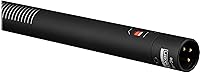
  • Connectivity: Equipped with a standard XLR connector, compatible with professional cameras, portable recorders, and mixing consoles.
  • Power Source: Operates via corded electric power, typically requiring 48V phantom power supplied through an XLR-connected device.
  • Channels: Single mono channel output, which is the standard configuration for broadcast, film, and professional video production use.
  • Form Factor: Long, slender interference-tube barrel measuring approximately 13.1″ in length, consistent with professional shotgun mic design.
  • Dimensions: Package dimensions are 13.1 x 3.3 x 2 inches, reflecting the elongated profile typical of high-rejection shotgun microphones.
  • Weight: The unit weighs approximately 1 pound, making it practical for boom pole operation without excessive arm fatigue over extended use.
  • Compatible Devices: Designed for use with professional cameras and any device featuring a standard XLR microphone input.
  • Mount Compatibility: Stand-compatible design allows secure mounting on mic stands, shock mounts, and boom poles for flexible positioning.
  • Special Features: High-rejection characteristics make this mic particularly effective at isolating a target sound source in noisy shooting environments.
  • Hardware Platform: Optimized for camera-based video production workflows, functioning within professional broadcast and independent film setups.
  • Manufacturer Origin: Designed and manufactured in Japan under Sanken's professional audio engineering standards.
  • UPC: The product UPC is 610708572848, corresponding to the CS-3e model as listed by the manufacturer.
  • Availability: The CS-3e has been available since January 2012 and is listed as not discontinued by the manufacturer.

Related Reviews
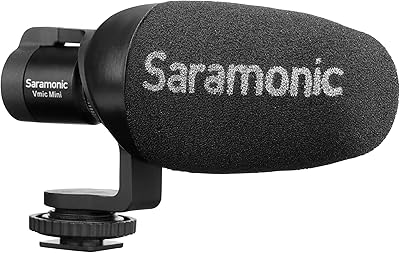
Comica VM20
Comica VM20
81%
83%
Audio Clarity
78%
Noise Rejection
88%
Build Quality
81%
Low-Cut Filter Performance
76%
Gain Control
More
Comica VM40
Comica VM40
83%
88%
Audio Quality
93%
32-Bit Float Recording
82%
Wireless Performance
91%
Onboard Backup Recording
89%
Build Quality
More
Rode VideoMic with Rycote Lyre
83%
92%
Vocal Clarity
94%
Vibration Isolation
89%
Build Durability
91%
Ease of Use
58%
Power Management
More
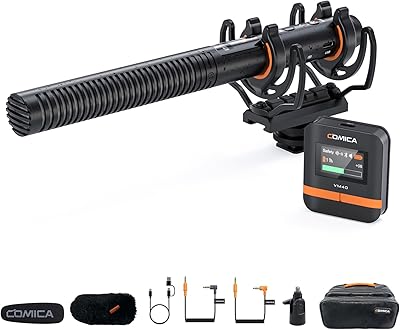
Saramonic VMICMINI Mini Shotgun Microphone
76%
72%
Audio Quality
94%
Ease of Use
83%
Build Quality
88%
Value for Money
86%
Device Compatibility
More
Pixel M80 Shotgun Microphone
74%
74%
Audio Clarity
71%
Noise Rejection
38%
Wind Resistance
67%
Build Quality
83%
Value for Money
More
Rode VideoMic NTG
Rode VideoMic NTG
84%
91%
Audio Clarity
89%
Versatility
88%
Build Quality
86%
Ease of Use
79%
Value for Money
More
Neumann KMR 81 i Shotgun Microphone
81%
94%
Audio Transparency
91%
Off-Axis Rejection
93%
Noise Floor
88%
Build Quality
76%
Handling Noise Rejection
More
Sennheiser MKE 400 Shotgun Microphone
78%
78%
Audio Quality
91%
Build Quality
52%
Wind Noise Rejection
94%
Battery Life
67%
Value for Money
More
Rode NTG-2
Rode NTG-2
80%
83%
Audio Clarity
93%
Dual Power Flexibility
81%
Directional Pickup & Off-Axis Rejection
89%
Build Quality & Durability
76%
Wind & Rumble Rejection
More
Sennheiser ME66 Short Shotgun Microphone Capsule
79%
88%
Directional Performance
84%
Noise Floor
61%
Value for Money
53%
Module Dependency
71%
Reach & Coverage
More

FAQ

Yes, the CS-3e runs on corded electric power and requires 48V phantom power, which is standard on most professional cameras, portable recorders, and audio interfaces. If your device has an XLR input and a phantom power switch, you are covered.

It will work with any camera that has a full-size XLR input and can supply phantom power. Most consumer DSLRs and mirrorless cameras only have a 3.5mm mic jack, so you would need an external XLR preamp or portable recorder between the camera and the mic. A device like a Zoom F-series or Sound Devices MixPre handles this cleanly.

No, the package includes the microphone only. For practical use — especially outdoors — you will want to budget separately for a compatible shock mount and a foam or blimp windscreen to protect against handling noise and wind interference.

Both are professional-grade interference-tube shotgun mics aimed at broadcast and film use. The MKH 416 has a much larger community of users and far more published reviews, which makes it easier to research. The CS-3e benefits from Sanken's respected engineering heritage, but it has a smaller public footprint — meaning you will need to dig into professional audio forums to find detailed real-world comparisons.

Technically possible, but it is not the right tool for that job. Shotgun mics are optimized for video production and on-location use where you need to reject ambient noise from a distance. For desk-based recording, a large or small-diaphragm condenser or a dynamic mic will give you better results in a controlled environment.

Shotgun mics with high-rejection designs like this one have a narrow pickup angle, typically tightest at higher frequencies. Ideally, the subject should be within roughly 20 to 30 degrees of the mic's central axis. The more directly the mic points at your subject, the better the rejection of everything else around them.

Yes, this is actually one of its stronger use cases. The tight directional capture helps in unpredictable outdoor environments where you cannot control background noise. That said, you absolutely need a proper windshield — a foam cover alone will not be enough in breezy conditions. A blimp-style windscreen with a furry cover is the standard solution.

Mono only. This is standard for shotgun microphones used in professional video and broadcast work. Your recorder or camera will typically let you route the mono signal to one or both channels depending on your post-production needs.

The package dimensions list the overall length at 13.1 inches, which is consistent with professional interference-tube shotgun designs. The actual mic body may be slightly shorter once you account for packaging, but plan for a mic in that general size range when selecting a shock mount or blimp.

Honestly, probably not as your first mic. The CS-3e assumes you already have an XLR-capable recording device and some familiarity with professional audio workflows. If you are new to all of this, starting with a more accessible setup — and a mic with a larger user community for troubleshooting — will serve you better until you know exactly what you need from a high-rejection shotgun.

Where to Buy

B&H Photo Video Audio
In stock $1,450.00
B&H Photo-Video-Audio
In stock $1,450.00
Studio AMG
In stock $1,450.00
Filmtools
In stock $1,450.00
Trew Audio
In stock $1,450.00
Markertek
In stock $1,450.00