Overview

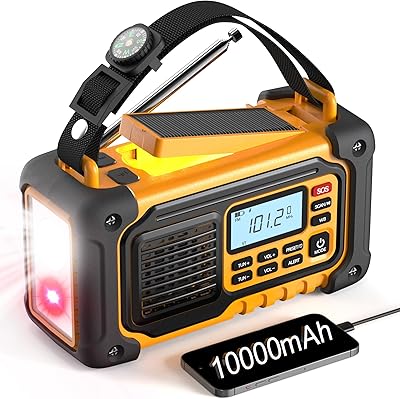
The RunningSnail Emergency Crank Weather Radio sets itself apart from single-purpose radios by packing phone charging, weather alerts, and multiple power sources into one compact device. Weighing under 12 ounces, it slips easily into a go-bag or sits on a shelf without taking up much space. The brand claims the unit has helped over 10 million Americans through major storms, and the 18-month warranty adds real confidence for skeptical buyers. The built-in battery is honest but modest — good for roughly one partial charge on a modern smartphone. Think of this emergency radio as a solid starter kit, not a heavy-duty survival system.

Features & Benefits

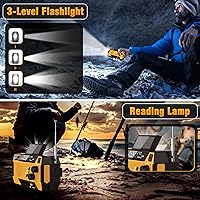
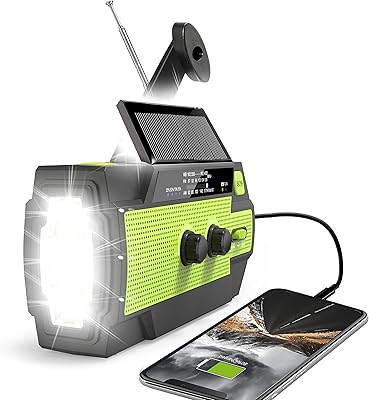
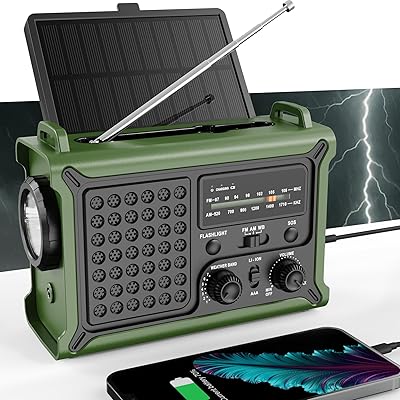
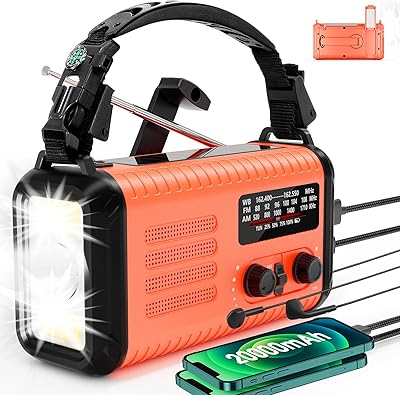
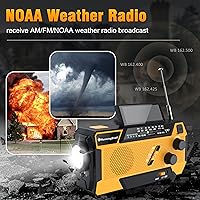
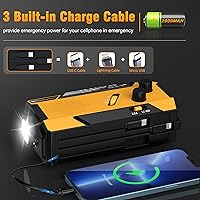
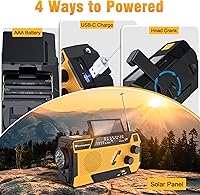
What makes this crank weather radio genuinely useful in a crisis is redundancy. You can charge it four different ways — USB-C, solar, hand crank, or three AAA batteries — so if one method fails, you have backups ready. The three built-in cables (Lightning, Micro-USB, and USB-C) are a genuinely smart design choice; when the power goes out, searching for a charging cable is the last thing you want to do. NOAA reception covers all seven weather channels, and the DSP chip keeps signals noticeably cleaner. The flip-up solar panel doubles as a 6-LED reading lamp, while the SOS siren is loud enough to be heard through walls.

Best For

This emergency radio makes the most sense for households building a basic hurricane or winter storm kit — especially if they want a single device handling communication, lighting, and phone charging without juggling multiple gadgets. Campers and day hikers will appreciate the compact build and dual lighting modes. It is also a natural pick for first-time preppers who feel overwhelmed by more advanced survival gear; the setup is intuitive enough that most people can figure it out without touching the manual. Gift-givers often gravitate here too, particularly for elderly relatives who need straightforward emergency tools that will not require a tech tutorial. It is not a replacement for a dedicated power station, but for short outages it holds its own.

User Feedback

Buyers consistently praise the all-in-one concept, and the built-in cables get called out by name in dozens of reviews as the feature that sold them. On the critical side, the hand crank charges slowly — plan on several minutes of cranking for a small battery boost — and the solar panel is better thought of as a trickle-charge supplement than a standalone power source. Reception gets mixed marks: urban users tend to report clean, stable signals, while those in rural areas sometimes struggle. Build quality draws occasional complaints about the plastic feel, which is a fair observation at this price tier. A handful of long-term owners have flagged reduced battery capacity after extended use, so this may not be a set-and-forget device.

Pros

  • Four independent power sources mean you are rarely stuck without a way to recharge the unit.
  • Three built-in charging cables cover virtually every phone type, eliminating frantic cable searches during a blackout.
  • All seven NOAA weather channels are accessible, and the DSP chip keeps reception noticeably clear in urban areas.
  • The flip-up solar panel doubles as a room-illuminating reading lamp, adding real utility beyond the flashlight.
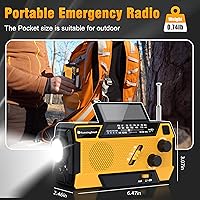
  • At under 12 ounces, this emergency radio fits neatly in a go-bag, glove box, or kitchen drawer.
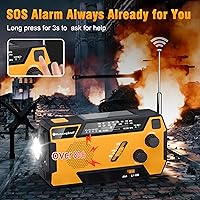
  • The SOS siren with a flashing red light gives a meaningful distress signal option in genuine emergencies.
  • An 18-month warranty and active customer support offer reasonable peace of mind at this price tier.
  • Setup is intuitive enough that most users are operational within minutes, no manual required.

Cons

  • Hand-crank charging is very slow — expect several minutes of cranking for a marginal battery boost.
  • The solar panel functions best as a supplemental trickle charger, not a reliable standalone power source.
  • 2000mAh capacity covers only a partial charge for most modern smartphones, limiting usefulness in extended outages.
  • Radio reception can be inconsistent in rural or fringe areas far from NOAA transmitters.
  • The all-plastic build feels lightweight in a way that raises durability questions over repeated use.
  • Some long-term owners report noticeably reduced battery capacity after a year or more of charge cycles.
  • AAA backup batteries are not included, which is an oversight for a device marketed toward emergency readiness.
  • The orange color, while high-visibility, is the only option — no alternatives for buyers who prefer a neutral look.

Ratings

The scores below for the RunningSnail Emergency Crank Weather Radio were generated by our AI rating engine after analyzing thousands of verified global user reviews, with spam, bot activity, and incentivized feedback actively filtered out. Each category reflects the honest distribution of real buyer sentiment — strengths and frustrations weighted equally — so you get a transparent picture of where this emergency radio genuinely delivers and where it falls short.
Value for Money
88%
Most buyers feel they are getting considerably more than they paid for, especially when they tally up the built-in cables, lighting modes, and multiple power sources in a single compact unit. For households assembling a basic emergency kit on a tight budget, the all-in-one nature of this emergency radio makes the price feel like a smart trade-off.
A smaller segment of buyers — particularly those who have owned higher-end emergency radios — feel the build quality does not fully justify even a budget purchase when weighed against longer-term durability concerns. If you are comparing cost-per-year-of-reliable-use, the math gets less favorable if battery capacity degrades noticeably after 12 to 18 months.
Power Redundancy
84%
Having four independent charging methods genuinely sets this crank weather radio apart from cheaper single-source competitors. Users who have lived through extended power outages specifically call out the peace of mind that comes from knowing that if USB-C is unavailable and the sun is not shining, they still have a hand crank and AAA batteries to fall back on.
The redundancy is real, but the actual output from crank and solar sources is modest enough that buyers sometimes feel misled by the marketing emphasis on them. Several users note that after heavy cranking in a stressful situation, the resulting charge was disappointingly small relative to the physical effort required.
Built-in Cables
91%
This is consistently the feature that earns the most enthusiastic praise in user reviews. People who have scrambled for a phone charger during a blackout understand immediately why having Lightning, Micro-USB, and USB-C cables physically attached to the device is such a practical decision. It removes one of the most common failure points of emergency preparedness kits.
The cable lengths are short by design, which means charging a phone while using the radio simultaneously can feel awkward. A few users also flagged that the cables, being fixed to the unit, cannot be replaced easily if one connector becomes damaged or bent after repeated use.
NOAA Reception Quality
73%
27%
In urban and suburban areas with nearby NOAA transmitters, users consistently report clean, stable reception across all seven weather channels with minimal manual tuning required. The DSP chip does a noticeable job of reducing static interference compared to older analog-tuner emergency radios in the same price bracket.
Rural users are a different story — reception drops off meaningfully when the nearest transmitter is more than 30 to 40 miles away, which is a significant limitation for exactly the population that tends to face the most severe weather events. A handful of buyers in mountainous or fringe-coverage regions found the NOAA reception unreliable enough to warrant a return.
Battery Capacity
62%
38%
The 2000mAh internal battery is adequate for keeping the radio itself running for many hours, and it can push a meaningful partial charge — roughly 30 to 50 percent — into most standard smartphones. For a short overnight outage where you just need to make a few calls and monitor weather alerts, it does the job.
Anyone expecting to use this emergency radio as a primary phone charger during a multi-day disaster will be frustrated quickly. A single cycle through a modern smartphone with a 4500mAh or larger battery barely registers, and users who did not charge the unit before an outage found the effective capacity was already reduced from self-discharge during storage.
Hand Crank Performance
47%
53%
The crank mechanism works as intended and does generate usable power, which is more than can be said for some cheaper competitors where the crank feels purely cosmetic. In a true last-resort situation with no other options, several minutes of cranking will keep the radio broadcasting long enough to catch a critical weather update.
The charge rate is genuinely slow — users describe needing 5 to 10 minutes of steady cranking to generate enough power for just a few minutes of phone charging. The crank arm also feels lightweight and somewhat flimsy under sustained effort, raising questions about how it would hold up if used frequently or by someone in a high-stress emergency situation.
Solar Charging
51%
49%
On a clear day with direct sunlight exposure, the solar panel does provide a slow but steady trickle of charge that can meaningfully extend the battery between crank sessions. Campers and outdoor users who leave the unit in the sun while hiking report it as a useful supplemental feature in practice.
The panel is too small to function as a standalone charging solution in any realistic timeframe — full battery replenishment via solar alone would require many hours of optimal direct sunlight. Overcast days, indirect light, or indoor window placement render the solar feature largely inactive, which frustrates buyers who expected more from the prominently featured panel.
Flashlight Performance
78%
22%
The three-level LED flashlight earns solid marks for a device that is primarily a radio — the high setting throws a directional beam that is genuinely useful for navigating a dark hallway or inspecting a fuse box during a power outage. Users appreciate that the low setting preserves battery while still providing enough light for close-range tasks.
At the highest setting, beam duration is limited by the modest battery capacity, which means extended flashlight use will drain the reserve you might need for phone charging or radio operation. A few users also note that the beam pattern is narrower than expected, making it less useful for wide-area illumination outdoors.
Reading Lamp
74%
26%
The six-LED ambient lamp created by flipping up the solar panel is a clever use of the existing hardware, and users consistently mention it as a pleasant surprise. It provides soft, diffused light that is comfortable for reading or keeping a room oriented during a nighttime outage without the harshness of a direct flashlight beam.
The lamp's brightness ceiling is modest — it works well in a small room but struggles to light a larger space adequately. Because the lamp and solar panel share the same flip-up component, you have to choose between generating solar charge and using the lamp, which is a minor but real design limitation.
SOS Alarm
71%
29%
The SOS siren combined with a flashing red light gives this emergency radio a genuine distress signaling capability that most competitors at this price point skip entirely. Users who purchased the unit specifically for solo outdoor activities or for elderly family members living alone cite the SOS function as a meaningful safety addition.
The siren volume, while adequate indoors, is not powerful enough to cut through ambient outdoor noise at distance — hikers expecting it to work like a dedicated personal alarm in a wilderness emergency may be disappointed. The activation method could also be more intuitive; a few users accidentally triggered the alarm while learning the controls.
Build Quality
58%
42%
The unit is light and the plastic shell is smooth and well-fitted at the seams, which gives it a reasonably polished appearance for its price tier. Most users who are not comparing it directly to more expensive devices describe it as feeling solid enough for occasional emergency use.
For anyone who handles premium electronics regularly, the lightweight plastic construction is immediately obvious and raises genuine questions about long-term durability. Drop resistance is not specified or promoted, and several reviewers who accidentally knocked the unit off a shelf or table reported cracking or loose components — a concern for an emergency device that may be stored and retrieved in stressful conditions.
Ease of Use
87%
Setup is close to effortless — most users report being fully operational within minutes of unboxing, without consulting the manual. The large tuning knob, clearly labeled buttons, and intuitive cable ports make this emergency radio accessible to older users or those who are not comfortable with technology-heavy devices.
The manual scanning for AM and FM stations can feel slow and imprecise compared to digital preset systems, and a few users wished for preset memory buttons to store their local emergency stations. Navigating between flashlight modes and the SOS alarm requires pressing the same button in sequence, which is not immediately obvious.
Portability
86%
At 11.8 ounces and sized to fit comfortably in one hand, this crank weather radio is easy to tuck into a backpack, glove compartment, or emergency kit without taking up meaningful space. The orange color also makes it easy to locate quickly in a dark room or cluttered storage area — a detail that matters more than it sounds in a real emergency.
The unit lacks a dedicated carrying loop or clip, which means it can shift around loose inside a bag rather than staying secured. A few hikers also noted that the form factor, while small, is slightly bulkier than ultra-compact emergency tools designed specifically for ultralight backpacking.
Long-Term Reliability
55%
45%
Most users who have owned the unit for under a year report it functioning exactly as expected, with no operational issues and the battery holding a reasonable charge between uses. The 18-month warranty gives some reassurance that the brand will stand behind early failures.
Longer-term owners — those past the 12 to 18 month mark — report a noticeable pattern of reduced battery capacity and, in some cases, charging reliability issues. For a device intended to sit in storage and perform flawlessly when called upon years later, this degradation curve is a legitimate concern that prospective buyers should factor into their expectations.

Suitable for:

The RunningSnail Emergency Crank Weather Radio is best suited for everyday households that want a straightforward, no-fuss emergency preparedness device without spending a lot of money or learning complicated gear. It is a strong fit for people in hurricane-prone, tornado-alley, or heavy-snow regions who want a single device covering weather alerts, basic lighting, and short-term phone charging during a power outage. First-time preppers will appreciate that the setup requires virtually no technical knowledge — plug it in to top off the battery and store it until it is needed. Campers, car travelers, and day hikers will find the compact size and built-in cables genuinely convenient for off-grid situations. It also works well as a practical gift for elderly relatives or anyone who wants a reliable backup device that does not require them to manage a collection of separate tools and cables.
Not suitable for:

The RunningSnail Emergency Crank Weather Radio is not the right choice for buyers expecting serious, long-duration emergency power capability. With only 2000mAh of battery capacity, it can deliver roughly one partial smartphone charge — not enough to sustain communication through a multi-day outage without repeated cranking or consistent sun exposure. Serious preppers or off-grid households who need to power multiple devices or maintain extended radio monitoring should invest in a higher-capacity unit or a dedicated power station instead. People in rural or fringe reception areas may also find the radio performance inconsistent, particularly if nearby NOAA transmitters are weak. Those who prioritize rugged build quality, weather-resistant housing, or a premium feel will likely be disappointed by the lightweight plastic construction at this price point.
Specifications

  • Dimensions: The unit measures 6.47″ long by 2.46″ wide by 3.07″ tall, making it compact enough to fit in most emergency kits or backpacks.
  • Weight: At 11.8 ounces, this crank weather radio is light enough to carry without adding meaningful load to a go-bag.
  • Battery Capacity: A built-in 2000mAh lithium-ion rechargeable battery stores enough power to deliver roughly one partial charge to a modern smartphone.
  • Power Inputs: The unit supports four charging methods: USB-C cable input, a built-in solar panel, a hand crank lever, and a backup compartment for three AAA batteries (not included).
  • Output Cables: Three cables are physically built into the unit — Lightning, Micro-USB, and USB-C — enabling direct phone charging without carrying separate cords.
  • Radio Bands: Reception covers AM, FM, and all seven NOAA Weather Band channels for regional emergency alerts and standard broadcast listening.
  • Tuner Chip: A DSP (Digital Signal Processing) chip is used to improve signal clarity and reduce static interference across all supported radio bands.
  • Flashlight: The built-in LED flashlight offers three brightness levels — low, medium, and high — to suit both close-range tasks and longer-distance illumination.
  • Reading Lamp: Flipping up the solar panel reveals six downward-facing LEDs that function as a diffused ambient reading or room lamp.
  • SOS Alarm: An integrated SOS siren emits a loud audio alert paired with a flashing red light, designed to signal distress in emergency situations.
  • Color: The unit is available in orange, a high-visibility color that makes it easier to locate quickly in a dark room or cluttered bag.
  • Warranty: RunningSnail covers this emergency radio with an 18-month manufacturer warranty and offers 24/7 customer service support.
  • Included Items: Each unit ships with the radio itself, a USB-C charging cable, and an owner's manual; AAA batteries are not included.
  • Brand: Manufactured and sold by RunningSnail, a brand that reports a cumulative user base of over 10 million US civilians across emergency weather events.
  • Battery Type: The internal rechargeable cell is a lithium-ion battery; one lithium-ion battery is required and comes pre-installed in the unit.

Related Reviews

RunningSnail MD-090P Emergency Weather Radio
72%
84%
NOAA Reception Quality
54%
Hand Crank Charging
58%
Solar Charging Performance
67%
Battery Capacity & Longevity
78%
Flashlight Performance
More
AXYEBI AB-US-107Y Emergency Weather Radio
75%
91%
Value for Money
82%
NOAA Signal Reception
88%
Flashlight Performance
63%
Build Quality & Durability
67%
Hand Crank Usability
More
DexScout Crank Emergency Weather Radio 10000mAh
86%
91%
Value for Money
88%
Battery Life and Charging
94%
Portability & Size
85%
Weather Alert Accuracy
90%
Build Quality and Durability
More
ZZMICHP 16000mAh Hand Crank Emergency Weather Radio
85%
92%
Battery Life & Power
87%
Ease of Use
68%
Portability & Size
85%
Durability & Build Quality
90%
Radio Performance
More
FosPower A6 5200mAh Emergency Weather Radio
77%
91%
NOAA Reception
84%
Build Quality
67%
Power Bank Utility
53%
Hand Crank Efficiency
49%
Solar Charging
More
Roxicosly CR1009Ultra 12000mAh Emergency Weather Radio
74%
88%
Battery Life
91%
Charging Versatility
86%
NOAA Alert Performance
58%
Hand Crank Durability
44%
Solar Charging Speed
More
RAOUOEN 30000mAh Emergency Weather Radio
85%
89%
Battery Life & Charging
91%
Performance in Emergencies
75%
Portability & Weight
84%
Sound Quality & Reception
87%
Ease of Use
More
OnLyee CR1030 Emergency Weather Radio
76%
88%
Power Source Redundancy
83%
Hand Crank Durability
61%
Solar Charging Performance
79%
NOAA Reception Quality
67%
Battery Capacity & Phone Charging
More
Sttfaishen F20 Emergency Hand Crank Weather Radio
72%
82%
NOAA Alert Reception
54%
Battery Capacity & Honesty
61%
Hand Crank Usability
57%
Solar Charging Performance
83%
USB-C Charging Speed
More
QAUYYW Emergency Weather Radio XSY330
86%
89%
Battery Life
85%
Ease of Use
92%
Portability
75%
Radio Reception
88%
Build Quality
More

FAQ

The built-in lithium-ion battery comes pre-installed and can be recharged multiple ways, so you are ready to go out of the box. However, the AAA battery backup compartment requires three AAA batteries, which are not included — worth picking up separately so that fallback option is actually available when you need it.

Honestly, cranking is slow. It takes roughly 1 to 2 minutes of continuous cranking to generate enough power for just a few minutes of radio use. Think of the hand crank as a last resort rather than a primary charging method — it will keep the radio running in a pinch, but you would not want to rely on it to charge your phone.

Not realistically. The solar panel is small and works best as a trickle charger that maintains or slowly tops up a partially charged battery in bright direct sunlight. Charging the unit fully via solar alone would take many hours under ideal conditions. It is best used alongside USB-C charging for day-to-day maintenance.

iPhone 15 and later models use USB-C rather than Lightning, so the built-in Lightning cable would not be compatible with those devices. The good news is that the RunningSnail Emergency Crank Weather Radio also has a built-in USB-C output cable, which will charge any iPhone 15 or newer without needing an adapter.
With a 2000mAh battery and factoring in normal conversion losses, you can realistically expect to add somewhere between 40 and 60 percent charge to a phone with a 3000 to 3500mAh battery. For larger modern smartphones with 4500mAh or bigger batteries, it will be closer to a 30 to 40 percent top-up. Enough to make a few calls or send messages, but not a full charge.

It receives all seven standard NOAA Weather Band channels, which covers the full range of regional broadcast frequencies used across the US. The DSP chip helps lock onto weaker signals, though users in remote rural areas should note that performance depends largely on how close the nearest NOAA transmitter is.

The SOS siren is reasonably loud for a device this size and is paired with a flashing red light for visibility. Most users report it is audible through an interior wall or closed door in a quiet environment. It is not as powerful as a dedicated personal alarm, but it is a useful feature for attracting attention in an emergency without relying on your voice.

No, this crank weather radio does not carry any official waterproof or weather-resistance rating. The plastic housing provides basic protection from dust and incidental contact, but you should keep it away from rain, moisture, or standing water. If you are using it outdoors in wet conditions, store it in a zip-lock bag or waterproof pouch when not in use.

Yes, you can power the radio via USB-C while it is in use, which is handy during non-emergency situations at home. In the field, cranking while listening is physically possible but awkward given the device's size. Most people charge it beforehand and rely on the stored battery capacity during an actual outage.

Lithium-ion batteries store best when kept at around 50 to 70 percent charge rather than fully charged or fully depleted. It is a good idea to charge this emergency radio every three to six months if it is sitting in storage, and to run through a full charge and discharge cycle occasionally. Some owners have reported reduced battery capacity after a year or more, which is common for lithium-ion cells that sit unused for extended periods.

Where to Buy