Overview

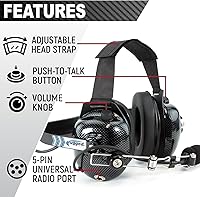
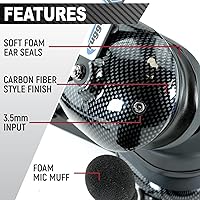
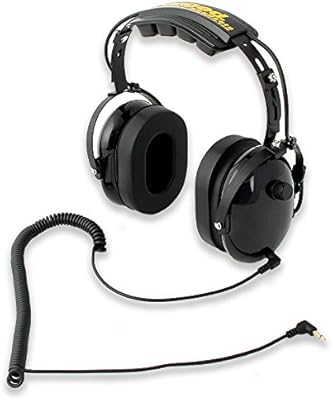
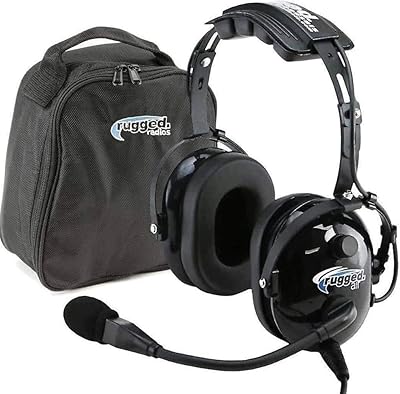
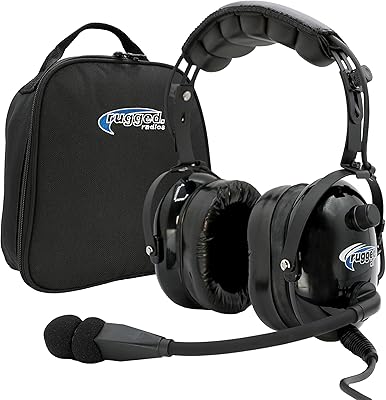
The Rugged Radios H41 Behind-the-Head Racing Headset is built specifically for environments where noise is relentless and reliable communication is non-negotiable. Carbon fiber construction keeps the unit at 15.5 oz — light enough for extended track or job site use without becoming a burden. The behind-the-head band design makes it helmet-compatible, which is the entire point for its target audience. A 5-pin universal radio port handles compatibility with most popular handheld radios, and a nylon carrying case is included, suggesting Rugged Radios designed this for people who actually take it places. This is a niche headset built for a specific, demanding kind of buyer.
Features & Benefits

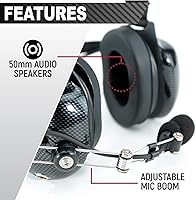
The H41 headset delivers 24dB NRR passive hearing protection — worth clarifying that this is physical sound isolation, not electronic noise cancellation. That distinction matters when you are standing next to a running engine. The adjustable dynamic microphone handles voice pickup well under loud conditions, and the detachable cable is genuinely practical; if a connector wears out, you replace the cable rather than the entire unit. A built-in 3.5mm audio input lets you pipe in race receiver audio or scanner feeds simultaneously. Volume control sits on the unit itself, so adjustments require no fumbling with a separate device or app.

Best For

This behind-the-head unit is clearly aimed at off-road and circuit racers running handheld two-way radios — Baofeng, Motorola, Kenwood, and Rugged Radios units all connect without adapters. Industrial workers in consistently loud environments will find the hearing protection and integrated mic combination genuinely useful. Aviation hobbyists and scanner enthusiasts get real value from the dual audio input capability. If you currently wear foam earplugs and hold a radio separately, this headset consolidates both into one piece of gear. It is not built for casual or office use; its strengths only show up in demanding acoustic environments.

User Feedback

Buyers consistently highlight build quality and long-session comfort — the behind-the-head band earns particular praise from helmet users who find traditional headbands awkward. Compatibility across radio brands holds up well in practice, which matters given the broad claims. That said, some users report inconsistency in microphone sensitivity between individual units, pointing to occasional variance on that component. A handful of reviews flag that cable connectors can feel less robust after repeated use. On balance, most buyers within the target audience consider the performance-to-value ratio solid, though those expecting perfectly uniform quality across every unit should factor that into their decision.

Pros

  • Behind-the-head band design works naturally under full-face helmets without creating pressure or fit issues.
  • Carbon fiber construction keeps weight reasonable while delivering durability that plastic-bodied alternatives cannot match.
  • Connects to a wide range of popular handheld radios via the 5-pin universal port — no proprietary cables needed in most cases.
  • The detachable cable means a worn connector does not force you to replace the entire headset.
  • Built-in 3.5mm audio input lets you monitor a race receiver or scanner feed while keeping radio comms active.
  • Water-repellent finish handles sweat, humidity, and light rain without requiring careful post-use storage.
  • On-unit volume control makes level adjustments quick and practical without reaching for a separate device.
  • Comes with a nylon carrying case, which adds real portability value for buyers heading to events regularly.
  • Ranks highly among two-way radio headsets, reflecting a track record with a large and active user base.

Cons

  • Microphone sensitivity varies between individual units — some arrive performing strongly, others require the receiving party to boost volume significantly.
  • Cable connector durability at the radio end is a known weak point after repeated plug and unplug cycles.
  • The 3.5mm audio input and main volume share a single control, making it awkward to balance two audio sources independently.
  • Band adjustment increments are coarse, making a truly dialed-in fit harder to achieve for some head sizes.
  • No spare cable or connector jumper is included in the box, despite the detachable cable design implying field replaceability.
  • Setup documentation is minimal, which creates a steeper learning curve for buyers new to radio headsets.
  • Boom arm joints can loosen over time with frequent repositioning, reducing long-term mic placement reliability.
  • Not suited for endurance sessions exceeding four hours — ear cup clamping force becomes noticeable for some users during extended wear.

Ratings

The Rugged Radios H41 Behind-the-Head Racing Headset earned its scores through AI analysis of verified buyer reviews collected globally, with spam, bot-generated, and incentivized feedback actively filtered out before scoring. Ratings reflect the real-world experiences of racers, industrial workers, and radio enthusiasts who put this headset through demanding conditions. Both where it genuinely delivers and where it falls short are reflected transparently in every category below.
Build Quality
83%
Most buyers are impressed by the carbon fiber construction, which feels noticeably more solid than plastic alternatives at this price tier. The behind-the-head band holds its shape well after repeated use, and the ear cup housings show minimal wear even after months of track days or job site use.
A subset of users report inconsistency between units — some feel tightly assembled while others arrive with slightly loose connector fittings or ear cup joints. Quality control variance is the most common build complaint, suggesting manufacturing tolerances are not perfectly uniform across batches.
Noise Isolation
78%
22%
The 24dB NRR passive isolation does meaningful work on race tracks and loud job sites, reducing engine roar and ambient noise to a level where communication becomes practical. Users wearing it under helmets appreciate that the over-ear cups create a solid acoustic seal without requiring foam earplugs.
It is important to understand this is physical sound blocking, not electronic noise cancellation — and some buyers expect more than 24dB in genuinely extreme environments like open-wheel racing pits. Those coming from higher-rated industrial hearing protection may find the isolation adequate but not exceptional.
Microphone Performance
71%
29%
Under typical racing or field conditions, the adjustable dynamic microphone picks up voice clearly and cuts through background noise reasonably well. Drivers and co-drivers running stage rally or off-road events report that transmissions are intelligible even at high engine RPM.
Sensitivity inconsistency across units is a recurring complaint — some buyers get a mic that performs strongly out of the box, while others find theirs requires the other party to turn up receive volume significantly. A few users also note the boom arm adjustment feels stiff initially and can loosen over time.
Comfort During Extended Wear
76%
24%
The behind-the-head band design is genuinely appreciated by helmet users, as it eliminates the pressure points that traditional headbands create at the crown. At 15.5 oz, the H41 headset sits in a reasonable weight range for over-ear communication gear, and most buyers report no fatigue issues during races or shifts under two hours.
For longer sessions — four-plus hours at endurance events or extended industrial shifts — some users find the ear cup clamping force becomes noticeable. A small number of buyers with larger head sizes note the band adjustment range is not quite wide enough for a fully comfortable fit.
Compatibility & Connectivity
88%
The 5-pin universal port handles connections to Baofeng, Motorola, Kenwood, Rugged Radios, and several other popular handheld radio brands without requiring adapters in most cases. Buyers frequently highlight this as a practical advantage when switching between radio systems at different events.
A handful of users running less common radio brands encounter fit issues with the 5-pin connector, requiring a jumper cable that is not always included or easy to source locally. The listing implies broader universal compatibility than a small percentage of buyers actually experience.
Cable Durability
63%
37%
The detachable cable design is smart — when wear or damage occurs at the connector, buyers can replace just the cable rather than the entire headset. Several long-term users specifically cite this as a reason they continue recommending the unit despite minor cable wear.
The cable itself, particularly at the radio-end connector, is where durability complaints concentrate. Repeated plugging and unplugging — common in race prep routines — can cause connector looseness within a year of regular use, and the cable jacket is not especially thick or abrasion-resistant.
Value for Money
81%
19%
For a mid-range headset that combines hearing protection, integrated microphone, and multi-radio compatibility in a carbon fiber chassis, buyers generally feel the price is fair. Compared to entry-level alternatives, the feature set and materials justify the cost for anyone using it regularly.
Casual or infrequent users may struggle to justify the price when cheaper options handle basic communication needs. Those who receive a unit with microphone or connector issues feel the value proposition drops sharply, given the cost of returning or replacing it.
Helmet Compatibility
84%
The behind-the-head band is the defining design advantage here — it sits below the helmet rim and does not interfere with fit or retention systems. Buyers using full-face helmets in off-road or circuit racing consistently rate this aspect highly, noting it solves a real problem that standard headbands create.
Fit varies slightly depending on helmet interior padding depth and shape. Users with very narrow helmet interiors occasionally find the ear cups do not align perfectly with the ear cutouts, requiring minor repositioning each time the helmet goes on.
Water & Weather Resistance
72%
28%
The water-repellent finish handles light rain, humidity, and sweat exposure without degrading the housing or causing audio issues. Buyers using this headset in muddy off-road conditions or humid outdoor environments appreciate that it does not require special storage precautions after a wet session.
Water-repellent is not waterproof — submersion or heavy sustained rain can still compromise the unit over time. The cable connectors in particular are not sealed, and a few buyers in very wet environments report intermittent audio issues that correlate with moisture exposure.
Ease of Adjustment
74%
26%
The band and microphone boom both adjust without tools, which matters when making quick changes at the start line or between work shifts. Most buyers find the range of adjustment sufficient for adult sizing and appreciate that settings hold once positioned.
The boom arm adjustment can feel either too stiff or too loose depending on the unit — there is not much middle ground in user reports. A few buyers note that the band ratchet mechanism does not click into fine enough increments to dial in a truly precise fit.
Audio Input (3.5mm Jack)
79%
21%
Having a dedicated 3.5mm input for race receivers, scanners, or phone audio is a genuinely useful feature that separates this headset from pure communication-only alternatives. Scanner enthusiasts and amateur radio users particularly appreciate being able to monitor incoming audio and transmit simultaneously.
The 3.5mm input does not include independent volume control separate from the main volume dial, which means balancing radio and audio input levels requires some trial and error. A small number of users also report the jack feels slightly loose with certain cable plugs.
Packaging & Accessories
69%
31%
The included nylon carrying case is a practical touch — it keeps the headset protected during transport to events without adding much bulk. The case quality is adequate for regular use and gives the overall package a more complete, field-ready feel.
Beyond the carrying case, the accessory kit is fairly minimal. Some buyers expect a spare cable or connector jumper to be included at this price point and are disappointed to find neither. Documentation for compatibility and setup is also basic, which can frustrate first-time radio headset users.
Microphone Adjustability
75%
25%
The boom arm positions close enough to the mouth for effective pickup without getting in the way of helmet visors or face shields. Racers and field workers both mention appreciating that the mic stays where placed rather than drifting during vibration or movement.
The range of boom arm motion is decent but not exceptional — users with specific helmet configurations sometimes cannot get the mic positioned exactly where they need it. Long-term, the joint that holds the boom arm position can loosen with repeated adjustment cycles.

Suitable for:

The Rugged Radios H41 Behind-the-Head Racing Headset is built for a specific kind of buyer — one who works or competes in genuinely loud environments and needs hearing protection and radio communication in a single piece of gear. Amateur and semi-pro racers running off-road events, circuit days, or rally stages will get the most out of it, particularly those already using handheld radios from Baofeng, Motorola, Kenwood, or Rugged Radios. The behind-the-head band design makes it a natural fit under full-face helmets, solving a real ergonomic problem that standard headbands create. Industrial workers in manufacturing, construction, or airside environments who need to monitor radio traffic without removing hearing protection will also find it practical. Scanner hobbyists and amateur radio operators who want the 3.5mm audio input for simultaneous monitoring round out the core audience for this headset.
Not suitable for:

The Rugged Radios H41 Behind-the-Head Racing Headset is not a good match for buyers expecting consumer-grade comfort or plug-and-play simplicity out of the box. If you are looking for a headset for gaming, remote work, or casual music listening, the feature set here is entirely misaligned with those needs — the behind-the-head band, radio connector, and over-ear industrial cups are all purpose-built for field use. Buyers who need hearing protection rated well above 24dB NRR for extremely high-decibel environments should look at purpose-built industrial protection rather than relying on this headset alone. Those sensitive to quality control inconsistency should also take note — microphone sensitivity and cable connector fit have shown variance across units, which can be frustrating at this price point. Finally, buyers who plan to use it only occasionally may find the investment harder to justify compared to simpler, cheaper alternatives.
Specifications

  • Brand: Manufactured by Rugged Radios, a brand focused on motorsports and field communication equipment.
  • Model: H41 Carbon Fiber Behind-the-Head Headset, designed for two-way radio communication in high-noise environments.
  • Weight: The headset weighs 15.5 oz (0.44 kg), which is within the typical range for over-ear communication headsets of this type.
  • Dimensions: Packaged dimensions measure 8 x 6 x 4 inches, reflecting the over-ear cup size and behind-the-head band profile.
  • Material: Primary housing is constructed from carbon fiber, contributing to structural durability while keeping overall weight manageable.
  • Noise Reduction: Rated at 24dB NRR (Noise Reduction Rating), providing passive sound isolation through physical ear cup design rather than electronic processing.
  • Microphone Type: Adjustable dynamic microphone with noise-canceling properties, mounted on a repositionable boom arm for directional voice pickup.
  • Radio Connection: Features a 5-pin universal radio port compatible with handheld two-way radios from brands including Baofeng, Motorola, Kenwood, HYT, TYT, and Rugged Radios.
  • Audio Input: Built-in 3.5mm auxiliary input jack allows connection of external audio sources such as race receivers, scanners, or smartphones.
  • Impedance: Headset impedance is rated at 150 Ohm, suited for direct connection to handheld radio outputs.
  • Cable: The radio connection cable is detachable, allowing replacement if the cable wears or the connector becomes damaged over time.
  • Volume Control: An on-unit volume control dial allows the user to adjust listening levels directly on the headset without accessing a separate device.
  • Water Resistance: The headset carries a water-repellent finish rated for light moisture exposure; it is not waterproof or submersion-rated.
  • Ear Placement: Over-ear design with a behind-the-head band, positioning the band below the helmet rim for compatibility with full-face and open-face helmets.
  • Carrying Case: Includes a black nylon carrying case for storage and transport to events or job sites.
  • Audio Driver: Dynamic driver type, which is standard for communication headsets operating in this impedance and frequency range.
  • BSR Ranking: Ranked #222 in the Two-Way Radio Headsets and Microphones category on Amazon, reflecting sustained sales volume in a specialized niche.
  • Availability: Listed as not discontinued by the manufacturer, with the product first made available in August 2015.

Related Reviews
Rugged Radios H20 Racing Scanner Headset
77%
83%
Audio Clarity
78%
Noise Isolation
76%
Comfort & Fit
67%
Build Quality
74%
Value for Money
More
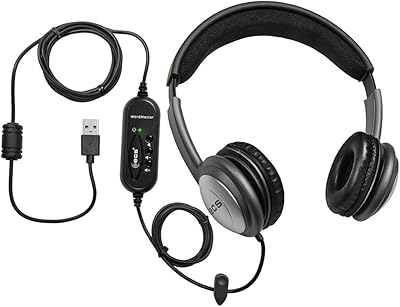
ECS WordSlinger Over Head USB Transcription Headset
86%
89%
Sound Quality
92%
Comfort for Long Sessions
85%
Build Durability
90%
Ease of Use
88%
Compatibility with Software
More
Rugged Air RA200 Aviation Pilot Headset
78%
91%
Value for Money
78%
Comfort & Fit
72%
Passive Noise Reduction
74%
Microphone Performance
81%
Audio Clarity
More
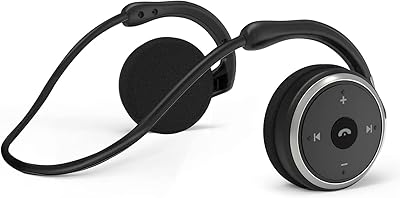
Itayak Bluetooth 5.0 Behind The Head Headphones
84%
83%
Sound Quality
88%
Battery Life
91%
Comfort and Fit
85%
Build Quality
80%
Ease of Use
More
3M PELTOR WorkTunes Pro AM/FM Radio Headset
80%
91%
Hearing Protection Effectiveness
63%
Radio Reception Quality
78%
Audio Sound Quality
67%
All-Day Comfort
84%
Build Quality & Durability
More
Thrustmaster T.Racing Scuderia Ferrari Edition Gaming Headset
84%
88%
Sound Quality
80%
Comfort
92%
Design & Style
86%
Noise Cancellation
84%
Durability & Build Quality
More
Rugged Air RA900 Aviation Pilot Headset
77%
81%
Comfort & Fit
74%
Passive Noise Reduction
83%
Microphone Clarity
69%
Build Quality
88%
Value for Money
More
Eton Scorpion II Portable Emergency Weather Radio
74%
91%
Portability & Form Factor
83%
Hand Crank Functionality
88%
NOAA Weather Band Reception
79%
FM Radio Performance
58%
AM Radio Reception
More
Cisco Headset 561 Wireless On-Ear DECT Headset

75%
91%
Wireless Range & Reliability
84%
Call Audio Clarity
93%
Cisco Ecosystem Integration
82%
Battery Life
67%
Comfort During Extended Wear
More
Eumos Mannequin Head with Hair, 29″ Training Head
84%
89%
Realism of Hair Texture
87%
Durability of Synthetic Hair
92%
Stability During Use (Clamp)
84%
Ease of Use for Beginners
90%
Suitability for Professional Training
More

FAQ

Yes, and that is really the core reason the behind-the-head band exists. Standard headbands sit on top of the skull and create pressure or fit problems under helmets. The H41 headset routes the band behind the head, below the helmet rim, so the ear cups sit naturally against your ears without fighting the helmet interior. Most full-face and open-face helmet users find the fit works well, though very narrow helmet interiors with thick padding may require some adjustment.

The 24dB NRR is a real, tested passive isolation rating — it means the ear cups physically block that amount of sound through their seal and material. To be clear, this is not electronic noise cancellation; there is no active processing involved. On a race track or loud job site, 24dB takes the edge off engine noise and ambient roar, making communication practical. If you need isolation above 30dB for extremely loud environments, dedicated industrial earmuffs will outperform this headset in pure protection terms.

Rugged Radios H41 Behind-the-Head Racing Headset connects directly to most Rugged Radios, Baofeng, Motorola, Kenwood, HYT, and TYT handheld radios that use the standard 5-pin configuration. The vast majority of buyers using these brands report a direct fit. Less common or older radio models with non-standard pinouts may require a jumper cable, which is not included in the box, so it is worth confirming your specific radio model before purchasing.

Yes, that is exactly what the 3.5mm input is designed for. You can feed audio from a phone, race receiver, or scanner into the headset while simultaneously using the radio connection for communication. The two audio sources mix together through the ear cups. Keep in mind the volume control on the unit manages the overall level, and there is no independent gain control for the 3.5mm input specifically, so balancing the two sources takes a little trial and error.

The detachable cable design makes replacement straightforward — you disconnect the worn cable and connect a compatible replacement without tools. The challenge is that a spare cable is not included in the box, and sourcing the correct replacement cable (matching the 5-pin radio connector for your specific radio brand) requires checking compatibility before ordering. It is a genuinely smart design choice for field use, but Rugged Radios could improve the package by including at least one spare.

Most buyers find it comfortable for sessions up to a couple of hours without issue. For longer wear — four hours or more at endurance events or extended work shifts — some users report the ear cup clamping force becomes noticeable, particularly around the ears. At 15.5 oz it is not a heavy headset, so weight fatigue is rarely mentioned. Buyers with larger head sizes occasionally find the band adjustment range does not quite reach their ideal fit, which can amplify discomfort over time.

Adjust the boom arm so the microphone sits roughly one to two finger-widths from the corner of your mouth, angled slightly toward your lips rather than pointing directly at them. This positioning reduces breath noise while keeping voice pickup strong. The arm holds its position once set, though some users report it can loosen with repeated adjustment over months of use. If you are wearing a helmet, position the mic before putting the helmet on to confirm the visor or chin bar does not obstruct it.

The water-repellent finish handles light rain, humidity, and splash exposure well, and buyers who use it in muddy off-road conditions generally report no issues with the housing itself. The area to be cautious about is the cable connector junction — those connection points are not sealed, and sustained moisture exposure there can eventually cause intermittent audio. Wiping the connectors down after wet sessions and storing the headset in the included case helps extend its lifespan in wet-use scenarios.

The dynamic microphone does a reasonable job rejecting background noise in most conditions, but open wind — common in off-road racing or outdoor industrial environments — can introduce some noise if the mic is fully exposed. Positioning the boom arm slightly to the side rather than directly in front of your mouth helps reduce direct wind impact. For extreme open-air environments at speed, some users add a small foam windscreen to the mic, which is a standard accessory available separately.

A meaningful subset of buyers do report variance between individual units, primarily with microphone sensitivity and cable connector fit. When yours arrives, test the microphone by connecting to your radio and transmitting to confirm the receiving party hears you clearly at normal voice volume. Also gently check the cable connector seating to ensure it fits firmly without wobble. Most units arrive without issue, but catching a problem early makes the return or replacement process much smoother.

Where to Buy