
Overview
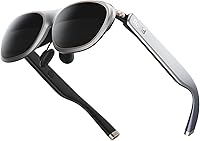
The Rokid Max 2 AR Glasses are, at their core, a wearable display — a way to carry a big-screen experience in your bag without hauling a monitor or hunting for a TV. Weighing just 75 grams, they slip on like sunglasses and draw power directly from your device over USB-C, meaning no charging, no batteries, no extra bulk. That battery-free design is a real practical edge over bulkier VR headsets. These AR glasses sit at the premium end of the market, aimed at buyers who genuinely need a portable private screen. Just be clear going in: this is a display extender, not a spatially aware AR system like something from a sci-fi film.
Features & Benefits
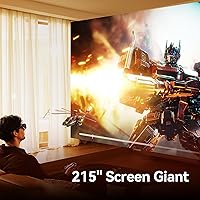
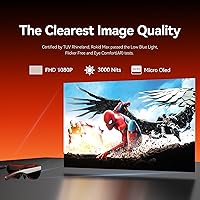
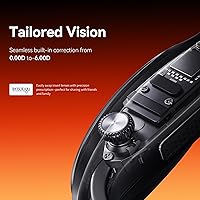
The centerpiece is the Micro-OLED panel, which simulates a 215″ screen at roughly six meters — picture a front-row cinema seat that fits in your carry-on. Micro-OLED matters because it delivers deep blacks and punchy contrast that LCD-based rivals simply cannot match. The 50° field of view is wider than many competing glasses, though it still won't fill your entire peripheral vision. Motion stays crisp at 120Hz, and the adjustable 600-nit brightness handles most indoor settings well. For myopic users, the built-in diopter dial corrects up to -600 — genuinely useful, though those with astigmatism or presbyopia will still need separate prescription lenses. HDCP support means protected streaming services work without workarounds.
Best For
The Max 2 wearable display makes the most sense for a fairly specific set of people. Frequent travelers will get the most mileage — plug into a laptop or phone for a private in-flight movie that feels nothing like squinting at a 13-inch screen. Handheld gamers using a Steam Deck or ROG Ally get a large virtual display without needing a TV nearby. Remote workers and students who want a secondary screen but cannot carry extra hardware will find it practical. The built-in diopter dial is a genuine bonus for mild myopia. One caveat: faces wider than 16cm may struggle with fit, so measure before you buy.
User Feedback
Early owners of this wearable screen consistently praise the image sharpness and near-instant plug-and-play setup — connect via USB-C and you are watching within seconds. The lightweight frame surprises people who expected something bulkier. On the downside, some buyers find the 50° FOV narrower than the spec sheet implied, and a handful with wider faces report an uncomfortable fit. Brightness in bright ambient light is a known weak spot; it performs well in dim rooms or airplane cabins but struggles outside. Cable management draws minor but recurring complaints. Since this product launched recently, long-term durability data is still limited — early impressions are promising, but treat them as exactly that.
Pros
- Micro-OLED display produces sharp contrast and vivid color that outperforms LCD-based rivals at this size
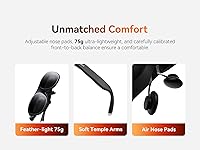
- At just 75 grams, these AR glasses are light enough to wear for extended sessions without neck fatigue
- Plug-and-play USB-C setup works within seconds — no app installation or complex pairing required
- HDCP support means protected streaming from Netflix, Disney+, and similar services works without workarounds
- Built-in diopter dial corrects up to -600 myopia, removing the need for contact lenses during use
- Wide device compatibility covers iPhone 15+, most Android phones, iPad, Mac, Windows, Steam Deck, and ROG Ally
- Swappable cushioned nose pads allow fit customization and reduce pressure during long viewing sessions
- 120Hz refresh rate keeps fast-moving game and video content looking fluid and natural
- No internal battery means nothing to charge and one less device competing for your power bank
Cons
- The 50° field of view, while competitive, still leaves visible black borders that break full immersion for some users
- Brightness struggles in well-lit rooms and is largely ineffective in direct sunlight or bright outdoor settings
- Face-width support maxes out at 16cm, leaving buyers with broader faces with a poor or unusable fit
- Astigmatism and presbyopia are not corrected by the built-in dial, requiring separate prescription insert purchases
- The tethered USB-C cable creates a physical connection that can feel awkward depending on how you hold your device
- Early buyers report mixed experiences with devices outside the official compatibility list, so edge cases exist
- As a newly launched product, there is little long-term data on hinge durability, lens coating wear, or reliability
- Cable routing and management during use draws recurring minor complaints about comfort and convenience
Ratings
The scores below for the Rokid Max 2 AR Glasses were generated by our AI system after analyzing verified buyer reviews from global markets, with spam, bot-submitted, and incentivized feedback actively filtered out. The ratings reflect a balanced synthesis of real ownership experiences — both the aspects users consistently praised and the friction points that genuinely frustrated buyers. No score has been smoothed over to look favorable; the numbers reflect what people actually reported.
Display Quality
Field of View
Comfort & Fit
Brightness & Visibility
Build Quality
Setup & Compatibility
Gaming Performance
Movie & Streaming
Myopia Correction
Value for Money
Portability
Audio
Cable Management
Packaging & Unboxing
Suitable for:
The Rokid Max 2 AR Glasses are built for a specific kind of buyer, and when the fit is right, they genuinely deliver. Frequent travelers are the obvious sweet spot — if you spend time on planes, trains, or in hotel rooms and want a private, immersive viewing experience without lugging extra hardware, these glasses make a compelling case. Handheld gamers will appreciate the ability to pair them with a Steam Deck or ROG Ally and suddenly play on what feels like a large screen from the comfort of a couch or bunk bed. Remote workers and students who need a portable secondary display will also find real utility here, particularly since the USB-C connection means no charging cables or battery packs to manage. Anyone with mild myopia up to -600 diopters gets the added convenience of the built-in correction dial, removing the need for contact lenses during use.
Not suitable for:
The Rokid Max 2 AR Glasses are not the right tool for everyone, and a few specific limitations could make them a frustrating purchase for the wrong buyer. If you have astigmatism or presbyopia, the diopter dial will not help you — you will need to source custom prescription lens inserts separately, which adds cost and hassle. People with faces wider than 16cm may find the fit uncomfortably tight or simply impractical, so it is worth measuring before committing. Those expecting spatially aware augmented reality — where digital objects appear anchored in the real world around you — will be disappointed; this is purely a display extender, nothing more. If your primary use case involves bright outdoor environments, the 600-nit brightness ceiling means the image can wash out in direct sunlight. Finally, buyers who prioritize long-term reliability data should know this is a recently launched product with limited track record, so patience and some tolerance for early-adopter uncertainty are required.
Specifications
- Display Type: The glasses use Micro-OLED panels, which deliver deeper blacks, higher contrast ratios, and more accurate color reproduction than standard LCD-based wearable displays.
- Virtual Screen Size: The display simulates a 215″ screen at an approximate viewing distance of 6 meters, comparable to sitting in the front rows of a cinema.
- Field of View: The optical system provides a 50° diagonal field of view, which is wider than many competing AR glasses in this category.
- Refresh Rate: The display supports a 120Hz refresh rate, ensuring smooth motion during fast-paced gaming and high-frame-rate video playback.
- Brightness: Peak brightness reaches 600 nits and is user-adjustable, making it well-suited for dimly lit or indoor environments.
- Weight: The frame weighs 75 grams, which is notably light for a wearable display and reduces neck and nose fatigue during extended use.
- Power Source: The glasses are entirely bus-powered via USB-C, drawing power directly from the connected host device with no internal battery required.
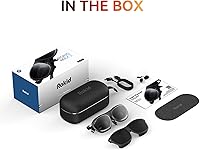
- Connection: A USB-C cable is included in the box and serves as both the power and video signal connection to compatible source devices.
- Diopter Correction: A built-in adjustment dial on the frame provides myopia correction from 0 to -600 diopters; astigmatism and presbyopia corrections are not supported.
- Face Compatibility: The frame is designed to fit faces up to 16cm wide; users outside this range may experience discomfort or an inadequate seal.
- Nose Pad Design: The nose pads use a cushioned airy design and are swappable, allowing users to adjust fit and reduce pressure during long sessions.
- HDCP Support: The glasses support HDCP content protection, enabling direct playback of DRM-protected streaming content from platforms such as Netflix and Disney+.
- Compatible Devices: Verified compatible devices include iPhone 15 series, most USB-C Android phones, iPad models from 2020 onward, Mac computers, Windows laptops, Steam Deck, and ROG Ally.
- Dimensions: The physical frame measures 8 x 4 x 0.5 inches, making it compact enough to store in a standard glasses case or small bag pocket.
- Model Number: The official item model number is RA301, which can be used to identify compatible accessories such as prescription lens inserts.
- Package Contents: The box includes the glasses, a USB-C cable, and multiple interchangeable nose pads to accommodate different face shapes and preferences.
Related Reviews
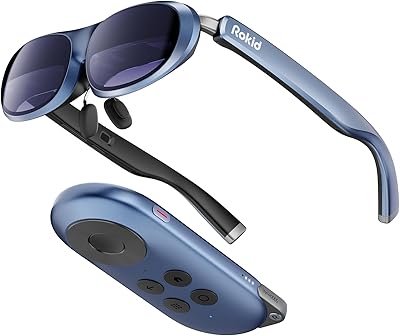
Rokid AR Joy Pack AR Glasses

Waxness Sensi Clear Rosin-Free Hard Wax 1kg
TEAMGROUP X1 MAX 512GB USB Flash Drive
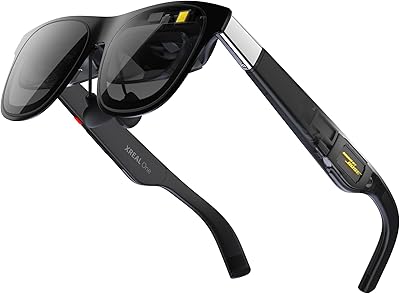
XREAL One AR Glasses
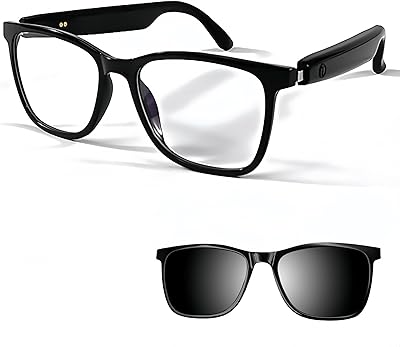
HJX GS05 2-in-1 Bluetooth Smart Glasses
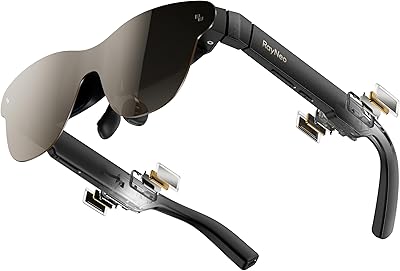
RayNeo Air 3s Pro AR Glasses

Sally's Organics 16-oz Glass Spray Bottles 2-Pack
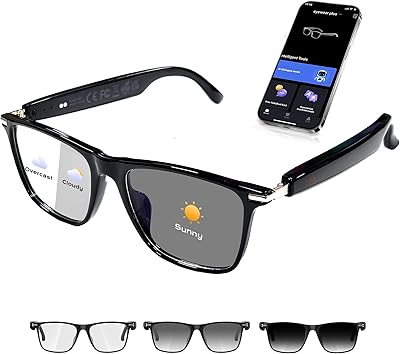
xunmirusu M01 AI Smart Glasses
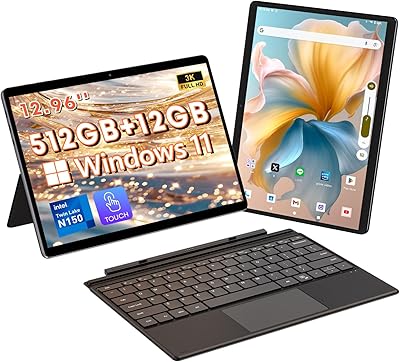
CHUWI Hi10 Max 12.96″ 512GB