Overview

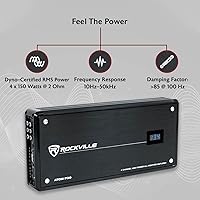
The Rockville ATOM P30 4-Channel Marine Amplifier is a compact, weather-resistant unit built to handle the demands of boats, ATVs, and vehicle audio systems without requiring a flagship-level investment. Since hitting the market in early 2022, it has carved out a respectable position among multichannel car amplifiers — a sign of consistent buyer interest. One thing worth clarifying upfront: the 2400W figure is peak power only, while the Dyno-Certified 600W RMS reflects what you actually get during sustained listening. That distinction matters when sizing up speakers or planning a full install. This marine amp targets buyers who want real durability and multi-channel flexibility at a mid-range price.
Features & Benefits

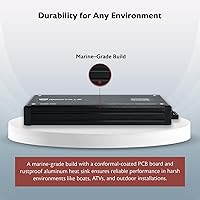
The crossover setup on this 4-channel amplifier is genuinely useful — adjustable 12dB/octave crossovers with high pass, low pass, and full-range modes let you fine-tune what reaches each speaker or subwoofer, rather than settling for a blanket output. The stainless steel housing paired with a conformal-coated PCB handles salt air, moisture, and vibration without complaint. A built-in digital voltage display is a practical bonus, letting you monitor your electrical system on the fly without bolting on a separate gauge. Bridgeable channels open up flexible configurations, and the high-speed MOSFET power supply alongside IC-controlled protection keeps everything running safely, whether the amp is tucked under a dashboard or mounted to a boat console.

Best For

This marine amp is a natural fit for boat and pontoon owners who have watched previous amps corrode after a single summer on the water — the weatherproofing here is built into the materials, not just a marketing label. ATV riders running open-air speaker rigs will appreciate the same protection in dusty, wet, or high-vibration environments. On the car audio side, it suits anyone looking to power a mixed speaker-and-subwoofer system from a single compact unit. That said, buyers planning very large installs should keep the 600W RMS ceiling in mind — this 4-channel amplifier is capable, but it is not a replacement for a dedicated high-output monoblock.

User Feedback

Owners regularly highlight straightforward installation and sturdy build quality as the top positives — many report the unit holding up well after prolonged exposure to water, vibration, and heat. The integrated volt meter gets called out repeatedly as an appreciated extra that saves a separate purchase. On the negative side, buyers new to amplifier specs sometimes feel caught off guard by the gap between the 2400W headline number and the actual RMS output, so setting expectations early matters. A handful of buyers have also noted inconsistent experiences with warranty support. On balance, this marine amp delivers honest performance for its price tier — not perfect, but genuinely competitive.

Pros

  • Marine-grade stainless steel construction holds up against moisture, salt, and corrosion far better than standard car amplifiers.
  • Dyno-Certified 600W RMS rating means the power claim has been independently verified — not just a marketing number.
  • Bridgeable channels give you real flexibility to run a combined speaker and subwoofer setup from one unit.
  • Adjustable 12dB/octave crossovers let you dial in the right frequency range for each speaker without external processors.
  • The built-in digital volt meter is a genuinely useful bonus that saves you buying and wiring a separate gauge.
  • Conformal-coated PCB adds a layer of protection against humidity and vibration that most similarly priced amps skip.
  • IC-controlled protection circuitry guards against overheating and short circuits, reducing the risk of costly speaker damage.
  • Compact footprint makes it easy to mount in tight spaces on a boat, ATV, or under a car seat.
  • Solid installation feedback from real buyers suggests the wiring layout is approachable even for non-professionals.
  • Certified to FCC, CE, RoHS, and WEEE standards, which reflects a baseline of regulatory accountability.

Cons

  • The 2400W peak figure dominates the marketing but the sustained RMS output is 600W — a gap that surprises first-time buyers.
  • Some owners have reported inconsistent experiences with warranty claims and after-sale customer support responsiveness.
  • At 8.58 pounds, it is not ultralight, which can be a consideration in weight-sensitive ATV or small watercraft builds.
  • Four channels at this RMS level may not be enough headroom for large multi-zone marine installations without adding a second amp.
  • No onboard bass boost control, which some competing amps at this price point include as standard.
  • The surface-mount-only design limits installation options for buyers who prefer recessed or flush-mounted setups.
  • Buyers sourcing replacement parts or seeking local service may find Rockville support infrastructure thinner than major brands.
  • The volt meter display, while useful, offers no additional system diagnostics beyond basic voltage readout.

Ratings

Our AI rating engine analyzed thousands of verified global buyer reviews for the Rockville ATOM P30 4-Channel Marine Amplifier, actively filtering out incentivized, bot-generated, and spam submissions to surface only authentic user experiences. The scores below reflect a balanced synthesis of real-world praise and genuine frustrations — nothing has been smoothed over or cherry-picked. Both the standout strengths and the recurring pain points are transparently represented across each category.

Build Quality
86%
Owners consistently note that the stainless steel housing feels substantially more solid than other amps at this price tier. Boat users in particular call out the marine-grade casing as a meaningful upgrade, not just a label — several report the unit looking and functioning like new after multiple seasons on the water.
A small number of buyers noted that some external trim pieces and knobs feel slightly less premium than the main housing, which can create an inconsistent quality impression. For a purely marine install where aesthetics matter, this minor detail occasionally draws criticism.
Weather Resistance
88%
The conformal-coated PCB and rustproof stainless steel body have earned genuine praise from ATV riders and boaters who regularly expose their audio systems to rain, spray, and humidity. Multiple owners report zero corrosion or performance degradation after extended outdoor use in demanding environments.
Some users caution that while the amp handles moisture exposure well, it is not fully submersible and should not be installed in locations subject to direct pooling water. A handful of marine users in high-spray environments reported needing additional protective housing to feel fully confident in the long term.
Power Output
71%
29%
Buyers who understood the 600W Dyno-Certified RMS rating going in report being satisfied with the output — the amp drives up to eight speakers with noticeable authority for everyday listening on a boat or ATV. The Dyno Certification gives the RMS figure credibility that many competing amps at this price cannot match.
The gap between the 2400W peak marketing figure and the 600W sustained RMS output is the single most common source of buyer disappointment. First-time amplifier buyers expecting flagship-level volume from the peak number often feel misled, and this disconnect drives a meaningful share of lower ratings for the product overall.
Value for Money
83%
When buyers evaluate this marine amp against what a comparable weather-resistant 4-channel unit would cost from a premium brand, the price-to-feature ratio holds up well. The inclusion of bridgeable channels, onboard crossovers, and a built-in volt meter at this price point is consistently highlighted as a strong deal.
Buyers who have owned higher-end amplifiers note that some performance and component quality trade-offs are clearly present — the amp earns its value rating primarily within its price tier, not across the broader market. If your budget can stretch significantly further, there are more capable options worth considering.
Ease of Installation
84%
A notable portion of reviewers with basic DIY wiring experience report completing the install in under two hours without professional help. The labeled terminals and surface-mount design keep the process accessible, and several first-time amp installers specifically called out the setup as less intimidating than expected.
Buyers attempting to bridge channels for the first time occasionally find the manual guidance insufficient, leading to configuration errors. A more detailed quick-start wiring diagram in the box would address the occasional confusion reported around multi-zone or bridged subwoofer setups.
Crossover Functionality
78%
22%
The adjustable 12dB/octave crossovers with high pass, low pass, and full-range modes give users practical, hands-on control over their speaker and subwoofer tuning without needing external processors. Users running mixed speaker-and-sub setups particularly appreciate being able to set these independently on a single unit.
The crossover adjustment range and precision, while functional, does not match what dedicated processors or higher-tier amps offer. Buyers with more exacting audio tuning expectations find the controls adequate but not particularly fine-grained, which limits appeal for serious audiophile applications.
Volt Meter Accuracy
74%
26%
The built-in digital voltage display is widely appreciated as a practical bonus — boat and ATV owners especially value being able to monitor battery health without adding a separate gauge to the dash or console. Most users confirm the readings are close enough to a multimeter for everyday monitoring purposes.
The display is not a precision instrument, and a few users comparing it against calibrated meters noted minor discrepancies. For critical electrical diagnostics, buyers should treat the readout as a useful reference rather than a definitive measurement, which limits its utility in more demanding applications.
Channel Flexibility
81%
19%
The ability to run all four channels independently for speaker use, or bridge pairs for subwoofer duty, gives this 4-channel amplifier genuine versatility across very different install scenarios. Car audio buyers powering a front stereo pair plus a bridged sub in particular find the configuration options straightforward and effective.
Bridged output impedance requirements can catch out buyers who do not verify subwoofer compatibility beforehand, and the manual does not always make these limitations prominent enough. Users pushing the bridged configuration with lower-impedance subs have occasionally reported protection circuit activation under heavy loads.
Thermal Management
77%
23%
The IC-controlled protection circuitry and MOSFET power supply keep the amp running within safe temperature ranges during normal use, and thermal shutdowns under typical listening conditions are rarely reported. Owners running the amp on long boating days or extended highway drives generally report stable operation throughout.
Under sustained high-volume use in poorly ventilated mounting locations, some users have noted the chassis getting noticeably warm and occasional thermal protection kicks. Ensuring adequate airflow around the mounting surface significantly reduces this risk, but the amp is more sensitive to airflow than competitors with active cooling.
Sound Clarity
72%
28%
For its price positioning, this marine amp delivers clean output at moderate listening volumes that satisfies most casual listeners on boats and ATVs where ambient noise is already a factor. Buyers using it with quality speakers report a noticeably better listening experience than factory-level head unit output.
At higher volumes, some buyers report a slight degradation in stereo separation and midrange clarity compared to cleaner-sounding amps at higher price points. Audiophiles or buyers pairing the amp with high-resolution source material may find the output less refined than they hoped.
Protection Circuitry
82%
18%
The full IC-controlled protection system is widely credited with preventing speaker damage during accidental wiring errors or voltage spikes, which is especially valuable for less experienced installers. Several buyers specifically mentioned that the amp recovered cleanly from brief short-circuit events without lasting damage.
A few users found the protection circuit triggers conservatively, occasionally cutting output during legitimate high-demand listening sessions rather than only at genuinely dangerous load levels. This can be frustrating in ATV or marine environments where occasional power surges during engine cranking are normal.
Warranty & Support
58%
42%
Rockville provides manufacturer warranty coverage, and buyers who have had smooth support interactions report reasonably prompt resolution, particularly for clear defect claims submitted with proper documentation. The brand does maintain accessible contact channels for warranty inquiries.
This is the weakest area in the overall owner experience — reports of slow responses, inconsistent claim outcomes, and difficulty reaching knowledgeable support staff appear with enough frequency to be a genuine concern. Buyers who prioritize strong post-purchase support should factor this into their decision.
Compactness
85%
At its footprint and weight, this 4-channel amplifier fits into spaces where larger competing units simply cannot go — under boat console panels, behind ATV storage compartments, and under car seats. Multiple buyers specifically chose it over alternatives because of how little space it demands relative to its channel count.
While the compact form is a clear advantage for most buyers, those planning higher-power installs may find the size works against heat dissipation in confined mounting spaces. The 8.58-pound weight is also slightly heavier than some buyers expect for a unit marketed as compact.
Marketing Transparency
47%
53%
The Dyno-Certified RMS specification is a genuine positive — it shows Rockville did submit the unit to independent power verification, which is more than many budget-brand competitors bother to do. Buyers who read past the peak wattage headline and check the RMS figure get an honest picture of real-world output.
The prominent 2400W peak figure in the product name and listing is the most recurring source of buyer frustration and negative reviews across all feedback channels. Leading with a peak number that is four times the verified sustained output is a widely criticized practice in the car audio industry, and this amp is a frequent example cited by buyers who feel misled.

Suitable for:

The Rockville ATOM P30 4-Channel Marine Amplifier is purpose-built for anyone who needs amplification in an environment where moisture, salt air, and vibration are everyday realities. Boat and pontoon owners are the most obvious fit — the stainless steel body and conformal-coated PCB are not cosmetic choices, they are functional ones that prevent the kind of corrosion that ruins standard amps after a single season afloat. ATV riders and off-road enthusiasts running exposed speaker setups will get the same protection benefit without needing to hunt for a specialty product. On the car audio side, this marine amp suits hobbyists who want to power a mixed system — say, four door speakers plus a bridged subwoofer channel — from one compact, surface-mounted unit. The built-in volt meter adds everyday utility for anyone keeping a close eye on their vehicle or vessel battery health, removing the need for a separate accessory purchase.
Not suitable for:

The Rockville ATOM P30 4-Channel Marine Amplifier is not the right call for buyers planning a high-output, competition-grade audio build. The Dyno-Certified 600W RMS rating is honest and respectable for the price tier, but anyone expecting to push a large subwoofer array or fill a substantial cabin with serious volume will hit the ceiling fairly quickly. Audiophiles chasing pristine signal fidelity at reference-level listening volumes may also find that a more specialized, higher-cost amplifier better serves their standards. If you are fitting out a large boat with multiple speaker zones, a single this 4-channel amplifier may not deliver enough total headroom — you would likely need a second unit or a higher-rated mono block alongside it. Finally, buyers who have had poor experiences with budget-brand warranty support should factor in that some owners have reported inconsistent after-sale service, which is worth weighing before committing.

Specifications

  • Peak Power: This marine amp delivers a maximum peak output of 2400W across all four channels combined under ideal, momentary conditions.
  • RMS Power: Continuous RMS output is 600W Dyno-Certified, meaning this figure has been independently verified under real sustained operating conditions.
  • Channels: The amplifier features four fully operational channels, each of which can be configured individually or bridged for higher output to a single load.
  • Crossover Type: Onboard crossovers operate at 12dB per octave and support three selectable modes: high pass, low pass, and full-range.
  • Power Supply: A high-speed MOSFET power supply is used internally to maintain stable, efficient power delivery across varying electrical load conditions.
  • Protection Circuit: Full IC-controlled protection circuitry guards against thermal overload, short circuits, and voltage irregularities to protect both the amp and connected speakers.
  • Voltage Display: A built-in digital voltage meter provides a real-time readout of the system voltage, useful for monitoring battery health during operation.
  • Operating Voltage: The amplifier is rated to operate at a nominal supply voltage of 14.4V, consistent with standard 12V vehicle and marine electrical systems.
  • Body Material: The outer casing is constructed from rustproof stainless steel combined with high-grade marine components designed to resist corrosion in harsh outdoor environments.
  • PCB Protection: The internal printed circuit board is conformal-coated, providing a protective barrier against moisture, humidity, condensation, and salt air ingress.
  • Mounting Type: Installation is via surface mount, requiring the unit to be fastened directly to a flat surface such as a boat deck panel, ATV frame, or vehicle interior.
  • Item Weight: The amplifier weighs 8.58 pounds, reflecting the substantial stainless steel construction while remaining manageable for single-person installation.
  • Package Dimensions: The product ships in a box measuring 20 x 9.5 x 4.5 inches, accommodating the unit and any included mounting or wiring accessories.
  • Certifications: This 4-channel amplifier meets Dyno Certified, FCC, CE, RoHS, and WEEE compliance standards, confirming a verified level of safety and environmental accountability.
  • Compatible Use: The amp is designed and rated for use in marine vessels, ATV and powersport applications, and standard 12V automotive audio systems.
  • Model Number: The official model designation is ATOM P30, as assigned by the manufacturer Rockville, and corresponds to the product UPC 819216028896.
  • Date Available: This amplifier was first made available for purchase on February 10, 2022, and has maintained an active sales ranking since launch.
  • BSR Ranking: As of available data, the amp holds a Best Sellers Rank of approximately 158 in the Car Multichannel Amplifiers category on Amazon.

Related Reviews
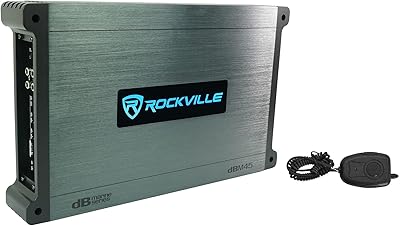
Rockville DBM45 4-Channel Marine Amplifier
71%
78%
Sound Quality
74%
Build Quality
71%
Waterproofing
69%
Power Delivery
57%
Thermal Management
More
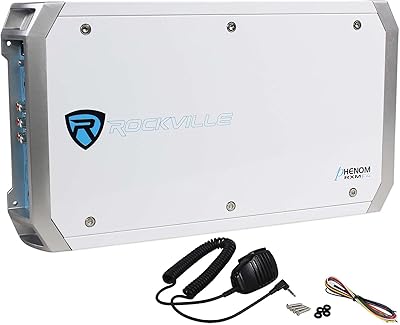
Rockville RXM-F4 2400W Marine 4-Channel Amplifier
87%
89%
Sound Performance
94%
Durability & Weather Resistance
84%
Ease of Installation
91%
Build Quality
92%
Power Output
More
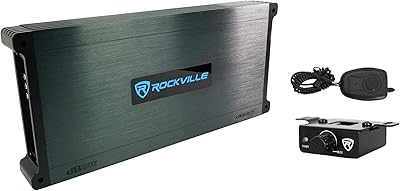
Rockville RXM-S20 4-Channel Marine Amplifier
72%
83%
Value for Money
88%
Installation Ease
71%
Sound Quality
62%
Power Accuracy
67%
Water Resistance
More
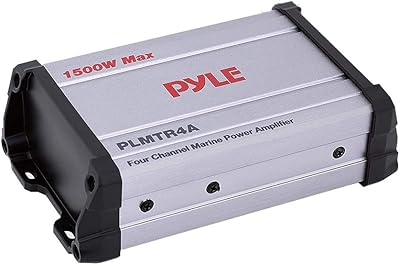
Pyle PLMTR4A 4-Channel Marine Amplifier
69%
78%
Value for Money
73%
Weatherproof Durability
41%
Power Accuracy
58%
Build Quality
86%
Installation Ease
More
Pyle PLMRMP4A 4-Channel Marine Amplifier
64%
61%
Value for Money
53%
Build Quality
67%
Waterproofing
58%
Power Output
79%
Ease of Installation
More
Rockville DBM65 6-Channel Marine Amplifier
73%
88%
Value for Money
83%
Power Output
71%
Waterproofing & Weather Resistance
91%
Channel Flexibility
67%
Build Quality
More
Rockville RHPA4 4-Channel Headphone Amplifier
80%
94%
Ease of Setup
88%
Value for Money
61%
Output Volume & Power
79%
Build Quality
91%
Channel Independence
More
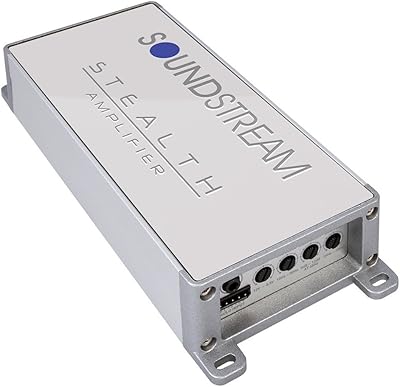
Soundstream SM4.1000D 4-Channel Marine Amplifier
71%
74%
Sound Quality
71%
Marine Durability
42%
Power Output Accuracy
88%
Ease of Installation
77%
Value for Money
More
Rockville RVF-2 4-Channel Car Amplifier
84%
88%
Audio Quality
91%
Power Output
85%
Build Quality
72%
Thermals (Heat Management)
80%
Installation Ease
More
Pyle PLMRA402 4-Channel Marine Amplifier
69%
83%
Value for Money
81%
Ease of Installation
67%
Sound Quality
49%
Power Accuracy
62%
Build Quality
More

FAQ

The 2400W figure is the peak rating, which reflects momentary maximum output under ideal conditions and is not what the amp sustains during normal listening. The number that actually matters for day-to-day use is the Dyno-Certified 600W RMS, which has been independently verified. When matching speakers, use the RMS figure to avoid underpowering or overpowering your setup.

Yes, the stainless steel housing and conformal-coated PCB are specifically chosen for resistance to salt air, moisture, and humidity. That said, no amp should be left fully submerged or directly in the path of constant water spray — protected mounting locations are always recommended. Real owners running this marine amp in saltwater environments have generally reported good longevity when the unit is sensibly positioned.

Bridging combines two channels into one, which effectively increases the power delivered to a single speaker or subwoofer. On most 4-channel amps like this one, you would bridge channels 1 and 2 together for a subwoofer, then use channels 3 and 4 for your front speakers. The owner manual covers the exact wiring configuration, and it is important to check that your subwoofer impedance is compatible with the bridged load rating before doing so.

It works perfectly well in a car — the marine-grade construction is simply a durability upgrade over standard car amplifiers, not a limitation. Many car audio buyers specifically choose this amp because the weather-resistant build adds longevity even in non-marine installs. The 14.4V operating voltage is the same as any standard 12V car electrical system.

Yes, standard 4-ohm car speakers are the most common pairing and work without any special configuration. When bridging channels for a subwoofer, make sure the sub is rated for the bridged impedance load the amp can handle at minimum — typically 4 ohms bridged. Always cross-reference the speaker RMS rating with the amp output to avoid mismatches.

The onboard crossovers let you decide which frequencies each channel amplifies. In high-pass mode, the channel only amplifies higher frequencies, which is ideal for tweeters or full-range speakers. Low-pass mode sends only bass frequencies through, which is what you want for a subwoofer channel. You adjust the crossover point manually using the controls on the amp itself, and the settings are straightforward once you understand what each mode does.

The digital voltage display shows the real-time supply voltage coming from your battery or charging system. It is useful for spotting a weak battery or an underperforming alternator before it causes audio problems or leaves you stranded. Owners have generally found the reading accurate enough for practical monitoring, though it is not a precision laboratory instrument.

Most buyers with basic wiring experience handle the install without professional help. The connections are clearly labeled, and the surface mount design means you are not dealing with complex integration work. If you have never wired an amplifier before, reviewing a beginner wiring guide beforehand will make the process much smoother — paying attention to fuse placement on the power wire is the most important safety step.

The stainless steel build and conformal PCB coating make it a reasonable choice for ATV use, where standard amps often fail quickly due to vibration fatigue and water ingress. Secure mounting is critical — the amp should be bolted firmly to reduce stress on internal solder joints over time. Riders who have used this 4-channel amplifier in off-road environments have generally reported solid performance, provided the unit is mounted sensibly and not exposed to direct prolonged water contact.

Rockville provides product support directly, and the amp carries standard manufacturer warranty coverage. Some buyers have reported varying experiences with the response process, so it is worth keeping your purchase receipt and noting the purchase date. If you encounter issues, contacting Rockville directly through their official channels and having your model number and proof of purchase ready will speed things up.

Where to Buy