Overview

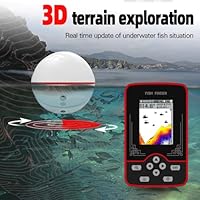
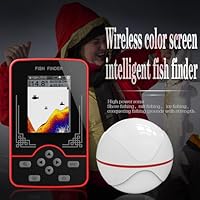
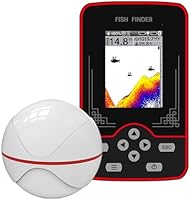
The RICANK RKF130 Wireless Fish Finder is built around a simple idea: split the sonar sensor from the display so you are not locked into mounting anything to a hull. You get a small handheld unit and a separate probe that talks to it wirelessly, which makes this wireless fish finder genuinely useful for kayaks, docks, or the edge of a riverbank. Before you even get to the water, there is a simulation mode that lets you poke around the menus and get a feel for the readout, so the learning curve does not eat into your first real outing. It is light enough to disappear into a tackle bag, and it is clearly aimed at casual anglers rather than tournament pros, with a price to match.
Features & Benefits

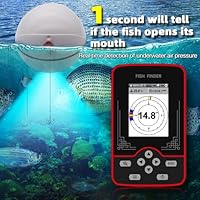
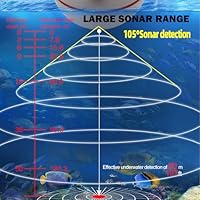
Once you get past setup, the RKF130 unit earns its keep through a handful of practical touches. The 2.6-inch color screen packs in depth, water temperature, and a rough read on fish size, all rendered clearly enough to glance at in bright daylight. Casting the probe out works better than expected, since the wireless range holds up well past where you would normally expect a bobber to drift, and the 105-degree cone on the sensor means you are not just reading a narrow column of water directly beneath it. A built-in light on the probe glows blue and green, partly to draw fish in and partly so you can spot it floating after dark. Both pieces charge over USB and shrug off splashes, which matters when gear spends its life getting wet.

Best For

This sonar setup makes the most sense for kayak anglers who want something they can toss in a hatch rather than wire into a hull, and it is equally at home on a dock or riverbank where casting the probe out adds real coverage. Ice fishing is another strong match, since a compact wireless screen is much easier to manage through a hole in the ice than a bulkier boat unit. It also works well as a low-pressure way for someone to get into fish finders for the first time, or as a gift for a relative who fishes casually on weekends. Where it falls short is serious offshore or deep trolling work, where anglers generally need sturdier, longer-range gear built for those conditions.

User Feedback

Buyers who have actually taken the RKF130 unit out on the water tend to agree on a few things. Setup gets consistent praise for being quick and intuitive, and more than a few reviewers mention running through the simulation mode at home before their first trip, which seems to flatten the learning curve considerably. On the downside, some users report that the wireless connection between probe and display can get spotty in certain water conditions, occasionally dropping the depth reading for a moment. The screen itself draws mixed reactions too, since it is noticeably smaller and lower-resolution than what you would find on pricier units, though most agree it is perfectly readable for casual use. Battery life on the probe is consistently called out as a strong point.

Pros

  • Quick to set up and intuitive enough for first-time fish finder users.
  • Simulation mode lets beginners learn the display before risking a real fishing trip.
  • Casting the probe out extends coverage well beyond what a hull-mounted sensor reaches.
  • Wide 105-degree sonar cone gives a fuller picture of what is below the surface.
  • Built-in attractor light doubles as a way to spot the probe after dark.
  • USB rechargeable host and probe skip the hassle of disposable batteries.
  • Compact and lightweight enough to toss in a tackle bag without a second thought.
  • Probe battery life consistently holds up well across a full day of fishing.
  • Water-resistant construction handles splashes from kayaks, docks, and shorelines without issue.
  • Affordable entry point for anyone curious about fish finders without a big investment.

Cons

  • Wireless connection between probe and display can get spotty in certain water conditions.
  • 2.6-inch screen feels small and basic next to pricier dedicated sonar units.
  • Detection depth tops out around 197 feet, too shallow for serious deep-water trolling.
  • Host is only splash-resistant, so it is not meant for full submersion.
  • Fish size readings are relative estimates rather than precise measurements.
  • Limited to one screen size option, with no larger display upgrade available.
  • Not designed for continuous offshore or commercial-grade fishing use.
  • Plastic build feels budget-oriented rather than rugged or heavy-duty.
  • Wireless range can shrink in choppy water or near other electronics.

Ratings

These scores for the RICANK RKF130 Wireless Fish Finder come from an AI-driven analysis of verified buyer reviews collected from anglers worldwide, with spam, bot activity, and incentivized feedback filtered out before scoring. Each category below reflects both the genuine strengths people praise and the recurring pain points they flag, so you can see exactly where this sonar setup excels and where it falls short.
Ease of Setup
89%
Most buyers describe getting this wireless fish finder running within minutes of opening the box, with the host and probe pairing automatically. For anglers who just want to grab gear and head to the lake on a Saturday morning, that quick startup removes a real barrier to entry.
A handful of first-time users needed a second look at the manual to understand which button cycles between modes. It is not difficult, but the lack of on-screen prompts means the learning curve, while short, is not entirely zero.
Display & Screen Quality
67%
33%
The 2.6-inch color LCD is bright enough to read depth and temperature at a glance, even with sunglasses on during midday trips. Icons for fish size are simple enough that new users pick them up within a single outing.
Compared to larger sonar displays anglers may have used on a boat, the screen feels noticeably small and the resolution is basic rather than crisp. Reading fine detail in low light or with tired eyes can take extra effort.
Wireless Signal Reliability
71%
29%
Within the rated range, most users report the wireless probe connection feels solid for typical kayak and shore fishing, holding depth readings steady cast after cast across an afternoon session. That consistency is what keeps casual anglers coming back to it trip after trip.
A recurring complaint involves brief signal dropouts in choppy water, near metal docks, or when other wireless devices are nearby. It is rarely a dealbreaker, but anglers fishing in crowded marinas should expect the occasional flicker in the depth reading.
Battery Life
86%
The probe routinely lasts a full eight-hour fishing day on one charge, and the host display comfortably covers a typical weekend outing without needing a midday top-up. USB charging also means a portable power bank works fine as backup.
Charge times are not instant, with the host needing roughly four hours to fully top off before a trip. Anglers who forget to charge the night before may find themselves starting the day with less than a full battery.
Detection Depth & Range
78%
22%
A 197 ft maximum detection depth covers the vast majority of lake, river, and kayak fishing scenarios anglers actually encounter day to day. For shore casters and kayakers, that range is more than enough to map nearby drop-offs and structure.
Anglers chasing deep structure in reservoirs or offshore basins will hit the ceiling of what this sensor can read fairly quickly. It simply was not engineered for the kind of extreme depths serious boat-based sonar units are built to handle.
Sonar Coverage
82%
18%
The 105-degree detection cone gives a noticeably wider underwater picture than narrower single-beam sensors, helping users spot fish and bottom contour without constantly repositioning the probe. Kayak anglers especially appreciate not having to guess where to cast it.
Because the cone widens with depth, readings in very shallow water can feel slightly less precise about exact fish position. It is a minor tradeoff most casual anglers will not notice, but precision-focused users may find it limiting.
Portability & Design
91%
Weighing about a pound and small enough to slip into a tackle bag pocket, this sonar setup travels easily between kayak trips, shore outings, and ice fishing without adding noticeable bulk. Packing for a spontaneous fishing trip becomes a lot simpler.
The compact size means there is little room for larger buttons or a more substantial grip, which some users with bigger hands find slightly fiddly to operate while wearing gloves. It is a minor tradeoff for the portability gained elsewhere.
Water Resistance & Durability
74%
26%
The IP67-rated probe shrugs off full dunking without issue, which matters since it spends most of its life underwater anyway. The P54-rated host handles splashes from waves or wet hands comfortably during normal kayak and shore use.
The host is only splash-resistant rather than fully waterproof, so accidentally dropping it into the lake is a real risk anglers need to manage. Long-term durability under heavy daily use also has not been tested over years of ownership.
Value for Money
84%
For its price tier, buyers consistently feel they get a genuinely functional sonar tool rather than a novelty gadget, especially compared to far pricier boat-mounted systems. It is frequently mentioned as a low-risk way to try fish finding technology for the first time.
Buyers expecting performance on par with premium, multi-hundred-dollar sonar units will be disappointed, since some compromises in screen quality and range come with the lower price. It is a budget tool, and treating it as anything more sets expectations too high.
Simulation Mode & Learning Curve
88%
The dedicated simulation mode lets new users practice reading depth, temperature, and fish icons at home before ever casting the probe, which several reviewers single out as genuinely useful rather than a gimmick. It shortens the on-water learning curve noticeably.
Simulation mode only goes so far in preparing users for real conditions like wind, current, or signal interference that affect live readings. A handful of buyers still felt a short adjustment period once they were actually fishing.
Probe Visibility & Attractor Light
79%
21%
The built-in blue and green light makes the probe easy to spot floating on the surface, especially during early morning or evening sessions when visibility drops. Several users also note it seems to draw curious fish toward the sensor.
The light's effect on actually attracting fish is anecdotal at best, and some buyers see it purely as a visibility aid rather than a real fishing advantage. It also adds a small amount of extra power drain on the probe.
Build Material Quality
63%
37%
The plastic housing keeps the overall weight low, which matters when the unit needs to survive being cast repeatedly into the water from a kayak or dock. Most users find it sturdy enough for casual, occasional use.
The plastic construction feels noticeably lighter and less rugged than metal-bodied sonar units, raising some concern about long-term wear from repeated drops or rough handling. Anglers who fish hard, frequent sessions may want to handle it with extra care.
Warranty & Support
72%
28%
A 1-year manufacturer warranty gives buyers a reasonable safety net for a device in this price range, covering the period when most manufacturing defects tend to surface. It adds a degree of confidence for anyone trying wireless fish finders for the first time.
Coverage is limited to a single year, shorter than some competing brands offer, and buyers have noted that support response times can vary. Anyone planning years of heavy seasonal use may want to factor in that shorter coverage window.

Suitable for:

The RICANK RKF130 Wireless Fish Finder is a smart pick for kayak anglers who want depth and fish data without bolting a transducer to their hull. It also suits ice fishermen, since the compact wireless display is far easier to manage through a hole than a bulky boat unit. Shore and dock fishermen benefit too, because casting the probe out extends coverage well past what a fixed sensor could reach from the bank. Beginners get real value from the simulation mode, which lets them learn the display and readings before ever touching real water. It is also a sensible gift for a casual angler or family member who fishes occasionally and does not need tournament-grade gear. Overall, anyone prioritizing portability and an approachable learning curve over raw performance will find a lot to like here.
Not suitable for:

Serious offshore anglers or anyone trolling in deep water should look elsewhere, since the RICANK RKF130 Wireless Fish Finder is not built for that kind of demanding, continuous use. Buyers expecting a large, high-resolution screen will find the 2.6-inch display modest next to dedicated boat units costing several times more. Anyone fishing in conditions where wireless interference is common, like crowded marinas or choppy water, may run into occasional dropouts between the probe and display. People who need rock-solid signal reliability for guided trips or competitive fishing should consider a wired or higher-end sonar system instead. Lastly, buyers wanting rugged, fully submersible gear may be cautious, since the host is only splash-resistant rather than fully waterproof.
Specifications

  • Display: The host features a 2.6-inch TFT color LCD screen that displays depth, water temperature, and relative fish size.
  • Operating Modes: Two selectable modes, transducer and simulation, let users either fish live or practice reading the display beforehand.
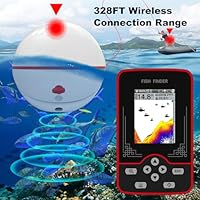
  • Wireless Range: The sonar probe connects to the handheld display wirelessly across a range of up to 328 ft (100m).
  • Detection Depth: Maximum measuring depth is rated at 197 ft (60m) below the probe.
  • Sonar Coverage: The transducer scans a 105-degree cone beneath the probe for a wider underwater read.
  • Probe Light: A built-in blue and green light on the probe helps attract fish and makes the unit easier to locate after dark.
  • Charging Method: Both the host display and the sonar probe recharge via USB rather than disposable batteries.
  • Host Battery Life: The host takes about 4 hours to fully charge and runs for roughly 6 hours of continuous use.
  • Probe Battery Life: The probe takes about 2 hours to charge and lasts approximately 8 hours per charge.
  • Water Resistance: The host carries a P54 splash-resistant rating, while the probe is rated IP67 for full waterproof protection.
  • Weight: The complete fish finder set weighs approximately 1 lb (0.45 kg).
  • Build Material: The housing is constructed primarily of plastic and comes in a red colorway.
  • Warranty: RICANK backs the RKF130 with a 1-year manufacturer warranty.
  • Model: This unit is sold under the model designation RKF130 by the brand RICANK.

Related Reviews
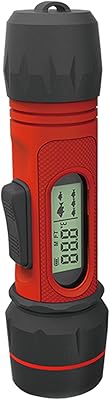
RICANK F12 Portable Fish Finder
72%
93%
Portability
91%
Ease of Setup
71%
Depth Accuracy
58%
Fish Detection Reliability
62%
Battery Performance
More
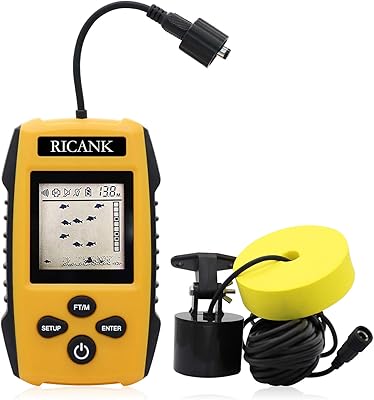
RICANK TL88EK Portable Fish Finder
70%
88%
Ease of Setup
67%
Sonar Accuracy
79%
Display Quality
63%
Battery Life
84%
Portability & Design
More
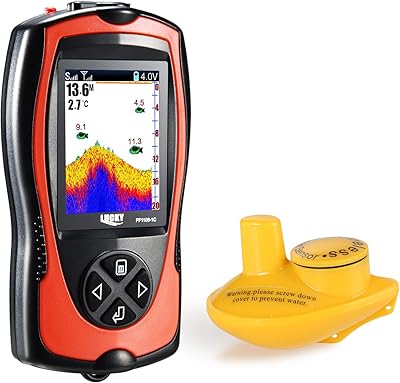
LUCKY FF-1108-1C Wireless Fish Finder
87%
85%
Performance
92%
Portability
89%
Ease of Use
88%
Display Clarity
77%
Sonar Range/Depth Detection
More
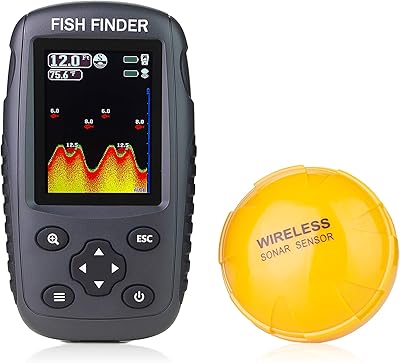
Lixada Wired Fishing Finder Sonar Sensor
70%
88%
Ease of Setup
76%
Display Clarity
63%
Depth Detection Accuracy
72%
Bottom & Structure Detection
58%
Audible Fish Alarm
More
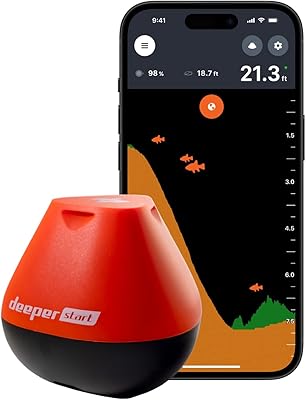
Deeper START Castable Fish Finder
75%
88%
Ease of Setup
93%
Portability & Form Factor
67%
App Experience
71%
Sonar Accuracy & Fish Detection
76%
Battery Life
More
Venterior VT-FF005 Portable Castable Fish Finder
80%
91%
Ease of Setup
78%
Sonar Accuracy
84%
Display Readability
77%
Wireless Range & Connectivity
73%
Battery Life
More
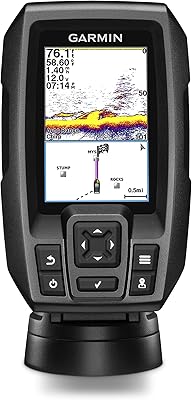
Garmin Striker 4cv 3.5-inch Fish Finder
79%
88%
Sonar Image Quality
91%
Value for Money
87%
Ease of Installation
93%
Ice Fishing Performance
61%
Screen Visibility
More
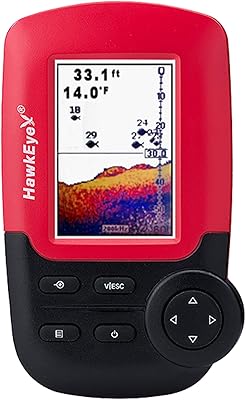
HawkEye Fishtrax 1C Fish Finder
83%
91%
Portability
87%
Sonar Accuracy
89%
Ease of Use
72%
Screen Size
68%
Battery Life
More
Venterior VT-FF001 Portable Fish Finder
76%
93%
Ease of Setup
91%
Portability
62%
Sonar Accuracy
67%
Display Readability
58%
Battery Life
More
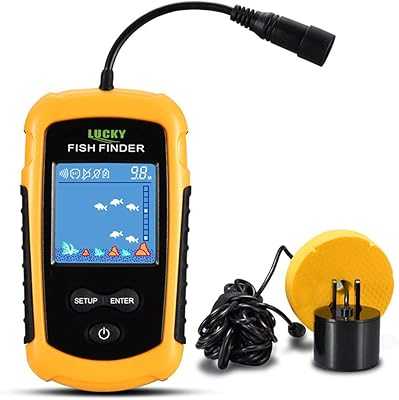
LUCKY Y2020-CLA Wireless Handheld Fish Finder
77%
72%
Sonar Accuracy
61%
Wireless Range
83%
Battery Life
58%
Display Quality
87%
Portability
More

FAQ

The sonar probe sends depth, temperature, and fish data to the handheld screen over a radio signal rather than a cable, with a rated range of up to 328 ft (100m). In open water that range usually holds up well, though it can shrink near other electronics or in choppy conditions.

Yes, this is actually one of the main use cases this sonar setup was designed for. Since the probe is untethered, you can simply toss it out from a kayak without mounting any hardware to the hull.

Yes, there is a dedicated simulation mode built specifically for that. It lets you click through screens, depth readings, and fish icons at home so the actual interface feels familiar once you are on the water.

The probe is rated to read depths of up to 197 ft (60m). That is plenty for most kayak, shore, and lake fishing, though it is not intended for deep offshore work.

The probe itself is rated IP67, so brief submersion is fine. The handheld display is only rated P54 for splash resistance, so you will want to avoid dunking that part fully.

The probe typically runs about 8 hours on a full charge, and the host display lasts around 6 hours, which covers most single-day trips. Both recharge over USB, so a power bank works fine if you need a midday top-up.

Yes, the compact wireless design actually makes it a nice fit for ice fishing, since you can drop the probe through a hole without dealing with a bulky boat-style unit.

Treat the fish size indicator as a relative guide rather than an exact measurement. It is useful for telling small bites from larger targets, but it will not give you a precise length.

The 2.6-inch color display is on the smaller side compared to dedicated boat sonar units, but most users find it perfectly readable for checking depth and fish activity at a glance.

Most buyers find the initial setup quick and intuitive, often just powering on the host and probe and pairing them within a few minutes. Running through simulation mode first is a good way to get comfortable with the menus before your first real outing.