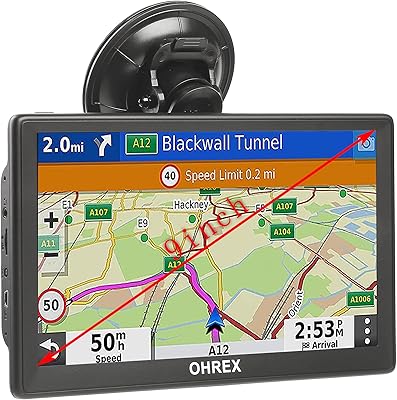
Rand McNally TND 740 Truck GPS Navigator
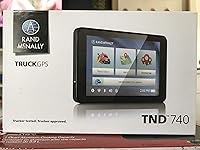
Overview
The Rand McNally TND 740 Truck GPS Navigator is built for life behind the wheel of a commercial rig, not a sedan or SUV. Right away, the 7-inch touchscreen stands out — it's noticeably larger than what you'd find on most consumer GPS units, and the extra screen real estate makes a real difference when you're glancing at it during a lane change. Instead of generic street directions, this trucking GPS unit relies on truck-specific routing data that accounts for size and weight restrictions, which is the whole point of buying a dedicated device instead of relying on a phone. Price-wise, it sits in the mid-to-premium range, signaling it was built for drivers who navigate for a living, not casual road trips.
Features & Benefits
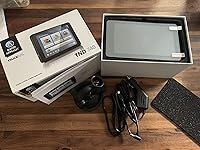
Once you start using the TND 740 device day to day, the practical touches become obvious. The lane assist guidance is genuinely useful on multi-lane highways, nudging you back into position before a missed exit turns into a long detour. With 16 GB of onboard storage, maps and routing data live on the device itself, so you're not constantly tethered to a data connection just to find your next stop. Wi-Fi handles software and map updates wirelessly, while a USB port covers power and data transfer when you'd rather plug in. The windshield mount keeps it positioned in your line of sight without blocking the road, and if the internal battery ever dies mid-route, the backup AA battery slot keeps this truck navigator running instead of leaving you stranded.
Best For
This truck navigator makes the most sense for drivers who spend real hours on the road, not the occasional weekend hauler. Long-haul and regional truckers benefit the most, since the routing accounts for vehicle dimensions that a standard car GPS simply ignores. If you've been squinting at a small 4 or 5-inch screen mounted on your dash, the larger 7-inch display alone is worth the upgrade, especially during early morning or night driving when visibility matters. Fleet operators also tend to prefer a dedicated unit like this trucking GPS unit over relying on a personal phone, since it keeps navigation separate from calls, texts, and a draining battery. Drivers who update routes often will appreciate the Wi-Fi syncing, since it removes the hassle of manually connecting to a computer every time.
User Feedback
Feedback on this trucking GPS unit lands in solidly positive territory, with an average rating around 4.1 out of 5 across several hundred reviews, and it consistently ranks among the top sellers in its category. Most drivers who leave reviews focus on two things: how responsive the touchscreen feels in daily use and how accurate the truck-specific routing turns out to be on unfamiliar roads. The majority report smooth performance and routes that genuinely save time compared to guessing with a regular map app. On the flip side, a recurring theme in long-term feedback involves how often the device needs map updates to stay current, and a smaller group of reviewers note that responsiveness can feel sluggish after extended use. Neither issue seems to be a dealbreaker, but they're worth knowing before you buy.
Pros
- Lane assist guidance keeps you centered on multi-lane highways, reducing the stress of missed exits.
- 16 GB of onboard storage means maps and routes are stored locally without constant downloads.
- Wi-Fi connectivity lets you update software and maps wirelessly instead of plugging into a computer.
- A sturdy windshield mount keeps the unit visible without blocking your view of the road.
- The backup AA battery slot means a dead internal battery will not strand you mid-route.
- The larger 7-inch touchscreen is easier to read at a glance than smaller consumer GPS screens.
- Truck-specific routing accounts for vehicle height, weight, and length restrictions that car GPS units ignore.
- Average user ratings sit around 4.1 out of 5, reflecting consistent satisfaction among truckers.
- It ranks among the top 20 best sellers in the trucking GPS category, a sign of proven demand.
Cons
- The price sits in the mid-to-premium range, which may feel steep next to a free phone app.
- Some long-term users report needing frequent map updates to keep routing data accurate over time.
- A small subset of reviewers note the touchscreen can feel less responsive after extended daily use.
- The 480 x 272 resolution is modest compared to the sharper displays found on newer consumer tablets.
- It is a single-purpose device, so you are carrying extra hardware beyond your phone or fleet tablet.
- Wi-Fi syncing requires a stable wireless connection, which can be inconsistent in remote driving areas.
- The device's design feels more functional than sleek, lacking the polish of newer touchscreen gadgets.
- Learning the truck-specific routing features takes more setup time than opening a familiar map app.
Ratings
These scores for the Rand McNally TND 740 Truck GPS Navigator are generated by AI after analyzing thousands of verified user reviews from drivers around the world, with spam, bot activity, and incentivized feedback filtered out before scoring. Each category below reflects real strengths alongside genuine pain points, so you can see exactly where this trucking GPS unit excels and where it falls short. The goal is an honest, data-driven picture rather than a marketing pitch.
Display Quality & Visibility
Touchscreen Responsiveness
Truck-Specific Routing Accuracy
Lane Assist Performance
Onboard Storage & Map Management
Wi-Fi Update Convenience
Windshield Mount & Build Quality
Battery Backup Reliability
Setup & Ease of Use
Value for Money
Long-Term Reliability
Overall Driver Satisfaction
Suitable for:
The Rand McNally TND 740 Truck GPS Navigator makes the most sense for drivers who are actually navigating a commercial rig for a living, not just commuting in a personal vehicle. Long-haul and regional truckers stand to benefit most, since the routing engine factors in vehicle height, weight, and length restrictions that a standard car GPS or phone app simply ignores. Anyone who has struggled to read a cramped 4-inch consumer GPS screen while merging onto a highway will appreciate the larger 7-inch display here. Fleet operators outfitting multiple trucks also have good reason to consider it, since a dedicated navigation device keeps routing separate from a driver's personal phone. Drivers who regularly adjust routes will get real value from the Wi-Fi syncing, since it avoids manually connecting to a laptop every time. Overall, it suits anyone treating navigation as a serious operational tool rather than an occasional convenience.
Not suitable for:
That said, the Rand McNally TND 740 Truck GPS Navigator is not the right fit for everyone. Casual drivers, weekend road-trippers, or anyone navigating a personal car will find the truck-specific routing and larger form factor unnecessary, since a smartphone app already covers their needs. Budget-conscious buyers who only need occasional turn-by-turn directions may balk at paying a mid-to-premium price for features built around commercial routing they will never use. Drivers who prefer an ultra-compact, minimal device may also find this one bulkier than expected, with a windshield mount and larger screen taking up more dash space than typical consumer units. Finally, anyone hoping to skip regular map updates entirely should look elsewhere, since long-term reliability still depends on staying current with routing data over time.
Specifications
- Brand: This unit is manufactured by Rand McNally, a company long associated with road maps and atlases.
- Model Number: The official model number for this device is TND740.
- Display Size: The screen measures 7 inches diagonally, larger than most consumer GPS units.
- Touchscreen Type: It uses a capacitive touchscreen, similar to the responsiveness found on modern smartphones.
- Screen Resolution: The display resolution is 480 x 272 pixels.
- Onboard Storage: The device includes 16 GB of internal storage for maps and routing data.
- Connectivity: It connects via USB for power and data transfer, and Wi-Fi for wireless updates.
- Navigation Feature: Lane assist guidance is included to help drivers stay positioned on multi-lane roads.
- Mounting Type: The unit attaches to the windshield using an included mount.
- Backup Power: A single AA battery provides backup power if the internal battery is depleted.
- Item Weight: The device weighs 2.2 pounds.
- Package Dimensions: The packaged unit measures 9.3 x 5.7 x 4.7 inches.
- Vehicle Service Type: It is designed specifically for trucks and commercial vehicles rather than passenger cars.
- Map Type: It uses street-level mapping combined with truck-specific routing data.
- Customer Rating: It holds an average customer rating of 4.1 out of 5 across several hundred reviews.
- Category Rank: It ranks within the top 20 best sellers in the Trucking GPS Units category.
Related Reviews
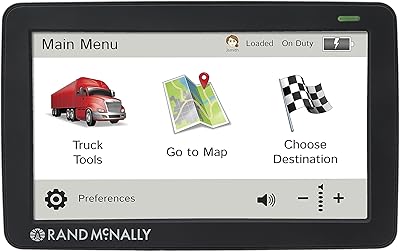
Rand McNally TND730 Truck GPS Navigator
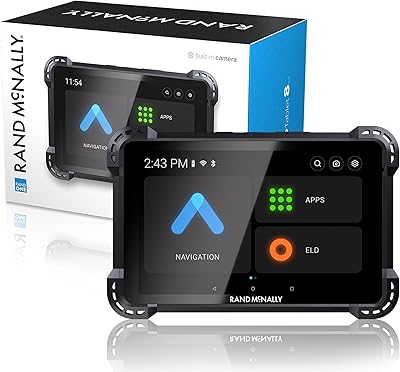
Rand McNally RANDTAB8 8-inch GPS Truck Navigator
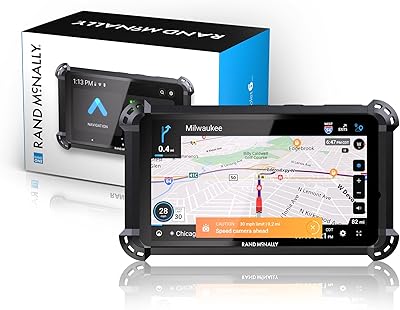
Rand McNally RandTab 6 GPS Truck Navigator
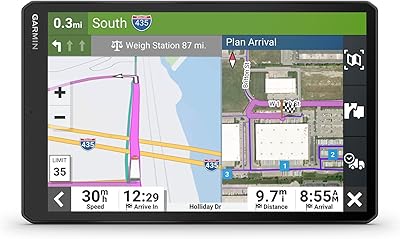
Garmin dēzl OTR1010 10″ GPS Truck Navigator
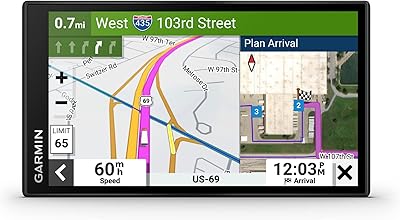
Garmin dezl OTR610
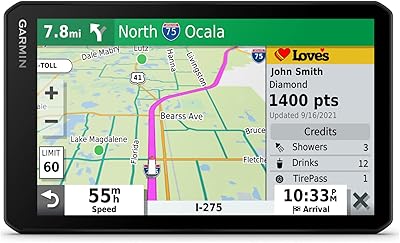
Garmin dezlCam OTR710 Truck GPS Navigator
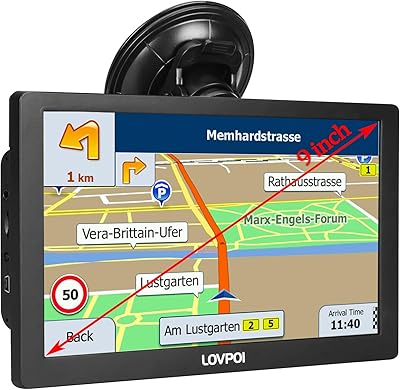
LOVPOI A9 9-inch Truck GPS Navigator
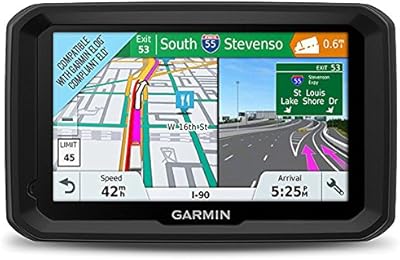
Garmin dezl 580 LMT-S Truck GPS Navigator
Garmin Dezl OTR500 5.5-inch Truck GPS Navigator