Overview

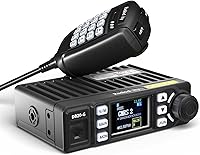
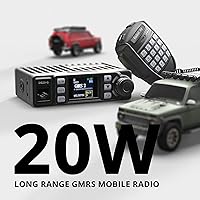
The Radioddity DB20-G GMRS Mobile Radio enters a crowded space with a genuinely practical pitch: plug it into your cigarette lighter, mount the bracket, and you are communicating across a convoy without touching a single wire under your dash. That plug-and-play setup is a real differentiator at this price tier — most comparable units demand a hardwired install. Before you buy, though, know that GMRS operation legally requires an FCC license (currently $35 for a 10-year family license). On range, the advertised 20 miles is an open-air theoretical figure; expect closer to 5–8 miles in forested or mountainous terrain, which is still solid for overlanding use.
Features & Benefits

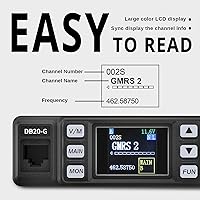
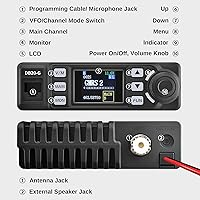
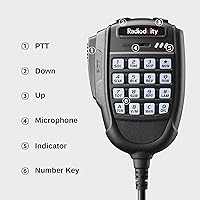
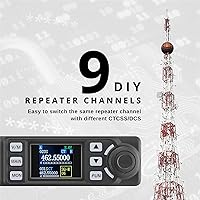
At 20W output, the DB20-G punches noticeably harder than the handheld GMRS radios most overlanders already carry, and the 9 repeater channels mean you can tap into local GMRS repeater networks to push range further when terrain works against you. The handset microphone deserves attention beyond its spec sheet — having volume, channel, and squelch controls built into the mic itself means you are not fumbling with a separate head unit while navigating a trail. The display sync simultaneously shows channel name, frequency, and number, which sounds minor until you are switching channels mid-convoy. UHF, VHF, and NOAA scanning are receive-only, worth clarifying for buyers expecting full two-way flexibility on those bands.

Best For

This GMRS mobile radio is built for groups — overlanding convoys, family camping trips, trail riding crews. If your lead vehicle needs more transmit power than a handheld can deliver, or you are coordinating across multiple cars and want one unit driving the communication, this fits well. The cigarette lighter setup makes it especially practical for people who drive different rigs or do not want a permanent install; renters and lease drivers will appreciate it. Anyone in an area with active GMRS repeater networks gets added value here. Where it falls short is for buyers expecting ham radio capability or full programmable two-way UHF/VHF operation — that is simply not what this radio is built to do.

User Feedback

With a 4.6 out of 5 rating across over 600 reviews, satisfaction with the vehicle-mounted radio runs high, and the consistent themes are easy setup, clear audio quality, and solid compatibility with other GMRS brands. The display sync feature tends to get positive mentions from users who rely on it daily, confirming it holds up as more than a spec-sheet checkbox. On the critical side, the programming software has a notable learning curve, and several reviewers note that real-world range in heavy tree cover or canyon terrain falls well short of the advertised maximum. A handful of buyers have flagged the cigarette lighter adapter connection loosening over time — worth keeping in mind for extended, rugged use.

Pros

  • Plug-and-play cigarette lighter setup means you are on-air in minutes with zero permanent wiring.
  • 20W output delivers noticeably stronger transmission than standard 5W GMRS handhelds.
  • Cross-brand GMRS compatibility works reliably with Midland, Cobra, and other popular handheld radios.
  • The multi-mode color display shows channel name, frequency, and number at a glance — genuinely useful while driving.
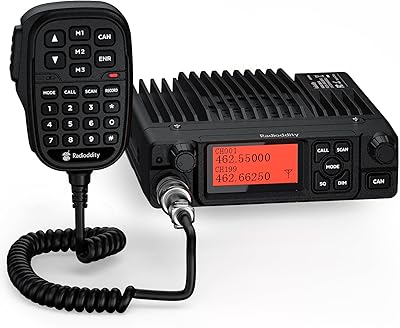
  • All controls built into the handset microphone keep adjustments one-handed and eyes-forward on the trail.
  • Nine programmable repeater channels can dramatically extend range in areas with active GMRS repeater networks.
  • NOAA weather scanning adds real utility for campers and trail users in severe weather regions.
  • The DB20-G ships with everything needed for immediate use, including a mount bracket, speaker mic, and programming cable.
  • 1075 privacy codes keep your channel clear of interference at busy events or popular trail systems.
  • An 18-month warranty backed by lifetime support gives reasonable long-term peace of mind at this price tier.

Cons

  • Advertised 20-mile range is an open-air theoretical figure; expect 3–6 miles in forested or mountainous terrain.
  • UHF and VHF bands are receive-only — no two-way transmission outside GMRS frequencies.
  • Programming software has a steep learning curve and driver compatibility issues on modern operating systems.
  • The cigarette lighter adapter plug can loosen over time, especially with worn 12V sockets in older vehicles.
  • GMRS operation legally requires an FCC license — a separate cost buyers must account for before operating.
  • VOX sensitivity requires careful calibration per vehicle; wrong settings cause false triggers from road noise.
  • Microphone cable connection at the handset has been flagged by some users as a durability weak point over extended use.
  • Repeater channel functionality is only useful in regions with active GMRS repeater infrastructure, which many remote areas lack.
  • Screen brightness can be insufficient in direct sunlight, reducing display legibility during outdoor daytime use.
  • Menu navigation for advanced settings is not intuitive and can frustrate buyers expecting a simpler out-of-box experience.

Ratings

The scores below are generated by AI after analyzing hundreds of verified buyer reviews for the Radioddity DB20-G GMRS Mobile Radio worldwide, with spam, bot activity, and incentivized feedback actively filtered out. Every category reflects what real users reported from actual trail runs, camping trips, and cross-country convoys — not manufacturer claims. Both the strengths that keep buyers recommending this radio and the friction points that generate complaints are represented transparently.
Ease of Installation
93%
The cigarette lighter plug setup is the single most praised aspect across reviews. Buyers consistently report being on-air within minutes of opening the box, with no wiring, no drilling, and no professional install needed — a genuine advantage for those who swap vehicles or rent rigs for trips.
A minority of users found the mount bracket positioning awkward in certain cab configurations, and the power cable length can feel limiting in larger trucks where the nearest 12V outlet sits far from an ideal dash placement.
Audio Clarity
88%
Transmitted and received audio quality earns consistent praise, particularly in open highway and trail environments. Convoy users report voices coming through clean and intelligible even at moderate speeds with windows down, which is exactly the scenario this radio is built for.
At maximum volume levels, some users note a slight harshness in the speaker output. A handful of reviewers also mentioned that wind noise picked up through the microphone becomes noticeable during open-window driving at higher speeds.
Transmit Range
71%
29%
In genuinely open terrain — flat desert, open highways, and wide valley floors — the DB20-G delivers strong, reliable range that impresses buyers upgrading from handheld GMRS units. The 20W output is meaningfully more powerful than a typical 5W handheld, and users in open environments notice the difference immediately.
Advertised 20-mile range is an unrealistic benchmark for most real-world use. Buyers in forested areas, canyons, or mountainous terrain frequently report reliable communication dropping to 3–6 miles, which does not match expectations set by the product listing and leads to the most common disappointment in reviews.
Repeater Access
82%
18%
The 9 programmable repeater channels are a meaningful feature for users in areas with active GMRS repeater infrastructure. Buyers who took the time to program local repeaters report dramatic effective range improvements, making this radio far more capable than its standalone range suggests in well-networked regions.
Repeater functionality requires local infrastructure that simply does not exist in many rural or remote areas — precisely where overlanders often travel. New users also frequently underestimate the setup complexity involved in programming repeater channels with the correct CTCSS/DCS tones.
Display & Interface
84%
The three-mode color LCD that simultaneously shows channel name, frequency, and number gets specific, repeated praise from users who have lived with single-line displays. Drivers particularly appreciate being able to confirm their active channel at a glance without taking focus off the trail.
Screen visibility in direct sunlight receives mixed feedback, with some users finding brightness insufficient in harsh midday conditions. The menu navigation for adjusting settings beyond basic channel switching has a noticeable learning curve that catches some buyers off guard.
Handset Microphone Usability
79%
21%
Having channel, volume, and squelch controls built into the handset itself is genuinely useful on the move. Users running solo in a vehicle particularly appreciate not needing to reach for a separate head unit while navigating terrain — the design holds up as a practical day-to-day advantage rather than a marketing point.
Several reviewers raised concerns about long-term microphone durability, with the cable connection point at the handset mentioned as a potential weak spot after extended use. The PTT button feel is described as adequate but not particularly confidence-inspiring compared to higher-end units.
Programming Software
58%
42%
Once configured, the programming cable and software allow full customization of channel names, tones, and repeater settings — functionality that more experienced GMRS users genuinely appreciate and consider worth the effort for a tailored setup.
This is one of the clearest pain points in the review pool. New users frequently struggle with the software interface, driver compatibility on modern operating systems, and the overall process of getting custom channels programmed correctly. The learning curve is steep relative to what buyers expect at this price level.
Build Quality
77%
23%
For a mid-range vehicle radio, the physical construction earns generally positive marks. The main unit feels solid, the water-resistant rating gives outdoor users reasonable confidence, and the overall fit and finish comes across as thoughtfully assembled relative to competing products at a similar price.
The cigarette lighter adapter plug has received specific criticism for loosening over time, particularly on vehicles with worn or shallow 12V sockets. A few users also noted that the microphone housing feels slightly plasticky compared to the more robust main unit.
GMRS Channel Coverage
86%
The full 30-channel standard GMRS coverage, including both the lower-power channels 1–7 and the higher-power channels 15–30, means compatibility with essentially any GMRS radio on the market. Cross-brand communication with Midland, Cobra, and other GMRS handhelds works reliably, which matters for group trips with mixed equipment.
Channels 8–14 are receive-only per FCC regulations, which is standard across all GMRS radios — but buyers occasionally misread the channel layout and are confused by it. The listing could set these expectations more clearly upfront.
UHF/VHF/NOAA Scanning
66%
34%
The ability to scan and receive across UHF, VHF, and all seven NOAA weather channels adds real utility for outdoor users who want weather alerts or basic monitoring capability beyond their GMRS operation. Campers and trail users in severe weather zones find the NOAA access particularly valuable.
UHF and VHF reception is strictly one-way — receive only — which catches a meaningful number of buyers off guard who assumed broader two-way capability. This limitation is technically disclosed but not prominently communicated, and it generates visible frustration in reviews from buyers who expected more.
Privacy Code Effectiveness
81%
19%
With 1075 CTCSS/DCS privacy codes available, the DB20-G handles channel congestion well in busy environments like large off-road events, campgrounds, or popular trail systems. Buyers who have used it at organized overlanding events specifically call out the interference management as effective.
Privacy codes reduce interference but do not provide actual encryption — a point some buyers misunderstand. Users on very crowded channels at major events still occasionally report bleed-through from other users operating with the same code combination.
VOX Performance
72%
28%
Nine adjustable VOX sensitivity levels give users meaningful control over hands-free activation, and at the right sensitivity setting for a given environment, voice activation works reliably enough for casual convoy use without constant PTT button presses.
Dial in the wrong VOX sensitivity level and either road noise triggers false transmissions or you end up clipping the start of every sentence waiting for activation. Getting the setting right for a specific vehicle and driving environment takes experimentation that some users find frustrating.
Value for Money
83%
At its price point, the DB20-G delivers a genuinely competitive package — 20W output, repeater access, a multi-mode color display, and a no-wire install in one kit. Buyers upgrading from entry-level GMRS handhelds consistently describe it as a worthwhile step up that did not require a major budget commitment.
For buyers who discover post-purchase that the GMRS license is a separate $35 recurring cost, or who need to factor in a programming cable for full customization, the total cost of ownership creeps higher than the sticker price initially suggests.
Warranty & Support
78%
22%
The 18-month warranty paired with a lifetime support commitment from Radioddity is above average for this product category. Buyers who have contacted support report generally positive experiences, with the company responsive to hardware issues within the warranty window.
Lifetime support is a broad promise that buyers reasonably interpret differently than manufacturers intend. Some users have noted that support response times slow considerably for issues that fall outside the warranty period, and firmware-level assistance can be inconsistent.

Suitable for:

The Radioddity DB20-G GMRS Mobile Radio is built for people who spend real time outdoors in groups and need dependable vehicle-to-vehicle communication without the commitment of a permanent install. Overlanding crews and off-road convoys are the obvious sweet spot — having a 20W radio in the lead vehicle coordinating with GMRS handhelds in trailing trucks is exactly the scenario this radio handles well. Families on multi-vehicle road trips or camping runs will find it equally useful, especially if they already own compatible GMRS handhelds and just need a more powerful anchor unit. The cigarette lighter power setup makes it a practical choice for anyone who rotates between vehicles, uses a rental for a trip, or simply does not want to modify their rig. Buyers in regions with established GMRS repeater networks get an added layer of value, since the nine programmable repeater channels can extend effective communication range well beyond what the radio achieves standalone.
Not suitable for:

The Radioddity DB20-G GMRS Mobile Radio is not the right tool for buyers expecting amateur radio functionality, full two-way UHF/VHF operation, or the kind of deep programmability that licensed ham radio operators need — this is a dedicated GMRS device, and it stays firmly in that lane. The UHF and VHF band coverage is receive-only, which is a meaningful limitation for anyone who assumed broader transmission capability from the channel count. Solo travelers who do not regularly communicate with other vehicles will find little practical use for the feature set here, since the radio's strengths only surface in group contexts. Buyers who operate primarily in dense forest, deep canyons, or mountainous terrain without repeater access should also temper expectations significantly — real-world range in those environments can fall well short of what the listing implies. And anyone unwilling to obtain an FCC GMRS license before operating should know upfront that legal use of this radio requires one; it is a separate cost and step that catches many buyers off guard after purchase.
Specifications

  • Max Power Output: Transmits at up to 20W on GMRS channels 15–30, with channels 1–7 capped at 5W per FCC regulations.
  • Channel Capacity: Stores 500 total channels, including 30 standard GMRS channels, 9 programmable repeater channels, 454 receive-only UHF/VHF channels, and 7 NOAA weather channels.
  • Frequency Range: Transmits and receives on GMRS frequencies; receives only on VHF (136–174 MHz), UHF (400–490 MHz), and all 7 NOAA weather broadcast frequencies.
  • Privacy Codes: Supports 1075 privacy codes via CTCSS and DCS tone squelch systems to reduce interference on shared channels.
  • Display: Color LCD screen with three selectable display modes showing channel name, frequency, and channel number simultaneously.
  • Power Input: Operates on DC 13.8V with a 15% tolerance, powered via a standard cigarette lighter plug — no hardwiring required.
  • Squelch Modes: Supports six squelch modes: Carrier, CTCSS, DCS, 5Tone, 2Tone, and DTMF for flexible signal filtering.
  • VOX: Voice-operated transmission (VOX) with 9 adjustable sensitivity levels for hands-free operation.
  • Channel Spacing: Selectable channel spacing of either 12.5 kHz or 25 kHz to match local channel plan requirements.
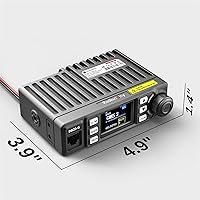
  • Dimensions: Main radio unit measures 4.5″ deep by 5″ wide by 2″ tall, designed for compact in-vehicle mounting.
  • Weight: Radio unit weighs 15.8 ounces (approximately 0.45 kg), making it lightweight for a 20W mobile unit.
  • Operating Temperature: Rated for operation between -20°C and +60°C, covering typical outdoor and vehicle environments across seasons.
  • Water Resistance: The unit carries a water-resistant rating suitable for outdoor and trail use, though it is not fully waterproof or submersible.
  • Frequency Stability: Maintains frequency accuracy within ±2.5 ppm for stable, reliable channel lock during operation.
  • Warranty: Backed by an 18-month manufacturer warranty with lifetime customer support from Radioddity.
  • In-Box Contents: Package includes the radio unit, speaker microphone, programming cable, 12V car charger, microphone holder, mount bracket, user manual, and assembly hardware.

Related Reviews

Radioddity DB40-G GMRS Mobile Radio
73%
78%
Transmit Power & Range
84%
Audio Clarity
81%
Repeater Capability
62%
Channel Flexibility & Programming
76%
Build Quality & Durability
More
Retevis RA86 GMRS Mobile Radio
85%
88%
Performance
91%
Audio Clarity
85%
Ease of Use
93%
NOAA Weather Alerts
65%
Installation Complexity
More
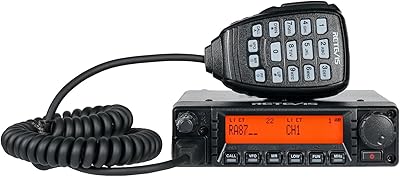
Retevis RA87 GMRS Mobile Radio
78%
88%
Transmit Power
84%
Repeater Channel Support
86%
Audio Clarity
83%
Ease of Installation
81%
CHIRP Compatibility
More
Radioddity GM-30 GMRS Handheld Two-Way Radio
81%
91%
Value for Money
88%
Audio Clarity
67%
Range Performance
74%
Ease of Use
83%
Build Quality
More
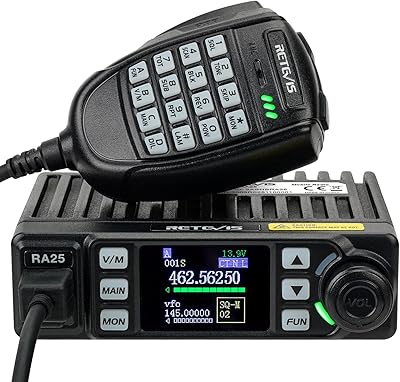
Retevis RA25 GMRS Mobile Radio
82%
91%
Audio Clarity
89%
Transmission Range
87%
Channel Versatility
84%
Ease of Installation
79%
Build Quality
More
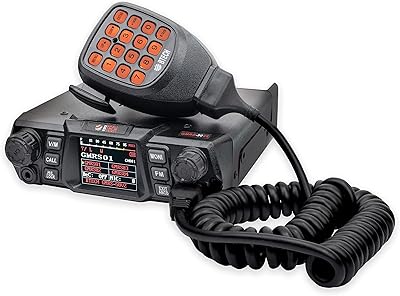
BTECH GMRS-50V2 50W Mobile GMRS Radio
80%
91%
Transmit Power & Signal Consistency
88%
Channel Customization & Flexibility
57%
Programming Software & Setup Experience
86%
Audio Clarity & Receiver Quality
89%
Repeater Compatibility
More
Radioddity DB50 Dual Band Mobile Radio Transceiver
79%
88%
Transmit Power & Range
91%
Receiver Coverage
86%
Audio Clarity
84%
Channel Management
89%
Chirp Compatibility
More
Radioddity CB-500 CB Radio Mobile Transceiver
79%
88%
Audio Clarity
86%
Noise Reduction Performance
67%
Transmission Range
83%
Ease of Installation
63%
Menu Navigation & Usability
More
Radioddity GM-30 Plus GMRS Handheld Radio
84%
88%
Range
91%
Battery Life
84%
Ease of Use
89%
Durability
75%
GPS Accuracy
More
Radioddity DB25 Pro Dual Band Mini Mobile Radio
88%
91%
Value for Money
87%
Signal Reception
89%
Ease of Use
92%
Display Quality
84%
Durability
More

FAQ

Yes, and this is one of the most important things to sort out before you start transmitting. GMRS operation in the United States requires an FCC license, which currently costs $35 and covers your entire household for 10 years. It is a straightforward online application, but you do need it — operating without one is technically illegal and worth addressing before your first trip.

Almost certainly yes. The DB20-G covers all 30 standard GMRS channels and is compatible with handheld radios from Midland, Cobra, Motorola, and other major GMRS brands. Just make sure everyone is on the same channel and using the same privacy code, and communication should be straightforward right out of the box.

Twenty miles is a line-of-sight, open-terrain theoretical figure — think flat desert or open highway with no obstructions. In the environments most buyers actually use this radio, like forested trails, mountain passes, or canyon roads, expect reliable communication in the 3 to 8 mile range. That is still meaningfully better than a standard handheld, but set your expectations based on your terrain, not the marketing figure.

Receive only. The UHF and VHF bands on this radio are scanning and monitoring bands — you can listen to traffic on those frequencies, but you cannot transmit on them. All two-way transmission is limited to the GMRS frequency band. This is worth knowing upfront if you were hoping for broader two-way capability.

Installation is genuinely simple — this is one of the DB20-G's real strengths. You plug the power cable into a standard 12V cigarette lighter socket, mount the bracket, clip the handset holder in a convenient spot, and you are ready. No wiring into the fuse box, no drilling, no professional install. Most buyers are fully set up in under 15 minutes.

The Radioddity DB20-G GMRS Mobile Radio comes with nine empty repeater channels that you can program with local GMRS repeater frequencies and CTCSS/DCS tones. You will need to use the included programming cable and Radioddity's software to do this, and that software has a noticeable learning curve — especially if you are new to radio programming. Finding your local repeater details requires a quick search on a GMRS repeater directory, but once everything is set up, the extended range benefit is real and worth the effort.
That is actually one of the best use cases for this radio. Because it runs entirely off the cigarette lighter plug with no permanent wiring, you can move it between vehicles in minutes. It is a practical setup for anyone who does not want to modify their rig, drives different trucks for different trips, or needs a temporary install in a rental.

For most users, yes — having volume, channel, and squelch controls built into the handset means you rarely need to interact with the head unit while moving. You can adjust settings with the mic in one hand without looking away from the trail or road. It is a practical design choice that real users mention positively, particularly on longer convoy runs.

A handful of buyers have flagged this, particularly on vehicles with older or shallower 12V sockets that do not grip the plug firmly. It is not a widespread issue, but if your truck has a loose socket, it is worth either addressing the socket or considering a hardwired power connection using the appropriate adapter for more reliable long-term use.

Honestly, it is built for group use — convoys, trail crews, family caravans. If you are traveling solo with no one to communicate with, most of what this radio offers goes unused. Where it shines is when there are at least two vehicles coordinating, especially in remote areas where cell service is unreliable. For solo travelers, a simpler setup would likely serve better.

Where to Buy