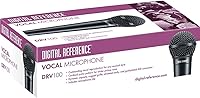
Digital Reference DRV100 Dynamic Cardioid Handheld Microphone
Overview
The Digital Reference DRV100 Dynamic Cardioid Handheld Microphone is a wired XLR mic that has quietly held its place in the entry-level market since 2010 — a long run that says something about its staying power. Built with a metal body and a cardioid polar pattern, it punches above its weight class in terms of feel and durability for the price tier. That said, buyers should walk in with clear expectations: this is a mic for vocalists and speakers just getting started, not a tool for critical studio tracking. It handles live performances and basic recordings competently, nothing more.
Features & Benefits
Plug the DRV100 into any XLR-equipped mixer, audio interface, or digital recorder and it works without fuss. The cardioid pickup pattern focuses on what is directly in front of the mic and rejects sound from the sides and rear — genuinely useful when performing in a noisy room or standing near a monitor speaker. Its 76 dB signal-to-noise ratio keeps background hiss manageable for spoken word and casual singing. The frequency response tops out at 15 kHz, covering most of the vocal range without issue. At under a pound, it is light enough to hold comfortably through a long set.
Best For
This wired vocal mic makes the most sense for people just getting into amplified sound — someone buying their first PA system for a small venue, or a musician who finally wants to stop borrowing gear. It works well for open-mic performers, church singers, and community theater productions where professional-grade audio is not the expectation. Podcasters and streamers who already have an XLR interface will find it a competent starting point. Teachers, coaches, and presenters running classroom setups or small events will also appreciate having a simple, reliable option that requires very little technical knowledge to put to use.
User Feedback
Buyers who already owned an XLR mixer or interface before picking up this handheld dynamic mic tend to rate it the highest — setup takes minutes and the sound is immediately usable. The most consistent praise centers on build quality and value, with users regularly surprised that the housing feels solid rather than hollow. On the critical side, some reviewers note that high-frequency detail falls short compared to pricier competitors, and a few mention picking up handling noise during live use if grip technique is not steady. Longer-term owners generally report the mic holds up physically over years of regular use.
Pros
- Solid metal construction feels noticeably more durable than plastic-bodied mics at the same price point.
- Cardioid polar pattern does a reasonable job rejecting background noise in live or shared-space environments.
- Standard XLR connector works out of the box with virtually any mixer, interface, or recorder.
- Lightweight design at under one pound makes it comfortable to hold through long performances or presentations.
- Has remained in continuous production since 2010, suggesting reliable parts availability and brand consistency.
- Mic clip is included, so you can mount it immediately without a separate purchase.
- 76 dB signal-to-noise ratio keeps background hiss at an acceptable level for casual vocal use.
- Value for money is consistently praised by buyers who compare it to similarly priced alternatives.
- Well-suited for multi-purpose use across singing, speech, podcasting, and classroom settings.
Cons
- High-frequency detail is noticeably limited compared to mid-range or professional dynamic microphones.
- Handling noise can be picked up during live use if grip technique is not careful and controlled.
- No USB or wireless connectivity means buyers without existing XLR gear need additional equipment to use it.
- Frequency response ceiling of 15 kHz may leave vocals sounding slightly dull or lacking air in recordings.
- Not sensitive enough for quiet acoustic sources or instruments that require a more responsive capsule.
- Buyers expecting studio-quality output will likely feel the need to upgrade sooner than expected.
- No carrying case or protective pouch is included, which is an oversight for gigging performers.
- Signal output level may require significant gain from cheaper preamps, which can introduce noise.
Ratings
The scores below for the Digital Reference DRV100 Dynamic Cardioid Handheld Microphone were generated by AI after analyzing verified buyer reviews from multiple global markets, with spam, bot-submitted, and incentivized feedback actively filtered out. Every category reflects both the genuine strengths users highlighted and the real frustrations that surfaced repeatedly across hundreds of honest reviews. Nothing has been softened or skewed — the numbers tell the full story.
Build Quality
Value for Money
Audio Clarity
Noise Rejection
Ease of Setup
Comfort & Ergonomics
Compatibility
Frequency Performance
Durability Over Time
Live Performance Suitability
Podcasting & Streaming Use
Accessories Included
Sensitivity & Gain Requirements
Suitable for:
The Digital Reference DRV100 Dynamic Cardioid Handheld Microphone is a strong fit for anyone taking their first real step into amplified sound or basic vocal recording without a large budget to spend. If you are setting up a small PA system for a church group, community theater production, or a recurring open-mic night, this wired vocal mic gives you a dependable, plug-and-play option that works with virtually any XLR-capable mixer or interface you already own. Hobbyist singers and karaoke enthusiasts who want something more substantial than a cheap consumer mic will notice the difference in build quality right away. Podcasters and streamers on a tight budget who have an audio interface sitting on their desk will find the DRV100 gets the job done without requiring any complicated setup. Teachers, coaches, and classroom presenters who simply need a reliable handheld mic for speeches and instruction will also find it serves that purpose well day after day.
Not suitable for:
The Digital Reference DRV100 Dynamic Cardioid Handheld Microphone is not the right tool for anyone whose work demands professional or studio-grade audio quality. Recording vocalists who need accurate high-frequency reproduction, detailed transient response, or a wide, flat frequency range for music production will quickly run into the ceiling of what this entry-level mic can deliver. Sound engineers and experienced live performers who rely on tight gain-before-feedback control in demanding acoustic environments may find the sensitivity and handling noise characteristics fall short of their standards. If you do not already own an XLR interface or mixer, factor in that additional cost, since this mic offers no USB or wireless option. Buyers expecting broadcast-quality clarity for professional video voiceovers or commercial podcasting should invest in a purpose-built condenser or a higher-tier dynamic mic instead.
Specifications
- Brand: Manufactured by Digital Reference, a brand focused on entry-level audio gear for performers and hobbyists.
- Model: The model designation is DRV100, a handheld dynamic microphone that has been in continuous production since August 2010.
- Connector Type: Uses a standard XLR output connector, compatible with the vast majority of mixers, audio interfaces, and digital recorders.
- Polar Pattern: Cardioid (unidirectional) pickup pattern captures sound primarily from the front and naturally rejects noise from the sides and rear.
- Frequency Response: Rated frequency response extends up to 15 kHz, covering the core range needed for vocals and spoken word applications.
- Signal-to-Noise Ratio: Signal-to-noise ratio is rated at 76 dB, providing acceptably clean output for casual singing, speech, and basic recording use.
- Channels: Single-channel design outputs one mono audio signal, standard for handheld dynamic vocal microphones in this category.
- Body Material: Housing is constructed from metal, offering a level of physical durability that is uncommon among competing products at this price tier.
- Color: Available in black, giving it a clean, understated appearance suited for both stage and desktop use.
- Weight: Weighs 13.6 oz (approximately 0.85 lb), light enough for comfortable extended handheld use during performances or presentations.
- Dimensions: Physical dimensions measure 9.5 x 5.3 x 3 inches, a standard handheld mic form factor that fits most mic stands and clips.
- Power Source: Operates passively without phantom power; no batteries or external power supply are required during standard XLR use.
- Included Accessories: A mic clip is included in the box, allowing immediate mounting on a standard microphone stand without a separate purchase.
- Compatible Devices: Designed for use with audio interfaces, mixing consoles, and digital recorders equipped with an XLR input.
- Form Factor: Handheld-only design with no desktop stand mount or shock mount adapter included in the package.
- Recommended Use: Intended primarily for singing and speech applications, including live vocal performance, presentations, podcasting, and classroom instruction.
- Availability: Listed as not discontinued by the manufacturer, indicating active production and ongoing retail availability as of the product data provided.
Related Reviews
Sennheiser E825-S
Pyle PDMIC78 Dynamic Handheld Microphone
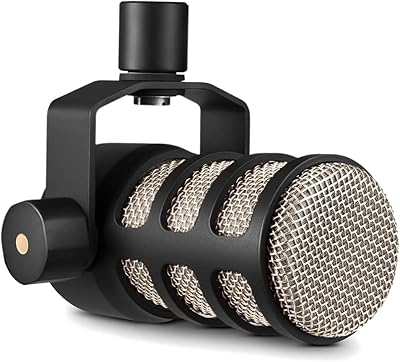
Rode PodMic
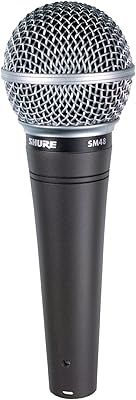
Shure SM48 Handheld Dynamic Microphone

Shure 545SD-LC
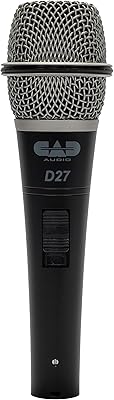
CAD Audio D90 Handheld Dynamic Microphone
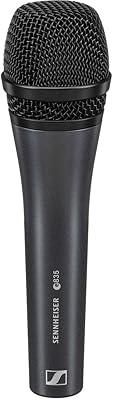
Sennheiser e 835
Sennheiser XS 1
Shure SM57-X2U Dynamic Instrument Microphone