

Overview

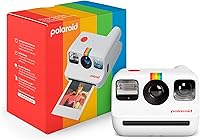
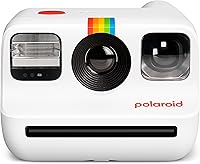
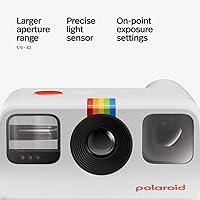
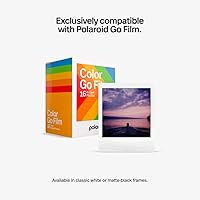
The Polaroid Go Gen 2 is a second-generation refresh of Polaroid's tiniest instant camera, and this time around the upgrades actually matter. The optics have been reworked with a wider aperture range and a more accurate light sensor — real changes, not just marketing copy. It also now charges via USB-C and is built with 30% recycled materials, which feels like a genuine step forward for a fun consumer product. One thing worth knowing before you buy: this pocket Polaroid uses the proprietary Go film format, which produces smaller prints than classic Polaroid frames. Not a dealbreaker, but worth knowing upfront, especially if you're purchasing it as a gift.

Features & Benefits

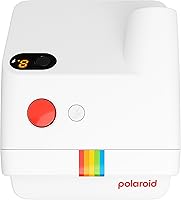
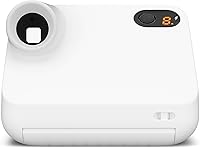
The improved exposure system is the headline upgrade here — shots are noticeably better-lit than what the original produced, particularly indoors. The built-in flash handles dim rooms and evening parties without fuss. For solo shooting, the small reflective mirror on the front lets you frame yourself before hitting the self-timer, which works surprisingly well at gatherings when you want a hands-free group shot. The internal battery now charges over USB-C, so no hunting for spare batteries mid-trip. At just over four inches wide, this mini instant camera slips into a jacket pocket easily, and the colored film prints carry a warm, slightly faded look that no phone filter really replicates.

Best For

This mini instant camera is one of the stronger gift ideas in the instant photography space right now. It's particularly well-suited to teens, college students, and young adults who want physical photos without committing to a heavier or pricier setup. Festival-goers and travelers will appreciate how easily it disappears into a bag. If classic Polaroid cameras have always felt a bit bulky for casual carry, the Go Gen 2 addresses that directly. Creative types into scrapbooking or decorating with printed memories will find plenty of use for it, and it works equally well as a low-commitment entry point for anyone curious about analog photography.

User Feedback

Buyers who upgraded from the original consistently highlight the exposure improvements as the most noticeable difference — and that tracks with the spec changes. The USB-C charging also earns repeated praise for being a long-overdue fix. On the flip side, film cost per shot comes up often in reviews, and it's worth being honest: instant film is an ongoing expense that adds up quickly beyond the camera's initial price. Some users also wish the prints were larger, as Go-format photos are smaller than what many people picture when they imagine a classic Polaroid. A handful of buyers were caught off guard by the Go-exclusive film requirement. Overall sentiment, particularly among gift buyers, leans positive.

Pros

  • Genuinely pocketable — fits in a jacket or small bag without any real compromise.
  • USB-C charging is a long-overdue upgrade that makes travel prep much simpler.
  • Improved light sensor produces noticeably better-exposed shots than the original Go.
  • Built-in flash handles indoor and low-light situations without extra gear.
  • Self-timer and reflective selfie mirror make solo and group shots actually workable.
  • Made with 30% recycled materials — a rare sustainability nod at this price tier.
  • Instant physical prints carry a warmth and nostalgia no phone filter can replicate.
  • One of the more thoughtful instant camera gift ideas available right now.
  • Simple enough for first-time users to pick up and shoot with zero learning curve.

Cons

  • Film cost per shot adds up fast — total ownership cost is much higher than the camera price alone.
  • Go-format prints are small, which catches buyers off guard if they expect classic Polaroid sizing.
  • No manual exposure controls means tricky lighting conditions are largely out of your hands.
  • Outdoor shots in bright sunlight can overexpose without any way to compensate.
  • No battery indicator makes it hard to know when you are about to run out of power mid-shoot.
  • Locked into Go-exclusive film with no third-party alternatives available.
  • Plastic build shows cosmetic wear quickly without a protective case.
  • Flash range drops off sharply beyond a short distance, limiting group shots in dark spaces.

Ratings

The Polaroid Go Gen 2 earns solid marks across most categories, though a few recurring pain points keep it from being a clean sweep. These scores were generated by AI after analyzing verified global buyer reviews, with spam, bot activity, and incentivized feedback actively filtered out. Both what buyers love and what genuinely frustrates them are reflected here without sugarcoating.

Image Quality
72%
28%
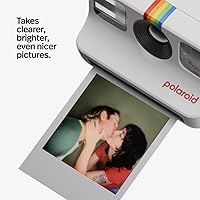
For an instant film camera, the Gen 2 produces noticeably better-exposed shots than its predecessor — the refined light sensor makes a real difference in mixed indoor lighting, like birthday parties or dim café settings. Colors come out warm and slightly saturated, with that signature analog charm buyers are specifically looking for.
Instant film has a ceiling, and this camera hits it. Fine detail is soft, and shots in very low light can still come out murky despite the flash. Buyers expecting anything close to smartphone sharpness will be disappointed — this is a vibe camera, not a precision one.
Portability & Size
93%
At just over four inches wide and under half a pound, this pocket Polaroid genuinely lives up to its portability promise. Buyers consistently mention slipping it into a jacket pocket or small crossbody bag at concerts, markets, and day trips without it being a burden.
The chunky body shape, while compact, can feel a little awkward in very tight pockets like fitted jeans. A few users noted the overall plastic construction feels slightly light for the price, though that also contributes to the low carry weight.
Ease of Use
89%
There is almost no learning curve here. Point, press, wait a few seconds — that is genuinely the full workflow. First-time instant camera users repeatedly highlight how approachable this mini instant camera feels compared to more manual analog options on the market.
The limited controls mean you cannot adjust for tricky lighting scenarios manually. Some buyers who have used other instant cameras wish there were more exposure compensation options, especially for shooting outdoors in harsh sunlight where overexposure can be an issue.
Film Cost & Availability
51%
49%
Go format film is widely available through Polaroid's own channels and major retailers, so tracking it down is not a problem. Multipack options do bring the per-shot cost down somewhat, and buyers who plan ahead and buy in bulk tend to feel more at ease with the ongoing spend.
This is the most persistent complaint across reviews. The Go format film works out to roughly a dollar or more per shot, which adds up fast during a weekend trip or event. For buyers who shoot frequently, the total cost of ownership climbs well beyond the camera's sticker price.
Battery Life & Charging
84%
The switch to an internal lithium-ion battery with USB-C charging was one of the most praised upgrades in this generation. Buyers love that they can top it up with the same cable they use for their phone — no more hunting for specialty batteries before a trip.
Actual battery life varies quite a bit depending on how often the flash fires. Heavy shooting sessions at events can drain it faster than expected, and there is no battery indicator to warn you before it dies mid-roll, which a handful of reviewers found frustrating.
Build Quality & Durability
67%
33%
The camera feels sturdy enough for casual everyday use and handles the usual bumps of bag life reasonably well. The rounded shape and solid button feedback give it a more considered feel than some competing budget instant cameras in this space.
The all-plastic shell does not inspire much confidence if you are rough with gear. A few buyers reported cosmetic scuffs fairly quickly, and there are no weather-resistant or drop-proof claims here — this is a camera you want to keep in a case if you are taking it somewhere rugged.
Flash Performance
74%
26%
The built-in flash does a decent job at close range — portrait shots in dark rooms at arm's length typically come out well-lit. For social situations like house parties or dimly lit restaurants, it handles the basics without needing any external accessories.
The flash range drops off quickly, so anything more than a few feet away in darkness comes out underexposed. It also has a tendency to blow out subjects at very close range, which can wash out skin tones in tight portrait shots.
Self-Timer & Selfie Features
78%
22%
The combination of the self-timer and the small front-facing reflective mirror is more useful than it sounds. At group dinners or solo travel moments, being able to frame yourself, set the timer, and step back makes this feel like a genuinely thought-out feature rather than an afterthought.
The selfie mirror is tiny, which makes precise framing tricky. You get a rough sense of what is in frame, but do not expect to nail a perfectly composed self-portrait every time — there is a fair amount of trial and error involved, and that costs film.
Print Size & Format
61%
39%
The smaller Go format print size actually works well for certain uses — it fits neatly on journal pages, sticks cleanly to laptop lids, and slips into wallet sleeves. For scrapbookers and collectors, the petite format has a distinct charm all its own.
Compared to classic Polaroid formats, these prints are noticeably small, and that surprises a lot of buyers who did not read the fine print before purchasing. If you want big, display-worthy prints to hang on a wall or share at a party, this format will feel limiting.
Value for Money
69%
31%
As a standalone purchase for casual use or gifting, the Go Gen 2 sits at a reasonable price point for what it delivers. The hardware upgrades in this generation — especially USB-C and the improved sensor — make it a more defensible buy than the original was at launch.
Factor in the film cost and the value equation shifts. Buyers who shoot more than a pack or two per month find the ongoing spend harder to justify. A few reviewers explicitly said they wish they had done that math before buying.
Gifting Appeal
91%
This is one of the stronger instant camera gift options available right now. It comes packaged attractively, it is immediately intuitive to use out of the box, and the novelty of physical prints resonates strongly with teens and young adults who grew up in a fully digital world.
The Go-exclusive film compatibility catches some gift recipients off guard, especially if the gifter did not include an extra pack of film. A camera with no film is a frustrating gift to open, and this comes up more than occasionally in reviews.
Sustainability & Materials
77%
23%
The use of 30% recycled materials in the body is a meaningful step for a consumer electronics product at this price tier. Eco-conscious buyers specifically mention this as a positive factor in their purchasing decision, especially among younger demographics.
The sustainability story stops at the body materials — the film cartridges themselves generate plastic waste per pack, which undercuts the green narrative somewhat. There is no take-back or recycling program mentioned, which a few environmentally minded buyers flagged.
Compatibility & Ecosystem
58%
42%
Within the Go ecosystem, everything works cleanly together. Polaroid's own film packs are consistent in quality, and the camera integrates well with accessories like the Go camera bag or neck strap options sold separately.
The locked-in film format is a genuine constraint. You cannot experiment with third-party films or cross-compatible packs from other instant formats, which limits creative flexibility and means you are fully dependent on Polaroid's supply chain and pricing decisions going forward.
Aesthetic & Design
86%
The Go Gen 2 looks good. The rounded, compact body in white feels clean and modern without trying too hard, and it photographs well in lifestyle shots — which matters to the social-media-savvy audience this camera is clearly designed for.
Color options are limited, and the design language is fairly safe. For buyers who want something with a bit more personality or vintage character, some competing instant cameras offer bolder colorways and retro styling that this more minimal design does not deliver.

Suitable for:

The Polaroid Go Gen 2 is a strong pick for anyone who wants a fun, low-pressure way to create physical memories without hauling around a bulky camera. It works especially well as a gift for teens and young adults — the kind of person who would genuinely light up at getting an instant print in their hands rather than another digital photo buried in a camera roll. Festival-goers, travelers, and anyone who attends a lot of social events will appreciate how naturally it fits into a small bag or jacket pocket. Analog photography newcomers will find it far less intimidating than film cameras with manual settings, and the USB-C charging means one less thing to manage on a trip. Creative hobbyists who love scrapbooking, journaling with photos, or decorating their space with small printed memories will find the Go format prints charming and versatile.

Not suitable for:

The Polaroid Go Gen 2 is not the right choice for anyone who prioritizes image sharpness, large print sizes, or cost efficiency in their photography. Buyers who are used to the classic wide-format Polaroid prints will likely find the smaller Go format underwhelming — the prints are noticeably petite, and that surprises more people than it should. If you plan to shoot frequently, the per-shot film cost becomes a real financial consideration that compounds quickly; this is not a camera for someone who wants to shoot carelessly without thinking about expense. Serious photographers or anyone looking for precise exposure control will hit the limits of this pocket Polaroid fast, since manual adjustments are essentially off the table. It is also worth knowing upfront that the Go-exclusive film format locks you into Polaroid's own supply chain, so there is no flexibility to experiment with third-party or alternative film stocks.

Specifications

  • Dimensions: The camera measures 4.13 x 3.3 x 2.42 inches, making it compact enough to fit in a jacket pocket or small bag.
  • Weight: It weighs 11.3 oz (0.32 kg), keeping it light enough for all-day carry without noticeable strain.
  • Film Format: Only compatible with Polaroid Go format film, which produces smaller prints than classic Polaroid i-Type or 600 formats.
  • Battery: An internal lithium-ion battery is built into the camera body and charges via USB-C cable.
  • Flash: A built-in electronic flash is included and activates automatically in low-light conditions.
  • Shutter Speed: Shutter speed ranges from 1/300 to 1 second, covering standard indoor and outdoor shooting scenarios.
  • Self-Timer: A self-timer function is included, allowing hands-free shooting for self-portraits and group photos.
  • Selfie Mirror: A small reflective mirror on the front of the camera helps users frame self-portrait shots before pressing the shutter.
  • Film Output: Each shot produces a colored instant print with the characteristic warm, analog aesthetic of Polaroid film.
  • Aperture: The Gen 2 features an upgraded wider aperture range compared to the original Go, improving exposure in varied lighting conditions.
  • Light Sensor: A refined precision light sensor is included to improve automatic exposure accuracy across different environments.
  • Recycled Materials: The camera body is manufactured using 30% recycled materials, making it one of Polaroid's more sustainability-conscious consumer products.
  • Model Number: The official model number is 9097, which can be used to verify compatibility when purchasing accessories or film.
  • Generation: This is the second generation of the Polaroid Go camera line, featuring hardware and optical improvements over the original.
  • Included Items: The box includes the camera body and standard accessories; film is sold separately and must be purchased as Polaroid Go format packs.

Related Reviews
JLab Go Work Gen 2
JLab Go Work Gen 2
74%
91%
Battery Life
74%
Microphone Quality
62%
Comfort & Fit
71%
Connectivity Reliability
88%
Value for Money
More
dockteck DH0002 M.2 NVMe/SATA SSD Enclosure
84%
88%
Transfer Speed (NVMe)
76%
SATA Drive Performance
83%
Build Quality
93%
Ease of Setup
79%
Thermal Management
More
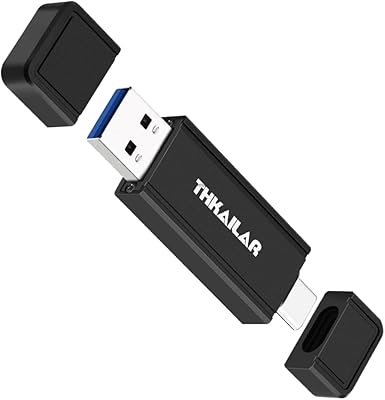
THKAILAR 256GB USB 3.2 Gen 2 Flash Drive
88%
92%
Performance
89%
Compatibility
85%
Build Quality
90%
Portability
95%
Ease of Use
More
SSK 512GB USB 3.2 Gen 2 Flash Drive
84%
91%
Performance & Speed
88%
Build Quality & Durability
95%
Ease of Use (Plug-and-Play)
87%
Compatibility (USB-A & USB-C)
80%
Portability & Size
More
fanxiang FF952 512GB USB 3.2 Gen 2 Flash Drive
88%
94%
Data Transfer Speed
89%
Portability
90%
Build Quality
92%
Ease of Use
77%
Compatibility with Devices
More
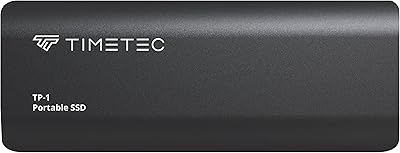
Timetec 1TB Pro Portable USB 3.2 Gen 2 SSD
88%
93%
Performance
90%
Portability/Size/Weight
92%
Compatibility/Connectivity
95%
Speed (Read/Write)
85%
Value for Money
More
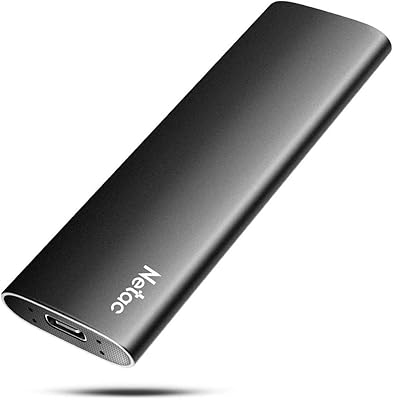
Netac Zslim 250GB Portable SSD USB 3.2 Gen 2
87%
90%
Performance
88%
Portability
85%
Build Quality
91%
Ease of Use
92%
Compatibility
More
TEAMGROUP X1 MAX 512GB USB 3.2 Gen 2 Flash Drive
88%
94%
Data Transfer Speed
90%
Portability/Size/Weight
91%
Compatibility/Connectivity
85%
Build Quality/Durability
88%
Value for Money
More
THKAILAR 1TB USB 3.2 Gen 2 External SSD Flash Drive
85%
89%
Data Transfer Speed
91%
Build Quality & Durability
93%
Portability & Size
88%
Compatibility & Connectivity
92%
Ease of Use (Plug-and-Play)
More
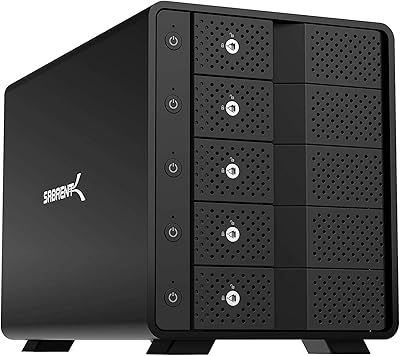
SABRENT 5-Bay USB 3.2 Gen 2 SATA Docking Station
82%
94%
Transfer Speed
88%
Build Quality
90%
Ease of Use
78%
Cooling Efficiency
85%
Flexibility of Drive Management
More

FAQ

No, film is sold separately. The box includes the camera body and accessories, but you will need to purchase Polaroid Go format film packs on their own. It is worth picking up at least one pack when you buy the camera so you can shoot right away.

No — this pocket Polaroid is only compatible with Polaroid Go format film. It will not accept i-Type, 600, or any third-party instant film. This is one of the most important things to know before buying, since Go film is smaller and sold separately from other Polaroid formats.

The camera charges via a standard USB-C cable, which is a welcome improvement over cameras that require disposable batteries. A full charge typically supports multiple packs of film worth of shooting, though heavy flash use will drain it faster. There is no on-screen battery indicator, so it is a good habit to charge before any event or trip.

Go format prints are smaller than classic Polaroid photos — the image area is roughly 1.6 x 1.6 inches, with the full print being slightly larger including the white border. If you are expecting the wide, square-ish prints from a classic Polaroid One Step or Now camera, these will feel noticeably compact. They are great for journaling, stickers, and small displays, but not really for wall-worthy prints.

It handles indoor shooting reasonably well thanks to the built-in flash and improved light sensor. Close-range portrait shots in dim rooms generally come out decently exposed. That said, the flash range has limits — subjects more than a few feet away in darkness will likely come out underexposed, so it works best for close-up and arm's-length shots.

Pressing the self-timer button triggers a short countdown before the shutter fires, giving you time to set the camera down or step into the frame. The small reflective mirror on the front helps you get a rough sense of what is in the shot when shooting solo. It is not a precision framing tool, but it works well enough for casual selfies and small group shots.

The Gen 2 brings a wider aperture range, a more accurate light sensor, and notably better automatic exposure compared to the original. It also adds USB-C charging, replacing the older battery setup, and is now built with 30% recycled materials. If you already own the original Go and are happy with it, the upgrade is meaningful but not dramatic; if you are buying new, the Gen 2 is the clear choice.

It is reasonably sturdy for casual use — the plastic body handles normal bag life and light handling well. That said, it is not waterproof or drop-resistant, so you would want a protective case or pouch if you are taking it somewhere crowded or unpredictable. A few buyers have reported cosmetic scuffs appearing relatively quickly without any protection.

This is honestly one of the most important questions to ask. Polaroid Go film packs typically contain 16 shots and are priced accordingly, which works out to a meaningful cost per print. If you are a casual shooter who uses a pack or two a month, it is manageable. If you plan to shoot heavily at every event, the ongoing film cost adds up faster than most buyers initially expect.

It is one of the better options in this space for first-time users. The controls are minimal, there is no setup learning curve, and the experience of holding a physical print a few seconds after taking a shot is genuinely exciting for people who have only ever taken digital photos. Just make sure to include a pack of Go format film with the gift — gifting the camera without film is a common oversight that leaves new owners unable to use it right away.