PHIXERO P7000PRO 4TB NVMe SSD



Overview
The PHIXERO P7000PRO 4TB NVMe SSD enters a storage market dominated by Samsung, WD, and Seagate, making it an underdog worth examining closely. What it brings to the table is a Gen4 x4 interface and a copper heatsink design that physically sets it apart from most budget-tier competitors. The manufacturer, Shenzhen ORICO Technologies, is a real company with genuine engineering resources, though it remains unfamiliar to many Western buyers. On paper, the specs are competitive. Whether those numbers translate consistently to real-world workloads is the more important question, and one that deserves honest scrutiny.
Features & Benefits
At its core, this 4TB Gen4 drive runs on the NVMe 1.4 protocol with rated sequential reads of up to 7,000 MB/s and writes reaching 6,600 MB/s — figures that put it firmly in Gen4 flagship territory. The standout hardware upgrade is the copper sheet heatsink paired with a thermal silicone pad, a combination that handles heat better than the aluminum vests found on most competing drives. It uses 3D NAND flash with wear leveling and over-provisioning built in, which helps extend the drive's working life. The M.2 2280 form factor means installation is straightforward across a wide range of modern systems.
Best For
This high-capacity M.2 drive makes the most sense for users who want to consolidate storage into a single fast slot rather than stacking multiple drives. Gamers with ballooning libraries — think modern open-world titles regularly exceeding 100GB — will appreciate not having to archive or delete games constantly. Creative professionals moving large RAW video files or high-resolution photo batches also stand to benefit from the high sequential throughput. The key requirement is a Gen4-capable motherboard; pair it with a Gen3 system and you will get decent but not full performance. It is also a strong upgrade path for anyone still running a SATA drive.
User Feedback
Early buyers of the PHIXERO NVMe SSD have been largely positive, with many noting that real-world transfer speeds come close to the advertised figures when system and thermal headroom cooperate. Installation gets consistent praise — the drive is detected immediately and fits without fuss. Where skepticism lingers is around long-term reliability; this drive only hit the market in mid-2024, so multi-year durability data simply does not exist yet. A handful of buyers flag that sustained write performance can dip under heavy loads, worth knowing if you plan extended encoding sessions. On price-per-gigabyte, most agree it compares well against name-brand alternatives at similar capacities.
Pros
- Rated sequential reads of up to 7,000 MB/s put this 4TB Gen4 drive in the same performance tier as flagship competitors.
- The copper sheet heatsink with thermal silicone pad is a genuine hardware upgrade over the aluminum vests found on most rivals.
- 4TB in a single M.2 2280 slot eliminates the need to juggle multiple drives in space-constrained builds.
- Real-world file transfer speeds reported by buyers closely approach the advertised figures under normal conditions.
- Installation is straightforward — plug in and go, with immediate detection across Windows and Linux systems.
- Price-per-gigabyte at the 4TB tier is notably competitive against name-brand Gen4 alternatives.
- 3D NAND flash with built-in wear leveling and over-provisioning supports longevity under regular use.
- Backward compatibility with Gen3 slots means it works in older systems, even if at reduced speeds.
- Available in capacities from 512GB to 4TB, making the same platform accessible at different budget points.
Cons
- Brand is largely unknown in Western markets, which raises fair questions about after-sales support and warranty resolution.
- Long-term reliability is unproven — the drive has only been available since mid-2024 with limited multi-year user data.
- Sustained write performance can dip under heavy continuous workloads, a concern for extended video encoding or large backup jobs.
- Gen3 users will not unlock the drive's full speed potential, making it a partial fit for older platforms.
- No independent benchmark reviews from established hardware publications exist yet to validate the listed specifications.
- Thermal throttling under prolonged heavy loads has been flagged by some buyers, despite the upgraded heatsink design.
- The heatsink adds physical bulk that may cause clearance conflicts in certain laptop slots or tightly packed ITX builds.
Ratings
Our AI-generated scores for the PHIXERO P7000PRO 4TB NVMe SSD reflect a systematic analysis of verified global buyer reviews, with spam, bot activity, and incentivized feedback actively filtered out before scoring. Each category captures both what real users praised and where genuine frustrations surfaced, giving you an honest picture of how this high-capacity M.2 drive performs outside of spec-sheet conditions. Strengths and pain points are weighted equally so the scores reflect actual ownership experience, not marketing claims.
Sequential Read Speed
Sequential Write Speed
Thermal Management
Value for Money
Installation Experience
Build Quality
Brand Trust & Reputation
Long-Term Reliability
Sustained Performance Consistency
Compatibility
Noise & Vibration
Packaging & Unboxing
Capacity Practicality
Suitable for:
The PHIXERO P7000PRO 4TB NVMe SSD is a strong fit for PC builders and power users who want to consolidate a large storage footprint into a single M.2 slot without paying a premium for a legacy brand name. Gamers with sprawling libraries — especially those running multiple AAA titles that routinely top 100GB each — will find the capacity genuinely practical rather than excessive. Creative professionals who regularly move large video projects, RAW photo batches, or audio session files will benefit from the high sequential throughput this 4TB Gen4 drive is built around. It also makes good sense for anyone upgrading from a SATA SSD or an older Gen3 NVMe drive who wants a meaningful generational step up in both speed and capacity. The copper heatsink design adds real value for users whose systems run warm or lack dedicated M.2 cooling, making it a thoughtful choice for compact desktop builds or loaded workstation configurations.
Not suitable for:
Buyers who prioritize long-term brand reliability and extensive warranty track records should think carefully before committing to this high-capacity M.2 drive. Shenzhen ORICO Technologies, the actual manufacturer behind the PHIXERO NVMe SSD, is not a household name in Western markets, and the drive only launched in mid-2024 — meaning multi-year real-world durability data simply does not exist yet. Users who depend on storage for irreplaceable professional archives or mission-critical data should consider pairing this drive with a robust backup strategy, rather than treating it as a set-and-forget solution. Those running older systems with Gen3 motherboards will also not get full value from the drive, since the top sequential speeds are locked behind a Gen4 interface. Finally, buyers expecting the same ecosystem support, firmware update history, or brand-backed customer service they would get from Samsung or WD should factor that gap into their decision.
Specifications
- Capacity: This drive is available in a 4TB configuration, with the broader P7000PRO series offering options ranging from 512GB up to 4TB.
- Interface: Uses a PCIe Gen4 x4 interface, delivering full four-lane bandwidth for maximum throughput on compatible motherboards.
- Protocol: Operates on the NVMe 1.4 protocol, which reduces latency and improves queue management compared to older NVMe generations.
- Sequential Read: Rated sequential read speed reaches up to 7,000 MB/s under optimal conditions on a Gen4-capable system.
- Sequential Write: Rated sequential write speed reaches up to 6,600 MB/s, placing it among the faster consumer Gen4 drives by specification.
- I/O Speed: Input/output transfer rate is rated at 2,400 MT/s, enabling full utilization of the PCIe Gen4 x4 channel bandwidth.
- Form Factor: Built in the standard M.2 2280 format, measuring 2.36 x 1.97 x 0.79 inches including the attached heatsink assembly.
- Flash Type: Uses 3D NAND flash memory with wear leveling, garbage collection, and over-provisioning to balance performance and longevity.
- Heatsink: The heatsink assembly uses a high-conductivity copper sheet combined with a thermal silicone pad for improved heat dissipation versus aluminum alternatives.
- Weight: The complete drive with heatsink weighs 2.82 ounces, which is slightly heavier than bare M.2 drives due to the copper cooling assembly.
- OS Support: Compatible with Windows 7, 8, 10, and 11, as well as Ubuntu and other Linux distributions without requiring additional drivers.
- Compatible Devices: Designed to work in desktops, laptops, and all-in-one PCs that support the M.2 PCIe interface standard.
- Backward Compatible: The drive will operate in PCIe Gen3 x4 slots at reduced speeds, making it usable in older systems that lack Gen4 support.
- Color: The drive and heatsink are finished in black, which suits most mid-tower and open-frame builds aesthetically.
- Manufacturer: Designed and produced by Shenzhen ORICO Technologies Co., Ltd, a Chinese electronics manufacturer with a broad storage product portfolio.
- Launch Date: This drive became available for purchase in June 2024, making it a relatively recent entry in the Gen4 NVMe market segment.
Related Reviews
PHIXERO PM7450 4TB NVMe SSD
Ediloca EN870 4TB NVMe M.2 SSD
WD_BLACK SN7100 4TB NVMe SSD
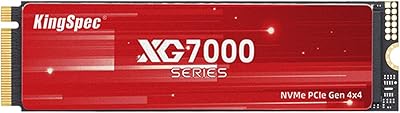
KingSpec XG7000 4TB NVMe SSD
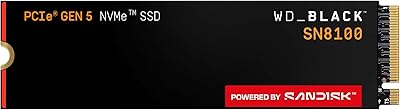
WD_BLACK SN8100 4TB NVMe SSD
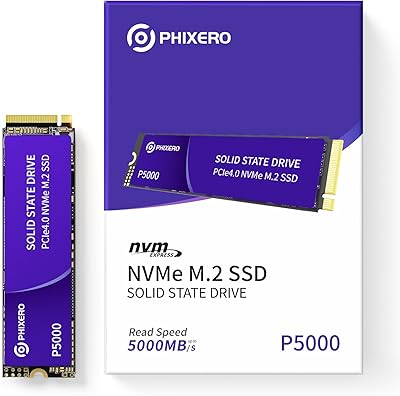
PHIXERO P5000 2TB NVMe SSD
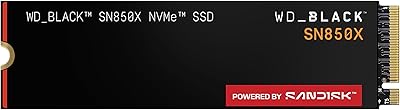
WD_BLACK SN850X 4TB NVMe SSD
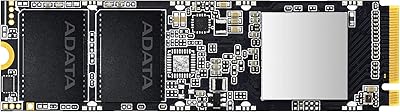
XPG SX8100 4TB NVMe M.2 SSD
PHIXERO P5000 1TB NVMe SSD