Overview

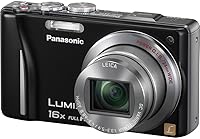
The Panasonic Lumix DMC-ZS10 Compact Digital Camera sits comfortably in the upper tier of point-and-shoot travel cameras, built for people who want serious zoom range without a serious bag to carry it in. At its core is a 14.1 MP CMOS sensor paired with Panasonic's Venus Engine FHD processor — a combination that handles everyday shooting reliably. What made the ZS10 stand out at launch was its touchscreen interface, an uncommon feature among compacts of its era. To be clear, this isn't a camera for someone chasing DSLR-level control. It's built around portability and reach, and within those goals, it delivers consistently.
Features & Benefits

The headline feature is the 16x optical zoom — equivalent to a 24–384mm lens — which gives the ZS10 a telephoto reach most travel compacts simply can't match. Optical image stabilization keeps handheld shots usable even at the longer end. The built-in GPS automatically tags each photo with location data, genuinely useful when sorting through hundreds of travel shots months later — though GPS lock can take a moment outdoors. Tap the 3-inch touchscreen to set focus or zoom and it feels intuitive. Sonic Speed AF with 23 focus points, including tracking, means the camera keeps up with moving subjects better than you might expect from a pocketable device.

Best For

This GPS-equipped point-and-shoot was built with the traveler in mind. If you regularly move between landscapes, cityscapes, and close-up details — and don't want to manage lens swaps — the ZS10 makes a practical companion. It also suits people making the jump from smartphone photography who want more optical reach without a steep learning curve. That said, it's not the right fit for photographers who prioritize manual exposure control or raw creative flexibility. Think of it as a versatile travel camera rather than a specialist tool — broad capability, genuine portability, and a feature set that covers most casual shooting scenarios without fuss.

User Feedback

Across nearly 350 ratings, this Lumix travel compact holds a solid 4-star average — respectable, though not without caveats. Most owners highlight the zoom range and built-in GPS as genuine strengths, particularly for documenting trips where knowing a photo's location adds real value later. Compact size earns consistent praise too. Where things get mixed: battery life is a recurring sticking point. Around 260 shots per charge is workable for a casual day, but on longer travel days a spare battery becomes a necessity. Some users also note image quality drops in low light at the telephoto end, and menu navigation draws occasional frustration — though the general consensus is that it performs well within its category.

Pros

  • The 16x optical zoom delivers impressive telephoto reach that most travel compacts cannot match.
  • Built-in GPS quietly geotags every photo, making trip organization genuinely easier after the fact.
  • At under 8 oz, the ZS10 slips into a jacket pocket without weighing down a travel day.
  • The 3-inch touchscreen makes adjusting focus and zoom fast and intuitive, even for less experienced shooters.
  • Optical image stabilization keeps handheld shots sharp even when zoomed well into the telephoto range.
  • FHD 1080p video recording covers both stills and video without needing a second device.
  • The Sonic Speed AF system with 23 focus points tracks moving subjects reliably for a compact camera.
  • SD/SDHC/SDXC compatibility gives storage flexibility, and internal memory provides a small backup buffer.

Cons

  • Battery life of roughly 260 shots per charge is modest — a spare battery is a practical necessity on full travel days.
  • Low-light image quality degrades noticeably at longer zoom lengths where the aperture narrows to f/5.9.
  • The GPS can take a frustrating amount of time to acquire a signal lock, particularly indoors or in dense urban areas.
  • Menu navigation has drawn consistent criticism for being unintuitive, with a learning curve that feels steeper than necessary.
  • The ISO ceiling of 1600 is limiting for evening or indoor shooting without flash.
  • No optical viewfinder makes outdoor composition harder in bright sunlight where the LCD washes out.
  • Touchscreen responsiveness has been reported as inconsistent by some users, occasionally requiring repeated taps.
  • Digital zoom quality drops off sharply beyond the optical range, making the 4x digital extension largely unusable.

Ratings

The scores below for the Panasonic Lumix DMC-ZS10 Compact Digital Camera were generated by our AI system after analyzing verified purchase reviews from buyers worldwide, with spam, bot-submitted, and incentivized feedback actively filtered out. The ratings reflect the full picture — what owners genuinely love about this travel compact and where it consistently falls short. Both strengths and recurring frustrations are weighted transparently into every score.
Zoom Range
93%
The 16x optical zoom is the single feature buyers mention most positively, and with good reason — it punches well above what most pocketable cameras offer. Travelers consistently praise being able to capture distant landmarks, wildlife at the zoo, or a performer on a stadium stage without moving closer.
At the absolute telephoto limit, framing a moving subject can require patience since the narrow field of view magnifies any hand movement. A small number of users also wished the wide end reached slightly beyond 24mm for tighter indoor spaces.
Portability
91%
Under 8 oz and slim enough for a coat pocket, the ZS10 travels light in a way that bulkier cameras simply cannot. Buyers frequently mention grabbing it as a last-minute addition to a bag without it adding noticeable weight to a day pack or handbag.
The compact body means physical controls are minimal, which some users find limiting when they want to make quick adjustments without diving into menus. Those with larger hands occasionally find the grip less comfortable over extended shooting sessions.
GPS & Geotagging
78%
22%
For travel photographers who organize large photo libraries, the automatic geotagging is a genuinely useful convenience — sorting a two-week trip by location becomes far easier when every photo carries its coordinates. Most outdoor users report it working reliably once a lock is established.
GPS lock time is the main complaint, with several users noting it can take two or more minutes to acquire a signal from cold start, and it rarely works indoors or in dense urban canyons. Battery drain with GPS running continuously is also a meaningful trade-off on a camera with already modest battery capacity.
Image Quality (Daylight)
82%
18%
In good natural light, the 14.1 MP sensor delivers clean, well-exposed shots that print and share well for everyday travel documentation. Colors tend to render vividly, and the Venus Engine processing keeps JPEG output looking natural without over-sharpening.
Detail resolution at the pixel level is limited by the small 1/2.3-inch sensor size, and critical reviewers note that images lack the micro-detail available from larger sensor cameras. Dynamic range in high-contrast scenes — bright sky against shadowed foreground — can also compress highlights noticeably.
Low-Light Performance
54%
46%
With the lens at its widest angle and ISO kept low, indoor shots in reasonably lit environments — a restaurant, a museum hall — come out acceptably clean. The optical stabilization helps with slower shutter speeds in dim conditions.
Push the ISO above 400 or zoom into the telephoto range in low light and image quality degrades quickly, producing noticeable noise and soft edges. Evening outdoor shots and dimly lit event photography are consistent weak points that multiple buyers flag as genuine disappointments.
Battery Life
51%
49%
For a half-day of casual shooting — a morning at a market or an afternoon museum visit — the battery generally holds up without issue. Users who carry a spare battery report no problems sustaining a full travel day.
The roughly 260-shot rating is one of the most commonly cited frustrations across buyer reviews, particularly for full-day travel itineraries. With GPS active, battery drain accelerates further, and buyers who forgot a spare describe running dry well before the day ended.
Touchscreen Usability
69%
31%
Tap-to-focus and touch zoom are intuitive enough that new users pick them up quickly without reading instructions. For casual shooters who just want to point, tap, and capture, the touchscreen interface lowers the barrier to getting a focused shot.
Responsiveness is inconsistent according to a meaningful portion of reviewers, with occasional missed taps requiring a second attempt mid-shot. In cold weather or for users with dry fingertips, the screen becomes less reactive, which is a practical annoyance during winter travel.
Autofocus Speed
76%
24%
The Sonic Speed AF system handles everyday subjects — people walking, street scenes, stationary objects — reliably and without much noticeable hunting. Continuous and tracking modes perform adequately for casual action like kids at play or animals moving at moderate speed.
In lower light or at maximum zoom, focus acquisition slows and occasionally hunts before locking, which can mean a missed moment. Sports and fast-action photographers will find the performance insufficient, though that audience was never the intended target for this camera.
Video Quality
74%
26%
Full HD 1080p footage is smooth and detailed enough for sharing travel clips online or archiving family memories. The stabilization carries over into video recording, which noticeably reduces the shakiness that typically plagues compact camera footage when walking.
Audio capture through the built-in microphone is average at best, picking up wind noise and handling sound in outdoor environments. Users who want polished video output with clean audio will likely feel limited by what the camera offers.
Menu & Interface
58%
42%
For users who stay in automatic or scene modes, the interface stays out of the way and keeps operation simple. Basic playback, zoom control, and scene switching are accessible quickly without navigating deep into settings.
Venturing beyond auto mode reveals a menu structure that multiple buyers describe as counterintuitive and layered in a way that requires consulting the manual. Settings that feel like they should be a single tap away often require navigating through several submenus.
Build Quality
71%
29%
The camera feels solid in hand for its size and price tier, with a finish that holds up to the minor bumps and pocket friction of regular travel use. Most owners report no mechanical issues after months of regular use.
The plastic construction does not inspire the confidence of a metal-bodied camera, and the lens cover has drawn occasional concerns about long-term durability under frequent use. It is not a rugged or weather-sealed camera, so rain and dust exposure require care.
Value for Money
73%
27%
At its market price tier, the combination of GPS, 16x optical zoom, FHD video, and a touchscreen in one compact body represents a strong feature-per-dollar proposition for casual travel shooters. Buyers who prioritize breadth of capability over any single best-in-class attribute tend to feel well-served.
Buyers who later discovered the battery and low-light limitations often feel the premium price was harder to justify. Those who compared it to contemporaries with better sensors or longer battery life occasionally expressed post-purchase regret.
Optical Stabilization
84%
Optical image stabilization makes a tangible difference when shooting handheld at telephoto reach, keeping the majority of shots acceptably sharp even without a stable surface to rest on. Travel photographers who shoot from moving vehicles or unsteady ground find it particularly valuable.
At the extreme telephoto end, stabilization compensates for movement but cannot fully overcome significant camera shake — a slight blur still appears in a portion of maximum-zoom shots taken without bracing. It is effective rather than exceptional.
Connectivity & Transfer
63%
37%
HDMI output for TV playback works reliably and is appreciated by users who like to review trip photos on a larger screen. USB connectivity covers basic file transfer to a computer without needing additional adapters for most setups.
The absence of built-in Wi-Fi or Bluetooth means transferring photos requires a physical cable or removing the memory card, which feels dated compared to later compact cameras in the same category. Buyers accustomed to wireless sharing find this a notable inconvenience.
Ease of Setup
86%
Out of the box, the ZS10 is ready to shoot in minutes — insert the battery, add a memory card, and the auto mode handles the rest. First-time digital camera buyers consistently describe the initial setup experience as stress-free.
GPS initialization on first use requires some outdoor patience to establish an initial satellite fix, and new users unfamiliar with geotagging occasionally report confusion about whether the GPS is actually working. The setup guide could address this more clearly.

Suitable for:

The Panasonic Lumix DMC-ZS10 Compact Digital Camera was designed with a specific traveler in mind: someone who wants meaningful zoom range and automatic location tagging without the weight or complexity of a larger camera system. It fits naturally into the hands of vacationers who move quickly between environments — a cathedral interior in the morning, a distant mountain vista in the afternoon — and need one camera that can handle both without a lens swap. Smartphone upgraders will find the 16x optical zoom alone to be a dramatic step up in reach and image control. The touchscreen interface and automatic shooting modes also make it approachable for people who don't want to spend time studying a manual. For anyone who has ever wished they could remember exactly where a photo was taken months later, the built-in GPS geotagging adds quiet, practical value to every shot.

Not suitable for:

The Panasonic Lumix DMC-ZS10 Compact Digital Camera is not the right tool for photographers who rely on manual exposure control, raw creative flexibility, or low-light performance. The 1/2.3-inch sensor, standard for this camera class, produces noticeably softer and noisier results in dim environments — especially at longer zoom lengths where the maximum aperture narrows significantly. Enthusiasts who shoot events, interiors, or nighttime scenes regularly will hit those limits quickly and feel frustrated. The ISO ceiling of 1600 is modest, and the lack of an optical viewfinder means composing shots in bright sunlight can be tricky. Anyone already shooting with a mirrorless or interchangeable-lens system will find little reason to step down in capability, and buyers expecting DSLR-level image quality at this price point should reset those expectations before purchasing.

Specifications

  • Sensor: The camera uses a 14.1 MP 1/2.3-inch CMOS sensor for capturing stills and video.
  • Processor: The Venus Engine FHD processor handles image processing and enables full HD video output.
  • Optical Zoom: A 16x optical zoom lens covers a 35mm-equivalent range of 24–384mm with a minimum focal length of 24mm.
  • Aperture Range: The lens aperture ranges from f/3.3 at the wide end to f/5.9 at maximum telephoto reach.
  • Image Stabilization: Optical image stabilization is built into the lens system to reduce blur during handheld telephoto shooting.
  • Display: A fixed 3-inch LCD touchscreen with 460,000-dot resolution supports tap-to-focus and touch zoom functions.
  • ISO Range: Expanded ISO sensitivity runs from 80 to 1600, covering standard daylight through moderately low-light conditions.
  • Shutter Speed: Shutter speed range runs from 1/4000 of a second down to 60 seconds for long-exposure shooting.
  • Autofocus: The Sonic Speed AF system offers 23 autofocus points with continuous, tracking, contrast-detection, and touch AF modes.
  • Video: Full HD 1080p video is recorded in both AVCHD and MPEG-4 formats with a 0.1-second inter-shot delay.
  • GPS: A built-in GPS module automatically embeds geographic location data into each photo's metadata at the time of capture.
  • Battery Life: The included Lithium-Ion battery is rated for approximately 260 shots per full charge under standard conditions.
  • Weight: The camera body weighs 7.68 oz (approximately 218 g), making it suitable for pocket or small bag carry.
  • Storage: The camera accepts SD, SDHC, and SDXC cards in one slot, with 18 MB of internal memory available as a backup buffer.
  • Connectivity: Output options include a single USB 2.0 port and an HDMI port for direct playback on compatible displays.
  • File Formats: Still images are saved in JPEG or RAW format, giving users the option of in-camera processing or post-production editing.
  • Lens Construction: The optical system is built from 12 lens elements arranged in 10 groups, including the zoom and stabilization components.
  • Shooting Modes: Available shooting modes include full automatic, scene selection, and a touch zoom function accessible from the LCD.
  • Metering: Exposure metering supports three patterns: multi-area, center-weighted, and spot metering for varied lighting conditions.
  • Form Factor: The ZS10 is a compact point-and-shoot body standing 2.27 inches tall, designed for one-hand portability.

Related Reviews
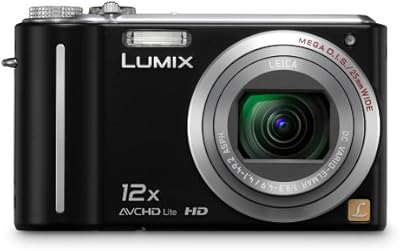
Panasonic Lumix DMC-ZS3 Digital Camera
83%
89%
Ease of Use
84%
Image Quality
91%
Portability
65%
Battery Life
83%
Video Quality
More
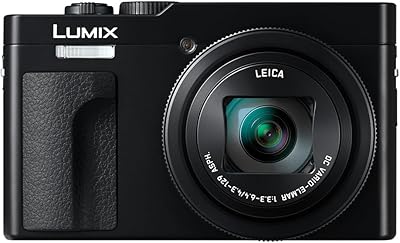
Panasonic LUMIX ZS99
75%
93%
Zoom Range & Reach
84%
Image Quality in Good Light
54%
Low-Light Performance
88%
Image Stabilization
79%
Video Quality
More
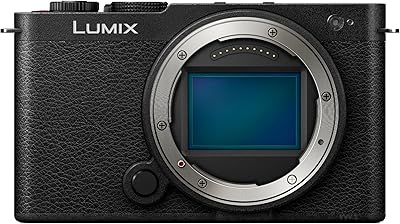
Panasonic LUMIX S9 Full-Frame Mirrorless Camera
78%
91%
Image Quality
94%
Portability & Form Factor
88%
Video Capabilities
86%
Image Stabilization
79%
Autofocus Performance
More
Panasonic LUMIX GH5 Mark II Mirrorless Camera
79%
93%
Video Quality
91%
Image Stabilization
89%
Live Streaming
57%
Autofocus Performance
92%
Build Quality
More
Panasonic LUMIX G100 Mirrorless Camera
73%
83%
Video Quality
79%
Built-in Microphone
81%
Image Quality
62%
Image Stabilization
47%
Battery Life
More
Panasonic LUMIX FZ80D
75%
93%
Zoom Range & Reach
88%
Image Stabilization
78%
Image Quality in Good Light
54%
Low-Light Performance
81%
4K Video Quality
More
Panasonic LUMIX S5 Full Frame Mirrorless Camera
79%
93%
Video Quality
91%
Image Stabilization
67%
Autofocus Performance
88%
Low-Light / High ISO Performance
82%
Build Quality & Ergonomics
More
Panasonic Lumix G85 Mirrorless Camera

78%
93%
Image Stabilization
89%
Build Quality
84%
Video Performance
71%
Autofocus Accuracy
82%
Image Quality
More
myFirst Camera 3 Kids Digital Camera
72%
76%
Image Quality (Daylight)
51%
Low-Light Performance
74%
Video Quality
83%
Macro Lens
81%
Ease of Use
More
AOREGRE 5K Digital Camera WiFi Autofocus Vlogging Camera
83%
92%
Value for Money
89%
Image Quality
87%
Ease of Use
90%
Video Quality (5K)
85%
Portability & Size
More

FAQ

The GPS on the ZS10 can be set to run automatically so it tags every shot without you touching a setting. Keep in mind it draws extra battery power when active, so if battery conservation matters on a long day out, toggling it off when not needed is a sensible habit.

Outdoors with a clear sky, it typically locks within a minute or two. Indoors or in areas with heavy overhead cover, it can take noticeably longer or struggle to find a signal at all. Think of it as a convenience tool for travel documentation rather than a precision navigation feature.

Honestly, it depends on how you shoot. For a lighter day of sightseeing it can be sufficient, but anyone planning a long active day should carry a spare Lithium-Ion battery pack. They are inexpensive and small enough to pocket, so it is worth grabbing one alongside the camera.

Yes, the Panasonic Lumix DMC-ZS10 Compact Digital Camera supports RAW file capture alongside JPEG, which is useful if you want to do detailed post-processing adjustments to exposure or white balance after the fact.

At maximum optical zoom in good daylight, results are solid for a camera of this class. The optical stabilization helps keep things sharp. Where quality drops noticeably is in dim light at the telephoto end — the aperture narrows to f/5.9, which limits how much light hits the sensor, so expect softer and noisier images in those conditions.

The camera supports SDXC cards, and the official specification lists a maximum supported size of up to 2 TB, though practically you will find 64 GB or 128 GB SDXC cards more than adequate for extended travel shooting.

Yes, there is a built-in HDMI output port that lets you connect the ZS10 to any HDMI-compatible television or monitor for direct playback of photos and videos. A USB connection is also available for transferring files to a computer.

For the core functions — tap to focus, touch zoom — it works reasonably well and feels intuitive once you get used to it. Some users have reported that the screen occasionally needs a second tap to register, and menu navigation overall has a bit of a learning curve. It is not a deal-breaker, but worth knowing before you buy.

Video quality is genuinely good for casual use — full HD 1080p in AVCHD or MPEG-4 formats covers most travel and family recording needs well. It is not a dedicated video camera by any measure, but for capturing trip moments and short clips alongside stills, it performs comfortably above what most smartphone cameras offered at the time of its release.

The automatic and scene modes handle exposure decisions for you, so absolute beginners can pick it up and start shooting right away. The touchscreen simplifies zoom and focus. That said, the menu system has enough depth that exploring beyond auto mode will take a little patience to navigate, so new users should budget some time to get familiar with it.

Where to Buy