Overview

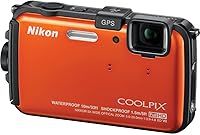
The Nikon COOLPIX AW100 Waterproof Compact Camera is a rugged point-and-shoot built for people who actually take their cameras outside — not for controlled studio conditions or careful lighting setups. It's waterproof, shockproof, and freezeproof, which means it can handle the situations most cameras simply can't. Worth noting upfront: this is a discontinued model, so you're likely buying used or old stock. That doesn't make it a bad buy, but it's context you need going in. The 16MP CMOS sensor and Full HD video give it solid imaging credentials, and the built-in GPS for geotagging photos is a genuinely rare feature that still sets the AW100 apart from many competitors.
Features & Benefits

The AW100 is rated waterproof to 33 feet — deep enough for snorkeling and kayaking without a separate housing. Its NIKKOR ED glass lens covers a 5x optical zoom range equivalent to 28–140mm, giving you real flexibility whether you're shooting a distant mountain ridge or a close-up of tide pool life. One-touch video recording kicks off Full HD 1080p footage with stereo sound, and optical image stabilization keeps things reasonably sharp even when you're moving. At 2.4 ounces with a 3-inch LCD display, this waterproof point-and-shoot fits easily into a jacket pocket. The built-in GPS embeds location coordinates directly into your photo files — no app required.

Best For

This rugged compact camera makes the most sense for active outdoor users — hikers who want documentation without babying their gear, snorkelers who need submersible performance without a separate housing, and parents chasing kids at the pool or on rainy soccer fields. If you've been relying on your smartphone for outdoor shots but want more optical zoom and real physical durability, the AW100 is a logical step up. It also works as a solid backup camera for anyone shooting in environments where they'd never risk their main setup. The GPS tagging adds real appeal for wildlife photographers and travelers who want location data baked directly into every image.

User Feedback

Across more than 1,000 ratings, the AW100 holds a 4.3 out of 5 average, and the comments reveal a clear pattern: buyers who chose it for rugged outdoor use are largely satisfied. Durability draws the most consistent praise, with the waterproofing holding up in serious real-world conditions. Low-light image quality is the most common criticism — the sensor shows its age indoors and in dim conditions, and it shouldn't be compared to anything modern. GPS lock time also frustrates some users, particularly under dense canopy or in urban canyons. But for its core mission of surviving the outdoors and capturing the moment, this rugged compact camera mostly delivers.

Pros

  • Genuinely waterproof to 33 feet — handles snorkeling, kayaking, and heavy rain without a housing.
  • Built-in GPS tags every photo with precise location data, a rare and useful feature in this camera class.
  • Shockproof and freezeproof construction holds up in real outdoor environments, not just lab conditions.
  • The 5x optical zoom NIKKOR ED lens gives you meaningful reach for wildlife, landscapes, and distant subjects.
  • Full HD 1080p video with stereo sound and a one-touch record button makes video capture fast and practical.
  • At 2.4 ounces, the AW100 is light enough to forget in a pocket until you actually need it.
  • Optical image stabilization reduces blur during active movement, improving keeper rates on the trail.
  • Continuous shooting at 7.1 FPS is genuinely fast for a camera in this category.
  • A 4.3-star average across more than 1,000 ratings reflects consistent satisfaction among outdoor-focused buyers.
  • The broad range of shooting modes — including underwater and panorama — adds real versatility for different environments.

Cons

  • Low-light image quality lags noticeably behind modern cameras and even current flagship smartphones.
  • GPS lock can be slow or unreliable under dense tree cover or in urban canyons with tall buildings.
  • No Wi-Fi or Bluetooth means transferring photos requires a cable or removing the memory card manually.
  • This is a discontinued model — buyers are limited to used or old stock with no manufacturer support.
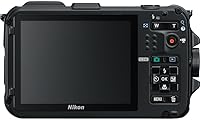
  • The fixed LCD has no articulating or tilting mechanism, which limits shooting angles in awkward positions.
  • Internal storage of 83MB is barely functional; a memory card is effectively mandatory from day one.
  • The small sensor struggles with dynamic range in high-contrast scenes like bright sky against shadowed foreground.
  • Battery life is modest by current standards, making a spare battery a near-necessity for full-day trips.
  • The asking price for remaining stock is difficult to justify when newer rugged cameras offer more capable sensors.
  • No RAW file support means post-processing options are limited to working with compressed JPEGs only.

Ratings

The scores below for the Nikon COOLPIX AW100 Waterproof Compact Camera were generated by our AI after analyzing thousands of verified global user reviews, with spam, bot activity, and incentivized feedback actively filtered out. Each category reflects the honest balance of praise and frustration real buyers have reported across outdoor, travel, and adventure use cases. Both the standout strengths and the genuine pain points are represented transparently so you can make a well-informed decision.
Waterproof Performance
93%
Users consistently report the waterproofing holding up in genuine conditions — not just a quick splash, but full submersion during snorkeling trips, kayaking in rough water, and shooting through heavy rain on hiking trails. The 33-foot depth rating inspires real confidence, and very few owners report seal failures under normal use.
A small number of buyers noted water intrusion after extended or repeated submersion, often traceable to worn port seals or covers that were not fully latched. The seals require periodic inspection and are a maintenance responsibility that some owners overlook until it is too late.
Build & Durability
89%
The triple-protection design — waterproof, shockproof, and freezeproof — holds up well in the kind of environments this camera is built for. Hikers and outdoor adventurers appreciate being able to toss it in a pack without a case and trust it will survive the journey intact.
The plastic chassis, while ruggedized, does not feel as premium as its price tag might suggest. A few users noted cosmetic scuffs and scratches appearing quickly on the body surface, and the port covers can feel flimsy after extended use in the field.
GPS Accuracy
74%
26%
For travel photographers and wildlife documentarians, the built-in GPS is a standout convenience — location data is embedded directly into every photo without any pairing, app setup, or post-processing. Users who shoot in open landscapes, coastal areas, or national parks report reliable and accurate tagging.
GPS lock time is a recurring complaint, particularly in dense forests, narrow city streets, or any environment with obstructed sky view. Some users report waiting 60 to 90 seconds or more for a lock, and a handful note the GPS failing to acquire a signal at all under heavy canopy cover.
Image Quality (Outdoors)
71%
29%
In good daylight conditions — beaches, mountain trails, open water — the AW100 produces clean, well-exposed images with natural color reproduction that satisfies casual photographers and travel documentarians. The NIKKOR lens delivers sharpness across the zoom range that holds up well for social sharing and standard prints.
Dynamic range is limited, and high-contrast outdoor scenes — bright skies against shadowed foregrounds — often result in blown highlights or crushed shadows. Users who shoot in variable lighting conditions find the JPEG output less forgiving than they would like, with no RAW option to recover detail in post.
Low-Light Performance
51%
49%
The ISO range extends to 3200, giving the camera at least a fighting chance in dimly lit environments. For casual indoor shots at moderate ISO settings, results are acceptable when expectations are properly calibrated to this camera class and sensor size.
This is where the aging 1/2.3-inch sensor shows its limits most clearly. At ISO 800 and above, noise becomes obvious and detail softens significantly, which frustrates users who expected better performance at evening events, restaurant interiors, or dawn and dusk outdoor conditions.
Zoom & Lens Quality
82%
18%
The 5x optical zoom with NIKKOR ED glass covers a genuinely useful 28–140mm equivalent range, and sharpness through the zoom range is better than many competing compact cameras in its class. Wildlife photographers and hikers appreciate being able to reach distant subjects without carrying a separate telephoto lens.
Maximum aperture narrows to f/4.8 at the telephoto end, which compounds low-light issues when zoomed in. The 4x digital zoom degrades image quality noticeably and is best left off for anything beyond quick reference shots.
Video Quality
78%
22%
Full HD 1080p video at 30 FPS is solid for a rugged compact camera, and the dedicated one-touch record button is something users genuinely appreciate when they need to capture a moment fast. Underwater video footage in clear, shallow water earns consistent praise from snorkelers and divers.
Stereo audio picks up significant wind noise during outdoor recording, which limits usability on breezy hikes or open-water shots. The MPEG-4 compression also introduces some artifacting during fast movement that more demanding users will notice.
Image Stabilization
76%
24%
Optical image stabilization provides real, measurable benefit during handheld shooting on the move — trail photographers report noticeably fewer blurry shots compared to unstabilized compacts when shooting at walking pace or from a moving vehicle.
Stabilization has its limits under genuinely rapid movement — running, shooting from a boat in choppy water, or action sequences still produce a meaningful number of soft frames. Users expecting DSLR-level stabilization will find themselves disappointed in high-motion scenarios.
Battery Life
62%
38%
For short outings — a half-day hike, a few hours at the beach — the Lithium Ion battery is adequate if GPS and continuous shooting are used sparingly. Casual users who shoot in short bursts across a normal day report getting through without needing a charge.
Heavy users, especially those running GPS continuously or shooting significant video, frequently report the battery running low by midday on a full outing. The absence of a spare battery in the standard kit means a dead camera is a real risk on multi-day trips without planning ahead.
Autofocus Speed
69%
31%
In well-lit outdoor conditions, contrast-detect autofocus acquires focus reasonably quickly for a point-and-shoot, and the continuous-servo AF mode helps track moving subjects like children playing on the beach or wildlife at moderate distances.
In lower light or with fast-moving subjects, autofocus hunts noticeably before locking, resulting in missed moments that more experienced photographers find frustrating. The contrast-detect system is inherently slower than phase-detect alternatives found in newer cameras.
Display Quality
66%
34%
The 3-inch LCD at 460,000 dots is functional and readable in overcast outdoor conditions, giving users a clear enough view for framing shots on a trail or at the waterline. Menu navigation is straightforward and accessible even for beginners.
Bright sunlight makes the fixed LCD difficult to read without shading it with your hand, which is an ironic limitation for a camera built specifically for outdoor use. The fixed position offers no flexibility for low-angle or overhead shots.
Ease of Use
84%
The AW100 is designed with simplicity in mind, and it shows. Parents, casual shooters, and outdoor adventurers who just want to point, shoot, and not think about settings consistently praise how accessible the controls are — even with gloves or wet hands.
The scene mode menu can feel overwhelming for true beginners with its 18 preset options, and navigating between modes in the field is less intuitive than it should be. Users who want to customize behavior beyond presets will quickly hit the limits of manual control.
Connectivity & Transfer
44%
56%
USB connectivity covers the basic need for file transfer to a computer, and HDMI output allows users to view photos directly on a TV — a convenient feature for reviewing trip shots without a laptop. Setup requires no special software for basic file access.
The complete absence of Wi-Fi or Bluetooth is the AW100's most dated limitation and draws consistent criticism from modern buyers. Having to physically connect a cable or swap a memory card every time you want to share a photo feels genuinely archaic compared to virtually any camera released in the past several years.
Value for Money
57%
43%
For buyers who find the AW100 at a low used-market price, its rugged build and built-in GPS represent solid value for a specific outdoor niche. For snorkelers or hikers who would otherwise pay extra for a waterproof housing on another camera, the all-in-one protection can justify the cost.
At full or near-full retail prices for remaining old stock, the value case weakens significantly. Newer rugged compact cameras offer better sensors, Wi-Fi connectivity, and comparable waterproofing at competitive prices, making it hard to recommend the AW100 without a meaningful price discount.

Suitable for:

The Nikon COOLPIX AW100 Waterproof Compact Camera is the right call for anyone whose photography happens in places where most cameras simply don't belong. Hikers who want to document a waterfall without worrying about spray, snorkelers capturing reef life at shallow depths, and kayakers shooting rapids will all find the AW100's triple protection genuinely useful rather than just a marketing claim. Travelers who want every photo automatically tagged with GPS coordinates — without stitching together a separate app or device — will appreciate having that functionality baked directly into the hardware. Parents chasing kids at the beach, the pool, or through muddy fields will value a camera they can actually hand to a child without a anxiety spike. And for anyone who already owns a primary camera but needs a pocket-sized backup that can take real punishment, this waterproof point-and-shoot fills that role without adding significant weight to a pack.
Not suitable for:

If image quality is your primary concern, the Nikon COOLPIX AW100 Waterproof Compact Camera will likely disappoint — the 1/2.3-inch sensor was mid-tier even at launch, and it shows its age clearly in low light or high-contrast scenes. Buyers expecting smartphone-level convenience, wireless photo sharing, or a modern app ecosystem will find this rugged compact camera frustratingly dated; there is no Wi-Fi or Bluetooth, and the internal memory barely qualifies as a buffer. Photography enthusiasts who prioritize manual controls, RAW file output, or interchangeable lenses should look elsewhere entirely — this is a point-and-shoot through and through. Given that it is a discontinued model, long-term support, firmware updates, and warranty coverage are either limited or nonexistent, which matters if you are spending a significant sum on old stock. Finally, anyone who primarily shoots indoors, at events, or in dim conditions will consistently struggle with the sensor's noise performance at higher ISO settings.
Specifications

  • Sensor: The camera uses a 16MP 1/2.3-inch CMOS sensor with an expanded ISO range of 125 to 3200 for varying light conditions.
  • Lens: A NIKKOR ED glass lens covers a 5.0–25.0mm focal range, equivalent to 28–140mm in 35mm format, with a variable aperture of f/3.9 to f/4.8.
  • Optical Zoom: 5x optical zoom is paired with 4x digital zoom for additional reach when needed.
  • Image Stabilization: Optical image stabilization is built in to reduce camera shake during handheld and active shooting scenarios.
  • Waterproofing: The body is rated waterproof to a depth of 33 feet, making it suitable for snorkeling and shallow water activities without a separate housing.
  • Durability Rating: In addition to waterproofing, the camera is shockproof and freezeproof, designed for reliable operation in harsh outdoor environments.
  • Video: Full HD 1080p video is recorded at 30 FPS with stereo sound in MPEG-4 AVC/H.264 format, with a dedicated one-touch record button.
  • Display: A fixed 3-inch LCD screen with 460,000 dots provides the viewfinder and review interface, with no articulating mechanism.
  • GPS: A built-in GPS module embeds latitude, longitude, and Points of Interest data directly into photo metadata at the time of capture.
  • Continuous Shooting: The camera supports continuous shooting at up to 7.1 FPS, which is competitive for a compact point-and-shoot in its class.
  • Shutter Speed: Shutter speed ranges from 1/2000 of a second down to 4 seconds, covering most outdoor action and low-light scenarios.
  • Storage: The camera accepts SD, SDHC, and SDXC memory cards and includes approximately 83MB of internal storage as a buffer.
  • Autofocus: Contrast-detect through-the-lens autofocus with 5 autofocus points operates in Continuous-Servo AF mode for moving subjects.
  • Connectivity: The camera connects to a display or TV via HDMI mini connector and to a computer for file transfer via a single USB 2.0 port.
  • Weight: The body weighs 2.4 ounces, making it one of the lightest rugged compact cameras available in its category.
  • Battery: A rechargeable Lithium Ion battery powers the camera; battery weight is listed at 1 gram, and no external charger is included in standard packaging.
  • File Format: Images are captured and stored as JPEG files at up to Fine quality level with a 12-bit depth; RAW capture is not supported.
  • Audio Format: Video audio is recorded in AAC format, while MP3 playback is also supported for compatible media functions.
  • Flash: A built-in flash with automatic mode is included, with a guide number of 19 and a sync speed of 1/250 of a second.
  • Shooting Modes: The camera offers 18 scene modes including Underwater, Easy Panorama, Fireworks Show, and Sports, alongside standard shooting options.

Related Reviews
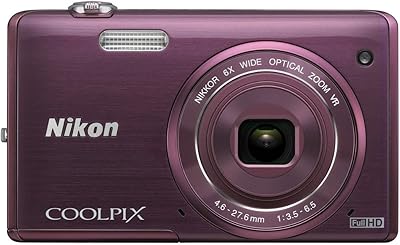
Nikon COOLPIX S5200 Digital Camera
75%
81%
Image Quality
76%
Low-Light Performance
78%
Wi-Fi Connectivity
73%
Zoom Range
89%
Portability
More
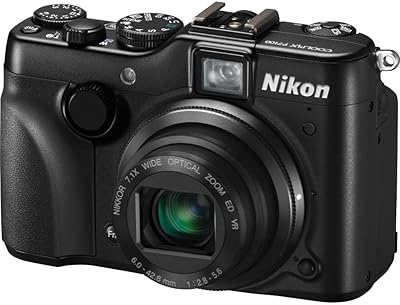
Nikon COOLPIX P7100 Compact Digital Camera
76%
83%
Image Quality
91%
Manual Controls
88%
Build Quality
86%
Zoom & Lens Range
87%
RAW File Support
More
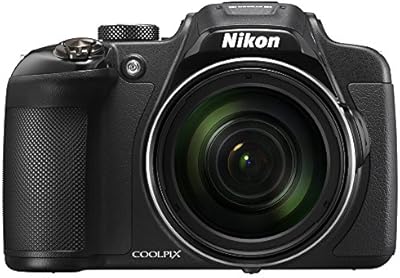
Nikon COOLPIX P610 Digital Camera
83%
94%
Zoom Performance
87%
Image Quality
90%
Portability
72%
Battery Life
85%
Ease of Use
More
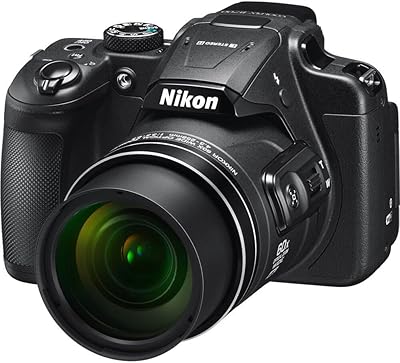
Nikon COOLPIX B700 Digital Camera
82%
92%
Zoom Performance
88%
Video Quality (4K UHD)
80%
Ease of Use
89%
Image Stabilization
75%
Battery Life
More
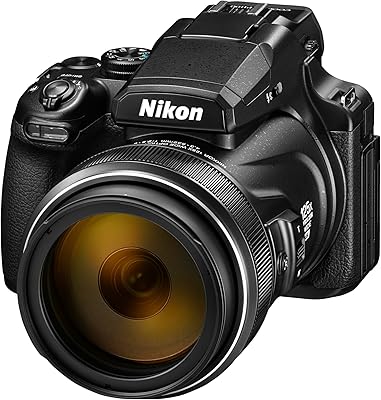
Nikon COOLPIX P1100 Superzoom Bridge Camera
74%
96%
Zoom Range & Reach
88%
Image Stabilization
67%
Image Quality
52%
Low-Light Performance
81%
Video Capability
More
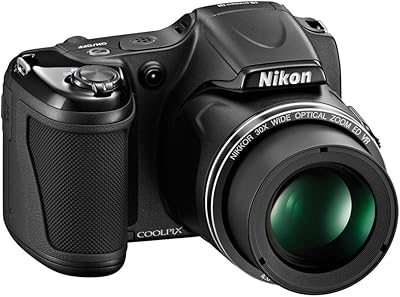
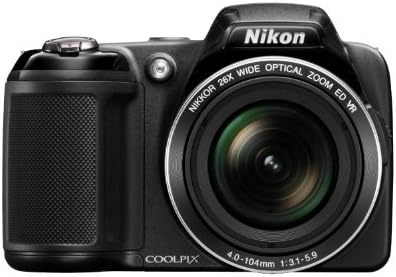
Nikon COOLPIX L820 30x Zoom Digital Camera
74%
93%
Zoom Range & Reach
84%
Daylight Image Quality
47%
Low-Light Performance
58%
Autofocus Performance
81%
Build Quality & Ergonomics
More
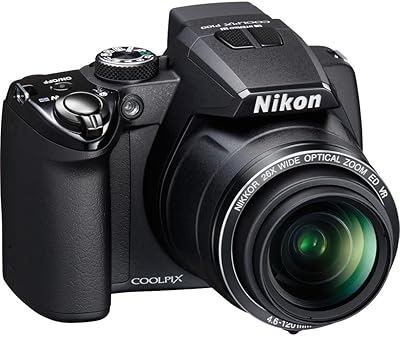
Nikon Coolpix P100 10 MP Digital Camera
81%
86%
Image Quality
93%
Zoom Performance
88%
Stability/Shake Reduction
81%
Ease of Use
84%
Video Quality
More
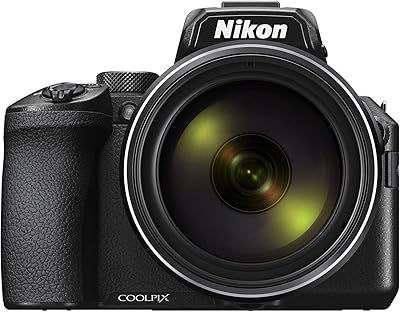
Nikon COOLPIX L810 Digital Camera
70%
93%
Zoom Range
88%
Ease of Use
76%
Image Quality (Daylight)
41%
Low-Light Performance
91%
Battery Convenience
More
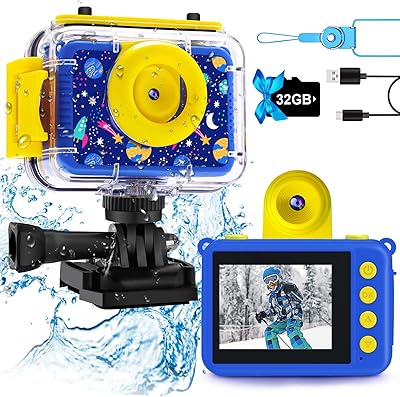
GKTZ Kids Waterproof Action Camera
79%
78%
Waterproofing Reliability
91%
Ease of Use for Kids
83%
Build Durability
61%
Image Quality
67%
Video Quality
More
Nikon COOLPIX P510 Digital Camera
75%
94%
Zoom Range & Reach
78%
Image Quality (Daylight)
51%
Low-Light Performance
86%
GPS & Geotagging
53%
Battery Life
More

FAQ

The waterproofing is legitimate for snorkeling use — the AW100 is rated to 33 feet, which covers typical reef snorkeling depths with comfortable margin. Just make sure all port covers are fully closed and sealed before you go in, and rinse the camera with fresh water after saltwater use to protect the seals over time.

Yes, running GPS continuously does increase battery consumption noticeably. If you are on a long day out and battery life is a concern, the GPS can be turned off between shots and activated only when you want to tag a specific location. Carrying a spare battery is a smart move regardless if you plan a full day of shooting.

This is one of the more honest caveats to know before buying. In open sky conditions, lock time is reasonable — usually within a minute or so. Under dense tree cover, in narrow urban streets, or inside buildings, the GPS can struggle or fail to lock entirely. It is not a navigation-grade GPS receiver, so treat it as a convenience feature rather than a precise tool.

It depends entirely on what you need it for. If your priority is waterproof durability, built-in GPS, and a pocketable size — and image quality in controlled conditions is secondary — it can still make sense, especially if you find it at a reasonable price on the used market. However, newer rugged cameras have caught up significantly in sensor performance and added features like Wi-Fi, so the value case is not as clear as it once was. Compare prices carefully against current models before committing.

The camera accepts standard SD, SDHC, and SDXC cards. The internal storage is only around 83MB, which is barely enough for a handful of full-resolution images, so you will need a memory card from day one. A 32GB SDHC Class 10 card is a practical starting point — it gives you plenty of room for photos and HD video without overcomplicating things.

Honestly, a current flagship smartphone will produce better images in most everyday conditions, particularly indoors or in low light. The AW100's 1/2.3-inch sensor was mid-range at launch and shows its age against modern computational photography. Where this rugged compact camera pulls ahead is in optical zoom reach, physical waterproofing, and durability — areas where phones still have practical limitations.

Yes, the camera can record Full HD video at up to 33 feet underwater, and it includes an Underwater scene mode specifically designed to adjust color balance for aquatic environments. The stereo microphones will pick up more water noise than ambient sound when submerged, so do not expect broadcast-quality audio, but for personal documentation it works well.

No — this is one of the AW100's more significant limitations by today's standards. There is no Wi-Fi or Bluetooth. To transfer photos, you will need to either plug the camera into your computer via USB or remove the memory card and use a card reader. It is a friction point worth knowing about before you buy.

Manual exposure control is available, and the self-timer can be set to 10 seconds for hands-free shots. Focus is handled through a contrast-detect autofocus system with continuous tracking. However, this camera is not designed for photographers who want fine-grained manual control — it is fundamentally a point-and-shoot, and the control set reflects that philosophy.

Rinse the entire exterior thoroughly with fresh water after any saltwater or sandy environment use, paying particular attention to the port covers and their seals. Dry it gently with a soft cloth and let it air out before storing. Periodically inspect the rubber seal around each port for cracks or debris, as a compromised seal is the most common cause of water damage in rugged cameras.