Overview

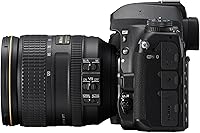
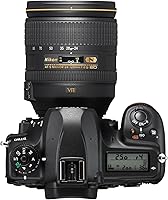
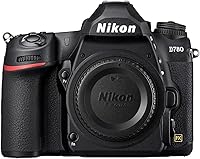
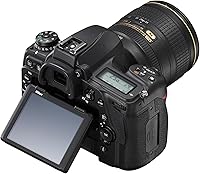
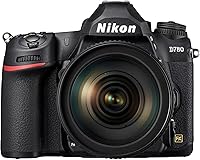
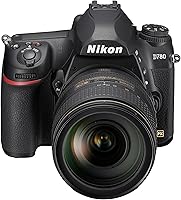
The Nikon D780 24-120mm Kit arrived at an interesting crossroads — a camera that borrows heavily from mirrorless technology while staying firmly rooted in the DSLR world that many photographers still trust. The backside-illuminated sensor is the real story; BSI design means more light reaches the photosite, which translates to cleaner shadows and better high-ISO performance in situations where it genuinely matters. Nikon loyalists, particularly those holding a bag full of F-mount glass, found this body a compelling upgrade from the D750 or D610. The bundled 24-120mm f/4 lens gives newcomers a versatile starting point. Just be clear-eyed: this is a DSLR, not a mirrorless, and that distinction shapes the entire experience.
Features & Benefits

The dual autofocus system is where this Nikon setup really differentiates itself. Through the optical viewfinder, you get 51-point phase-detection AF — fast, reliable, the kind you would trust at a wedding reception. Flip to live view and you are working with 273 phase-detection points, which enables silent shooting at 12 fps via the electronic shutter, ideal for ceremonies or wildlife where a mechanical click would be intrusive. On the video side, full-frame 4K, 1080/120p slow motion, N-Log color profile, and 10-bit HDMI output put this squarely in hybrid territory — though note there is no in-body stabilization, so a gimbal or tripod still matters for serious video work. Native shutter speeds up to 900 seconds make long-exposure astrophotography possible without any remote trigger.

Best For

This full-frame DSLR kit makes the most sense for a specific type of buyer. If you are a Nikon shooter with a collection of F-mount lenses, this body is an obvious upgrade — you keep your glass, gain a far more capable sensor, and do not have to relearn a menu system. Wedding and event photographers will appreciate the dual SD card slots for backup redundancy, the silent live-view mode, and AF that does not hunt under dim reception lighting. Landscape photographers benefit from the wide dynamic range and those long native exposure times. Enthusiasts moving up from a crop-sensor body like the D7500 will feel immediately at home with the ergonomics, while gaining a meaningful jump in image quality.

User Feedback

Owners consistently point to two things: the low-light results and the battery life. The BSI sensor delivers images at high ISOs that genuinely hold up when pixel-peeping — real praise from working photographers, not just spec enthusiasts. The EN-EL15b battery lets you shoot all day in a way mirrorless cameras at this price simply cannot match. That said, the most common gripe is weight. Carrying this Nikon setup with the 24-120mm attached for eight hours at an event is tiring, and some buyers have moved to mirrorless specifically for that reason. Live-view AF, while much improved over older DSLRs, still lags behind the best mirrorless systems. The bundled lens draws mixed reactions — versatile and sharp enough for most work, but experienced shooters often swap it out for primes when quality is the priority.

Pros

  • The BSI full-frame sensor produces exceptionally clean images in low light, holding detail at high ISOs where lesser cameras fall apart.
  • Optical viewfinder AF is fast, confident, and battle-tested — exactly what working event photographers need under pressure.
  • Battery life is outstanding; a full day of shooting on a single charge is genuinely achievable, unlike most mirrorless rivals.
  • Native shutter speeds up to 900 seconds make serious astrophotography possible without purchasing an extra remote trigger.
  • Dual SD card slots with UHS-II support provide professional-grade redundancy for anyone shooting irreplaceable occasions.
  • The 12 fps silent electronic shutter in live view lets you shoot fast and discreetly in places where noise would be disruptive.
  • Full F-mount compatibility means years of accumulated Nikon glass works immediately with no adapters or handling compromises.
  • The 24-120mm f/4 lens covers a versatile range with a constant aperture, making it a practical all-rounder for varied shooting days.
  • Video tools including N-Log, 10-bit HDMI output, and timecode support go well beyond what most DSLRs at this tier offer.

Cons

  • Combined body and lens weight is around 1.5 kg, which becomes genuinely tiring during long all-day events or travel.
  • Live-view AF tracking noticeably lags behind current Sony and Canon mirrorless systems for fast-moving subjects.
  • No in-body image stabilization means handheld video work requires a gimbal or external stabilized support.
  • The SnapBridge wireless app is inconsistent and slower than expected for a body in this price bracket.
  • Rolling shutter artifacts in live-view electronic shutter mode limit its usefulness for action and sports photography.
  • The touchscreen only tilts vertically — no full articulation for portrait-orientation shooting from awkward angles.
  • 4K video applies a crop factor in certain recording modes, reducing the full-frame field-of-view advantage.
  • The F-mount ecosystem is receiving fewer new lens releases as Nikon prioritizes its mirrorless Z-mount platform.
  • Long-exposure noise reduction doubles processing time, creating frustrating wait times during multi-shot night sessions.
  • The bundled 24-120mm lens shows soft corners at wide apertures, pushing experienced shooters toward costlier glass sooner than expected.

Ratings

The scores below for the Nikon D780 24-120mm Kit were generated by our AI after systematically analyzing thousands of verified owner reviews from global markets, with spam, bot submissions, and incentivized feedback actively filtered out. What remains reflects the honest, ground-level experience of working photographers — from wedding professionals to landscape enthusiasts — who put this kit through real-world use. Both the standout strengths and the genuine frustrations are represented transparently in every category.
Low-Light Image Quality
94%
The BSI full-frame sensor is where this kit earns its reputation. Photographers shooting receptions under dim venue lighting or capturing the Milky Way report that noise at ISO 6400 and beyond remains impressively controlled, with shadow detail that holds up well in post-processing. For many buyers, this single capability justified the purchase.
At the very top of the expanded ISO range — pushing past 51200 — color accuracy and fine detail do soften noticeably, which is expected but worth flagging for anyone planning to rely on those extreme settings regularly rather than as a last resort.
Autofocus Reliability
88%
Through the optical viewfinder, the 51-point phase-detection AF is fast and confident — wedding photographers in particular praise its ability to lock on subjects under mixed or low lighting without hunting. The system feels mature and predictable, which is exactly what working professionals need when a moment cannot be repeated.
Live-view AF is a different story. While the 273-point phase-detection system is a real improvement over older Nikon DSLRs, it still lags behind what Sony and Canon mirrorless bodies deliver in continuous tracking, particularly with fast-moving subjects like children or athletes.
Battery Life
96%
This is one area where the D780 kit consistently draws genuine admiration from owners switching from or comparing against mirrorless alternatives. Photographers routinely report getting through full wedding days or multi-hour landscape sessions on a single EN-EL15b charge, which removes a real logistical headache from professional work.
Heavy live-view use and 4K video recording drain the battery at a noticeably faster rate than viewfinder shooting, so videographers relying on the screen for extended shoots may find themselves reaching for a spare sooner than stills-focused users would.
Build Quality & Ergonomics
86%
The body feels reassuringly solid — well-sealed against dust and moisture, with controls laid out in a way that veteran Nikon shooters will find instantly familiar. The grip is deep and comfortable for extended handheld sessions, and the overall construction inspires confidence in demanding outdoor conditions.
Paired with the 24-120mm lens, the combined weight sits around 1.5 kg, which becomes a genuine concern during all-day events. Several users noted hand and shoulder fatigue after six or more hours, and compared to the more compact mirrorless options now available, this kit requires a real commitment to carry.
Video Capabilities
77%
23%
For a DSLR, the video feature set is genuinely impressive: full-frame 4K, 1080p at 120 fps for slow motion, N-Log for color grading, and 10-bit HDMI output cover the needs of a serious videographer. Timecode support and highlight monitoring (zebra stripes) are features you would expect from dedicated video cameras, not a stills-first body.
The lack of in-body image stabilization is a real limitation for handheld video work — you will need a gimbal or stabilized support for smooth footage. Additionally, 4K video crops from the full frame on some settings, and the rolling shutter in live view mode is noticeable enough to frustrate videographers used to more purpose-built hybrid cameras.
Kit Lens Quality (24-120mm f/4)
79%
21%
The AF-S NIKKOR 24-120mm f/4G ED VR covers an genuinely useful focal range for everyday shooting — portraits, landscapes, events, and travel all fall within its reach. The constant f/4 aperture means exposure does not shift as you zoom, which simplifies shooting in variable lighting, and the VR stabilization helps at longer focal lengths.
Experienced photographers tend to have mixed feelings about this lens. Sharpness at the edges and in the corners, particularly at 24mm wide open, is softer than what a dedicated prime or higher-end zoom would deliver. For critical commercial work, many owners treat it as a starting point and replace it fairly quickly.
Continuous Shooting Speed
83%
The 12 fps silent electronic shutter in live view mode is a standout for event and wildlife photographers who need speed without the noise. Capturing a ceremony or a bird in flight quietly and at high frame rates is a combination that was once reserved for far more expensive bodies.
The 7 fps cap through the optical viewfinder feels comparatively modest when rivals at similar price points push higher. There are also rolling shutter artifacts to watch for when using the electronic shutter on fast-moving subjects, which limits its practical use in some action scenarios.
Touchscreen & Display
81%
19%
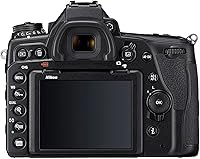
The 3.2-inch tilting touchscreen with 2359k dots is sharp and responsive enough for composing low-angle landscape shots or reviewing images in detail. Tap-to-focus and tap-shutter work reliably, and the tilting mechanism adds real flexibility without the complexity of a fully articulated screen.
The screen only tilts vertically — there is no full articulation for shooting in portrait orientation from awkward angles, which is a limitation videographers and vloggers notice quickly. Outdoor readability in bright sunlight could also be stronger; boosting brightness helps but is not a complete fix.
Long Exposure & Astrophotography
91%
Native shutter speeds stretching to 900 seconds without requiring an external remote is a legitimate differentiator for astrophotographers and light painters. Combined with the BSI sensor's clean high-ISO output and full-frame field of view, this kit handles night sky work unusually well for its class.
In-camera long-exposure noise reduction, while present, adds processing time equal to the exposure length — a 5-minute shot means a 5-minute wait before the next one. For those shooting sequences or star trails, this can significantly slow down a session.
Wireless Connectivity
62%
38%
Built-in Bluetooth and Wi-Fi with the SnapBridge app covers the basics for remote control and image transfer, which works well enough for photographers who want to send occasional shots to a phone for quick sharing or client previews.
SnapBridge has a reputation for inconsistency — pairing can be finicky, transfer speeds are slower than many users expect, and the app experience has frustrated enough buyers that it comes up repeatedly in negative feedback. For a body at this price, the wireless implementation feels like it lags behind the competition.
Memory Card System
87%
Dual SD card slots with UHS-II support on at least one slot give professional users the redundancy they need. Wedding photographers especially value the ability to write simultaneous backup copies, knowing that a card failure will not mean lost images from an irreplaceable event.
CFexpress compatibility is absent, which is not a dealbreaker today but does mean the D780 kit is already behind the curve on storage technology. As UHS-II cards themselves become standard, this limitation matters less day-to-day, but it signals the body's age relative to newer releases.
Value for Money
74%
26%
For a buyer already invested in the Nikon F-mount ecosystem, this full-frame DSLR kit represents a meaningful capability jump that existing lenses can take full advantage of. The bundled 24-120mm lens adds tangible value for those starting fresh with no glass to speak of.
For buyers without existing F-mount lenses, the investment is harder to justify when mirrorless full-frame kits offer comparable or better live-view AF, video autofocus, and a more future-proof lens ecosystem at overlapping price points. The case for this Nikon setup relies heavily on what is already in the bag.
Viewfinder Experience
92%
The optical viewfinder with 0.97x magnification is among the best in its class — bright, large, and natural-looking in a way that electronic viewfinders still struggle to fully replicate. Photographers who shoot primarily through the viewfinder consistently describe the experience as one of the kit's most satisfying aspects.
There is no electronic viewfinder option, which means in-viewfinder exposure simulation and real-time video shooting through the eyepiece are not available. For photographers accustomed to mirrorless EVF previewing, this is a genuine functional step back.
F-Mount Lens Compatibility
93%
Broad compatibility with the vast Nikon F-mount lens catalog — including decades-old glass — is a compelling reason to choose this kit for long-time Nikon users. Photographers with high-quality primes or specialty lenses already in their bag get immediate full access with no adapters or compromises.
The F-mount ecosystem, while deep, is no longer Nikon's development priority. New lenses are increasingly being designed for the Z-mount mirrorless system, which means choosing this body is also choosing to invest in a platform that will receive less future glass support over time.
Portability & Travel Use
58%
42%
For photographers who are accustomed to full-frame DSLR bulk and prioritize optical viewfinder handling, the D780 kit is no worse than its peers in this category. The body alone is manageable, and the 24-120mm lens covers a range that would otherwise require multiple primes.
As a travel kit, this Nikon setup is hard to recommend to anyone prioritizing pack weight and airline carry-on constraints. The combined weight and volume is substantial, and against current mirrorless alternatives that match or exceed its image quality in a considerably smaller footprint, the portability argument is a real weakness.

Suitable for:

The Nikon D780 24-120mm Kit was built for a very specific type of photographer, and it delivers most convincingly in their hands. If you have been shooting Nikon for years and have a collection of F-mount lenses gathering dust, this body is a natural and rewarding upgrade — your glass works immediately, your muscle memory transfers, and the image quality jump from an older full-frame or crop-sensor body is substantial. Wedding and event photographers will find the combination of reliable optical viewfinder AF, silent live-view shooting, and dual SD card redundancy particularly well suited to high-stakes professional work where missing a moment or losing a card is not an option. Landscape and astrophotography enthusiasts benefit from the full-frame dynamic range, the clean high-ISO output of the BSI sensor, and the ability to shoot exposures up to 900 seconds natively without any external trigger. Semi-professional shooters who want professional video tools — N-Log, 10-bit HDMI output, and 1080p slow motion — in a familiar DSLR body will also find a lot to work with here, provided they understand that a gimbal or stabilized support is still necessary for smooth handheld footage.
Not suitable for:

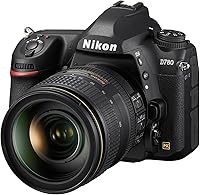
The Nikon D780 24-120mm Kit is a harder sell the moment you step outside its core audience. Photographers who are starting fresh with no existing F-mount glass should seriously compare it against current mirrorless full-frame kits before committing, because the mirrorless ecosystem now offers competitive or superior live-view AF, faster subject tracking, and more active lens development roadmaps at overlapping price points. Anyone prioritizing travel photography or light packing will feel the weight of this setup quickly — combined with the 24-120mm lens, it is a substantial daily carry that wears on you over long outdoor days or international trips with carry-on restrictions. Buyers primarily motivated by video should note that the absence of in-body image stabilization is a real functional gap, and the live-view autofocus, while capable, does not match the face and eye tracking performance that dedicated hybrid cameras now deliver. If keeping up with the latest lens releases matters to you, it is worth acknowledging that Nikon's active development focus has shifted to the Z-mount mirrorless system, which means the F-mount will receive less new glass going forward.
Specifications

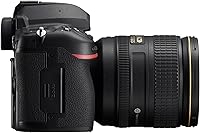
  • Sensor: 24.5MP backside-illuminated full-frame CMOS sensor measuring 35mm (36 x 24mm), designed to gather more light per photosite for improved dynamic range and low-light performance.
  • ISO Range: Native sensitivity runs from ISO 100 to 51200, expandable down to ISO 50 and up to ISO 204800 for extreme low-light situations.
  • Autofocus: Dual AF system: 51-point phase-detection through the optical viewfinder and 273-point phase-detection AF covering the sensor in live view mode.
  • Shutter Speed: Mechanical shutter operates from 1/8000s to 30s, while the extended Bulb mode supports exposures up to 900 seconds natively without a remote trigger.
  • Continuous Shooting: Up to 7 fps through the optical viewfinder and up to 12 fps silently via the electronic shutter in live view mode.
  • Video Resolution: Records full-frame 4K UHD video, 1080p at up to 120 fps for slow-motion playback, and supports in-camera time-lapse recording.
  • Video Output: Outputs 10-bit video over HDMI with N-Log and HDR (HLG) color profiles supported, alongside highlight monitoring (zebra stripes) and built-in timecode.
  • Bundled Lens: Includes the AF-S NIKKOR 24-120mm f/4G ED VR lens, an FX-format standard zoom built with 17 elements in 13 groups and a 9-blade aperture diaphragm.
  • Lens Stabilization: The bundled 24-120mm lens features Nikon VR II optical image stabilization to reduce camera shake during handheld shooting across the zoom range.
  • Filter Thread: The AF-S NIKKOR 24-120mm f/4G ED VR accepts 77mm screw-in filters, a common standard among mid-range and professional Nikon zoom lenses.
  • Display: 3.2-inch tilting capacitive touchscreen LCD with 2359k dots resolution, supporting tap-to-focus, tap shutter release, and swipe gestures in playback.
  • Viewfinder: Optical pentaprism viewfinder with 0.97x magnification provides a bright, natural view with approximately 100% frame coverage.
  • Memory Cards: Dual SD card slots compatible with UHS-I and UHS-II cards, supporting simultaneous backup, overflow, or RAW-plus-JPEG split recording configurations.
  • Connectivity: Built-in Bluetooth and Wi-Fi connect to the SnapBridge app for remote control and image transfer; GPS, HDMI output, and USB 3.0 are also included.
  • Mount: Nikon F-mount with full compatibility across the extensive catalog of Nikon F-mount NIKKOR lenses, including AF, AF-S, and select manual focus optics.
  • Body Weight: The camera body weighs approximately 840g; combined with the bundled 24-120mm lens, the total kit weight is approximately 1.5 kg ready to shoot.
  • Battery: Powered by the EN-EL15b rechargeable lithium-ion battery, included with the kit alongside the MH-25a battery charger.
  • Flash Sync: Maximum flash sync speed is 1/200s, with an iTTL hotshoe mount for compatible Nikon Speedlights and third-party flash units.
  • File Formats: Captures stills in JPEG (Basic, Normal, Fine) and RAW (NEF) formats; video is recorded in MOV and MP4 container formats.
  • Warranty: Covered by a 1-year manufacturer warranty from Nikon, applicable from the original date of purchase through authorized retail channels.

Related Reviews
Nikon NIKKOR Z 24-200mm VR Lens
86%
91%
Image Quality
88%
Vibration Reduction (VR) Performance
87%
Portability & Weight
84%
Build Quality
90%
Focal Length Range (24-200mm)
More
Nikon Z6 III with 24-70mm f/4 Lens
84%
93%
Image Quality
89%
Autofocus Performance
91%
Video Capabilities (6K/60p)
85%
Build Quality & Durability
76%
Ergonomics & Handling
More
Nikon D3300
Nikon D3300
75%
88%
Image Quality
71%
Low Light Performance
79%
Autofocus Performance
84%
Ease of Use
76%
Build Quality & Ergonomics
More
Nikon NIKKOR Z 24-70mm f/4 S
88%
91%
Image Quality
88%
Autofocus Performance
90%
Build Quality
93%
Portability
87%
Optical Stabilization (VR)
More
Nikon D610 24.3MP Full Frame DSLR Camera Body
86%
94%
Image Quality
88%
Autofocus Performance
90%
Build Quality & Ergonomics
80%
Battery Life
89%
Low-Light Performance
More
Nikon NIKKOR Z 24-70mm f/2.8 S
86%
94%
Image Quality
89%
Autofocus Performance
91%
Build Quality
88%
Weather Sealing
85%
Ease of Use
More
BRUMISATEUR Evian Facial Spray 24/7 Kit 18.5oz
88%
87%
Effectiveness in Hydration
91%
Makeup Setting Performance
90%
Cooling Effect for Hot Weather
93%
Skin Compatibility (Sensitive Skin)
75%
Scent/Fragrance
More
NEEWER 2 Pack 24″x24″ Softbox Lighting Kit NK103
84%
89%
Value for Money
94%
Ease of Setup
88%
Lighting Quality
78%
Build Quality
85%
Portability
More
Modelones 24 PCS Gel Nail Polish Kit, A Cozy of the Fall
85%
91%
Color Variety
88%
Application Ease
85%
Longevity
94%
Formula Quality
89%
Finish Variety (Glossy, Matte, Glitter)
More
Nikon Z 5 with NIKKOR Z 24-50mm f/4-6.3 Lens
85%
94%
Image Quality
84%
Autofocus Performance
88%
Video Quality
91%
Portability
89%
Build Quality
More

FAQ

Yes, the D780 kit is fully compatible with the broad range of Nikon F-mount NIKKOR lenses, including AF, AF-S, and many older manual focus optics. Autofocus and metering functionality will vary depending on the specific lens generation, but the mount itself is universally compatible. If you have a bag of existing Nikon glass, you can put it straight to work.

Through the optical viewfinder, the 51-point phase-detection AF is fast and dependable under dim reception lighting — this is one of the areas where real users consistently report strong results. Live-view AF is noticeably more capable than older Nikon DSLRs, though it still trails the subject-tracking speed of the latest mirrorless systems if you are doing a lot of moving-subject work on a screen.

It is genuinely well-suited for it. The BSI full-frame sensor handles high ISOs cleanly, the native shutter can stay open for up to 900 seconds without needing any extra remote accessory, and the full-frame field of view captures wide swaths of sky. Long-exposure noise reduction does add processing time equal to the exposure length, so for sequenced star trail work you will want to factor that wait time into your planning.

The video feature set is more serious than most DSLRs — full-frame 4K, 1080p at 120 fps, N-Log, 10-bit HDMI output, timecode, and zebra stripes are all genuinely useful tools for a working videographer. That said, there is no in-body image stabilization, so handheld footage will need a gimbal. Live-view autofocus during video also lacks the face and eye tracking that dedicated hybrid cameras now offer, which is worth considering if video AF is a priority.

Honestly, it is substantial — the body and 24-120mm lens together weigh around 1.5 kg, and you will feel that difference over a long wedding day or a multi-hour hiking shoot. It is comparable to other full-frame DSLRs in this class, but if you have been cross-shopping mirrorless bodies, the size and weight gap is real. Many buyers who purchased this kit for travel ended up wishing they had something lighter for extended walks.

For most everyday shooting — events, travel, portraits, landscapes — it holds up well, and the constant f/4 aperture across the full zoom range is genuinely practical. Edge sharpness at wide apertures is not exceptional, and if you do critical commercial or fine-art work, you will likely find yourself eyeing sharper primes. For the majority of users, though, it is a capable workhorse lens rather than a placeholder.

Battery life is one of this Nikon setup's clearest advantages over most mirrorless alternatives. Photographers routinely get through a full day of event or landscape shooting on a single EN-EL15b charge under normal conditions. Heavy live-view use and 4K video recording do pull the battery down faster, but the overall endurance is still meaningfully better than most mirrorless bodies at comparable price points.

Yes — in live-view mode with the electronic shutter enabled, the camera produces no mechanical noise at all. At a ceremony, in a courtroom, or during any quiet event, this is a real practical benefit. At 12 fps simultaneously, it is also the faster of the two shooting modes. The trade-off is mild rolling shutter artifacts with fast lateral movement, so it is less ideal for action sports but excellent for people and ceremonies.

The camera has two SD card slots, with at least one supporting UHS-II speeds. For the primary slot, a UHS-II card rated at V60 or higher will give you the best buffer performance, especially when shooting RAW bursts or 4K video. The second slot works fine with standard UHS-I cards for backup or overflow use. Avoid very slow Class 10 cards in the primary slot if you plan to shoot rapid sequences.

It depends entirely on your situation. For photographers already using Nikon F-mount lenses, the value proposition remains strong — the image quality is excellent, the ergonomics are mature, and the battery and reliability advantages over mirrorless are real. For buyers starting fresh with no existing glass, the honest answer is that current mirrorless full-frame kits offer more competitive live-view AF, better video autofocus, and more active ecosystem development at similar price points. This full-frame DSLR kit rewards those who are already invested in the platform far more than it rewards newcomers.