Overview

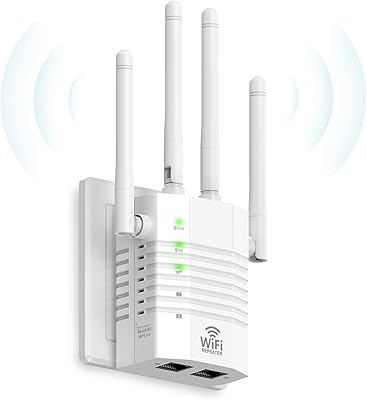
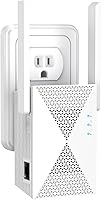
The MIKKOA 1200Mbps Dual-Band WiFi Range Extender is a newcomer from a brand most buyers won't recognize — and that's worth acknowledging upfront. MIKKOA isn't a household name in networking, but this range booster punches above its weight for the price. It plugs directly into a wall outlet, weighs just 5 ounces, and won't hog the adjacent socket. It covers both 2.4GHz and 5GHz bands, giving you flexibility across older and newer devices. One feature that genuinely stands out at this price point is the built-in ethernet port — something many competing extenders in this tier simply skip. Launched in mid-2025, it's already found a solid foothold in Amazon's Repeaters rankings.
Features & Benefits

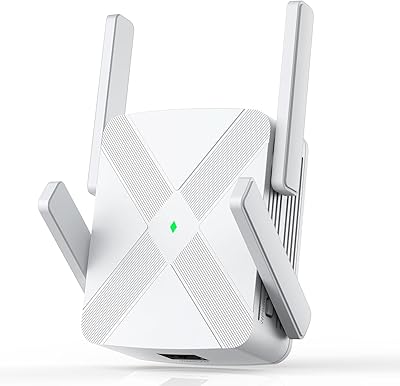
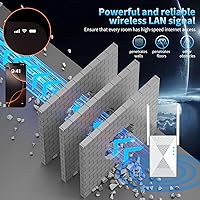
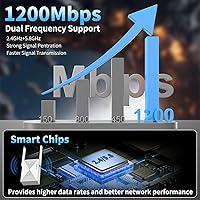
This range booster runs on a combined 1200Mbps across both bands — 300Mbps on 2.4GHz and 867Mbps on 5GHz, though you won't see both simultaneously. Four antennas, two of which are external, help push the signal through walls and floors better than a single-antenna device would. MIKKOA claims coverage up to 13,888 sq ft, but treat that as a best-case figure in an open space — real homes with thick walls will see considerably less. The ethernet port is a practical bonus for anyone wanting to hardwire a smart TV, IP camera, or printer. WPA2 encryption is supported, and the heat dissipation vents on both sides are designed to keep things stable during continuous 24-hour use.

Best For

This WiFi extender is a strong pick for anyone dealing with a weak signal in a garage, basement, or backyard — places where the router simply can't reach. It also makes sense for households juggling smart home gadgets, security cameras, and streaming devices, especially if some need a wired connection rather than wireless. Travelers and remote workers may appreciate how easy it is to unplug and carry, since setup reportedly takes just a few minutes. If you're regularly streaming high-resolution content in a far corner of the house, the 5GHz band helps keep things moving. This is firmly a budget-tier option, so don't expect tri-band mesh performance — but for straightforward coverage extension, it covers the basics well.

User Feedback

Early buyers generally appreciate the setup process, which most describe as taking under ten minutes without needing to read a manual. The ethernet port functionality gets consistent praise from users who connected IP cameras or consoles directly. On the downside, coverage complaints do show up — several buyers note that the 13,888 sq ft maximum is optimistic, and real-world range in homes with multiple walls or floors is considerably shorter. A handful of users also mention compatibility hiccups with certain ISP-provided router models, so checking your router specs beforehand is wise. Heat hasn't been a widely reported issue. Overall, sentiment leans positive for the price paid, with most buyers viewing it as a solid value pick rather than a premium networking solution.

Pros

  • Dual-band support lets you separate older smart home devices from bandwidth-heavy ones like laptops or streaming sticks.
  • The ethernet port is a rare feature at this price tier, useful for hardwiring cameras, printers, or consoles.
  • Setup is straightforward enough that most non-technical users can get it running in under ten minutes.
  • Lightweight and compact design means it plugs in without blocking the adjacent outlet.
  • Heat dissipation vents on both sides help maintain stable performance during extended continuous use.
  • WPA2 security support keeps the extended network protected against unauthorized access.
  • Compatible with virtually any standard router, so there is no need to worry about brand lock-in.
  • Four antennas help push the signal through walls and floors better than single-antenna budget extenders.
  • Works for both indoor dead zones and outdoor areas like gardens or patios.
  • Early sales rankings suggest it is gaining traction quickly, indicating reasonable buyer satisfaction.

Cons

  • The advertised 13,888 sq ft coverage is a best-case figure that most real homes will not come close to achieving.
  • As a newer, lesser-known brand, MIKKOA has no established track record for firmware updates or long-term support.
  • Combined 1200Mbps throughput is split across both bands, so actual per-device speeds are lower than the headline number suggests.
  • Some users report compatibility issues with specific ISP-provided router models, so checking beforehand is advisable.
  • Only one ethernet port is included, limiting wired connections to a single device at a time.
  • No dedicated mobile app for management or monitoring, which may frustrate users who prefer app-based control.
  • Signal quality in homes with thick concrete or brick walls can drop off significantly beyond one or two rooms.
  • This range booster introduces an extra network hop, which can add latency — a real concern for competitive online gaming.
  • No indication of a warranty period or reliable customer support channel from the manufacturer.

Ratings

The scores below for the MIKKOA 1200Mbps Dual-Band WiFi Range Extender were generated by our AI review engine after analyzing verified buyer feedback from multiple global marketplaces, with spam, bot activity, and incentivized reviews actively filtered out. The results reflect both what real users praised and where they ran into frustration, giving you a transparent picture of how this range booster actually performs in everyday home and office environments.
Ease of Setup
88%
Most buyers report getting this range booster up and running within ten minutes using the browser-based setup wizard, with no app download required. Non-technical users — including older adults setting it up independently — frequently mention that the on-screen instructions are clear enough to follow without outside help.
A minority of users tied to ISP-provided gateway routers describe a less smooth experience, occasionally needing to reset the device and retry. The lack of a companion mobile app is a minor frustration for those who prefer managing network devices from their phone.
Signal Coverage
62%
38%
In open-plan spaces and single-story homes, this range booster does a solid job pushing the signal into garages, patios, and back gardens that were previously unreachable. Four antennas — two external — give it a noticeable edge over single-antenna extenders at a similar price point.
The advertised 13,888 sq ft maximum is genuinely misleading for most buyers. In homes with brick walls, multiple floors, or dense layouts, real-world coverage drops substantially, and several users report dead zones persisting just two rooms away from where the unit is plugged in.
Connection Stability
71%
29%
For light-to-moderate use — browsing, streaming at 1080p, and smart home device communication — the connection holds up reliably over extended periods. Buyers who use it to extend signal to IP cameras and printers report consistent uptime with no frequent drops.
Users running bandwidth-heavy tasks like 4K streaming or video calls on the 5GHz band occasionally report intermittent disconnections, particularly after several hours of continuous use. A handful of buyers note that stability degrades when many devices are connected simultaneously.
Value for Money
83%
At its price point, the inclusion of an ethernet port and dual-band support is genuinely hard to match among competitors. Buyers who needed a simple, affordable fix for one or two dead zones consistently rate the value as strong, especially compared to mesh systems that cost several times more.
Buyers with higher expectations — particularly those hoping for whole-home coverage or performance on par with mid-range branded extenders — feel the value proposition weakens. If the real-world range falls short for your layout, the savings feel less meaningful.
Ethernet Port Performance
79%
21%
The ethernet port is one of the standout features at this tier, and users who connected IP cameras or network printers directly report stable, low-latency wired connections without frequent interruptions. It removes the need to rely on wireless for stationary devices, which is a practical win.
The port appears to be limited to 100Mbps rather than gigabit speeds, which caps wired throughput for devices that could otherwise handle faster connections. This is rarely a dealbreaker for cameras or printers, but it matters if you plan to hardwire a gaming console or NAS device.
Build Quality
67%
33%
The housing feels reasonably solid for a budget device, and the pale white finish is neutral enough to blend into most wall outlets without drawing attention. The dual-side heat vents are a thoughtful inclusion that suggests the design team considered long-term thermal management.
The plastic casing has a lightweight feel that some buyers associate with lower durability, and there is no IP rating for dust or moisture resistance. A few users noted the unit felt slightly loose in certain wall outlet types, which raised concerns about long-term physical security.
Heat Management
74%
26%
The heat dissipation vents on both sides do their job under normal operating conditions, and most buyers report the unit running warm but not uncomfortably hot after 24 hours of continuous use. This is a step up from budget extenders with no thermal design at all.
In warmer climates or when placed in enclosed spaces like cabinets or behind furniture, some users report the unit becoming quite hot to the touch, which occasionally coincides with signal instability. Placement in a well-ventilated spot is more or less mandatory for reliable long-term operation.
Router Compatibility
76%
24%
The MIKKOA extender works with the vast majority of standard dual-band routers on the market, and most buyers pairing it with popular consumer brands experience no compatibility issues during initial setup. Support for 802.11ac means it aligns well with routers made in the last several years.
Compatibility issues surface occasionally with certain ISP-bundled modem-router combos, particularly those that use custom firmware. Users in this situation sometimes need to adjust router settings manually, which isn't intuitive for less technical buyers and isn't documented in the included materials.
Multi-Device Performance
63%
37%
For households with a moderate number of devices — smartphones, a laptop, a smart TV, and a few smart home gadgets — the extender handles simultaneous connections without obvious slowdowns. The dual-band design helps distribute load rather than cramming everything onto a single frequency.
The manufacturer's claim of supporting 100-plus devices is technically possible but misleading in practice. Real throughput gets divided across every active device, and buyers running more than 15 to 20 data-hungry connections simultaneously tend to notice congestion and slower individual speeds.
Wireless Speed
68%
32%
On the 5GHz band in close proximity, speed tests show respectable throughput that handles 4K streaming and video calls without buffering in favorable conditions. For users whose main need is reliable speed in one specific room or area, it meets expectations at this price tier.
The 1200Mbps combined figure is a theoretical maximum that splits across both bands, meaning neither band gets the full rating. As distance from the extender increases or walls come into play, measured speeds drop noticeably — sometimes to a fraction of what the headline number implies.
Portability
81%
19%
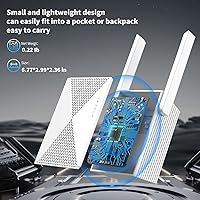
At just 5 ounces with a plug-in form factor, this range booster slips easily into a travel bag for hotel rooms, Airbnb stays, or temporary office setups. Remote workers who regularly move between locations find it a convenient and lightweight addition to their kit.
The plug-in design is inherently dependent on outlet placement, which isn't always ideal in hotel rooms or temporary spaces with limited socket access. There is no option for a standalone tabletop placement, which limits positioning flexibility compared to desktop-style extenders.
Security Features
72%
28%
Support for WPA2 encryption is the current standard for consumer wireless security, and its inclusion means the extended network isn't broadcasting an unprotected signal. For most home users, WPA2 is sufficient to protect everyday browsing and smart home device traffic.
The device still lists WEP as a supported protocol, which is an outdated and vulnerable standard that security-conscious users would want disabled. There is no mention of automatic firmware updates or a security patch schedule, which is a gap given MIKKOA's limited track record.
Brand Reliability
54%
46%
The product launched in mid-2025 and has climbed to a competitive rank in the Amazon Repeaters category relatively quickly, suggesting enough buyers have had satisfactory experiences to generate positive momentum. For a budget purchase with modest expectations, this is an acceptable starting point.
MIKKOA has no established history, no known customer support infrastructure, and no publicly documented firmware update policy — all of which matter for a device intended to run continuously. Buyers who prioritize long-term reliability and after-sales support should factor in the brand's newcomer status carefully.
Packaging & Documentation
61%
39%
The unit arrives in functional packaging that protects it adequately during shipping, and the basic setup guide is sufficient for standard installation scenarios. First-time extender buyers tend to find the included materials just enough to get started.
The documentation is thin and does not cover troubleshooting for common router compatibility issues or explain how to switch between repeater and access point modes clearly. Advanced configuration options are largely undocumented, leaving more curious users to figure things out through trial and error.

Suitable for:

The MIKKOA 1200Mbps Dual-Band WiFi Range Extender is a practical fit for renters and homeowners who have specific dead zones to fix — think a detached garage, a basement home office, or a backyard where the router signal never quite reaches. It works well for households that run a mix of older and newer devices, since dual-band support lets you assign bandwidth-hungry devices to 5GHz while keeping smart home gadgets on 2.4GHz. The built-in ethernet port is a genuine advantage for anyone who wants to hardwire a security camera, a printer, or a gaming console without running a cable all the way back to the router. Remote workers who travel frequently and need a compact, easy-to-configure signal booster for hotel rooms or temporary offices will also find it convenient. If your main frustration is spotty coverage in one or two areas of your home and you'd rather not invest in a full mesh system, this range booster addresses that problem at a very accessible price point.
Not suitable for:

The MIKKOA 1200Mbps Dual-Band WiFi Range Extender is not the right tool for buyers who need to blanket a very large or heavily partitioned home with reliable coverage. The manufacturer's 13,888 sq ft coverage figure is a theoretical maximum in open-air conditions — in a real two-story house with concrete walls or multiple floors, you can expect that number to drop substantially. Power users who stream, game, and video conference simultaneously across many devices will likely find the 1200Mbps combined throughput limiting, especially since that figure is split across both bands. Anyone considering replacing a weak router entirely, or upgrading to a mesh network for whole-home coverage, should look beyond this range booster — it extends an existing signal rather than replacing poor infrastructure. Buyers who are particular about brand reputation and long-term firmware support may also want to weigh the fact that MIKKOA is a relatively new and unknown manufacturer with a limited track record in the market.
Specifications

  • Brand: Manufactured by MIKKOA, a budget-oriented networking brand that entered the market in mid-2025.
  • Model: The unit is identified by the model number 1200Mbps, reflecting its combined dual-band throughput rating.
  • Frequency Bands: Operates on both 2.4GHz and 5GHz bands simultaneously, supporting a wide range of devices and use cases.
  • Max Throughput: Combined wireless throughput is rated at 1200Mbps, split across the two bands (300Mbps on 2.4GHz, 867Mbps on 5GHz).
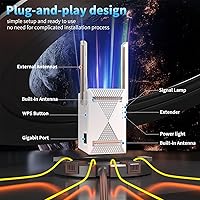
  • Antennas: Features four antennas in total — two external and two internal — to help extend signal reach and wall penetration.
  • Claimed Coverage: The manufacturer lists a maximum coverage area of up to 13,888 sq ft, which reflects open-space ideal conditions.
  • Ethernet Port: Includes one 10/100Mbps ethernet port, allowing a single wired device such as a camera, console, or printer to connect directly.
  • WiFi Standards: Supports IEEE 802.11a, 802.11b, 802.11g, 802.11n, and 802.11ac wireless communication standards.
  • Security: Compatible with WEP, WPA, and WPA2 wireless security protocols to help protect the extended network from unauthorized access.
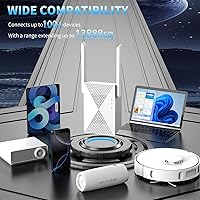
  • Device Support: Rated to handle connections from over 100 devices simultaneously across both frequency bands.
  • Dimensions: The unit measures 4.61 x 3.23 x 2.64 inches, making it compact enough to plug into a standard wall outlet without blocking the adjacent socket.
  • Weight: Weighs 5 ounces, keeping it light enough to unplug and carry for travel or temporary use.
  • Color: Available in a pale white finish that blends into most home or office wall environments without standing out.
  • Heat Management: Dual-side heat dissipation vents are built into the housing to support stable, continuous 24-hour operation.
  • Included Items: The package contains the WiFi extender body only; no ethernet cable or additional accessories are included.
  • Availability: First listed for sale on Amazon in July 2025, with a current Best Sellers Rank of #131 in the Repeaters category.

Related Reviews

FjUoLzgK M-97G WiFi Extender
74%
91%
Ease of Setup
67%
Signal Coverage
62%
5GHz Band Performance
78%
2.4GHz Band Reliability
83%
Ethernet Port Utility
More
Vonets VAP11AC AC1200 Dual Band WiFi Bridge
65%
74%
WiFi-to-Ethernet Bridging Performance
71%
Dual-Band Radio Coverage
78%
Thermal Management & Reliability
44%
Setup & Configuration Experience
81%
Operating Mode Versatility
More
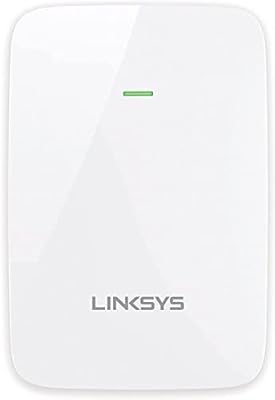
Linksys RE6350 AC1200 Dual-Band WiFi Extender
86%
91%
Setup & Installation
88%
Wi-Fi Performance
89%
Coverage Area
85%
Dual-Band Performance
84%
Streaming & Gaming
More
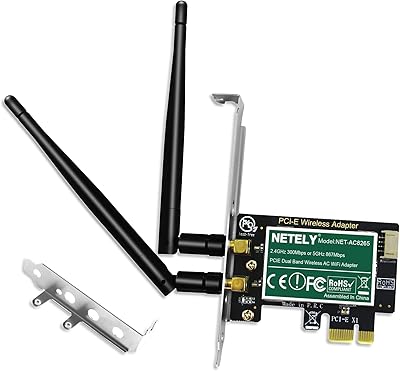
NETELY NET-AC8265 Dual Band Wireless-AC 1200Mbps PCIe WiFi Adapter with Bluetooth 4.2
81%
87%
Performance
75%
Ease of Installation
82%
Bluetooth Functionality
80%
Compatibility with Windows
90%
Gaming Performance
More
AOOEPU N1 WiFi Range Extender
68%
83%
Ease of Setup
71%
Signal Range Improvement
62%
Connection Stability
78%
Value for Money
58%
Speed Performance
More
TODAAIR AC1200 WiFi Range Extender
82%
88%
Wireless Coverage
85%
Dual-Band Performance
90%
Setup & Installation
82%
Device Capacity
80%
Speed Consistency
More
rockspace AC1200 WiFi Range Extender
83%
85%
Performance
92%
Ease of Setup
88%
Range Coverage
75%
Signal Stability
83%
Ethernet Port Functionality
More
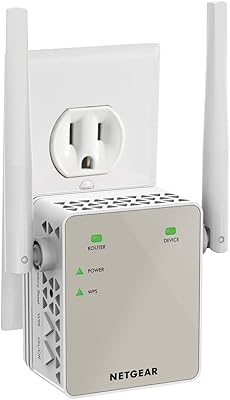
NETGEAR EX6120 WiFi Range Extender
74%
83%
Ease of Setup
76%
Signal Coverage
61%
Connection Speed
79%
Value for Money
58%
5GHz Band Performance
More
Surncest AX3000 WiFi 6 Range Extender
85%
88%
Value for Money
91%
WiFi Performance
85%
Setup & Installation
89%
Coverage & Range
80%
Build Quality
More
Linksys RE7310 WiFi 6 Range Extender
84%
89%
Performance
91%
Ease of Setup
88%
Coverage Area
84%
Speed Stability
92%
Compatibility
More

FAQ

This range booster is designed to work with any standard dual-band router regardless of brand — whether you have a unit from your ISP or a third-party model like ASUS, TP-Link, or Netgear. The only requirement is that your router broadcasts on 2.4GHz or 5GHz, which virtually all modern routers do. A small number of users have noted occasional hiccups with certain ISP-provided gateway devices, so if you have a combined modem-router unit, it's worth checking user feedback for your specific model.

Setup does not require a dedicated app. You typically plug the extender into a wall outlet, connect your phone or laptop to the extender's default network, open a browser, and follow a brief web-based wizard to connect it to your existing router. Most buyers report completing the process in under ten minutes without any technical background.

The MIKKOA 1200Mbps Dual-Band WiFi Range Extender lists 13,888 sq ft as its maximum coverage area, but that figure applies to open, unobstructed environments. In a typical home with drywall, wood-frame walls, and one or two floors, you should realistically expect the usable range to be considerably less. Think of it as a tool to eliminate one or two specific dead zones rather than a device that will blanket an entire large property.
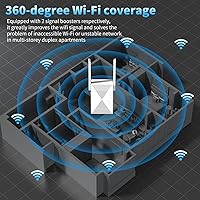
Yes, there is one ethernet port on the unit. This is handy if you want to hardwire a device that doesn't have reliable WiFi — like an IP camera, a network printer, or a game console — without running a cable all the way back to your main router. Keep in mind there is only one port, so you can only hardwire a single device at a time.

All WiFi extenders introduce some speed reduction because the device has to receive the signal and then rebroadcast it, which effectively halves available bandwidth on a single-band connection. This unit's dual-band design helps partially offset that because it can use one band to communicate with the router and the other to serve your devices — though how effectively it does this depends on your specific setup and router configuration.

The unit has heat dissipation vents on both sides specifically to handle continuous operation, and most buyers leave it running around the clock without issues. That said, if you notice it becoming unusually warm to the touch or the signal becoming unstable after extended use, giving it a brief rest or moving it somewhere with better airflow is a sensible precaution.

The listing mentions outdoor use as a supported scenario, and its coverage claim references spaces like gardens and garages. However, it is not a weatherproof or IP-rated device, so it should not be exposed to rain, direct moisture, or extreme temperatures. It works best when plugged into a covered outdoor socket or positioned inside near a window facing an outdoor area you want to cover.

The manufacturer rates it for over 100 simultaneous device connections across both bands combined. In practice, the more devices you have actively pulling data at once, the more the available bandwidth gets divided — so performance with 80 active streaming devices will differ significantly from 10 browsing devices. For most households, though, the device count limit will not be the bottleneck.

In standard repeater mode, this range booster creates a separate network name (SSID) that is distinct from your main router's network. This means your devices may not automatically hand off between the two as you move around, which can be a minor inconvenience. Some routers with smart connect features can help bridge this, but generally you may need to manually switch networks depending on where you are in your home.

No — a WiFi extender only rebroadcasts the signal your router is already producing. If your internet plan itself is slow or your router is the bottleneck, this range booster won't change that. It's specifically useful when your router's signal is strong near the source but loses strength or drops entirely in certain areas of your home. If the whole house feels slow, the issue likely needs to be addressed at the router or ISP level instead.