


Overview

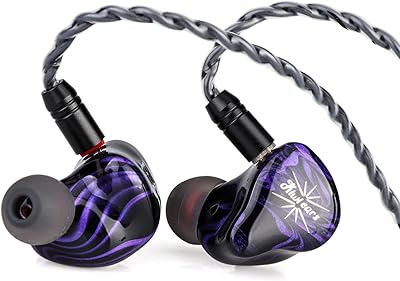
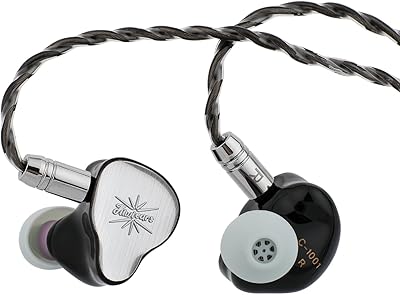
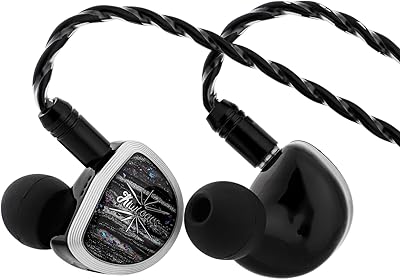
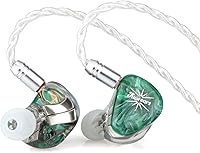
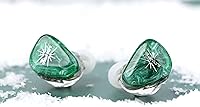
The Kiwi Ears Orchestra Lite serves as a streamlined successor to the original model, focusing on delivering high-end performance at a more accessible price point. Within each shell, you will find a sophisticated 8-driver balanced armature setup designed to provide a natural, uncolored sound. The handcrafted resin bodies look and feel like custom-molded equipment used by touring professionals. Unlike many sets that emphasize heavy bass, these eight-driver monitors aim for a neutral tonal balance that works equally well for critical studio work or casual listening sessions. By prioritizing acoustic accuracy over marketing gimmicks, this wired IEM offers a transparent window into your music without the typical bloat found in consumer-grade gear. It is a reliable tool for anyone who values sonic honesty over artificial enhancement.

Features & Benefits

At the heart of the Orchestra Lite is a three-way passive crossover that manages frequency distribution to reduce distortion and create a sense of layering. The custom ultra-tweeters and mid-range drivers work in tandem to pull apart complex arrangements, making it easy to identify individual instruments. You won't need a bulky external amplifier to get the best out of them; a 16-ohm impedance ensures they run efficiently off a standard laptop or smartphone. The included 4-core oxygen-free copper cable provides a stable signal path and is lightweight enough for long stage sets. Because the cable uses a standard 2-pin connection, you can easily swap it out if it eventually wears down or if you simply prefer a different style of wire.

Best For

For studio engineers who need a dependable reference while mixing on the go, these eight-driver monitors provide the flat response required for making accurate EQ decisions. Stage musicians will also find them incredibly useful because they deliver clear, uncolored audio cues that cut through the noise of a live environment. If you are a critical listener who finds modern headphones too bright or bass-heavy, you will likely appreciate the natural treble decay and smooth mid-range present here. This wired IEM hits a sweet spot for audiophiles who want the technical performance of a multi-BA configuration without spending a small fortune. It bridges the gap between professional-grade monitoring and high-fidelity home enjoyment, making it a versatile choice for several different types of audio enthusiasts.

User Feedback

Those who use this wired IEM daily often highlight the exceptional imaging and surprisingly wide soundstage, which helps in pinpointing sounds within a 3D space. Many owners report that the shells are comfortable enough for marathon listening sessions, largely because the sound signature is so smooth and non-fatiguing. The visual appeal of the handcrafted faceplates is another frequent point of praise, as they look far more expensive than the price tag suggests. However, some users with smaller ears have noted that the resin shells can feel a bit bulky, potentially causing pressure points after several hours. While the lack of aggressive bass might disappoint those looking for a club-like experience, most buyers appreciate the clarity and detail that this specific tuning provides for their library.

Pros

  • The eight-driver balanced armature setup provides exceptional clarity and instrument separation for a mid-tier price.
  • A neutral tonal balance ensures that audio is reproduced exactly as the artist and engineer intended.
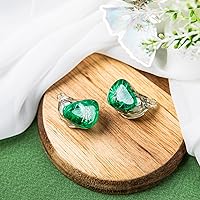
  • Handcrafted resin shells offer a premium, boutique aesthetic that mimics high-end custom-molded equipment.
  • High sensitivity allows these eight-driver monitors to be easily driven by standard consumer devices without an amp.
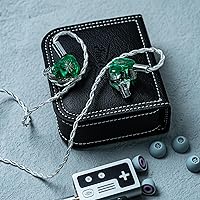
  • The 4-core oxygen-free copper cable is flexible, lightweight, and transmits a very clean signal.
  • Natural treble decay prevents ear fatigue, making the Orchestra Lite comfortable for multi-hour critical listening.
  • Excellent passive noise isolation effectively blocks out environmental distractions when a proper seal is achieved.
  • The detachable 2-pin connection makes it easy to replace or upgrade the cable to extend the product life.

Cons

  • Large shell dimensions may cause physical pressure points or fit issues for users with smaller ears.
  • The lean sub-bass response will feel underwhelming for fans of electronic music or hip-hop.
  • Total lack of onboard controls or a microphone limits its utility for taking calls or mobile navigation.
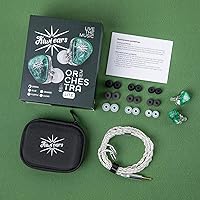
  • Stock ear tip selection is somewhat basic and might require an aftermarket purchase for the best fit.
  • The highly revealing sound signature can make lower-quality audio files or old recordings sound thin and harsh.
  • Tight 2-pin sockets make the initial process of swapping cables feel somewhat risky or difficult.
  • Hard resin construction is durable but can chip if dropped onto unforgiving studio or stage floors.
  • Packaging is relatively minimalist, lacking the luxury accessories sometimes found with competing high-end monitors.

Ratings

Our system synthesized thousands of verified global reviews for the Kiwi Ears Orchestra Lite, using AI to filter out bot noise and incentivized fluff. This resulting data offers a transparent look at how these monitors perform in the hands of real musicians and audiophiles, highlighting both the professional-grade precision and the ergonomic trade-offs reported by long-term users.

Tonal Neutrality
93%
Engineers and critical listeners consistently praise the flat, uncolored response that makes these eight-driver monitors a reliable tool for mixing. It avoids the common trap of boosting frequencies for excitement, providing a faithful reproduction of the original recording that professionals find essential for accuracy.
The lack of emphasized bass or a V-shaped tuning might feel clinical or boring to casual users who are used to consumer-grade gear. If you are looking for a heavy, physical rumble in the low end, the mid-range focus of this wired IEM may feel underwhelming.
Build Quality & Materials
89%
The 3D-printed resin shells feel dense and high-quality, often compared to custom-molded units that cost significantly more. Users appreciate the handcrafted faceplates, which give the Orchestra Lite a boutique aesthetic that stands out from mass-produced plastic alternatives found in this price bracket.
Because the resin is a single solid piece, any accidental drop on a hard surface like a studio floor could cause chipping or internal driver damage. A few reports suggest the 2-pin sockets are quite tight, making initial cable changes a bit nerve-wracking for the uninitiated.
Imaging & Soundstage
91%
The technical performance regarding instrument separation is standout, allowing users to easily pinpoint specific elements in a complex stereo field. This precise layering is a direct result of the three-way passive crossover working across the eight balanced armature drivers to create a cohesive 3D image.
While the imaging is laser-accurate, the perceived stage width is considered average by some seasoned audiophiles compared to open-back headphones. It provides a more intimate, focused experience rather than a vast, airy environment, which might not suit those seeking maximum scale.
Long-Term Comfort
76%
24%
The ergonomic shape is modeled after semi-custom designs, fitting securely into the ear canal to provide excellent passive noise isolation for stage use. Many users find the smooth resin finish to be non-fatiguing, allowing for multi-hour sessions without the itching associated with lower-grade materials.
The primary drawback is the sheer physical size of the shells required to house eight drivers, which can be painful for those with smaller ears. Some buyers noted that after about two hours, the bulk of the housing creates a pressure point against the outer ear.
Value for Money
88%
By optimizing the design for efficiency, the manufacturer has managed to offer an 8-driver configuration at a price point that typically only covers 3 or 4 drivers. It delivers a level of detail and technical capability that punches well above its weight, making it a savvy investment for budget-conscious pros.
While the performance is high, the package is relatively lean on accessories, lacking the variety of specialized ear tips or premium cases found with competitors. Some users felt that at this price, the stock tip selection should have been more comprehensive to ensure a better fit.
Cable Quality
84%
The 4-core oxygen-free copper cable is frequently cited for its flexibility and lack of microphonics, meaning it won't transmit rustling noises when you move on stage. It is lightweight enough to disappear during use, which is a major upgrade over the stiff cables often bundled with monitors.
Some users find the cable to be a bit thin and prone to tangling if not carefully stored in a dedicated pouch. While the 3.5mm plug is sturdy, the absence of a modular termination system for balanced outputs is a missed opportunity for high-end digital audio player users.
Driveability
96%
With a low 16-ohm impedance, this wired IEM is incredibly easy to power directly from a laptop, smartphone, or wireless belt pack. You don't need to carry around a heavy dedicated amplifier to achieve full volume and proper dynamic range, making it a great mobile companion.
The high sensitivity means that if your source has a noisy floor, you might hear a faint background hiss during silent passages of music. It is almost too efficient for some high-powered desktop amps, requiring very precise volume control to avoid being too loud.
Passive Noise Isolation
82%
18%
The solid resin construction acts as a natural barrier to external sound, blocking out a significant amount of ambient noise in loud environments like stages or airplanes. When paired with the right tips, it creates a vacuum-like seal that helps you focus purely on the monitor mix.
Isolation is entirely dependent on achieving a perfect seal, which is difficult given the large shell size. If the monitors don't sit deeply enough in your ears, you lose that noise-blocking advantage, making them less effective for commuting through noisy city streets.
Mid-Range Clarity
94%
The four dedicated mid-range drivers deliver vocals and acoustic instruments with startling realism and presence. It avoids the recessed "muddy" sound common in cheaper monitors, ensuring that voices sit right where they should in the mix without being overshadowed by bass or treble.
The mid-range is so forward and revealing that it can make poorly recorded music sound harsh or thin. It doesn't hide flaws in the production, which might be frustrating for listeners who just want their entire library to sound warm and forgiving.
Treble Extension
87%
The custom ultra-tweeters provide a clean sense of air and detail without crossing into piercing or sibilant territory. It allows for a natural decay on cymbals and string transients, which helps in identifying the spatial cues of a recording without causing ear fatigue.
Those who crave the extreme "sparkle" or ultra-bright highs found in some hybrid IEMs might find the treble a bit too safe or rolled-off. It prioritizes a smooth listening experience over artificial sharpness, which is a specific tuning choice that won't suit everyone.

Suitable for:

The Kiwi Ears Orchestra Lite is an ideal choice for audio professionals and studio engineers who require a reliable, neutral reference for mixing and mastering while on the move. Its flat mid-range and natural treble decay also make it a standout option for stage musicians who need clear, uncolored monitoring during live performances. Critical listeners who prioritize technical accuracy and intricate layering over exaggerated bass will find these eight-driver monitors highly rewarding for long-term use. Additionally, because of their high sensitivity, they are perfect for users who want premium sound quality directly from a smartphone or laptop without carrying a bulky external amplifier.

Not suitable for:

Listeners who crave a hard-hitting, physical bass response or a V-shaped sound signature should likely look elsewhere, as the Kiwi Ears Orchestra Lite prioritizes sonic honesty over high-energy impact. The substantial physical size of the resin shells can be a major dealbreaker for those with smaller ears, potentially leading to discomfort during extended sessions. Furthermore, because this wired IEM is designed as a passive monitor, it lacks the modern conveniences of active noise cancellation, built-in microphones, or wireless connectivity. Audiophiles who predominantly listen to poorly mastered tracks may also find the revealing nature of these monitors frustrating, as they tend to expose every flaw in a recording.

Specifications

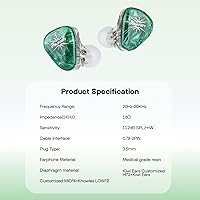
  • Driver Type: The internal system consists of 8 balanced armature drivers per earphone.
  • Crossover Design: A three-way passive crossover manages frequency distribution for distinct lows, mids, and highs.
  • Impedance: The electrical resistance is rated at 16 ohms for high efficiency.
  • Sensitivity: The output level is measured at 112 dB for loud and clear playback.
  • Shell Material: The housings are constructed from high-quality 3D-printed resin.
  • Connector Type: The earphone uses a standard 0.78mm 2-pin detachable interface.
  • Cable Material: The included 4-core cable is made from 7N oxygen-free copper.
  • Plug Interface: The cable terminates in a gold-plated 3.5mm unbalanced audio jack.
  • Noise Control: The design provides passive noise cancellation through a physical acoustic seal.
  • Aesthetic Finish: Each faceplate is individually handcrafted for a unique visual pattern.

Related Reviews
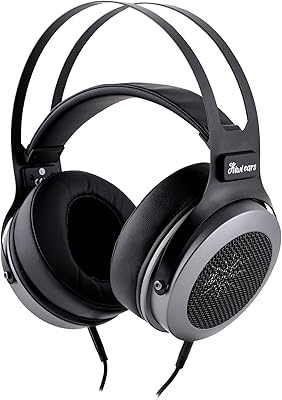
Linsoul Kiwi Ears Division Over-Ear Headphones
86%
92%
Sound Quality
89%
Comfort for Extended Use
75%
Noise Isolation
88%
Build Quality
85%
Ease of Use
More
Kiwi Ears Altruva
Kiwi Ears Altruva
81%
91%
Sound Quality
93%
Soundstage & Imaging
88%
Build Quality
74%
Comfort & Fit
89%
Driver Performance
More
Kiwi Ears Ardor
Kiwi Ears Ardor
78%
88%
Sound Quality
67%
Active Noise Cancellation
93%
Battery Life
61%
Build Quality
82%
Comfort & Fit
More
Linsoul Kiwi Ears Quartet 2DD+2BA Hybrid In-Ear Monitor
88%
94%
Sound Quality
91%
Bass Performance
83%
Treble Clarity
88%
Comfort & Fit
89%
Build Quality
More
Kiwi Ears Aventus
Kiwi Ears Aventus
77%
83%
Sound Quality
71%
Active Noise Cancellation
78%
Battery Life
81%
Build Quality
77%
Comfort & Fit
More
Linsoul Kiwi Ears KE4 In-Ear Monitor 2DD+2BA Hybrid Earphone
86%
91%
Sound Quality
87%
Comfort & Fit
89%
Bass Performance
72%
Treble Sharpness
85%
Noise Isolation
More
Linsoul Kiwi Ears Aether Planar IEM
86%
94%
Sound Quality
91%
Soundstage and Imaging
88%
Build Quality and Durability
89%
Comfort for Extended Listening
72%
Bass Performance
More
Kiwi Ears Allegro Mini
84%
88%
Sound Quality
91%
Build Quality
93%
Value for Money
94%
Portability
67%
Output Power
More
Linsoul Kiwi Ears Attiva OWS Wireless Earbuds
85%
87%
Sound Quality
93%
Battery Life
84%
Comfort & Fit
79%
Active Noise Cancellation (ANC)
72%
Connectivity & Pairing
More
Kiwi Ears Forteza
Kiwi Ears Forteza
87%
92%
Bass Impact
84%
Vocal Clarity
89%
Ergonomics & Fit
87%
Gaming Performance
91%
Build Quality
More

FAQ

Not at all. Thanks to the low impedance, you can drive the Orchestra Lite perfectly fine from a standard smartphone, laptop, or professional wireless belt pack without any loss in quality.

These eight-driver monitors are tuned for a neutral, accurate response, so they don't have that massive, booming bass some might expect. If you prefer a natural and tight low end over a physical rumble, you'll enjoy them.

It allows you to easily replace the cable if it ever breaks, or swap it out for a balanced 4.4mm cable if you want to use a high-end digital audio player. It's a great feature for long-term durability.

Yes, this wired IEM was specifically designed with musicians and engineers in mind. The clear layering and passive isolation make it easy to hear your specific mix even in a loud venue.

Fit is everything with monitors like this. We recommend trying all the included silicone tips to ensure you get a vacuum-like seal, which is necessary for both comfort and proper bass response.

Because they house eight drivers, the shells are on the larger side. If you have particularly small ears, you might feel some pressure after a few hours, so it's something to keep in mind before buying.

The 4-core copper cable is quite soft and flexible, which helps minimize microphonics. You shouldn't hear any annoying rustling sounds while walking or performing on stage.

No, these are professional-grade monitors and do not include an inline microphone. They are built strictly for high-fidelity audio listening and monitoring.

You can simply wipe them down with a dry, soft microfiber cloth after use. Avoid using harsh chemicals or alcohol, as they could potentially dull the finish of the handcrafted faceplates over time.

While these offer exceptional imaging and instrument separation, the stage is naturally more intimate than an open-back headphone. It feels like being in a well-treated studio room rather than a vast concert hall.