




Overview

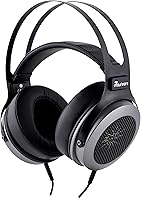
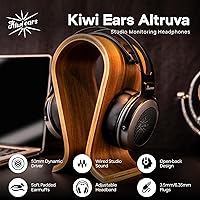
The Kiwi Ears Altruva is an open-back over-ear headphone built for audiophiles and studio-minded listeners who want accurate, balanced sound without spending a fortune. The tuning follows a studio monitor philosophy — bass that hits with purpose but stays out of the midrange, natural vocals, and a treble that feels open rather than fatiguing. Being open-back means sound leaks in both directions, so these are strictly a home or studio tool, not something you would wear on a commute. The construction uses PVD-coated steel, wood accents, and vegan leather, which feels considered for this price tier. Wired only, no Bluetooth.

Features & Benefits

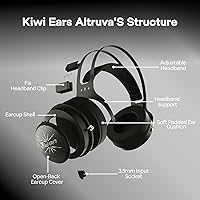
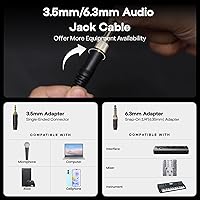
At the core of this audiophile headset sits a custom 50mm dynamic driver with a PU and PEK composite diaphragm and an ultra-pure copper voice coil ring — a combination aimed at improving resolution in the mid and upper frequencies. The open-back housing creates a wide, airy soundstage that closed-back designs simply cannot replicate. At 32 Ohm impedance, you can drive these straight from a phone, laptop, or basic DAC without needing a dedicated headphone amplifier. The detachable dual-sided 3.5mm cable adds practical flexibility, and the included 6.3mm adapter makes them ready for mixing desks or studio interfaces right out of the box.

Best For

These open-back headphones are a natural fit for home listening and studio work where accuracy matters more than isolation. If you are mixing, mastering, or just critically listening to music in a quiet room, the flat, reference-leaning tuning rewards that kind of attention. Audiophile beginners moving past entry-level headphones will find a noticeable step up in detail and staging. Gamers who care about positional audio will also appreciate the wide, enveloping soundstage. Anyone expecting to use them in a shared office, on public transport, or in noisy environments should look elsewhere — the open design simply is not built for that.

User Feedback

With a 4.6-star average across roughly 96 ratings, early reception is encouraging, though it is worth noting the review count is still limited. Buyers most frequently highlight the wide, open soundstage as something that punches above expectations at this price. Vocal clarity and midrange accuracy also draw consistent praise. On the critical side, a handful of reviewers feel the low end lacks weight for bass-heavy genres, which is consistent with the monitor-style tuning — not a flaw, but a deliberate trade-off. Build quality earns repeated compliments, particularly the wood and metal detailing. No major comfort complaints have surfaced prominently yet.

Pros

  • Wide, open soundstage that genuinely outperforms most closed-back headphones at this price tier.
  • Vocals and acoustic instruments reproduce with natural accuracy — no artificial coloring or honky midrange.
  • 32 Ohm impedance means no expensive amplifier is needed to get full performance.
  • Detachable cable reduces the most common failure point; replacements are cheap and easy to find.
  • Included 6.3mm adapter makes these immediately compatible with studio interfaces and mixing desks.
  • PVD-coated steel and wood construction feels premium and well-assembled, not hollow or flimsy.
  • Treble is detailed and airy without crossing into harsh or fatiguing territory on well-recorded music.
  • Audiophile beginners get a credible taste of reference-grade sound without a large financial commitment.
  • Positional audio in games is noticeably sharper and more directional than with typical gaming headsets.

Cons

  • Sound leaks freely in both directions — a genuine dealbreaker in shared or public environments.
  • At 1.61 pounds, extended wear sessions can cause neck and head fatigue over several hours.
  • No carrying case or protective pouch is included, making safe storage and transport inconvenient.
  • The low end lacks weight for bass-heavy genres; this is not the right pick for EDM or hip-hop listeners.
  • No Bluetooth, no wireless option — use cases are strictly tethered to a wired source.
  • Cable connection at the headphone end has been reported to feel slightly loose on some units over time.
  • No inline microphone makes these unsuitable as a communication headset without additional equipment.
  • Vegan leather earpads have an uncertain long-term durability track record given the product is still new to market.

Ratings

The Kiwi Ears Altruva has been scored by our AI engine after analyzing verified buyer reviews from global markets, with spam, bot activity, and incentivized feedback actively filtered out. The result is an honest picture of where these open-back headphones genuinely perform and where they fall short — strengths and pain points included in equal measure.

Sound Quality
91%
The studio monitor tuning wins consistent praise from listeners who want accuracy over colored sound. Vocals sit in the mix naturally, instruments feel separated rather than compressed, and the treble has an openness that makes long listening sessions genuinely enjoyable without listener fatigue creeping in.
Buyers expecting a warm, bass-forward signature may find the sound leaner than anticipated. The low end is present and well-controlled, but it is tuned for precision rather than impact, which puts off listeners who prefer a more consumer-oriented, bass-emphasized response.
Soundstage & Imaging
93%
This is where the Altruva consistently surprises buyers at its price point. The open-back architecture creates a sense of space that sounds genuinely wide and three-dimensional — particularly noticeable when mixing tracks or playing games where positional audio is critical.
The expansive soundstage comes with an unavoidable trade-off: sound leaks both in and out freely. In a quiet room it is transformative; on a train or in a shared office, the open design becomes a practical problem for both the wearer and anyone nearby.
Build Quality
88%
The combination of PVD-coated steel, wood earcup accents, and vegan leather padding gives the headset a look and feel that buyers consistently describe as punching above expectations. The materials feel deliberate rather than decorative, and the overall assembly inspires confidence in day-to-day handling.
A few reviewers note that the wood and metal combination adds noticeable weight — at 1.61 pounds, extended sessions can feel tiring on the neck and top of the head. The premium materials are appreciated, but the weight distribution is not universally comfortable across longer wear periods.
Comfort & Fit
74%
26%
The over-ear fit with vegan leather pads covers ears fully without excessive clamping force, which most buyers find comfortable for listening sessions of an hour or two. The headband adjustment feels solid and holds its position well once set.
Beyond the weight concern, some users with larger heads or those wearing glasses report that the seal and pressure become uncomfortable over extended use. For dedicated studio work lasting several hours, the comfort profile is adequate but not class-leading at this price range.
Driver Performance
89%
The custom 50mm dynamic driver with its PU and PEK composite diaphragm handles mid and upper frequencies with notable clarity and resolution. Fine details in acoustic recordings — finger slides on guitar strings, breath in vocal takes — come through with a precision that rewards attentive listening.
The driver design prioritizes transparency over excitement in the bass register. Sub-bass extension is limited, and for listeners who regularly consume EDM, hip-hop, or any genre where low-end weight is central to the experience, the performance in that range will feel insufficient.
Value for Money
86%
For those squarely in the target audience — audiophile beginners, home studio users, or gamers who care about soundstage — the price-to-performance ratio is genuinely strong. The open-back soundstage and driver quality would typically cost significantly more from established Western audio brands.
The value calculation shifts for buyers who are not the intended audience. Without noise isolation, Bluetooth, or any active features, shoppers who want versatility across multiple use cases will feel the single-use nature of an open-back wired headphone does not justify the outlay.
Ease of Driving
92%
At 32 Ohms and 98dB sensitivity, the Altruva is one of the more accessible open-back headphones to drive without dedicated equipment. A smartphone, laptop headphone jack, or a basic USB DAC all deliver sufficient volume and dynamics without any audible strain or distortion at moderate listening levels.
While amplification is not required, buyers who do run these through a proper DAC and amplifier setup will notice a meaningful improvement in refinement and control. Without that investment, some of the driver potential is left on the table, which creates a mild expectations gap for pure out-of-the-box users.
Cable & Connectivity
78%
22%
The detachable dual-sided 3.5mm cable is a practical design choice that reduces the risk of a single point of failure, and the included 6.3mm adapter means the headphones are immediately compatible with studio interfaces and mixing desks without purchasing additional accessories.
The cable included in the box is functional but not exceptional. A small number of users report the connection at the headphone end feels slightly loose over time, and the cable itself is not particularly flexible in cold conditions, which limits comfortable positioning on a desk setup.
Noise Isolation
41%
59%
For studio or home listening, the passive noise isolation provided by the over-ear pads is enough to take the edge off very low background noise — air conditioning hum, for example — without disrupting the open-back acoustic design that defines the headphone.
This is not a category the Altruva can genuinely compete in, and that is by design. Open-back architecture means external sounds bleed in clearly and audio leaks outward at comparable volume. Any buyer prioritizing isolation — for travel, open-plan offices, or shared spaces — needs to look at a closed-back alternative.
Midrange Accuracy
91%
Vocal reproduction is a consistent highlight in user feedback. Whether tracking a singer in a home studio or critically listening to a jazz record, the midrange feels natural and uncolored. Instruments occupy their correct register without the honky or nasal coloring that plagues some budget dynamic drivers.
The accuracy that makes vocals and acoustic instruments shine works against the headphone in genres where a boosted, warm midrange is expected or preferred. Listeners accustomed to a V-shaped or warm signature may find the flat midrange presentation sounds thin or distant until they adjust to the reference-tuned approach.
Treble Clarity
87%
The upper frequencies are detailed and airy without crossing into harsh or sibilant territory during normal listening levels. Cymbal decay, string overtones, and high-frequency reverb tails all come through cleanly — a characteristic that studio-oriented listeners specifically seek out and that early buyers comment on positively.
At higher volumes, a small number of users report the treble can edge toward brightness on certain recordings that were already mixed with a forward top end. This is track-dependent rather than a consistent flaw, but listeners who are particularly sensitive to high frequencies should be aware of it.
Unboxing & Accessories
69%
31%
The included 6.3mm adapter is a thoughtful addition that makes the headphones immediately usable in professional environments. The cable being detachable from day one also sets a better standard than many competitors at this tier who still use fixed cables.
Beyond the adapter and cable, the package is fairly minimal. There is no carrying case or pouch included, which is a practical concern for buyers who want to store or transport the headphones safely. At this price, a basic soft pouch would have meaningfully improved the unboxing experience.
Gaming Performance
83%
The wide, open soundstage translates directly into a competitive advantage in games where audio positioning matters — footsteps, directional cues, and environmental sounds are notably easier to place compared to most closed-back gaming headsets. Audiophile gamers who already own a microphone will find these a strong pickup.
The open design means background sound from the room bleeds into any microphone placed nearby, which is a limitation in gaming contexts where teammates are listening. There is no inline microphone, no wireless capability, and no gaming-specific software, making these a purely audio-focused choice for the gaming use case.
Long-Term Durability
72%
28%
The steel and wood construction suggests reasonable long-term durability compared to all-plastic alternatives. The detachable cable is a significant practical advantage — the most common point of failure in wired headphones can simply be replaced rather than causing the entire headset to become unusable.
The review pool is still relatively small and the product is new to market, so there is limited data on how the vegan leather pads hold up over one to two years of regular use. Vegan leather across earpads has a known degradation pattern over time, and long-term wear remains an open question here.

Suitable for:

The Kiwi Ears Altruva was built for a specific kind of listener, and if you fit that profile, it delivers genuine value. Home audiophiles who do most of their listening in a quiet room — whether that is a dedicated listening chair, a home studio desk, or a gaming setup — will find the open-back sound signature transformative compared to what typical closed-back headphones offer at this price. Beginner audiophiles ready to step beyond entry-level gear will notice an immediate improvement in detail, vocal clarity, and spatial realism without needing to invest in a separate headphone amplifier, since the 32 Ohm impedance runs comfortably off a phone or basic DAC. Music producers and home studio engineers doing reference monitoring or casual mix checks will appreciate the flat, accurate tuning that does not flatter recordings but tells the truth about them. Gamers who already own a standalone microphone and prioritize hearing enemy footsteps and environmental audio over convenience features will also get strong mileage from these open-back headphones.

Not suitable for:

The Kiwi Ears Altruva is a poor match for anyone whose lifestyle demands versatility beyond a quiet, controlled listening environment. If you commute by train or bus, work in an open-plan office, or share a room with other people, the open-back design will frustrate everyone involved — sound leaks outward at a level that is clearly audible to those nearby, and external noise bleeds in equally freely. There is no Bluetooth, no wireless mode, and no inline microphone, so this audiophile headset cannot function as a hands-free communication tool or a casual all-day headphone on a mobile device. Bass-heads and listeners who enjoy EDM, hip-hop, or any genre that depends on a physical low-end punch should look elsewhere — the tuning is deliberately reference-flat, not warm or bass-boosted, and no amount of EQ adjustment fully changes that character. At 1.61 pounds, extended multi-hour wear can become physically tiring, which is worth considering for anyone planning to use them as a primary all-day headphone rather than a focused listening tool.

Specifications

  • Driver Type: The headphone uses a custom 50mm dynamic driver with a PU and PEK composite diaphragm and an ultra-pure copper voice coil ring.
  • Acoustic Design: Open-back architecture allows unrestricted airflow through the earcups, producing a wide and natural soundstage at the cost of noise isolation.
  • Impedance: Impedance is rated at 32 Ohm, making the headphone easy to drive from consumer-grade sources without a dedicated amplifier.
  • Sensitivity: Sensitivity is specified at 98dB plus or minus 3dB, providing sufficient volume output from smartphones, laptops, and basic DAC units.
  • Frequency Response: The driver covers a frequency range of 20Hz to 40kHz, spanning the full audible spectrum and extending into the ultrasonic range.
  • Connection Type: Connectivity is wired only via a dual-sided 3.5mm detachable cable, with no Bluetooth or wireless capability of any kind.
  • Included Adapter: A 6.3mm headphone jack adapter is included in the box, enabling direct connection to studio interfaces, amplifiers, and mixing desks.
  • Cable Design: The cable is detachable and connects to both earcups via dual-sided 3.5mm plugs, reducing single-point failure risk and allowing cable replacement.
  • Ear Placement: Over-ear fit with full-size earcups that enclose the ear completely rather than resting on the outer ear.
  • Noise Control: Noise management is passive only; the earcup padding provides minimal ambient sound attenuation with no active noise cancellation technology.
  • Materials: The headphone is constructed from PVD-coated steel for the headband, wood accents on the earcup housings, and vegan leather for the ear pads.
  • Weight: Total unit weight is 1.61 pounds, which places it on the heavier side for over-ear headphones in this category.
  • ANC: Active noise cancellation is not available on this model; the design is purely passive in terms of noise management.
  • Bluetooth: Bluetooth is not supported; the headphone operates exclusively as a wired device.
  • Headphone Jack: The headphone is compatible with standard 3.5mm audio outputs and, via the included adapter, with 6.3mm professional jack connections.
  • Tuning Profile: The headphone is tuned to a studio monitor reference profile with a balanced midrange, controlled bass, and transparent treble rather than a consumer V-shaped signature.
  • Ear Pad Material: Earpads are covered in vegan leather, offering a cruelty-free alternative to genuine leather with a comparable surface texture.
  • Diaphragm Composition: The driver diaphragm combines polyurethane and polyether ketone composite materials, chosen to improve stiffness-to-weight ratio and upper-frequency resolution.

Related Reviews
Linsoul Kiwi Ears Division Over-Ear Headphones
86%
92%
Sound Quality
89%
Comfort for Extended Use
75%
Noise Isolation
88%
Build Quality
85%
Ease of Use
More
Kiwi Ears Orchestra Lite
88%
93%
Tonal Neutrality
89%
Build Quality & Materials
91%
Imaging & Soundstage
76%
Long-Term Comfort
88%
Value for Money
More
Kiwi Ears Ardor
Kiwi Ears Ardor
78%
88%
Sound Quality
67%
Active Noise Cancellation
93%
Battery Life
61%
Build Quality
82%
Comfort & Fit
More
Linsoul Kiwi Ears Quartet 2DD+2BA Hybrid In-Ear Monitor
88%
94%
Sound Quality
91%
Bass Performance
83%
Treble Clarity
88%
Comfort & Fit
89%
Build Quality
More
Kiwi Ears Aventus
Kiwi Ears Aventus
77%
83%
Sound Quality
71%
Active Noise Cancellation
78%
Battery Life
81%
Build Quality
77%
Comfort & Fit
More
Linsoul Kiwi Ears KE4 In-Ear Monitor 2DD+2BA Hybrid Earphone
86%
91%
Sound Quality
87%
Comfort & Fit
89%
Bass Performance
72%
Treble Sharpness
85%
Noise Isolation
More
Linsoul Kiwi Ears Aether Planar IEM
86%
94%
Sound Quality
91%
Soundstage and Imaging
88%
Build Quality and Durability
89%
Comfort for Extended Listening
72%
Bass Performance
More
Linsoul Kiwi Ears Attiva OWS Wireless Earbuds
85%
87%
Sound Quality
93%
Battery Life
84%
Comfort & Fit
79%
Active Noise Cancellation (ANC)
72%
Connectivity & Pairing
More
Kiwi Ears Allegro Mini
84%
88%
Sound Quality
91%
Build Quality
93%
Value for Money
94%
Portability
67%
Output Power
More
Kiwi Ears Forteza
Kiwi Ears Forteza
87%
92%
Bass Impact
84%
Vocal Clarity
89%
Ergonomics & Fit
87%
Gaming Performance
91%
Build Quality
More

FAQ

No, you do not. The Kiwi Ears Altruva sits at 32 Ohm impedance with 98dB sensitivity, which means a smartphone, laptop headphone jack, or a basic USB DAC will drive it to comfortable listening volumes without issue. That said, pairing it with a quality DAC and amp will extract more refinement and detail from the driver if you want to go further down the audiophile path.

It is significant, and you should plan accordingly. Open-back headphones by design allow sound to pass freely in both directions, so anyone sitting nearby — a partner, a roommate, a colleague — will hear what you are listening to at a clearly audible level. These are strictly for private, quiet environments like a home listening room or a personal studio space.

Yes. The cable is detachable and connects via standard dual-sided 3.5mm plugs, so any compatible aftermarket cable will work as a replacement. This is one of the better practical design choices on these open-back headphones, since cable damage is by far the most common reason wired headphones get retired prematurely.

Honestly, not ideally. The tuning on the Altruva is modeled after a studio reference profile — the bass is controlled and fast, but it is not boosted or warm. If your listening diet is primarily genres that depend on physical low-end impact and sub-bass weight, you will likely find the sound leaner than expected. It rewards acoustic music, jazz, rock, and vocal-led recordings far more than bass-heavy electronic genres.

For sessions of one to two hours, most users find the fit perfectly acceptable. The over-ear design with vegan leather pads does not create excessive clamping pressure. However, at 1.61 pounds the headphone is on the heavier side, and for longer sessions — three or four hours of continuous wear — some users report neck and head fatigue becoming noticeable. If you plan marathon listening sessions, try to take regular breaks.

Yes to both. This audiophile headset performs well for gaming precisely because the open-back soundstage makes positional audio — footsteps, directional cues, environmental sounds — noticeably more defined than most closed-back gaming headsets. However, there is no built-in microphone, so you will need a standalone mic or clip-on mic to communicate with teammates. The open design also means room audio can bleed into nearby microphones at moderate levels.

The package includes the headphones, a detachable dual-sided 3.5mm cable, and a 6.3mm headphone jack adapter. There is no carrying case or storage pouch included, which is worth noting if you plan to store or transport the headphones regularly.

The materials — PVD-coated steel headband, wood earcup housings, and vegan leather pads — are a noticeable step above the all-plastic construction common at this price tier. Early buyers consistently describe the build as feeling premium and well-assembled. The main unknown is long-term durability of the vegan leather pads, which is a common wear point on any headphone over one to two years of regular use, and the product is still too new for that data to exist yet.

If your phone still has a 3.5mm headphone jack, you can plug these in directly with the included cable and they will work fine. If your phone uses USB-C only, you will need a USB-C to 3.5mm adapter, which is inexpensive and widely available. The low impedance and high sensitivity mean no special equipment is required on the source side.

The single biggest difference is soundstage — the sense of width, depth, and space in the music. Closed-back headphones tend to create an in-the-head listening experience where sound feels compressed and centered. Open-back designs like this one produce a much more natural, speaker-like presentation where instruments and sounds are spread across a wider three-dimensional space. The trade-off is that you lose noise isolation almost entirely, which is why the use case is limited to quiet, private environments.