Overview

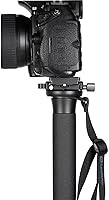
The Leofoto MP-366C Carbon Fiber Travel Monopod is a serious piece of kit built for photographers who move fast and shoot light. Carbon fiber is the real story here — compared to aluminum alternatives, it sheds weight noticeably while absorbing vibration better, which matters across a full day at a wildlife reserve or a long hike to a remote location. This 6-section monopod can serve as a fixed video support, a low-angle camera platform, or a trekking pole on rough terrain — three distinct roles that make the mid-to-premium price feel reasonable. One important note: no head is included, so factor that into your total budget before purchasing.

Features & Benefits

Six collapsible sections with flip-lock closures let you go from packed to shooting height in seconds — a small thing until you are chasing light at golden hour. Fully extended, this carbon fiber monopod reaches about 65 inches, tall enough for most standing shooting positions, yet it collapses to under 18 inches for clean packing in a carry-on or hiking pack. The load rating handles a full-frame body paired with a heavy telephoto lens without flex or creep. Dual thread mounts — both 1/4-inch and 3/8-inch — mean you are not locked into a specific head type. The detachable locking sleeve at the base enables a low-angle tripod stance, giving the monopod a functional range most competitors simply do not offer.

Best For

This 6-section monopod is genuinely well-suited for anyone working in conditions where setup time and carry weight cost you shots. Think wildlife photographers staking out unpredictable subjects, sports shooters navigating sidelines, or videographers needing fluid movement without lugging a full tripod. It also makes a credible case for hikers and trekkers who want camera support that pulls double duty on the trail. Photographers switching from aluminum will notice real fatigue savings by day's end. It handles DSLRs, mirrorless systems, and action cameras without complaint. Where it is less compelling is studio or controlled indoor use — this is an outdoor, on-the-move tool through and through.

User Feedback

Owners consistently praise the build rigidity — the carbon fiber feels solid without the hollow flex common in cheaper tubes, and most report the flip locks staying tight across months of field use. Compactness gets singled out often; photographers note it disappears easily into a bag side pocket or overhead bin. The less enthusiastic feedback clusters around two points: no foot spike is included for muddy or uneven terrain, which is a real gap for outdoor shooters, and the absence of any head means new buyers face an unexpected extra cost. A handful of users mention reaching out to Leofoto support with generally positive outcomes, though it is worth verifying warranty terms directly before buying.

Pros

  • Carbon fiber construction delivers noticeable weight savings over aluminum without sacrificing structural rigidity.
  • Six flip-lock sections deploy to full height in seconds — genuinely fast when conditions change unexpectedly.
  • Handles heavy full-frame and telephoto lens combinations without flex or creep at any height setting.
  • Collapses short enough to fit in a camera bag side pocket or carry-on luggage without checking.
  • Both 1/4-inch and 3/8-inch thread mounts mean it works with virtually any head you already own.
  • The detachable locking sleeve enables a low-angle shooting configuration without carrying extra equipment.
  • Carbon fiber absorbs high-frequency vibration better than aluminum, producing steadier footage during video work.
  • Doubles as a functional trekking pole on moderate terrain, reducing total gear count on hiking trips.
  • Leofoto's build tolerances and finish quality sit noticeably above what most comparable mid-market rivals offer.
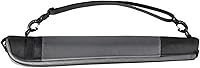
  • Wrist strap and carrying bag included — small additions, but practical for field and transit use.

Cons

  • No ball head or fluid head included — buyers must budget separately before the monopod is camera-ready.
  • No foot spike in the box, a real gap for photographers regularly shooting on wet grass or loose terrain.
  • Bare carbon fiber surface conducts cold noticeably in winter; a grip wrap becomes a practical necessity.
  • At full extension with the lower sections deployed, rigidity decreases slightly under heavier lens-camera combinations.
  • The low-angle tripod configuration is functional but limited — it is not a substitute for a proper three-legged tripod.
  • Printed instructions are minimal and unhelpful for photographers new to multi-section monopod deployment.
  • Carbon fiber is more susceptible to micro-fracture damage from sharp impacts than aluminum alternatives.
  • International buyers should verify regional warranty coverage directly — documentation in the box is sparse on that detail.
  • Flip lock tabs can feel stiff straight out of the box and require a short break-in period before operating smoothly.
  • Cold-weather use with gloves is less comfortable than knob-lock designs due to the plastic lever tab size.

Ratings

The scores below reflect an AI-driven analysis of verified buyer reviews for the Leofoto MP-366C Carbon Fiber Travel Monopod, sourced globally and filtered to exclude incentivized, duplicate, and bot-generated submissions. Each category is scored independently, capturing what real users praised and where they pushed back — no cherry-picking. Both the strengths that make this carbon fiber monopod stand out and the friction points that occasionally frustrate buyers are represented transparently.

Build Quality
93%
Owners consistently describe the carbon fiber tubes as feeling genuinely rigid rather than hollow or plasticky — a real-world difference they notice when mounting a heavy telephoto in cold or wet conditions. The finish and tolerances feel closer to professional tripod brands than typical mid-market monopods.
A small subset of buyers reported minor wobble in the lowest tube section after heavy field use, suggesting the locking collar on that segment could use a tighter manufacturing tolerance. It is rare but worth monitoring on extended outdoor trips.
Weight & Portability
91%
At just over a pound, this carbon fiber monopod disappears into a camera bag side pocket or fits neatly in an overhead bin without eating into luggage weight allowances. Wildlife shooters and hikers covering long distances particularly appreciate how little fatigue it adds over a full day.
The folded length, while compact for a 6-section design, is still noticeable in a smaller daypack. Users expecting it to compress to walking-stick size for casual carry were occasionally surprised by how much space it occupies when collapsed.
Flip Lock Mechanism
84%
The flip locks allow one-handed height adjustment in seconds, which matters when a bird lands unexpectedly or a play breaks toward you on a sideline. Most users report the locks staying secure and snug across many months of regular use without needing re-adjustment.
A handful of reviewers noted that the locks felt slightly stiff straight out of the box, requiring a short break-in period. In very cold weather, some found the plastic lever tabs less comfortable to operate with gloves on compared to knob-style alternatives.
Stability & Rigidity
88%
The Leofoto travel monopod handles full-frame cameras with long telephoto lenses without the flex or micro-movement that plagues lighter aluminum options at full extension. Video shooters report smooth panning behavior with minimal unwanted vibration transferred through the tube.
At maximum extension with the bottom two sections fully deployed, there is a slight reduction in rigidity — acceptable for most shooting scenarios but noticeable when using heavier lens-camera combos near the load limit in windy conditions.
Height Range & Adjustability
86%
The working range covers low-angle ground-level shots all the way up to eye level for a tall shooter without needing to crouch or strain. That span in a single piece of kit reduces the need to carry secondary support for varied terrain or subject heights.
Some taller users shooting at or above 6 feet found the maximum extension just shy of ideal for comfortable eye-level viewing through a viewfinder, particularly when the monopod foot sinks slightly into soft ground or grass.
3-in-1 Functionality
79%
21%
The ability to reconfigure this 6-section monopod as a low-angle camera platform using the detachable locking sleeve is genuinely useful on trail shoots where carrying extra gear is not practical. The trekking pole function also holds up reasonably well on moderate terrain.
The low-angle tripod configuration, while functional, is not a substitute for a proper tripod — stability is limited and it works best on flat surfaces. Buyers expecting full three-legged performance from that mode will be disappointed.
Ease of Setup
89%
Going from packed to locked-in shooting height takes under ten seconds once you have done it a few times. Sports and event photographers appreciate that the flip locks eliminate the hand-twisting fatigue that comes with traditional twist-lock sections during rapid repositioning.
First-time users of 6-section designs sometimes find the initial deployment slightly fiddly until muscle memory kicks in. The instructions included in the box are minimal, which can slow down first setup for photographers new to multi-section monopods.
Compatibility & Thread Options
87%
Having both 1/4-inch and 3/8-inch thread mounts means this carbon fiber monopod works with virtually any ball head, fluid head, or quick-release plate system without adapters. That flexibility is quietly important for photographers who already own a preferred head.
The monopod ships without any head, which catches some buyers off guard — particularly those upgrading from an all-in-one entry-level monopod. The additional head cost should be factored in from the start, and the listing does not make this explicit enough.
Value for Money
81%
19%
Relative to comparable carbon fiber monopods from brands like Gitzo or Benro, this sits at a more accessible price point while delivering similar tube rigidity and a comparable feature set. Photographers switching from aluminum see an immediate and tangible return in weight savings.
For casual photographers who shoot a few times a year, the premium over a decent aluminum monopod is harder to justify. The value proposition is strongest for frequent field shooters; occasional users may find the price-to-use ratio less convincing.
Included Accessories
68%
32%
The included carrying bag is a practical touch that keeps the monopod protected in transit, and the wrist strap adds a small but appreciated safety margin when working on uneven ground or near water.
The absence of a foot spike is a recurring complaint from outdoor users who work on wet grass, gravel, or mud — the rubber foot does not grip well on slippery surfaces. No head, no spike, and thin documentation make the out-of-box experience feel incomplete for the price.
Durability Over Time
82%
18%
Carbon fiber holds up well against corrosion, UV exposure, and temperature swings in ways aluminum does not, and long-term owners report no degradation in tube stiffness or lock performance after a year or more of regular use in varied climates.
Carbon fiber, while lightweight and rigid, is more vulnerable to sharp impact damage than aluminum — a hard knock against a rock or concrete can cause micro-fractures not immediately visible. A few users reported stress marks near collars after drops.
Grip & Ergonomics
74%
26%
The upper section provides enough surface area for a comfortable one-hand grip during extended handheld use, and the overall balance when holding a standard camera setup feels natural rather than front-heavy.
There is no dedicated foam or rubber grip section, which some users miss on long shooting days in cold weather. Bare carbon fiber conducts cold noticeably, and a grip wrap or aftermarket sleeve becomes a practical necessity for winter outdoor work.
Customer Support & Warranty
76%
24%
Reviewers who contacted Leofoto directly for parts or clarification reported mostly positive interactions, with replacement components available for key wear items. The brand has a reputation in the photography community for standing behind its gear.
Warranty documentation included in the box is sparse, and some international buyers found the support process slower than expected. Buyers outside North America and Europe should confirm regional warranty coverage before purchasing.
Packability for Air Travel
85%
Collapsed, the Leofoto travel monopod slides into the side sleeve of a standard camera backpack or fits along the spine of a rolling carry-on without forcing a checked bag. Travel photographers repeatedly call out this real-world packability as a deciding factor.
While compact for its extended height, it is still longer than ultra-compact 8-section alternatives on the market. Users prioritizing absolute minimum packed size — backpackers, for instance — may find those shorter rivals more practical despite the rigidity trade-off.
Vibration Damping
83%
Carbon fiber naturally absorbs higher-frequency vibration better than aluminum, and users shooting video notice cleaner, steadier footage when walking or panning slowly. The difference is subtle but consistent across user reports, especially with longer lenses.
Low-frequency vibration from wind or ground movement is not significantly dampened by the material alone — a quality fluid head is still necessary for truly smooth video. Some users initially expected the carbon construction to solve all stability issues on its own.

Suitable for:

The Leofoto MP-366C Carbon Fiber Travel Monopod is purpose-built for photographers and videographers who spend real time in the field and cannot afford to be slowed down by heavy or cumbersome gear. Wildlife shooters stalking unpredictable subjects, sports photographers repositioning constantly on a sideline, and birders hiking to remote locations will all find the weight savings and rapid flip-lock deployment genuinely useful rather than merely convenient on paper. Travelers who count every ounce in their carry-on will appreciate how this carbon fiber monopod collapses short enough to fit alongside a camera backpack without eating into luggage space. Video shooters who need stable, mobile support for run-and-gun documentary or event work will benefit from the vibration-damping properties carbon fiber provides over aluminum. It also serves hikers well as a dual-purpose trekking pole on moderate trails, reducing the need to pack an entirely separate piece of support equipment. Anyone upgrading from a budget aluminum monopod who shoots frequently enough to feel the fatigue difference by end of day will find the carbon construction justifies the step up in cost.
Not suitable for:

The Leofoto MP-366C Carbon Fiber Travel Monopod is not the right call for photographers who shoot infrequently or casually — if your monopod comes out a handful of times a year, the price premium over a solid aluminum option is difficult to rationalize. Studio photographers working in controlled indoor environments have little use for the travel-optimized design and would be better served by a full tripod with a proper fluid or ball head setup. Buyers expecting a ready-to-shoot kit straight out of the box should know upfront that no head is included, meaning additional cost and research are required before this monopod is functional with a camera. Outdoor photographers working regularly on wet grass, mud, or loose gravel will likely find the rubber foot inadequate and need to source a aftermarket foot spike separately, which adds friction from the start. Those prioritizing absolute maximum packed length compression — ultralight backpackers, for instance — may find even more compact 8-section rivals a better fit despite some rigidity trade-offs. Finally, carbon fiber, while lightweight and stiff, is more vulnerable to hard impact damage than aluminum, so buyers who work in physically rough or clumsy conditions should factor that fragility risk into their decision.
Specifications

  • Brand & Model: Manufactured by Leofoto under the model designation MP-366C.
  • Material: Tube construction uses carbon fiber, chosen for its low mass, corrosion resistance, and vibration-damping properties over aluminum alloys.
  • Sections: Features a 6-section telescopic design that collapses and extends progressively for precise height control.
  • Folded Length: Collapses to approximately 17.3″ (440mm), compact enough to fit alongside gear in a standard camera backpack.
  • Max Height: Extends to a maximum working height of approximately 65″ (1650mm), suitable for eye-level shooting for most adult users.
  • Min Height: Minimum working height starts at approximately 17.3″ (440mm), enabling low-angle and ground-level compositions.
  • Weight: The monopod itself weighs approximately 1.29 lbs (585g), placing it among the lightest options in its class.
  • Load Capacity: Rated to support up to 33 lbs (15kg), sufficient for professional full-frame bodies paired with heavy telephoto lenses.
  • Lock Type: Secured by ergonomic flip locks on each section, allowing one-handed height adjustment without the hand fatigue of twist-lock systems.
  • Thread Mounts: Equipped with both 1/4″ and 3/8″ female thread mounts at the top, ensuring compatibility with the vast majority of ball heads, fluid heads, and quick-release systems.
  • 3-in-1 Function: The monopod can be configured as a standard vertical support, a low-angle camera platform using the detachable locking sleeve, or a trekking pole for trail use.
  • Locking Sleeve: A detachable screw locking sleeve at the base allows the lower sections to splay outward, creating a basic three-legged ground support configuration.
  • Compatible Devices: Works with DSLR cameras, mirrorless systems, smartphones with appropriate adapters, and action cameras.
  • In the Box: Package includes the monopod body, a wrist strap, a small accessories bag, a soft carrying handbag, and a printed instruction sheet.
  • Head Included: No ball head or fluid head is included; a compatible head must be purchased separately before the monopod is camera-ready.
  • Foot Type: Fitted with a rubber foot at the base; no metal foot spike is included, which may limit grip on wet or uneven outdoor terrain.
  • Color: Available in black with the natural dark weave finish typical of carbon fiber tube construction.
  • Manufacturer: Produced by Leofoto, a Chinese optical and camera support equipment manufacturer with an established presence in the professional photography market.

Related Reviews
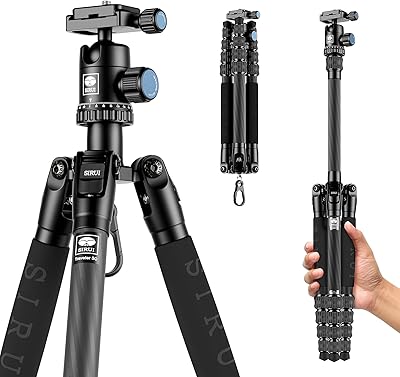
Sirui Traveler 5C Carbon Fiber Tripod
85%
94%
Portability & Weight
88%
Build Quality & Durability
85%
Ease of Use
90%
Stability & Support for Larger Cameras
72%
Leg Locking System
More
NEEWER LITETRIP LT32 Carbon Fiber Travel Tripod
81%
88%
Build Quality
93%
Portability & Pack Size
71%
Stability at Full Extension
82%
Ball Head Performance
84%
QR Plate & Compatibility
More
Vanguard VEO3GO265HCB Compact Carbon Fiber Travel Tripod
87%
94%
Portability & Weight
88%
Build Quality & Durability
85%
Ease of Use
91%
Versatility & Features
82%
Stability & Load Capacity
More
Manfrotto 290 Carbon Fiber 4-Section Monopod
82%
91%
Build Quality
94%
Weight & Portability
87%
Payload Capacity
83%
Flip-Lock Mechanism
78%
Ergonomics & Grip
More
Manfrotto Xpro 5 Section Carbon Fiber Video Monopod
86%
94%
Portability
91%
Build Quality
89%
Fluidity of Movement
87%
Ease of Setup
74%
Weight Limit
More
IFOOTAGE Cobra 3 C180F-P Carbon Fiber Monopod
83%
93%
Build Quality
91%
Foot-Pedal Locking Mechanism
84%
Versatility & Mode Switching
94%
Weight & Portability
88%
Load Capacity & Stability
More
Benro Slim Travel Kit FSL09CN00 Carbon Fiber Tripod
87%
93%
Portability
89%
Build Quality
85%
Ease of Setup
87%
Stability on Uneven Ground
70%
Ballhead Adjustment
More
NEEWER N55CR Carbon Fiber Camera Tripod
81%
88%
Build Quality
86%
Stability at Normal Heights
67%
Stability at Maximum Extension
93%
Weight & Portability
74%
Ball Head Performance
More
INNOREL NT404C Carbon Fiber Tripod
85%
89%
Stability
93%
Portability
87%
Build Quality
80%
Ease of Use
85%
Value for Money
More
SmallRig AP-20 Carbon Fiber Tripod
78%
86%
Build Quality
92%
Weight & Portability
79%
Stability & Rigidity
74%
Ball Head Performance
88%
Ease of Setup & Height Adjustment
More

FAQ

No head is included — this is a monopod body only. You will need to purchase a compatible ball head or fluid head separately before you can mount a camera. Both 1/4-inch and 3/8-inch thread options are available at the top, so most standard heads will attach without an adapter.

In most cases, yes. Collapsed to under 18 inches, it fits comfortably in the side sleeve of a camera backpack or along the interior of a rolling carry-on. That said, airline policies vary, and security staff have discretion — it is worth checking your specific carrier's policy on monopods before flying.

The practical difference comes down to two things: weight and vibration. Carbon fiber is meaningfully lighter, which adds up over a long day of hiking or shooting at events. It also absorbs high-frequency vibrations slightly better than aluminum, which translates to marginally steadier footage when shooting video. The trade-off is that carbon fiber is more vulnerable to sharp impact damage — a hard knock against a rock can cause invisible stress fractures that aluminum would simply dent and survive.

It works reasonably well as a trekking pole on moderate terrain — the height adjustment range and carbon construction hold up fine for trail support. The main limitation is the rubber foot, which does not grip on loose rock or wet surfaces the way a dedicated trekking pole tip would. For casual hiking it is a genuine bonus; for serious mountaineering or technical trails, a dedicated pole is still the right tool.

The detachable locking sleeve at the base allows the bottom sections to splay outward slightly, creating a basic three-legged stance. It is useful for stable low-angle shots on flat, hard surfaces — product photography at ground level or nature shots where you want the camera close to the ground. It is not a substitute for a real tripod; on uneven ground it wobbles, and the footprint is narrow. Think of it as a bonus feature rather than a core function.

Most long-term users report the flip locks staying snug and secure after months of regular field use. They can feel stiff straight out of the box, which is normal — a short break-in period of a few outings usually settles them. If a lock does loosen over time, they are typically adjustable with a small flat-head tool, which is a straightforward fix.

Yes, comfortably. A mirrorless body with a 100-400mm zoom is well within the load rating of this carbon fiber monopod, even with a ball head added. You will have zero flex issues at any working height, and the weight savings of the carbon construction become especially appreciated when you are handholding that lens combination for extended periods.

No spike is included in the box, which is a genuine gap for outdoor shooters. However, Leofoto and third-party accessory makers offer compatible foot spikes separately — look for one with the appropriate thread size for the base of this model. If you regularly shoot on wet grass, gravel, or forest floor terrain, sourcing a spike early is worth the small extra investment.

This is a real friction point flagged by several cold-weather shooters. The plastic lever tabs are functional but somewhat small, making them fiddlier to operate with thick gloves than knob-style locks would be. Thin liner gloves are manageable; heavier winter gloves make quick section adjustments genuinely annoying. If most of your shooting is in cold climates, it is worth factoring this into your decision.

The warranty documentation in the box is minimal and does not spell out coverage terms clearly. Leofoto does have a reputation in the photography community for handling support requests reasonably well, and replacement parts for key components are generally available. If you are buying internationally, it is worth reaching out to Leofoto directly before purchasing to confirm how warranty claims are handled in your region — do not rely solely on what is printed in the box.