Overview

The Manfrotto 290 Carbon Fiber 4-Section Monopod is Manfrotto's answer to photographers who want serious Italian engineering without hauling extra weight into the field. Manfrotto has built its reputation on professional-grade accessories, and this four-section support fits squarely in the upper tier of the monopod market — not a budget pick, but not priced beyond reason for what it delivers. With a 4.6-star rating from close to a thousand verified buyers and a top-50 ranking in its category, it has clearly found an audience. Just be clear on what you're buying: this is a stability aid, not a tripod substitute.

Features & Benefits

At just 1.1 pounds, this carbon fiber monopod can handle up to 10 kg of gear — which means a heavy telephoto lens paired with a mirrorless body won't challenge it. That ratio of low carry weight to serious payload capacity is where carbon fiber genuinely earns its place over aluminum. The four flip-lock sections collapse to 23.2 inches, fitting in most carry-on bags with room to spare. Aluminum flip-lock levers snap firmly and release quickly, which matters when a bird lands or a play develops fast. Rubber leg warmers keep your grip comfortable in the cold, and the included 1/4-inch and 3/8-inch attachments mean you won't need an adapter for most ball heads or fluid heads.

Best For

This four-section support is an obvious fit for wildlife and sports photographers who work from the sidelines or in dense terrain where setting up a tripod isn't practical. Hikers and travel photographers will appreciate shaving weight from their kit without completely giving up stability for long lenses. Video shooters doing run-and-gun event coverage will find it useful for steady panning shots, though it won't replace a proper fluid head rig for cinematic work. If you're currently shooting on an aluminum monopod and wondering whether the weight difference is worth it, the answer is almost certainly yes — you'll feel it after a long day in the field. Casual shooters on a tight budget might find better value elsewhere.

User Feedback

Buyers consistently highlight build quality and lightness, with many noting that the section locks feel solid and precise rather than plasticky — a common complaint with cheaper carbon alternatives. The wrist strap gets positive mentions too; it's a small detail, but welcome during long walks between positions. Where opinions split is on value: photographers who already own a quality ball head love the Manfrotto 290C, while those expecting one to be included feel the gap. A handful of users report the bottom rubber foot showing wear after heavy outdoor use, which is worth noting for fieldwork regulars. Most professionals ultimately pair this monopod with a separate fluid head, citing that combination as the real sweet spot for wildlife and event shooting.

Pros

  • At 1.1 pounds, this carbon fiber monopod is light enough to forget you are carrying it on a long hike.
  • The 10 kg payload capacity handles heavy telephoto and mirrorless combinations without strain.
  • Aluminum flip-lock sections extend and collapse in seconds — critical when subjects move fast.
  • Collapsed to 23.2 inches, the Manfrotto 290C fits overhead compartments and most day packs.
  • Rubber leg warmers make cold-morning sessions noticeably more comfortable for extended shooting.
  • Both 1/4-inch and 3/8-inch thread fittings are included, covering almost every head and camera combination.
  • Build quality and tube tolerances noticeably outperform cheaper carbon alternatives in the same category.
  • The angled wrist strap allows confident one-handed carrying between shooting positions.
  • Ranked #47 in Monopods with a 4.6-star average from nearly 1,000 verified buyers — strong real-world validation.
  • Works cleanly within the broader Manfrotto accessory ecosystem for users already invested in the brand.

Cons

  • No head is included, and adding a quality ball or fluid head pushes the total cost considerably higher.
  • The bottom rubber foot wears down faster than expected on abrasive outdoor surfaces like gravel or rock.
  • Flip-lock levers stiffen noticeably in cold weather and are not optimized for gloved operation.
  • The narrowest tube section shows slight flex when heavy rigs approach the upper payload limit.
  • Wrist strap sizing does not accommodate very large hands comfortably.
  • Maximum extension leaves taller photographers in a slightly awkward shooting posture without a five-section option.
  • Flip-lock tension loosens gradually over years of heavy field use and eventually requires manual adjustment.
  • For video use, a fluid head is essential — this four-section support alone cannot deliver controlled cinematic panning.
  • Occasional users or those on a tight budget will struggle to justify the price over a capable aluminum alternative.

Ratings

The Manfrotto 290 Carbon Fiber 4-Section Monopod earns its strong reputation across nearly a thousand verified global purchases, and our AI-generated scores reflect exactly that breadth of real-world experience — filtering out incentivized reviews and bot activity to surface what genuine buyers actually think. Scores cover every dimension a serious photographer or videographer would care about, from field durability to day-long ergonomics, and the results are candid: strengths are credited, friction points are not glossed over.

Build Quality
91%
Users coming from budget carbon or mid-range aluminum monopods consistently note how solid the Manfrotto 290C feels in hand — sections slot together with tight tolerances, and the overall finish does not feel cost-cut. The Italian manufacturing heritage shows up in small details like consistent tube diameter tapering and clean lock housing.
A segment of buyers shooting in abrasive outdoor conditions — sandy beaches, dusty trails — report that the bottom rubber foot wears down faster than expected. At this price point, that is a minor but legitimate durability gripe that heavier field users should factor in.
Weight & Portability
94%
At 1.1 pounds, this carbon fiber monopod disappears in a bag and barely registers on your shoulder after a long hike. Wildlife photographers trekking into position before dawn particularly value not adding unnecessary grams, and this four-section support delivers that without any structural compromise.
The compact collapsed length is great for travel, but some taller photographers find that at full extension the narrowest tube section — 14.7 mm — introduces a very slight flex with heavier telephoto combos near the 10 kg payload ceiling. It is not a dealbreaker, but it is noticeable.
Payload Capacity
87%
A 10 kg rated capacity is more than sufficient for virtually every camera-and-lens combination outside of the heaviest super-telephoto setups. Sports photographers running a 500 mm prime on a full-frame body report confident, stable support without any sense the monopod is being pushed.
The rated capacity is best treated as a ceiling rather than a comfortable daily operating load. Users pushing close to that limit with a heavy mirrorless rig notice that the flip-locks require a firmer set to hold position reliably, which slightly slows down rapid height adjustments in the field.
Flip-Lock Mechanism
83%
Speed is where the aluminum flip-locks genuinely stand out. Extending or collapsing all four sections takes seconds, which matters enormously when you are repositioning during a sports event or tracking a bird that just changed direction. Buyers upgrading from twist-lock designs universally prefer this system.
A handful of users report that in very cold conditions the lever action stiffens slightly, requiring more deliberate force. The locks themselves feel durable, but a few long-term owners mention that the lever tension loosens incrementally over years of heavy use and eventually needs a minor adjustment.
Ergonomics & Grip
78%
22%
The rubber leg warmers make a real difference during cold-morning wildlife sessions where bare carbon would be unpleasant to grip for extended periods. The angled wrist strap is a thoughtful addition — it allows confident one-handed carrying between positions without the monopod swinging awkwardly.
The grip section is relatively short, and taller users occasionally find their hand position awkward when shooting near maximum extension. The wrist strap, while useful, is not adjustable enough for very large hands, which has come up repeatedly in user comments as a minor frustration.
Height Range & Adjustability
81%
19%
Four sections give a useful range that suits most standing shooting positions comfortably, and the transition from collapsed to working height is fast enough to keep up with unpredictable subjects. Travel photographers appreciate that the collapsed length fits overhead compartments without negotiation.
Users over six feet tall sometimes find the maximum extension leaves them shooting with a slightly bent elbow rather than a fully natural posture, particularly when pairing with a taller ball head on top. A five-section version would address this, but that remains a gap in this product line.
Compatibility & Thread Fittings
88%
Including both 1/4-inch and 3/8-inch attachments out of the box means the Manfrotto 290C plays nicely with the vast majority of ball heads, fluid heads, and quick-release plates without an adapter run. Users who swap between different heads for different shooting disciplines find this especially practical.
The thread fittings are standard, so no complaints about compatibility — but some users note the included attachments feel slightly lighter in construction than the monopod itself, suggesting they are not the component to trust in a rough drop scenario.
Value for Money
74%
26%
For photographers who shoot frequently and need a carbon fiber monopod that will last through years of field use, the Manfrotto 290C represents a reasonable investment. The build quality noticeably outclasses cheaper carbon imports, and the brand's service and parts availability provide longer-term reassurance.
Casual or occasional photographers may struggle to justify the cost relative to a solid aluminum alternative at a fraction of the price. The monopod ships without any head, and buyers who then need to purchase a ball head separately quickly find the total outlay climbs well above initial expectations.
Stability Performance
79%
21%
For its intended purpose — providing a single-axis stability aid for moving photographers — this four-section support does its job cleanly. Telephoto users report a meaningful reduction in camera shake compared to hand-holding, and video shooters get usable panning shots that would be impossible freehand.
It is important to be direct: a monopod is never a tripod, and this one is no exception. Users who expected to walk away with images as sharp as tripod-mounted shots were disappointed. For static long-exposure or macro work, a full three-legged support is simply the right tool.
Setup & Deployment Speed
89%
This is arguably where the Manfrotto 290C earns the most consistent praise in real-world use. Wildlife and event photographers report getting from packed to shooting-height in under 10 seconds reliably, which in practice means more opportunities captured rather than missed while fiddling with gear.
The speed advantage narrows when users are wearing thick gloves in winter conditions — the flip-lock levers are not textured for gloved operation, and precise lock engagement takes slightly longer as a result. A minor design refinement that would genuinely improve cold-weather field use.
Durability Over Time
76%
24%
Most buyers who report back after extended ownership — multiple seasons of outdoor shooting — describe the tube integrity and lock mechanisms as holding up well. Carbon fiber does not corrode, and the Manfrotto construction avoids the creaking that plagues cheaper equivalents after a year of use.
The consumable components — rubber foot, leg warmers, and wrist strap — show wear faster than the carbon tubes themselves. Photographers using this monopod on rocky or abrasive terrain frequently find they need to source replacement feet within the first two years, which adds a small ongoing maintenance cost.
Packability for Travel
86%
The 23.2-inch collapsed length and sub-1.2-pound weight make this one of the more travel-practical monopods at this build tier. Photographers on international trips who face strict carry-on weight limits specifically cite this monopod as a smart compromise between capability and travel-day convenience.
Even collapsed, the monopod is a long narrow object that does not fit in smaller day packs without hanging off externally. Hikers using minimalist trail packs occasionally note that securing it externally adds awkward bulk, and the wrist strap is not ideal as a pack attachment point.
Head Compatibility & Ecosystem
72%
28%
The Manfrotto 290C slots naturally into the broader Manfrotto accessory ecosystem, and experienced users who already own Manfrotto heads can simply attach and shoot. The standard thread fittings also mean third-party heads from other reputable brands attach without issue.
New photographers stepping into this purchase expecting a complete ready-to-shoot system are often caught off guard by the absence of any head. At the asking price, the expectation of at least a basic tilt head being bundled is not unreasonable, and several reviews specifically flag this omission as a frustration.
Cold Weather Usability
69%
31%
The rubber leg warmers were clearly designed with cold-climate shooters in mind, and they do provide a noticeably warmer grip surface than bare carbon when temperatures drop. Early-morning wildlife photographers in northern climates appreciate this practical detail that cheaper monopods skip entirely.
Beyond the leg warmers, cold-weather performance reveals some limitations: the flip-lock action stiffens, the wrist strap becomes less pliable, and gloved operation of all controls is more cumbersome than it should be. Users in genuinely harsh winter conditions report these friction points add up over a long day.

Suitable for:

The Manfrotto 290 Carbon Fiber 4-Section Monopod is built for photographers and videographers who move constantly and cannot afford to be slowed down by heavy or cumbersome gear. Wildlife photographers tracking subjects across uneven terrain will find the fast flip-lock deployment and 10 kg payload capacity genuinely useful when running a heavy telephoto lens through long sessions. Sports shooters working the sidelines — where tripods are impractical or outright prohibited — get a reliable stability aid that keeps up with the pace of play. Travel and hiking photographers who count grams will appreciate that this four-section support weighs just 1.1 pounds collapsed to 23.2 inches, which slips into a carry-on without drama. Video shooters doing event or documentary work benefit from the smooth panning capability a monopod provides, especially in cramped venues where a tripod would block aisles. Photographers upgrading from an aluminum monopod will feel the weight difference immediately and are unlikely to go back.

Not suitable for:

The Manfrotto 290 Carbon Fiber 4-Section Monopod is a poor fit for anyone expecting a full stability solution, because no monopod — regardless of brand or price — replaces a tripod for static long-exposure work, macro photography, or any situation requiring the camera to hold perfectly still without human input. Budget-conscious buyers who shoot casually on weekends will likely find it difficult to justify the cost when a well-built aluminum alternative at a significantly lower price would serve their needs just as well. Buyers expecting a head to be included should know upfront that this four-section support ships bare, meaning the real total cost involves adding a quality ball head or fluid head on top — and that combination adds up quickly. Videographers pursuing smooth cinematic footage will find that without a dedicated fluid head, the Manfrotto 290C alone does not deliver the controlled pan resistance professional video work demands. Very tall photographers who regularly shoot at or near maximum extension may find the ergonomics less natural than they would like, particularly when pairing with a taller head assembly.

Specifications

  • Material: The tubes are constructed from carbon fiber, chosen for its high strength-to-weight ratio and natural vibration-dampening properties compared to aluminum.
  • Weight: The monopod weighs 1.1 pounds (approximately 499 g), making it one of the lighter options available at this payload capacity tier.
  • Sections: Four leg sections allow a wide extension range while keeping the collapsed profile short enough for travel and bag storage.
  • Collapsed Length: When fully folded, the monopod measures 23.2 inches (approximately 589 mm), fitting most carry-on luggage and large camera bags.
  • Diameter Range: Tube diameters taper from 25.3 mm at the widest top section down to 14.7 mm at the narrowest bottom section.
  • Max Payload: The rated maximum payload capacity is 10 kg (approximately 22 lbs), covering virtually all consumer and professional camera-and-lens combinations.
  • Leg Locks: Each section is secured by an aluminum flip-lock lever mechanism, designed for rapid single-handed deployment and height adjustment.
  • Thread Fittings: The monopod ships with both a 1/4-inch and a 3/8-inch screw attachment, ensuring compatibility with the majority of ball heads, fluid heads, and quick-release systems.
  • Grip Material: Rubber leg warmers wrap the upper grip section, providing thermal insulation and friction in cold or wet shooting conditions.
  • Carrying Aid: An angled wrist strap is built into the upper section, allowing secure one-handed carrying between shooting positions without a bag or case.
  • Model Number: The official Manfrotto model designation is MM290C4US, which identifies this specific four-section carbon fiber variant in the 290 monopod family.
  • Brand Origin: Manfrotto is an Italian manufacturer with decades of heritage in professional photographic support equipment, and this monopod is designed in Italy.
  • Product Type: This is a single-leg camera support (monopod) intended for use with a separately purchased head; no head or tripod functionality is included.
  • Dimensions (Packed): The product ships in a box measuring approximately 23.2 x 3 x 3 inches, reflecting the collapsed monopod dimensions with minimal additional packaging volume.
  • Sellers Rank: As of the most recent data, this monopod holds a Best Sellers Rank of #47 in the Amazon Monopods category, indicating strong and sustained market demand.
  • Average Rating: The product holds a 4.6 out of 5 star average rating based on 979 verified global ratings, reflecting a high level of buyer satisfaction across a substantial review base.
  • Manufacturer: The product is manufactured by Manfrotto, a professional photography accessory brand headquartered in Cassola, Italy, and distributed globally.
  • Discontinuation Status: This model is confirmed as not discontinued by the manufacturer, meaning replacement parts, accessories, and warranty support remain actively available.

Related Reviews
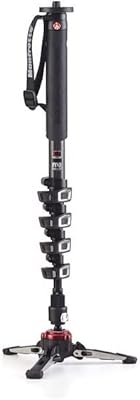
Manfrotto Xpro 5 Section Carbon Fiber Video Monopod
86%
94%
Portability
91%
Build Quality
89%
Fluidity of Movement
87%
Ease of Setup
74%
Weight Limit
More
Manfrotto Element MII Mobile Bluetooth Carbon Fiber Tripod
87%
93%
Portability
88%
Ease of Setup
90%
Build Quality
62%
Stability in Wind
85%
Bluetooth Remote Performance
More
IFOOTAGE Cobra 3 C180F-P Carbon Fiber Monopod
83%
93%
Build Quality
91%
Foot-Pedal Locking Mechanism
84%
Versatility & Mode Switching
94%
Weight & Portability
88%
Load Capacity & Stability
More
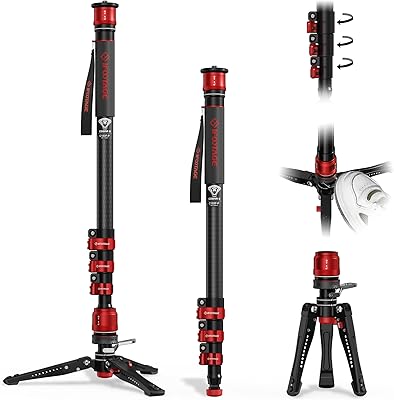
Leofoto MP-366C Carbon Fiber Travel Monopod
83%
93%
Build Quality
91%
Weight & Portability
84%
Flip Lock Mechanism
88%
Stability & Rigidity
86%
Height Range & Adjustability
More
NEEWER N55CR Carbon Fiber Camera Tripod
81%
88%
Build Quality
86%
Stability at Normal Heights
67%
Stability at Maximum Extension
93%
Weight & Portability
74%
Ball Head Performance
More
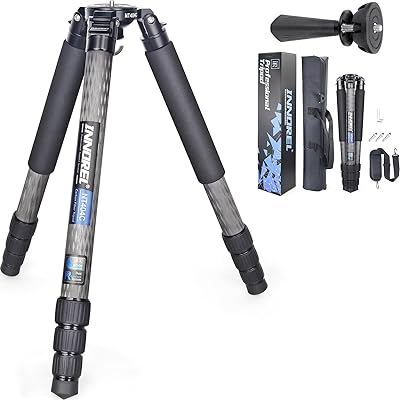
INNOREL NT404C Carbon Fiber Tripod
85%
89%
Stability
93%
Portability
87%
Build Quality
80%
Ease of Use
85%
Value for Money
More
Sirui Traveler 5C Carbon Fiber Tripod
85%
94%
Portability & Weight
88%
Build Quality & Durability
85%
Ease of Use
90%
Stability & Support for Larger Cameras
72%
Leg Locking System
More
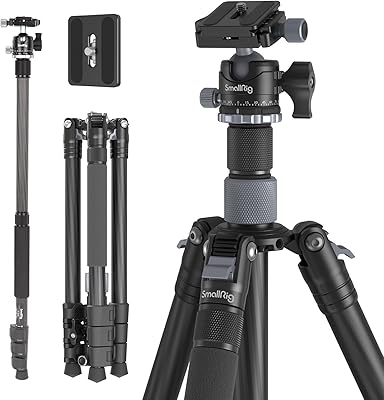
SmallRig AP-20 Carbon Fiber Tripod
78%
86%
Build Quality
92%
Weight & Portability
79%
Stability & Rigidity
74%
Ball Head Performance
88%
Ease of Setup & Height Adjustment
More
Manfrotto 055 Aluminum 3-Section Tripod MT055XPRO3
87%
94%
Stability & Performance
92%
Build Quality
68%
Portability
88%
Ease of Use & Ergonomics
90%
Versatility (Shooting Angles)
More
Vanguard VEO3GO265HCB Compact Carbon Fiber Travel Tripod
87%
94%
Portability & Weight
88%
Build Quality & Durability
85%
Ease of Use
91%
Versatility & Features
82%
Stability & Load Capacity
More

FAQ

It ships without any head — just the bare monopod with the two thread attachments. Most photographers pair the Manfrotto 290C with a separate ball head or fluid head depending on their shooting style. If you shoot video, a fluid head is worth the extra investment; for stills, a compact ball head works well.

Yes, comfortably. The rated payload is 10 kg, and a typical 500 mm prime with a full-frame body sits well below that threshold. Just make sure your flip-locks are firmly set when working with heavier rigs, as loose locks can drift under load.

For occasional shooters, the difference can be hard to justify on paper. But photographers who use a monopod regularly in the field report that the build tolerances, lock quality, and overall rigidity of this four-section support stand noticeably above budget carbon imports. The Italian manufacturing quality shows up in the details — tighter sections, more consistent lock tension, and a finish that does not cheapen over time.

Most users who have owned both strongly prefer flip-locks for speed. Extending all four sections and locking them takes just a few seconds, and you can do it with one hand while keeping your eye on a moving subject. Twist locks require more deliberate rotation and tend to slow things down, especially with gloves on.

It works well as a base for video, but the monopod itself does not provide any pan resistance or tilt control — for that, you need a fluid head mounted on top. As a bare support for run-and-gun documentary or event shooting, this carbon fiber monopod is practical and stable enough for handheld-style footage where perfect smoothness is not the priority.

Better than a bare carbon or aluminum tube, thanks to the rubber leg warmers on the grip section. That said, the flip-lock levers do stiffen a bit in very cold temperatures and are not textured for gloved fingers, so operating them with thick gloves takes a little more care than in moderate conditions. For serious cold-weather work, practice the lock operation before you head out.

It performs fine on most surfaces, but photographers who regularly shoot on abrasive ground — gravel paths, rocky coastlines, sandy beaches — report the rubber foot wears down faster than you might expect. Replacement feet are available from Manfrotto, and keeping a spare on hand is a practical move for heavy field users.

Manfrotto does not publish the maximum extended height directly in the MM290C4US product listing, but based on the four-section design and typical Manfrotto 290-series geometry, full extension reaches approximately 62 to 65 inches when used without a head. Adding a ball head brings usable shooting height to around eye level for most users of average height. Very tall photographers may find full extension leaves them slightly bent at the elbow.

Almost certainly yes. The included 3/8-inch thread attachment is the standard fitting used across most Manfrotto head products, so if your ball head came from Manfrotto, it will attach directly without any adapter. The 1/4-inch attachment handles smaller heads and directly-mounted cameras with a cold shoe or plate.

The main thing is to avoid overtightening the locks repeatedly, which gradually compresses the internal clamping material and can cause the locks to loosen faster. Every six months or so, inspect the lever tension and tighten the lock pivot screws slightly if they feel loose. Keep the section tubes clean and free of grit, as debris inside the locks accelerates wear on both the tube surface and the lock mechanism itself.

Where to Buy