Overview

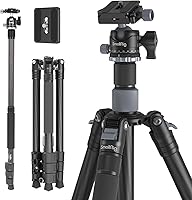
The SmallRig AP-20 Carbon Fiber Tripod sits squarely in the mid-range sweet spot — light enough to carry on a full day of hiking, yet rigid enough to support a loaded DSLR body with a heavy zoom lens. SmallRig isn't a fly-by-night brand; they've built genuine credibility in the camera accessories market over several years. What sets this lightweight tripod apart from similarly priced aluminum competitors is the 2-in-1 design — it converts into a monopod by detaching one leg. Folded down to about 16 inches, it slips into a backpack without drama. Extended to over five feet tall, it handles most real-world shooting situations without complaint.
Features & Benefits

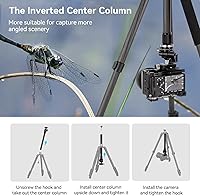
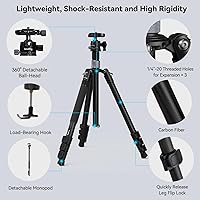
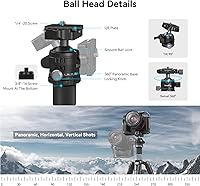
Carbon fiber construction is the headline here. This carbon fiber tripod weighs under three pounds yet holds more than ten times its own weight — a ratio that makes real sense when you're already carrying camera bodies, lenses, and batteries. The flip-lock leg system is a genuine convenience win; unlocking and resetting height takes seconds rather than the fumbling that twist-knobs require. Flipping or removing the center column lets you drop the camera close to ground level for macro or landscape work without needing a separate low-angle adapter. The ball head covers a full 360° of rotation with 90° tilt and a damping adjustment knob for controlled movement. Arca-Swiss compatibility means most modern quick-release plates will mount without adapters.

Best For

This lightweight tripod is a natural fit for travel photographers and hikers who refuse to check a bag but still need dependable support on location. The monopod conversion is genuinely practical for wildlife or sports shooters who need to move fast between spots. If you're running a DSLR or mirrorless body with a mid-size zoom, the payload rating gives comfortable headroom without pushing limits. Videographers doing slow panning shots will appreciate the horizontal scale on the ball head for repeatable positioning. It also works well in cramped environments — tight interiors, crowded viewpoints, uneven ground — where a full-size studio tripod would be a liability rather than an asset. The included carry bag is a nice touch for regular commuters.

User Feedback

Most owners highlight the build quality as the standout — the legs feel solid and don't flex noticeably under a full camera load, which isn't always the case at this price point for carbon fiber. The flip-lock speed gets consistent praise; reviewers mention being able to set up and break down faster than with previous tripods. On the critical side, a handful of users note that the ball head can feel slightly stiff at finer tension settings, requiring some break-in time. The carry bag draws mixed opinions — functional but not exactly rugged. The monopod conversion, to most buyers, turns out to be genuinely useful rather than a marketing add-on, particularly for those who hike between shooting spots.

Pros

  • Carbon fiber legs keep total weight under three pounds without sacrificing a meaningful payload ceiling.
  • Flip-lock leg adjustments are genuinely faster than twist-knob systems, especially in low-light or cold conditions.
  • The reversible center column unlocks ground-level shooting angles most tripods in this class can't reach.
  • Arca-Swiss quick release compatibility means no proprietary adapters cluttering your camera bag.
  • The monopod conversion is practically useful for hikers and event shooters, not just a marketing feature.
  • A 1/4-inch accessory thread adds real flexibility for attaching monitors, phone holders, or magic arms.
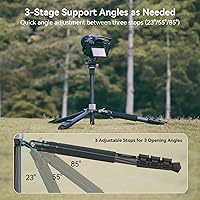
  • Three leg angle presets handle uneven and sloped terrain without shimming or awkward workarounds.
  • SmallRig's brand credibility in the accessories market means parts, support, and future compatibility are realistic expectations.
  • The ball head's horizontal scale helps videographers and panoramic photographers hit repeatable positions across shots.

Cons

  • The ball head requires noticeable break-in time before tension and damping feel consistent and predictable.
  • At full leg extension, wind or heavy telephoto lenses introduce vibration that sharper shooters will notice.
  • The included carry bag uses thin material with a fragile zipper and no shoulder strap — most frequent travelers replace it immediately.
  • Ball head performance doesn't match the quality of the carbon fiber legs, creating an uneven overall package.
  • The center column inversion process involves multiple steps, making it too slow for fast-moving shooting situations.
  • Third-party Arca-Swiss plates occasionally require clamp fine-tuning due to tolerance differences, which adds setup friction.
  • Long-term durability data is limited given the product's relatively short market history, leaving extended wear patterns unclear.
  • Converting to monopod mode takes longer than simply grabbing a dedicated monopod, reducing its value in truly time-sensitive situations.

Ratings

The SmallRig AP-20 Carbon Fiber Tripod has been evaluated by our AI rating engine after processing verified buyer reviews from global markets, with spam, bot-submitted, and incentivized feedback actively filtered out. Scores reflect the honest distribution of real user experiences — strengths and frustrations weighted equally. The result is a transparent, balanced picture of where this lightweight tripod genuinely delivers and where it leaves room for improvement.
Build Quality
86%
Most buyers are genuinely impressed by how solid the carbon fiber legs feel in hand — there's no creaking or flex under a loaded camera body, which isn't a given at this price tier. The joints and locking mechanisms feel well-machined rather than plasticky, and several long-term users report no degradation after months of regular field use.
A small but consistent group of reviewers note that the ball head housing feels slightly less refined than the legs themselves, with minor play at certain tension settings. A few users who shoot in cold or wet conditions mention the finish attracting scratches more easily than expected from a carbon fiber product.
Weight & Portability
92%
Carrying this carbon fiber tripod all day on a mountain trail or through an airport is where it genuinely earns its keep — at under three pounds, most photographers forget it's on their bag until they need it. The compact folded length fits comfortably in a standard carry-on or daypack side pocket without awkward protrusion.
A handful of videographers with larger cinema rigs point out that while the weight is excellent, the folded profile is still slightly bulkier than ultra-compact travel tripods in the same class. The included carry bag, while convenient, doesn't add padding for protection during rough travel.
Stability & Rigidity
79%
21%
For photography with standard DSLR and mirrorless setups, stability is genuinely solid — timed exposures and landscape shots come out sharp without mirror-lock-up tricks. The leg locks hold firm on uneven terrain, which field photographers specifically call out as a reliable feature.
At full extension, a small number of users report subtle vibration when shooting in windy outdoor conditions or using a heavy telephoto lens. The center column, when fully raised, introduces a measurable reduction in rigidity that experienced shooters are likely to notice during long exposures.
Ball Head Performance
74%
26%
The 360° rotation and 90° tilt cover virtually every shooting angle most photographers encounter, and the Arca-Swiss compatibility means swapping cameras or plates is fast without carrying adapters. The horizontal scale on the head is a practical touch for panoramic shooters who need repeatable positioning between frames.
The damping adjustment has a relatively narrow sweet spot — too loose and the head drifts, too tight and fine adjustments become frustrating. Several reviewers note the ball head requires a break-in period before it moves smoothly, and locking tension can feel inconsistent fresh out of the box.
Ease of Setup & Height Adjustment
88%
The flip-lock leg system is one of the most praised aspects across buyer reviews — photographers who previously used twist-knob tripods consistently describe noticeably faster setup and breakdown, particularly in low-light situations where fumbling with knobs is a real hazard. Four leg sections extend and lock positively with minimal effort.
New users occasionally report a slight learning curve in finding the correct flip-lock tension to avoid leg slippage without overtightening the levers. The adjustment range from minimum to maximum height is excellent, but the leg angle preset positions could use clearer tactile detents for quicker switching in the field.
Monopod Conversion
71%
29%
Unlike some tripods that offer monopod conversion purely as a marketing footnote, buyers who hike between wildlife or sports locations genuinely use this feature and rate it as practical. Detaching and reassembling the leg is straightforward, and the resulting monopod is sturdy enough for real support use rather than just a walking stick.
The conversion process takes longer than switching to a dedicated monopod, making it less useful for fast-paced situations where speed matters most. A subset of reviewers also note the converted monopod feels slightly shorter than ideal for taller photographers, limiting its versatility in certain shooting scenarios.
Quick Release System
83%
Arca-Swiss compatibility is a meaningful practical advantage — most photographers already own compatible plates, so mounting and switching cameras takes seconds without hunting for proprietary adapters. The release lever feels secure under load and doesn't show signs of loosening after repeated use.
The included quick release plate itself is on the smaller side, which can feel slightly unbalanced with larger camera bodies. A few users also report that third-party Arca-Swiss plates vary enough in tolerance that occasional fine-tuning of the clamp is needed for a truly wobble-free fit.
Low-Angle Shooting Capability
81%
19%
The reversible and detachable center column genuinely expands shooting versatility for macro and ground-level landscape work — flipping it inverted drops the camera significantly closer to the surface than most tripods in this class can manage. Flower, fungi, and architectural detail photographers specifically highlight this as a deciding purchase factor.
Accessing the inverted center column position requires a few deliberate steps that slow down the setup process, making it less practical for fast-moving shoots. With the column removed entirely, the minimum working height is still not as low as specialized low-angle tripods, so dedicated macro shooters may want supplemental equipment.
Payload Capacity
84%
The stated load limit comfortably handles a full-frame camera body with a 70-200mm f/2.8 lens without any sign of stress — a combination that weighs well under half the rated maximum. This gives photographers real headroom for heavier setups without pushing the tripod to its limits.
While the payload rating is generous on paper, user reports suggest the ball head becomes the limiting factor before the legs do — particularly with heavier lens-body combos where the head's locking pressure isn't always sufficient to prevent slow drift during long exposures. The legs themselves appear overspecified relative to the head.
Value for Money
77%
23%
Carbon fiber construction at this price point is the central value argument, and most buyers agree it delivers — comparable aluminum tripods in the same range feel noticeably heavier and less premium. For travel photographers who prioritize weight reduction, the cost-per-gram savings feel justified over the long term.
A vocal minority of reviewers feel the ball head quality doesn't match the leg construction, creating a slight sense that the overall package is uneven for the asking price. Buyers comparing this to higher-end carbon fiber tripods note that the difference in head smoothness and overall rigidity is perceptible, raising questions about long-term durability under heavy use.
Durability Over Time
73%
27%
Mid-term owners — those using the tripod across six to twelve months of regular shooting — generally report no structural issues with the legs, locks, or center column. The carbon fiber material resists the surface corrosion that aluminum tripods develop when exposed to salt air or moisture repeatedly.
Longer-term feedback is relatively limited given the product's age, so durability conclusions remain tentative. Some users report wear on the flip-lock lever surfaces and minor loosening of the ball head mounting over extended periods, suggesting the connection hardware may benefit from periodic checking and tightening.
Carry Bag & Accessories
62%
38%
The included carry bag is a genuine convenience for day-to-day transport — it keeps the tripod contained and protects against minor scratches during casual bag packing. Having a bag included rather than sold separately is appreciated by buyers new to this brand.
The bag draws some of the sharpest criticism in user reviews: thin material, a zipper that feels fragile, and no shoulder strap option make it feel like an afterthought relative to the tripod itself. Frequent travelers tend to replace it quickly with a padded third-party case, which adds cost the buyer didn't initially anticipate.
Versatility for Video
69%
31%
The 360° horizontal scale on the ball head is useful for videographers who need repeatable pan positions across multiple takes, and the smooth damping — once dialed in — supports steady manual pans for b-roll work. The accessory thread hole for monitors and magic arms adds real utility for small video rigs.
This carbon fiber tripod is fundamentally designed for photography rather than dedicated video use — the ball head lacks a fluid drag mechanism, which becomes apparent when attempting smooth cinematic pans. Video-focused buyers often report needing to add a separate fluid head, which partially offsets the cost advantage of the package.
Leg Angle Adjustability
78%
22%
Three adjustable leg angle positions give meaningful flexibility for shooting on uneven terrain — rocky trails, staircases, and sloped beaches — where a single-angle tripod would require shimming or awkward repositioning. Buyers who shoot outdoors frequently cite this as a quiet but important practical advantage.
The transition between leg angle positions requires deliberate effort and isn't as quick or smooth as on premium tripods with tool-free single-touch angle releases. On time-sensitive shoots where terrain changes quickly, the adjustment speed can become a mild frustration rather than a natural part of the workflow.

Suitable for:

The SmallRig AP-20 Carbon Fiber Tripod is a strong match for travel and landscape photographers who are tired of choosing between a lightweight pack and a capable support system. If you regularly hike to shooting locations, the combination of sub-three-pound weight and a payload capacity that handles even a full-frame body with a heavy zoom lens makes this a genuinely practical trail companion. Outdoor photographers who work on uneven terrain will appreciate the adjustable leg angles and the low-angle center column option, which opens up compositional possibilities that fixed-column tripods simply can't match. The monopod conversion has proven useful enough in real-world conditions that wildlife and event photographers who need to move quickly between spots will find it earns its keep rather than just reads well on a spec sheet. The Arca-Swiss compatible ball head also makes this a natural fit for photographers already invested in that plate ecosystem, removing the adapter hassle entirely.
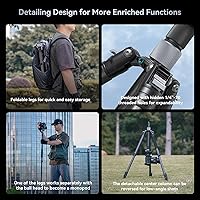
Not suitable for:

The SmallRig AP-20 Carbon Fiber Tripod, despite its strengths, is not the right call for every photographer. Dedicated video shooters who rely on fluid, cinematic pans will hit a ceiling quickly — the ball head lacks a fluid drag mechanism, and no amount of damping adjustment fully compensates for that when capturing smooth motion. Studio photographers who never leave the building are essentially paying a premium for carbon fiber's weight savings without ever benefiting from them; a heavier aluminum alternative would deliver more rigidity per dollar in a fixed environment. Photographers planning to use very long telephoto lenses or heavy cinema rigs should also note that the ball head becomes the weakest link under serious load, even though the legs themselves are capable. Finally, buyers expecting a ready-to-travel kit straight out of the box may be disappointed by the carry bag, which feels underbuilt relative to the tripod and tends to get replaced quickly by anyone who travels seriously.

Specifications

  • Leg Material: Legs are constructed from high-grade carbon fiber tubing, providing a strong yet lightweight structural foundation resistant to corrosion and surface abrasion.
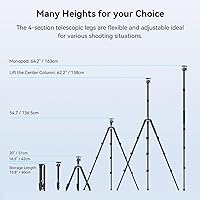
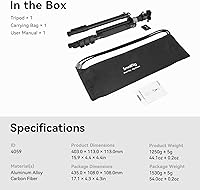
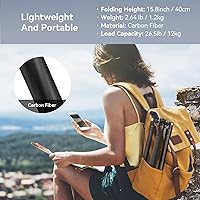
  • Body Weight: The tripod body weighs 2.6 lbs (approximately 1.18 kg), making it practical to carry for full-day shoots without adding meaningful fatigue.
  • Max Payload: The tripod supports camera equipment up to 26.5 lbs (approximately 12 kg), comfortably accommodating most DSLR and mirrorless bodies with standard zoom lenses.
  • Max Height: Legs extend to a maximum working height of 62.2″ (158 cm), suitable for eye-level shooting for most adult photographers without additional column extension.
  • Min Height: With the center column lowered and legs spread wide, minimum working height reaches approximately 20″ (51 cm) for low-angle and ground-level compositions.
  • Folded Length: The tripod collapses to 15.8″ (approximately 40 cm), fitting comfortably into most camera backpacks and standard overhead carry-on compartments.
  • Leg Sections: Each leg is composed of four tubular sections that extend and lock independently via flip-lock closures for rapid height adjustment in the field.
  • Leg Angles: Three preset leg angle positions allow adjustment for flat surfaces, uneven terrain, and low-profile shooting without requiring additional tools or adapters.
  • Center Column: The center column is both reversible and fully detachable, enabling inverted mounting for macro and ground-level shooting scenarios.
  • Ball Head Rotation: The included ball head offers full 360° horizontal rotation and 90° tilt, with a damping adjustment knob to control movement tension.
  • Quick Release: The ball head uses an Arca-Swiss compatible quick release clamp, accepting standard Arca-Swiss plates from most third-party manufacturers without modification.
  • Accessory Thread: A 1/4″-20 threaded hole is built into the leg bracket, allowing direct attachment of magic arms, phone holders, small monitors, and other accessories.
  • Monopod Mode: One leg detaches and functions as a standalone monopod or walking stick, extending the tripod's utility beyond static support scenarios.
  • Head Scale: The ball head features a 360° horizontal degree scale printed on the base ring, assisting with accurate panoramic positioning and repeatable pan angles.
  • Compatible Devices: Designed for use with DSLR cameras, mirrorless systems, and camcorders; the Arca-Swiss clamp also supports most medium-format bodies with appropriate plates.
  • Included Accessories: Package includes the assembled tripod, one Arca-Swiss compatible quick release plate, a fabric carry bag, and a printed user manual.
  • Model Identifier: Official model designation is AP-20, sold under SmallRig product code 4059 and internal model number 15787.
  • Product Dimensions: Folded unit measures approximately 15.87 x 4.45 x 4.45 inches, representing the packed footprint for storage and transport planning purposes.

Related Reviews
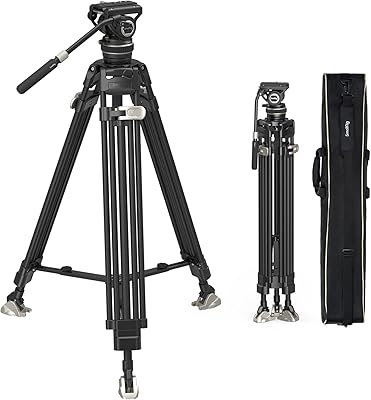
SmallRig AD-100 FreeBlazer Carbon Fiber Video Tripod
84%
94%
Build Quality & Durability
91%
Stability & Support
89%
Fluid Head Performance
72%
Portability & Weight
88%
Ease of Setup & Adjustment
More
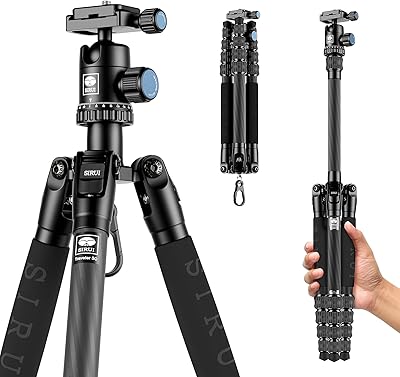
INNOREL NT404C Carbon Fiber Tripod
85%
89%
Stability
93%
Portability
87%
Build Quality
80%
Ease of Use
85%
Value for Money
More
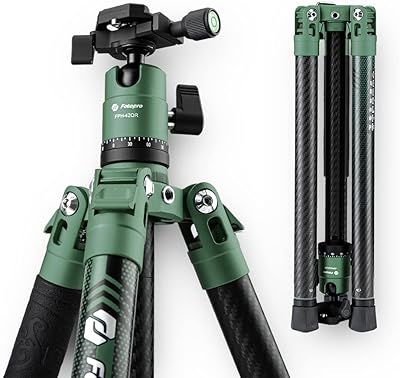
Sirui Traveler 5C Carbon Fiber Tripod
85%
94%
Portability & Weight
88%
Build Quality & Durability
85%
Ease of Use
90%
Stability & Support for Larger Cameras
72%
Leg Locking System
More
Fotopro X-Aircross 3 Carbon Fiber Tripod
89%
94%
Portability & Weight
89%
Build Quality
90%
Ease of Use
85%
Stability with Heavy Cameras
91%
Setup Speed
More
Vanguard VEO3GO265HCB Compact Carbon Fiber Travel Tripod
87%
94%
Portability & Weight
88%
Build Quality & Durability
85%
Ease of Use
91%
Versatility & Features
82%
Stability & Load Capacity
More
NEEWER LITETRIP LT32 Carbon Fiber Travel Tripod
81%
88%
Build Quality
93%
Portability & Pack Size
71%
Stability at Full Extension
82%
Ball Head Performance
84%
QR Plate & Compatibility
More
Movo GH800 MKII Carbon Fiber Gimbal Tripod Head
86%
91%
Performance in Wildlife Photography
89%
Build Quality & Durability
85%
Ease of Use
87%
Portability/Weight
92%
Stability Under Load
More
Benro Slim Travel Kit FSL09CN00 Carbon Fiber Tripod
87%
93%
Portability
89%
Build Quality
85%
Ease of Setup
87%
Stability on Uneven Ground
70%
Ballhead Adjustment
More
Manfrotto Element MII Mobile Bluetooth Carbon Fiber Tripod
87%
93%
Portability
88%
Ease of Setup
90%
Build Quality
62%
Stability in Wind
85%
Bluetooth Remote Performance
More
NEEWER N55CR Carbon Fiber Camera Tripod
81%
88%
Build Quality
86%
Stability at Normal Heights
67%
Stability at Maximum Extension
93%
Weight & Portability
74%
Ball Head Performance
More

FAQ

It genuinely works as a monopod in practical use. You detach one of the legs and use it independently as a support pole. It is not as fast to deploy as a dedicated monopod, but hikers and event photographers who have tried it report it holds up well for real shooting, not just as a walking stick.

Yes, the clamp is designed to the Arca-Swiss standard, so plates from most major brands — including Really Right Stuff, Kirk, and generic options — will mount without adapters. That said, slight tolerance differences between manufacturers occasionally require a small adjustment to the clamp tension for a snug fit.

Carbon fiber legs are naturally resistant to corrosion, which gives this lightweight tripod a practical edge over aluminum alternatives when shooting near the ocean or in rain. The flip-lock hardware and ball head are the components to watch in harsh conditions — rinsing and drying after saltwater exposure is a sensible habit to protect the moving parts.

A full-frame body paired with a 70-200mm f/2.8 sits well within the load capacity, and most users report no issues with that combination. At full height extension in windy conditions, you may notice some vibration with long lenses — keeping the center column lower and using a remote shutter release helps significantly.

Most experienced users can go from packed to shooting in under 30 seconds once they are familiar with the flip-lock system. The locks release and engage positively with a single motion per section, which is meaningfully quicker than twist-knob designs, particularly when wearing gloves in cold weather.

It handles casual video tasks reasonably well — static locked-off shots, slow pans using the horizontal scale, and b-roll setups with a small rig are all doable. Where it falls short for video is smooth cinematic movement: the ball head has no fluid drag mechanism, so any motion requiring a gliding pan will feel mechanical rather than cinematic.

Yes, this is a common observation and not a defect. The damping mechanism on the ball head tends to loosen and smooth out after a few sessions of regular use. Starting with a slightly looser tension setting and gradually finding your preferred feel as it breaks in is the approach most users recommend.

With the center column removed and the legs spread to their widest angle, you can get the camera quite close to the ground — down to roughly 20 inches in standard configuration. Reversing the center column drops it even further, which is genuinely useful for macro work, though setting up the inverted position takes a little practice.

For airport transit inside a larger backpack or checked bag, the included fabric bag keeps the tripod bundled and protects against light scuffs. It is not padded, has no shoulder strap, and the zipper quality has drawn criticism from frequent travelers. If you are checking luggage or moving through rough environments regularly, a padded third-party tripod case is a worthwhile upgrade.

At about 16 inches folded, it fits cleanly into the tripod sleeve of most camera backpacks designed for travel, including popular models from Lowepro, Peak Design, and F-Stop. It can also be strapped to external attachment points if your bag does not have a dedicated sleeve, and the carry bag helps keep it clean in that configuration.

Where to Buy