Overview

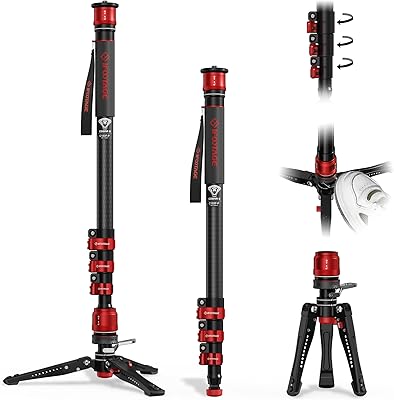
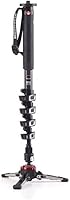
The Manfrotto Xpro 5-Section Carbon Fiber Video Monopod is built for videographers who need reliable camera support without being weighed down by a full tripod. Collapsing into a backpack-friendly length yet extending to just over 74 inches, it strikes a practical balance between portability and reach. At 2.2 lbs, this carbon fiber monopod barely registers in a travel kit — a real advantage when you are already hauling lenses, batteries, and accessories. It sits at the premium end of the Xpro family, priced above the aluminum versions, and that gap reflects a genuine difference in how the tool feels and performs over a long shooting day.
Features & Benefits

The FluidTech base is what sets this travel monopod apart from basic support poles. It allows smooth multi-directional movement — panning, tilting, and repositioning — without requiring a separate fluid head. That said, it is not a substitute for a proper fluid head; think of it as a smart mechanical pivot that keeps your shots from looking locked and lifeless. The Quick Power Lock system lets you deploy all five sections in seconds, which matters when a moment is happening right now. Carbon fiber tubes keep the whole assembly rigid under load while the rubber leg warmer gives a solid, non-slip plant on floors, grass, or stone.

Best For

This carbon fiber monopod is a natural fit for solo run-and-gun videographers — wedding shooters, documentary filmmakers, event videographers — who need to move fast and stay light. It works especially well paired with a mirrorless camera or compact camcorder; the 3.3 lb payload ceiling is a real limitation if you are using a heavier DSLR body with a large lens. Shooters who work in tight, crowded spaces will appreciate how quickly it sets up and how little floor space it demands compared to a tripod. Hikers and traveling content creators will find it fits comfortably in a carry-on or strapped to a pack.

User Feedback

Buyers who have spent time with the Xpro video monopod tend to come away impressed by how solid it feels — the carbon fiber does not flex or rattle the way cheaper alternatives often do, and that rigidity shows up in cleaner footage. The FluidTech base gets consistent praise for adding usable movement to handheld-style shots. On the other side, the 3.3 lb weight limit genuinely frustrates shooters who loaded up heavier rigs and found the monopod undersized for the job — that is not a flaw so much as a clear scope limitation worth knowing before buying. A handful of users also mention that dialing in lock tension across five sections takes a few outings to feel natural.

Pros

  • Exceptionally light at 2.2 lbs — one of the lightest video monopods in its class.
  • Carbon fiber tubes feel rigid and confidence-inspiring, with no flex under a mirrorless camera setup.
  • The FluidTech base adds genuine multi-directional movement that improves shot quality without extra gear.
  • Five-section collapse makes this travel monopod easy to pack in a carry-on or hiking bag.
  • Quick Power Lock lets you go from packed to full height in under ten seconds.
  • Rubber leg warmer provides a stable, non-slip plant on a wide range of surfaces.
  • Build quality is consistent with what Manfrotto users expect from the Xpro line.
  • Works well in tight spaces where a tripod would be impractical or disruptive.
  • Long-term durability reports from real buyers are largely positive even with regular travel use.

Cons

  • The 3.3 lb payload ceiling is a hard limit that rules out most DSLR and cinema rig combinations.
  • Five locking sections mean more points of tension to calibrate — new users often need several outings to dial this in.
  • The FluidTech base is not a fluid head replacement and can feel imprecise for operators who expect drag control.
  • Premium carbon fiber pricing is a significant step up from the aluminum version for what is a modest material benefit for casual shooters.
  • No head is included, so budget for a compatible fluid or ball head on top of the purchase price.
  • Collapsed length, while travel-friendly, is still long enough to be awkward in very small overhead bins.
  • Payload limit combined with no head means total system weight budget gets tight fast with a heavier mirrorless body.

Ratings

The Manfrotto Xpro 5-Section Carbon Fiber Video Monopod has been evaluated by our AI rating system after analyzing verified purchase reviews from buyers worldwide, with spam, bot-generated, and incentivized feedback actively filtered out. The scores below reflect the honest consensus of real videographers and travel shooters who have used this carbon fiber monopod in the field. Both the standout strengths and the genuine frustrations are transparently captured in each category.
Build Quality
92%
Reviewers consistently describe the carbon fiber tubes as feeling premium and confidence-inspiring — not just light, but genuinely solid. Wedding and event videographers who use this travel monopod for full shooting days report that nothing loosens, creaks, or wobbles under normal professional workloads.
A small number of users report that the locking clamps show minor wear after extended heavy use, particularly when operators consistently push close to the payload ceiling. The rubber leg warmer has also attracted occasional comments about durability over time in wet or gritty outdoor conditions.
Portability & Weight
94%
At 2.2 lbs, this carbon fiber monopod is one of the most pack-friendly video support tools in its class. Travel shooters and hikers frequently mention that it fits into a carry-on bag or side pocket of a camera backpack without forcing any real compromise on the rest of their kit.
Despite the impressive weight, the fully extended length means the collapsed monopod is still a long, rigid object that can be awkward to manage on crowded public transport or in compact rental cars. The five sections help, but it never becomes truly compact the way a small travel tripod might.
FluidTech Base Performance
78%
22%
The FluidTech base earns genuine praise from solo shooters who appreciate getting multi-directional movement without needing to budget for and carry an extra head. For event and documentary work, it adds a natural fluidity to repositioning shots that a fixed monopod foot simply cannot offer.
Users who come from proper fluid heads often find the base feels imprecise — there is no drag resistance, so movement can feel slightly uncontrolled at slower pan speeds. It is a mechanical pivot, not a dampened head, and buyers who misread the product description expecting full fluid head performance are consistently disappointed.
Payload Capacity
58%
42%
For mirrorless shooters running lighter setups — a Sony A7 body with a standard zoom, for example — the 3.3 lb limit is workable and rarely becomes a practical problem during a normal shooting day. The carbon fiber monopod handles loads within its rating without any flex or instability.
The 3.3 lb ceiling is a hard real-world constraint that catches out a meaningful number of buyers. Anyone shooting with a heavier DSLR, a broadcast camcorder, or a mirrorless body loaded with a large telephoto lens will exceed this limit, and several reviewers flag this as a purchase regret after the fact.
Ease of Setup
86%
The Quick Power Lock system is genuinely fast once a shooter learns the right clamp tension for their setup. Videographers covering unpredictable live events describe being able to go from packed to fully extended in a matter of seconds, which matters when action is already unfolding in front of the camera.
The five-section design means there are five separate clamps to tension correctly, and new users frequently report a multi-session learning curve before the setup feels intuitive. Getting inconsistent tension across sections can lead to one leg feeling firm while another shifts slightly, which is frustrating early on.
Height Range & Versatility
83%
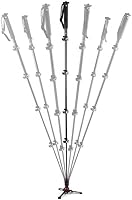
Stretching past 74 inches, this travel monopod gives taller shooters a comfortable eye-level working height without straining, and shorter operators can run it partially extended without losing stability. The range suits a wide variety of shooting positions across events, interviews, and documentary setups.
The five-section design does mean the minimum usable height is not as low as a four-section monopod of similar collapsed length, which limits usefulness for low-angle work. Users shooting in seated or crouched positions occasionally find the minimum height still too tall for their preferred framing.
Locking Mechanism Reliability
76%
24%
When properly tensioned, the Quick Power Lock clamps hold position reliably through active panning, tilting, and repositioning. Photographers who have used traditional twist-lock monopods often comment that the lever system feels faster and more positive once it becomes second nature.
Clamp tension drifts slightly for some users after repeated extend-and-collapse cycles, requiring periodic re-adjustment. A handful of reviewers note that the levers feel plasticky relative to the premium carbon fiber tubes they are attached to, which creates an inconsistency in the overall quality impression.
Value for Money
67%
33%
For travel-focused video professionals who genuinely benefit from the weight savings, the carbon fiber premium over the aluminum Xpro version is justifiable — lighter rigs at the end of a long travel day make a real physical difference. The build quality supports the asking price for this specific buyer.
Casual shooters and hobbyists who do not push the weight limits of their kit will likely find the price jump over the aluminum sibling hard to rationalize. The functional feature set is nearly identical between the two versions, so the premium is essentially being paid for material alone.
Stability on Varied Surfaces
81%
19%
The rubber leg warmer provides a noticeably better grip on polished floors, tile, and outdoor surfaces compared to bare-tipped monopods. Event videographers shooting in venues with hard flooring specifically mention the warmer as a practical detail that prevents frustrating slippage mid-shot.
On loose gravel or soft outdoor ground, the single-foot design inherently limits how stable the monopod can be, and the leg warmer does not fully compensate for the physics of a single contact point. Users accustomed to a monopod with a small three-foot base adapter will notice the difference.
Compatibility with Heads & Accessories
79%
21%
The standard top mount accepts a wide range of fluid heads and ball heads from Manfrotto and third-party brands, giving shooters flexibility to pair it with gear they already own. Gimbal users running lighter setups also find it a practical base for stabilized handheld-style work.
No head is included in the box, which adds to the effective cost of the system for first-time monopod buyers who may not realize this until after purchase. The 3.3 lb payload means that head selection is constrained — heavier fluid heads eat into the payload budget before the camera is even mounted.
Durability Over Time
84%
Long-term owners who use this carbon fiber monopod on a weekly professional basis generally report that the tubes and base hold up well without degradation in rigidity or lock performance. Carbon fiber does not corrode or fatigue the way aluminum can under repeated thermal cycling during travel.
The rubber leg warmer shows cosmetic wear faster than the rest of the monopod, and a few long-term users mention that replacement parts availability through official channels can be slow. The lock levers are the most mechanically vulnerable component and bear watching after heavy use.
In-Bag Packability
80%
20%
The five-section design collapses to a length that fits the main compartment or external rod sleeve of most dedicated camera backpacks, which is a meaningful advantage over four-section monopods of the same extended height. Travelers who move through airports frequently call out this feature specifically.
The collapsed monopod is not short enough to drop into the standard pockets of general-purpose travel bags, so it almost always requires a dedicated slot or external attachment. Photographers who do not use camera-specific luggage may find the packability less impressive than the marketing suggests.
Grip & Handling
77%
23%
The rubber leg warmer doubles as a comfortable grip zone for shooters who hold the monopod near the base during active movement, and the overall diameter of the carbon fiber tubes feels balanced in hand for extended shooting. Users covering three- to four-hour events rarely complain about fatigue from the grip.
There is no dedicated wrist strap or lanyard attachment point, which some run-and-gun videographers consider a safety gap when moving quickly through crowds. The grip area is also limited to the leg warmer zone, so users who prefer to hold higher up the shaft are working with bare carbon fiber.

Suitable for:

The Manfrotto Xpro 5-Section Carbon Fiber Video Monopod was designed with a very specific type of shooter in mind, and it delivers well for that audience. If you are a solo videographer covering weddings, live events, or documentary-style shoots where you need to stay mobile and react quickly, this carbon fiber monopod fits naturally into that workflow. At just 2.2 lbs, it disappears into a travel bag without eating into your weight allowance, making it a smart companion for creators who shoot on the road. It pairs especially well with mirrorless cameras and lightweight camcorders — rigs that let you stay under the 3.3 lb payload ceiling without compromise. Shooters who work in confined venues like concert halls or corporate conference rooms will also appreciate how fast the Quick Power Lock system deploys and how little floor space the monopod occupies compared to any tripod setup.
Not suitable for:

The Manfrotto Xpro 5-Section Carbon Fiber Video Monopod is honestly not the right tool for every videographer, and it is worth being direct about that before you commit. The 3.3 lb payload limit is the single biggest dealbreaker — if your rig includes a full-size DSLR, a large cinema lens, or a broadcast-grade camcorder, you will likely exceed that ceiling and risk instability or wear on the locking mechanism over time. Photographers or videographers who need a stationary, locked-off shot for extended periods will also find a monopod limiting by design; this is a support tool for movement, not a tripod substitute. The FluidTech base adds useful directional flexibility, but anyone expecting the smooth, dampened resistance of a proper fluid head will be disappointed — it is a mechanical pivot, not a drag-controlled head. Finally, budget-conscious buyers should weigh whether the carbon fiber premium over the aluminum Xpro siblings is worth it for their specific shooting frequency and conditions.
Specifications

  • Brand: Manufactured by Manfrotto, an Italian brand widely regarded as an industry standard in professional camera support equipment.
  • Model Number: This monopod carries the official model designation MVMXPROC5US.
  • Material: All load-bearing tubes are constructed from 100% carbon fiber, chosen for its high stiffness-to-weight ratio.
  • Weight: The monopod itself weighs 2.2 lbs, excluding any attached head or camera.
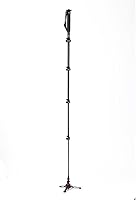
  • Max Height: When fully extended across all five sections, the monopod reaches a maximum height of 74.02 inches.
  • Sections: The shaft is divided into 5 collapsible sections, allowing a significantly reduced packed length for transport.
  • Max Payload: The rated maximum payload capacity is 3.3 lbs, which covers most mirrorless cameras and compact camcorders.
  • Locking System: Each section is secured using Manfrotto's Quick Power Lock mechanism, a lever-style clamp designed for rapid one-handed deployment.
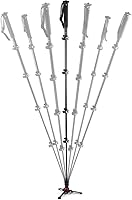
  • Base Type: The monopod features a FluidTech base that permits multi-directional movement including panning and tilting without a separate head.
  • Head Compatibility: The top fitting is compatible with video and fluid head attachments; no head is included in the box.
  • Leg Warmer: A newly designed rubber leg warmer wraps the lower section to improve grip and reduce slippage on hard or uneven surfaces.
  • Collapsed Size: When fully collapsed, the monopod measures approximately 1.18 x 1.18 x 74.02 inches, making it suitable for most overhead compartments.
  • Color: Available in black, with a finish that resists visible scuffs under normal field use.
  • Compatible Devices: Designed for use with camcorders and mirrorless cameras; not recommended for heavier cinema or broadcast rigs.
  • Tripod Head Type: The integrated base is classified as a video/fluid head type, providing directional articulation at the base rather than the top mount.
  • Availability: The product is not discontinued and remains actively available through authorized Manfrotto retailers.
  • Market Rank: This monopod holds a Best Sellers Rank of approximately #207 in the Monopods category on Amazon.
  • Release Date: The product was first made available in October 2016 and has maintained consistent availability since then.

Related Reviews

Manfrotto 290 Carbon Fiber 4-Section Monopod
82%
91%
Build Quality
94%
Weight & Portability
87%
Payload Capacity
83%
Flip-Lock Mechanism
78%
Ergonomics & Grip
More
SIRUI ST-124+VA-5 Carbon Fiber Tripod with Fluid Video Head
84%
89%
Build Quality
84%
Ease of Use
92%
Fluid Head Performance
87%
Portability
80%
Stability on Different Surfaces
More
Manfrotto Element MII Mobile Bluetooth Carbon Fiber Tripod
87%
93%
Portability
88%
Ease of Setup
90%
Build Quality
62%
Stability in Wind
85%
Bluetooth Remote Performance
More
Leofoto MP-366C Carbon Fiber Travel Monopod
83%
93%
Build Quality
91%
Weight & Portability
84%
Flip Lock Mechanism
88%
Stability & Rigidity
86%
Height Range & Adjustability
More
IFOOTAGE Cobra 3 C180F-P Carbon Fiber Monopod
83%
93%
Build Quality
91%
Foot-Pedal Locking Mechanism
84%
Versatility & Mode Switching
94%
Weight & Portability
88%
Load Capacity & Stability
More
SmallRig AD-100 FreeBlazer 78-inch Carbon Fiber Tripod
81%
88%
Build Quality
91%
Locking Mechanism
86%
Pan & Tilt Smoothness
89%
Load Capacity
83%
Portability & Weight
More
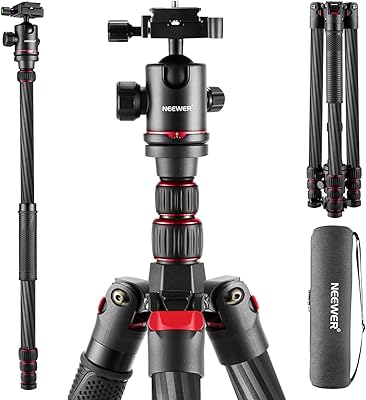
NEEWER N55CR Carbon Fiber Camera Tripod
81%
88%
Build Quality
86%
Stability at Normal Heights
67%
Stability at Maximum Extension
93%
Weight & Portability
74%
Ball Head Performance
More
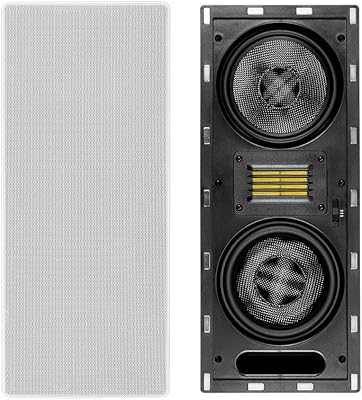
Monoprice 3-Way Carbon Fiber In-Wall Column Speaker 6.5 Inch
85%
90%
Sound Quality
88%
Bass Performance
92%
Ease of Installation
86%
Build Quality
80%
Aesthetics and Design
More
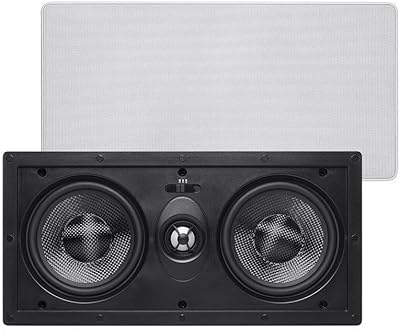
Monoprice Alpha 5.25-Inch In-Wall Center Channel Speaker
80%
91%
Dialog Clarity
88%
Value for Money
74%
Installation Ease
82%
Build Quality
83%
Grille Design & Fit
More
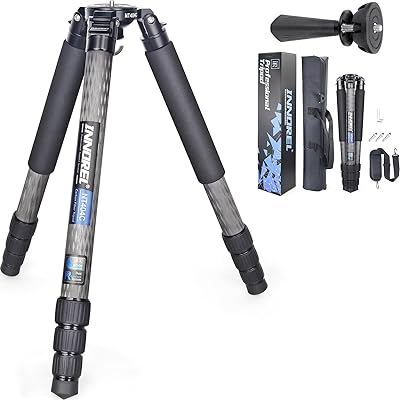
INNOREL NT404C Carbon Fiber Tripod
80%
88%
Build Quality
86%
Stability Under Load
71%
Twist-Lock Usability
91%
Portability
83%
Height Range Versatility
More

FAQ

No head is included. The carbon fiber monopod has a standard video mount on top, so you will need to purchase a compatible fluid head or ball head separately. The FluidTech base at the bottom does add some directional movement, but it is not a head replacement.

Most modern mirrorless bodies like the Sony A7 series, Fujifilm X-H series, or a lightweight Canon camcorder will sit comfortably within the limit. Once you add a heavier zoom lens or a cage with accessories, you can approach or exceed the ceiling quickly, so it is worth adding up your total rig weight before assuming compatibility.

All five sections fold down to a compact length that fits in most carry-on bags and hiking packs. It is not as short as a travel tripod, but for a monopod that extends past 74 inches, the collapsed size is genuinely practical for airline travel.

The FluidTech base is a mechanical pivot built into the foot of the monopod that allows you to tilt and pan the whole shaft in multiple directions. It is not the same as a fluid head — there is no drag control or dampening — but it does prevent the locked, stiff feel you get from a basic monopod foot, which helps with more natural camera movement.

In general use with a payload within the rated limit, the locks hold reliably. Some users do note that it takes a few sessions to learn the right amount of tension on each clamp, particularly with all five sections in play. Once you find that sweet spot, slippage is rarely reported as an ongoing issue.

Yes, provided your gimbal plus camera combination stays under the 3.3 lb payload. Compact single-axis or small 3-axis gimbals paired with a mirrorless body can work well. A heavier gimbal loaded with a full-size camera body would likely push past the limit.

The main difference is weight and material feel. The Manfrotto Xpro 5-Section Carbon Fiber Video Monopod is noticeably lighter than its aluminum sibling and feels more rigid in the hand during extended use. The aluminum version costs less and handles a much higher payload, so if weight savings are not critical to your workflow, the aluminum is a reasonable alternative.

It is genuinely functional. The rubber grip at the base gives you something to brace against when you plant the monopod on tile, hardwood, or polished concrete surfaces that would otherwise cause the foot to shift. It also makes repositioning the monopod in quick bursts feel more controlled.

The Quick Power Lock levers let an experienced user extend all five sections in well under fifteen seconds. It takes a short learning period to develop muscle memory for the clamp tension, but once you are used to it, the setup speed is one of the most practical things about this travel monopod.

Manfrotto built this for professional and serious enthusiast use, and the carbon fiber construction reflects that. Users who travel frequently and shoot regularly report solid long-term durability. It is not designed for abuse or extreme environments, but for normal professional field work it holds up well.