Overview

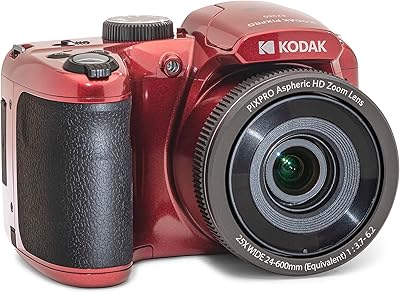
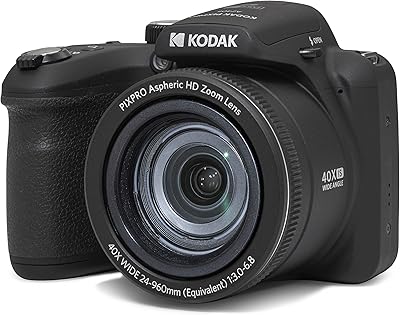
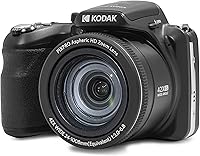
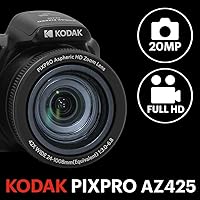
The KODAK PIXPRO AZ425 Digital Camera sits in an interesting spot: it's a bridge camera built for people who want serious zoom reach without the hassle of swapping lenses or learning complex menus. The KODAK name still carries weight — it signals approachability and reliability, even if today's cameras are produced under license by JK Imaging Ltd. Priced in the mid-range, this superzoom camera sits above basic point-and-shoots but stays well within reach compared to mirrorless options. The body is compact enough for a travel bag, and the headline specs — 42x optical zoom, a 20MP sensor, and 1080p video — cover a lot of ground for one accessible package.
Features & Benefits

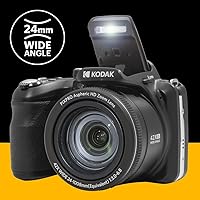
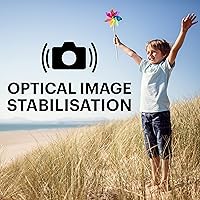
The zoom range is where this KODAK bridge camera really distinguishes itself. Starting at a proper 24mm wide angle, it stretches to a powerful telephoto equivalent — useful whether you're framing a broad mountain vista or pulling in a bird perched across a field. Optical Image Stabilization helps keep shots sharp at long focal lengths, which matters when handholding. The 20MP CMOS sensor delivers clean, detailed images in decent light, but don't expect miracles indoors or after sunset — the small 1/2.3-inch chip has real physical limits. Video records in 1080p at 24fps, which works fine for casual clips. A 3-inch LCD, electronic viewfinder, Wi-Fi, and HDMI out round out a genuinely practical feature set.

Best For

This superzoom camera is a natural fit for travel photographers who'd rather pack one lens-in-a-body than a whole bag of glass. Wildlife watchers and sports spectators will appreciate the telephoto reach on a reasonable budget. It's also a solid entry point for someone stepping up from a smartphone — you get real optical zoom and more manual control than any phone can offer. Families looking for a simple, dedicated camera will find the button-driven interface easy to navigate, and beginner vloggers can use it for straightforward video capture. Where it falls short: serious low-light shooters, advanced hobbyists wanting RAW output, or anyone needing fast and accurate autofocus tracking will run into its limits quickly.

User Feedback

Across nearly 500 ratings, the PIXPRO AZ425 holds a solid 4.1 out of 5 stars — a score that reflects genuine satisfaction with some honest caveats attached. Buyers consistently praise the impressive zoom range for the price, and many note the camera feels sturdy and approachable right out of the box. On the flip side, battery endurance is a recurring complaint: the included Li-Ion cell can run short on a full day of shooting, especially with Wi-Fi active. Video autofocus and overall clip quality draw criticism from users comparing it to current smartphones. Photographers coming from more advanced gear tend to feel constrained, while first-time camera buyers rate the overall experience much more favorably.

Pros

  • 42x optical zoom covers an enormous range — from wide landscapes to distant subjects — without swapping a single lens.
  • Optical Image Stabilization keeps handheld shots at long focal lengths noticeably sharper than cameras without it.
  • The 20MP sensor delivers crisp, detailed images in good daylight and outdoor conditions.
  • Lightweight and compact enough to slip into a travel bag or carry all day without fatigue.
  • Simple, button-driven controls make this KODAK bridge camera approachable for first-time camera buyers.
  • Built-in Wi-Fi makes transferring photos to a phone or computer quick and cable-free.
  • HDMI output lets you connect directly to a TV to review and share photos on a bigger screen.
  • Supports SD cards up to 512GB, so you rarely have to worry about running out of storage on a long trip.
  • Multiple exposure modes — including aperture priority and manual — give growing photographers room to experiment.
  • The included rechargeable Li-Ion battery means no ongoing cost of disposable AAs.

Cons

  • Low-light image quality degrades noticeably — indoor and after-dark shots often look soft or noisy.
  • Video autofocus is slow and can hunt visibly, making moving-subject clips look unprofessional.
  • Battery endurance is a consistent complaint; heavy shooting days or active Wi-Fi use drains it faster than expected.
  • The 3-inch LCD is fixed with no tilt or swivel, which limits framing options when shooting at odd angles.
  • At 24fps, video output lacks the smoothness many buyers now expect after years of 60fps smartphone recording.
  • Autofocus relies on contrast detection, which is slower and less reliable than phase-detect systems on newer cameras.
  • The sensor size means dynamic range is limited — bright highlights and deep shadows in the same scene can be tricky.
  • No RAW file support locks you into JPEG, leaving little room to recover exposure mistakes in editing.
  • Continuous shooting at 7fps is available but autofocus does not reliably track fast-moving subjects between frames.

Ratings

Our AI scoring for the KODAK PIXPRO AZ425 Digital Camera was built by analyzing verified global buyer reviews, actively filtering out incentivized, duplicate, and bot-generated submissions to reflect only genuine ownership experiences. The scores below capture both what this superzoom camera genuinely gets right and where real users ran into frustration — no score inflation, no glossing over the trade-offs. If a category underperforms, the number shows it.
Zoom Range & Reach
91%
The 42x optical zoom is the single feature buyers mention most positively, and for good reason — it covers everything from wide family group shots to a bird perched on a distant branch without touching a lens bag. Travelers especially appreciate never needing to make a zoom decision before leaving the house.
At the extreme telephoto end, finding and framing a small subject takes patience, particularly for newer users who are not yet comfortable with the zoom controls. A small number of buyers noted visible chromatic aberration creeping into high-contrast edges when fully extended.
Image Quality (Daylight)
76%
24%
In good natural light, the 20MP sensor produces detailed, punchy images that look genuinely impressive on screen and print well at standard sizes. Outdoor shots at moderate zoom levels — think travel landmarks or garden close-ups — consistently drew praise from casual shooters comparing results to their older point-and-shoots.
Color accuracy can shift slightly in mixed or artificial lighting, and JPEG compression at the default quality setting removes some fine-detail latitude for editing. Users who push crops heavily will notice the sensor's 1/2.3-inch size limits fine-detail recovery at pixel level.
Low-Light Performance
54%
46%
At ISO 100 to 400, indoor shots near windows or in well-lit rooms come out reasonably clean, and the built-in flash handles close-range low-light situations adequately for family snapshots. Some users found the Auto mode made sensible exposure choices in dim restaurants without obvious blowouts.
Above ISO 800, noise becomes a real problem — images taken in dim living rooms or evening outdoor settings often look muddy and lack fine detail. This is a fundamental sensor-size limitation, and buyers who primarily shoot indoors or at dusk reported consistent disappointment with results compared to their phone cameras.
Optical Image Stabilization
83%
OIS makes a tangible difference when handholding at 10x to 20x zoom — shots that would have been blurred without it come out acceptably sharp in good light. Travel photographers walking between sights found they could grab quick telephoto shots without stopping to brace against a wall.
At the maximum 42x reach, OIS reduces but does not eliminate shake, and in lower light where slower shutter speeds compound the problem, a tripod remains the only reliable solution. A few buyers noted the stabilization produces a slight hunting or wobble effect visible in the LCD while composing shots at full zoom.
Video Quality
58%
42%
The 1080p MP4 output is clean enough for sharing family moments, holiday memories, or simple talking-head vlogs where the subject is relatively still. Audio capture is functional, and the wide-angle starting point makes it easy to frame a scene without excessive post-cropping.
Autofocus during video recording frequently hunts and refocuses visibly, which is distracting in any clips with subject movement. At 24fps, motion looks noticeably less smooth than footage from modern smartphones, and dynamic range in high-contrast outdoor scenes tends to blow out highlights.
Autofocus Speed & Accuracy
61%
39%
For stationary subjects in good light — a posed portrait, a parked car, a flower — the contrast-detection autofocus locks on reliably and produces sharp results. The multi-area AF system handles straightforward framing scenarios without requiring manual intervention.
Tracking moving subjects is where buyers express clear frustration: the system is slow to follow action and frequently loses lock when subjects change direction. Sports, pets, and active children were cited repeatedly as scenarios where missed focus ruined otherwise good shots.
Battery Life
62%
38%
The included Li-Ion battery handles lighter shooting sessions — a morning walk, a family event of a few hours — without issue, and the camera ships ready to use after charging. Users who shoot in bursts rather than continuously found it lasted through a half-day outing comfortably.
Heavy users, particularly those shooting video, using Wi-Fi frequently, or running the LCD at full brightness all day, reported the battery running out well before the day was done. Multiple reviewers strongly recommended buying a spare battery before any trip where charging access is limited.
Build Quality & Handling
78%
22%
The camera body feels solid and well-assembled for its price tier — grip texture is comfortable, buttons have a satisfying tactile click, and nothing rattles or flexes in normal use. Buyers coming from cheap compact cameras frequently commented that this KODAK bridge camera felt like a meaningful step up in physical quality.
The body is not weather-sealed, so rain, dust, or beach sand are genuine concerns for outdoor adventurers. A handful of users reported the zoom lever felt slightly loose after extended use, though this did not appear to affect function in most cases.
Ease of Use
88%
The interface is genuinely approachable for beginners — the Auto mode works well out of the box, the menu layout is logical, and the physical controls are clearly labeled. Seniors and first-time camera buyers consistently rated setup and day-to-day operation as intuitive without needing to reference the manual.
More experienced photographers may find the menu system limiting and slower to navigate than cameras from Panasonic or Canon in a similar category. Customization options are minimal, which frustrates users who want to assign frequently used settings to quick-access buttons.
Value for Money
79%
21%
For buyers whose primary goal is maximum zoom reach at a mid-range price, the PIXPRO AZ425 delivers a strong return — you simply cannot get 42x optical zoom with OIS at this price tier from many competitors. Families and casual travelers who compare the total cost against a kit lens camera plus extra lenses often see clear savings.
Buyers who prioritize video quality or low-light performance may feel the price is hard to justify once they compare real-world output against what their phone produces for free. If zoom range is not the driving purchase reason, competing cameras at similar prices sometimes offer better all-round image quality.
Wi-Fi & Connectivity
71%
29%
The built-in Wi-Fi works reliably for transferring batches of photos to a smartphone or tablet without hunting for a cable, and the KODAK PIXPRO app makes the initial connection process straightforward. HDMI output for big-screen photo review was a well-received feature among family users.
Wi-Fi transfer speeds are modest and noticeably slower than a direct USB cable connection when moving large files. A small number of users reported occasional connectivity drops between the camera and the companion app that required restarting the connection process.
LCD Screen
67%
33%
The 3-inch display is a decent size for reviewing shots and navigating menus, and color rendering is accurate enough to judge exposure and composition in the field. Indoors and in shade, brightness is comfortable for extended use.
The fixed, non-articulating mount is a recurring complaint — shooting from low angles, overhead, or in selfie orientation requires awkward guesswork. Outdoor visibility in direct sunlight is mediocre, which is particularly frustrating given that wildlife and travel photography often happens in bright conditions.
Zoom Controls & Ergonomics
74%
26%
The rocker-style zoom control around the shutter button feels natural for one-handed shooting and allows smooth, gradual zooming rather than jumping between fixed steps. Most buyers adapted to the zoom speed within a short learning period.
Fine-tuning the zoom at the very long end to precisely frame a distant subject takes practice, and some users found the camera overshoots their intended focal length before they can release the control. The grip could benefit from a deeper contour for users with larger hands.
Startup & Shot-to-Shot Speed
69%
31%
Startup time is quick enough for most spontaneous shots — the camera is ready to shoot within a couple of seconds of powering on. The 7fps burst mode gives casual action shooters a reasonable window to capture a moving moment.
Write speed to slower SD cards can introduce a noticeable lag between shots after a burst, so card choice matters. A few users noted the camera hesitates slightly between consecutive single shots in lower light when autofocus is re-acquiring, which causes them to miss fleeting moments.
Manual Controls & Creative Modes
72%
28%
The inclusion of Aperture Priority, Shutter Priority, and full Manual modes gives curious beginners a real platform to learn exposure fundamentals without buying a more expensive camera. Panorama mode and scene presets add creative variety for users who enjoy experimenting.
The maximum aperture narrows significantly as the lens zooms in, limiting creative control over background blur at telephoto distances. Without RAW support, any creative ambitions that extend into post-processing are constrained to the latitude JPEG files allow, which is meaningful for users who edit their work.

Suitable for:

The KODAK PIXPRO AZ425 Digital Camera is a strong match for anyone who wants meaningful zoom reach in a single, carry-anywhere body without the cost or complexity of an interchangeable-lens system. Travelers who shoot landscapes one moment and distant wildlife the next will find the all-in-one zoom range genuinely liberating — no lens changes, no extra bag weight. It also makes a lot of sense for families or seniors who want a dedicated camera that is straightforward to pick up and use without reading a thick manual. Beginner vloggers looking for a simple step up from phone video will get functional 1080p footage with stabilization, which is enough for casual content. And if you're someone who watches birds, attends outdoor sporting events, or photographs subjects you simply cannot get close to, the telephoto reach here is hard to match at this price tier.

Not suitable for:

The KODAK PIXPRO AZ425 Digital Camera will frustrate buyers who expect low-light performance comparable to larger-sensor cameras or current flagship smartphones — the compact 1/2.3-inch CMOS chip is a real constraint in dim conditions, and no amount of post-processing will fully recover detail lost to sensor size. Videographers who care about sharp, cinematic footage should also look elsewhere; the 1080p at 24fps output is functional but not competitive with what many phones produce today, and autofocus tracking during video can be unreliable. Enthusiasts who shoot in RAW, need fast burst autofocus for action, or want to grow into more advanced photographic techniques will hit a ceiling here sooner than they expect. If you already own a capable mirrorless or DSLR kit, this camera will feel like a step back rather than a supplement.
Specifications

  • Sensor: The camera uses a 20MP 1/2.3-inch CMOS sensor capable of capturing up to 20.68 effective megapixels per still image.
  • Optical Zoom: A 42x optical zoom lens covers a focal range equivalent to 24mm–1008mm in 35mm terms, starting at a true wide-angle perspective.
  • Digital Zoom: An additional 4x digital zoom extends reach further, though with the expected reduction in image sharpness.
  • Image Stabilization: Optical Image Stabilization (OIS) is built into the lens to reduce camera shake during handheld shooting, especially at longer focal lengths.
  • Video Resolution: Video records at 1080p Full HD in MP4 format at 24 frames per second with a 16:9 aspect ratio.
  • ISO Range: Sensitivity ranges from ISO 100 to ISO 3200, covering bright outdoor conditions through dimmer indoor environments.
  • Shutter Speed: The shutter speed range spans from 30 seconds for long-exposure shots down to 1/2000 of a second for fast action.
  • Autofocus System: Autofocus uses contrast detection across multiple areas of the frame, operating in automatic AF-A mode by default.
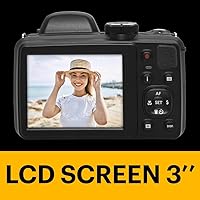
  • Display: A fixed 3-inch color LCD screen serves as the primary framing and review display, with no tilt or swivel capability.
  • Viewfinder: An electronic viewfinder is included as a secondary framing option, useful in bright outdoor light where the LCD can be harder to read.
  • Burst Shooting: Continuous shooting is supported at up to 7 frames per second, with a minimum delay between shots of 0.14 seconds.
  • Storage: The camera accepts SD, SDHC, and SDXC cards rated Class 10 or above, up to a maximum capacity of 512GB.
  • Connectivity: Built-in Wi-Fi, a USB 2.0 port, and HDMI output allow for wireless file transfer, wired data connection, and TV playback respectively.
  • Battery: A rechargeable Li-Ion battery is included in the box; a spare or higher-capacity third-party battery is recommended for full-day shooting sessions.
  • Weight: The camera body weighs approximately 445 grams, placing it in a manageable range for all-day carry without being featherlight.
  • File Format: Still images are saved as JPEG files at up to 12-bit depth; RAW capture is not supported.
  • Exposure Modes: Available exposure modes include Auto, Program, Aperture Priority, Shutter Priority, and Manual, giving beginners room to grow.
  • Flash: A built-in flash supports Auto, Fill Flash, Slow Sync, Red-Eye Reduction, and Forced Off modes for varied lighting situations.
  • Warranty: The camera is covered by a one-year manufacturer warranty provided by KODAK (licensed and manufactured by JK Imaging Ltd).
  • Maximum Aperture: The lens opens to a maximum aperture of f/3.0 at the wide end, which narrows as the zoom extends toward telephoto.

Related Reviews
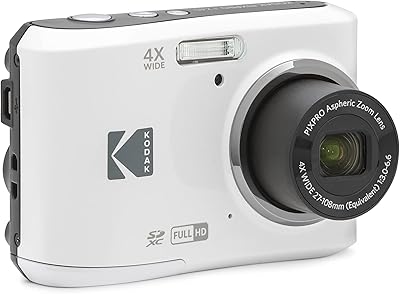
Kodak PIXPRO AZ255 Bridge Digital Camera
69%
88%
Zoom Performance
76%
Daylight Image Quality
39%
Low-Light Image Quality
87%
Ease of Use
78%
Value for Money
More
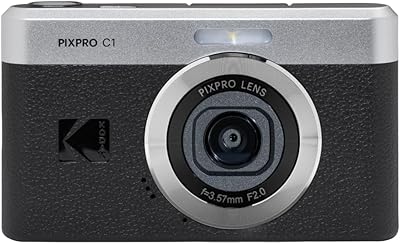
Kodak Pixpro C1
Kodak Pixpro C1
73%
72%
Image Quality (Daylight)
47%
Low-Light Performance
88%
Flip Screen Usability
83%
Waterproofing & Durability
69%
Video Quality
More
Kodak PIXPRO FZ45
Kodak PIXPRO FZ45
72%
93%
Ease of Use
78%
Daylight Image Quality
41%
Low-Light Performance
72%
Zoom Range & Optical Quality
69%
Video Quality
More
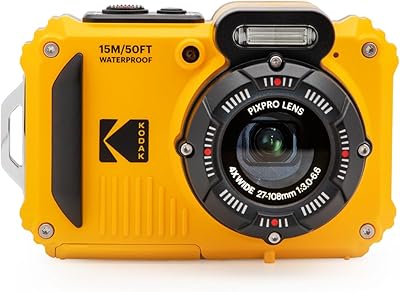
KODAK PIXPRO FZ55 Compact Digital Camera
69%
91%
Ease of Use
78%
Image Quality in Good Light
44%
Low-Light Performance
76%
Zoom & Focal Range
67%
Video Quality
More
Kodak Pixpro AZ405
Kodak Pixpro AZ405
72%
91%
Optical Zoom Range
78%
Image Quality in Good Light
52%
Low-Light Performance
74%
Optical Image Stabilization
67%
Video Quality
More
KODAK PIXPRO WPZ2 Waterproof Digital Camera
72%
88%
Waterproof Performance
83%
Build & Durability
71%
Image Quality (Outdoors)
47%
Image Quality (Low Light)
69%
Video Quality
More
Kodak Smile Classic Digital Instant Camera
69%
63%
Print Quality
71%
Bluetooth Connectivity
58%
Value for Money
67%
Build Quality & Design
84%
Print Size
More
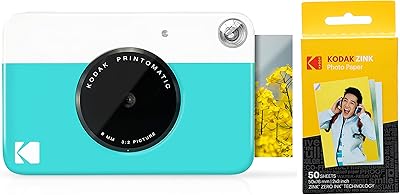
Kodak PRINTOMATIC Instant Print Camera
78%
93%
Ease of Use
61%
Print Quality
74%
Value for Money
88%
Portability & Size
63%
Build Quality & Durability
More
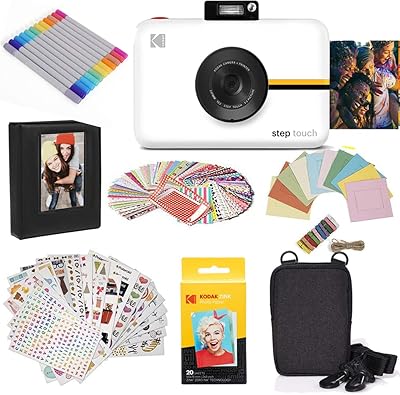
Kodak Step Touch 13MP Instant Print Camera
71%
74%
Print Quality
67%
Camera Image Quality
84%
Ease of Use
71%
Print Speed
58%
Battery Life
More
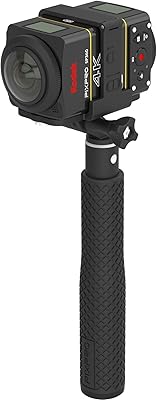
Kodak PIXPRO SP360 4K 360-Degree Action Camera
67%
71%
Video Quality
58%
Stitching Quality
93%
Portability
44%
Battery Life
56%
Mobile App
More

FAQ

No, the PIXPRO AZ425 does not include a memory card in the box. You will need to purchase one separately — look for a Class 10 SD, SDHC, or SDXC card, and make sure it is no larger than 512GB to ensure full compatibility.

Battery life is functional for shorter outings, but many users find a single charge falls short on busy shooting days, especially with Wi-Fi turned on. Carrying a spare Li-Ion battery is a smart move, and compatible third-party options are widely available at reasonable cost. Charging is done via the included charger rather than through the USB port.

Unfortunately, no — this superzoom camera saves stills only in JPEG format. If RAW editing is an important part of your workflow, you will want to look at a different camera category entirely. JPEG files from the AZ425 are still 20MP and respond reasonably to basic edits, but recovery latitude is limited compared to RAW.

Optical Image Stabilization helps significantly at longer focal lengths, but at the extreme end of a 42x zoom, even small hand movements get amplified. OIS will reduce blur in many handheld situations, but for consistently sharp shots at maximum zoom — especially in lower light — a tripod or monopod is still your best bet.

Honestly, most current flagship smartphones will outperform this KODAK bridge camera for video quality. The 1080p at 24fps footage is perfectly watchable for family videos or casual vlogging, but it lacks the sharpness, dynamic range, and stabilization that phones now offer. If video is your primary use case, weigh that trade-off carefully before buying.

Yes, the built-in Wi-Fi allows you to transfer photos wirelessly to a compatible smartphone or tablet using the KODAK PIXPRO app. Remote shutter control via the app is also supported, which is handy for group shots or reducing camera shake. Setup is fairly straightforward through the camera's menu.

The 42x optical zoom makes it genuinely capable for stationary or slow-moving wildlife subjects like perched birds or grazing animals. Where it struggles is with fast, unpredictable movement — the contrast-detection autofocus can be slow to lock on and track action. For casual wildlife spotting and documentation it works well; for serious action photography, it will frustrate you.

Pick up a Class 10 or UHS-I rated SD, SDHC, or SDXC card for reliable performance — anything below Class 10 may cause recording issues, especially during video capture. Capacity-wise, anything from 32GB to 256GB is a practical sweet spot, and the camera will accept cards up to 512GB if you want room to spare.

Yes, it is genuinely well-suited for beginners. The Auto mode handles most settings automatically, the menu layout is intuitive, and the physical controls are clearly labeled. As confidence grows, the camera offers Program, Aperture Priority, Shutter Priority, and full Manual modes to experiment with — it gives beginners a real path to learning without overwhelming them from day one.

Yes — the HDMI output lets you connect the camera directly to any TV or monitor with an HDMI input, making it easy to share photos and videos on a large screen. You will need a standard HDMI cable, which is not included in the box, so budget for one if you plan to use this feature.

Where to Buy