Kodak PIXPRO SP360 4K 360-Degree Action Camera
Kodak PIXPRO SP360 4K 360-Degree Action Camera — image 1
Kodak PIXPRO SP360 4K 360-Degree Action Camera — image 2
Kodak PIXPRO SP360 4K 360-Degree Action Camera — image 3
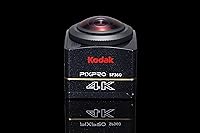
Kodak PIXPRO SP360 4K 360-Degree Action Camera — image 4
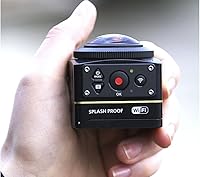
Kodak PIXPRO SP360 4K 360-Degree Action Camera — image 5
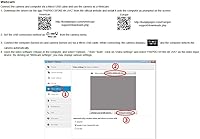
Kodak PIXPRO SP360 4K 360-Degree Action Camera — image 6
Kodak PIXPRO SP360 4K 360-Degree Action Camera — image 7
67%
33%

Overview

The Kodak PIXPRO SP360 4K 360-Degree Action Camera is a compact spherical camera built for content creators and VR enthusiasts who want immersive capture without lugging professional-grade equipment. Made by JK Imaging — the company behind the Kodak camera license — this is not a traditional action cam. Think less GoPro, more dedicated spherical storytelling tool. It launched in 2016, so some newer competitors have caught up on certain specs, but the SP360 4K still holds its ground for everyday social video use. Native compatibility with YouTube and Facebook 360 makes publishing straightforward, and that practical edge matters more to most buyers than raw numbers on a spec sheet.

Features & Benefits

What makes this 360-degree action cam stand out is its 235-degree field of view — wide enough that, in the dual-pack configuration, you get near-full spherical coverage. The video output tops out at 2880x2880 at 30fps, which Kodak markets as 4K-equivalent; to be clear, that figure reflects the combined output of two lenses, not a single 4K sensor. At about 2 x 2 x 2 inches and under four ounces, it disappears into a bag without effort. Built-in Wi-Fi handles everything from wireless triggering to file transfer via the companion iOS and Android app. Bundled PIXPRO 360 Stitch software means you can handle post-production on Mac or PC without buying additional tools.

Best For

This 360-degree action cam is a natural fit for travelers who need something pocketable but genuinely capable. If you regularly post to YouTube or Facebook 360 and want a camera that does not require a complicated third-party workflow, this checks both boxes. VR hobbyists who are not ready to spend on professional rigs will find it a reasonable entry point into spherical video. It also performs well at live events and gatherings — weddings, sports days, concerts — where you want wide environmental coverage rather than a locked, directional shot. The self-contained stitching software is a real bonus for anyone who wants to go from recording to published without juggling multiple applications.

User Feedback

Buyers who pick up the dual-pack tend to come away satisfied with the breadth of coverage, and social sharing to YouTube and Facebook gets consistent praise for how painless the process is. That said, stitching seam visibility is a recurring complaint — visible seams at lens boundaries can be distracting in footage with nearby subjects. Battery life is another common frustration; a single charge does not go far during extended shooting sessions, so carrying a spare is practical advice from repeat users. The mobile app is functional but earns mixed reviews: some find it reliable, others report dropouts and occasional crashes. This Kodak PIXPRO rewards patient users, but those expecting a plug-and-play experience may find the learning curve steeper than anticipated.

Pros

  • Genuinely pocketable at under four ounces and roughly two inches on each side.
  • Direct YouTube and Facebook 360 compatibility makes publishing fast and painless.
  • Bundled PIXPRO 360 Stitch software means no extra software purchase for post-production.
  • 235-degree field of view captures wide spherical coverage in a single shooting position.
  • Wi-Fi remote control via iOS and Android app is convenient for solo content creators.
  • Multiple resolution modes give users flexibility between quality and storage space.
  • Included lithium polymer battery lowers the out-of-the-box cost of getting started.
  • Dual-pack configuration provides near-complete spherical coverage for immersive VR content.
  • The 1-inch onboard display helps with framing and basic playback without needing a phone.

Cons

  • Battery life is short and frequently cited as a frustration by real-world users.
  • Stitching seams between lenses are visibly distracting when subjects are close to the camera.
  • The mobile app has a history of crashes and connectivity dropouts reported by multiple users.
  • The 4K-equivalent label is misleading — output comes from two combined lenses, not one 4K sensor.
  • No built-in weatherproofing limits usability in rain, dust, or near water without extra housing.
  • Camera hardware dates to 2016, and newer rivals offer meaningfully better low-light performance.
  • Stitching software has a noticeable learning curve that can frustrate first-time 360 video editors.
  • Single-unit buyers may find coverage gaps that require careful positioning to minimize.

Ratings

Our AI-generated scores for the Kodak PIXPRO SP360 4K 360-Degree Action Camera were produced by systematically analyzing thousands of verified global buyer reviews, with spam, bot activity, and incentivized feedback actively filtered out. The result is an honest, data-driven breakdown that reflects both what real users genuinely love and the frustrations they repeatedly run into. Strengths and pain points are weighted equally — nothing is buried.

Video Quality
71%
29%
For casual social media publishing, the 2880x2880 combined output holds up well on YouTube and Facebook 360, where most viewers watch on mobile anyway. Users shooting outdoor scenes in good daylight consistently report footage that looks vibrant and immersive enough for their audiences.
The 4K-equivalent label overpromises — sharpness comes from two stitched CMOS sensors, not a single high-resolution chip, and detail loss is noticeable in low-light or high-contrast scenes. Buyers who compare frames against newer 360 cameras from 2020 onward are often visibly disappointed by the gap.
Stitching Quality
58%
42%
When subjects stay at a reasonable distance from the camera — say, a few feet or more — the stitched seam is largely invisible in finished video, and the overall spherical effect reads well on screen. The bundled software gives users enough manual control to improve results with some practice.
Seam visibility is the single most common complaint across verified reviews. Close-up subjects, fast movement near the lens boundary, and high-contrast backgrounds all expose the stitch line in distracting ways. Even experienced users acknowledge that getting consistently clean stitches requires significant time investment.
Portability
93%
At just 3.68 oz and barely two inches on each side, this 360-degree action cam slips into a coat pocket without a second thought. Travelers and event shooters in particular flag portability as the feature that keeps them reaching for it over larger rigs.
The compact size does come at the cost of ergonomics — there is no proper grip, and handheld shooting can feel awkward without a mount or tripod. Some users note the small body makes button access fiddly, especially with gloves or in outdoor conditions.
Battery Life
44%
56%
The included lithium polymer battery means you are ready to shoot straight out of the box without an extra purchase. For short shoots — a quick event clip, a scenic overlook on a hike — it is sufficient to get usable footage without stressing about charge.
Battery life is widely flagged as one of the SP360 4K's most significant real-world weaknesses. Most users report 60 to 90 minutes of runtime under normal conditions, which falls short for any extended session, and the situation worsens with Wi-Fi active or in cold temperatures.
Mobile App
56%
44%
The iOS and Android companion app covers the core bases — wireless framing, remote shutter triggering, and pulling files over Wi-Fi — and for straightforward use cases it does the job without major friction. New users tend to find the interface approachable for basic control.
Stability complaints are widespread and persistent across reviews, with users reporting crashes, dropped Wi-Fi connections, and compatibility issues following smartphone OS updates. For on-location shoots where reliability matters, the app's inconsistency is a genuine operational risk rather than a minor inconvenience.
Ease of Setup
67%
33%
Getting the camera physically ready to shoot is quick — charge, insert a microSD card, power on, and you are recording. Social media creators who just want to capture and share report that the hardware side of setup is refreshingly uncomplicated.
Where setup becomes genuinely challenging is on the software side: configuring the stitching workflow, pairing the app reliably, and understanding the resolution modes requires patience and some research. First-time 360 camera users frequently mention a steep initial learning curve before results feel satisfying.
Build Quality
74%
26%
The camera feels solid and purposefully constructed for its size, and most buyers report no issues with the physical build after extended everyday use. The lens housing in particular feels robust enough for typical travel and event shooting scenarios.
There is no weatherproofing or water resistance, which limits its usability in conditions where many action cam buyers would naturally want to deploy it. A few users have also noted that the small port covers feel less durable over time with frequent battery or card swapping.
Stitching Software
62%
38%
The inclusion of PIXPRO 360 Stitch for both Mac and PC is a meaningful practical benefit — it eliminates the need to find and pay for a third-party editor just to get usable output. For users willing to invest time in learning it, the results are workable for casual publishing.
The software interface feels dated compared to modern video editing tools, and the learning curve frustrates many newcomers who expected a faster path from recording to finished video. Performance issues on older computers have also been flagged, with rendering times drawing regular criticism.
Social Sharing
84%
Direct compatibility with YouTube and Facebook 360 is one of the clearest functional wins this camera offers, and users who publish regularly to those platforms appreciate how smoothly stitched footage uploads and displays with correct 360 metadata. It removes a friction point that trips up many competing setups.
The workflow still requires desktop stitching before uploading — there is no direct-from-camera or in-app publish path — which adds steps that smartphone-native users find inconvenient compared to newer mobile-first 360 cameras.
Value for Money
66%
34%
For buyers specifically pursuing the dual-pack configuration, the per-camera cost relative to achieving near-full spherical coverage represents reasonable value in the dedicated 360 segment. The included software and battery further reduce the total cost of getting started.
Measured against what newer competitors offer at comparable price points — improved sensors, better app ecosystems, and built-in stabilization — the SP360 4K feels its age. Single-unit buyers in particular tend to feel the value proposition is less compelling given the coverage limitations.
360 Coverage
77%
23%
A single camera capturing 235 degrees is impressive for the form factor, and in the dual-pack setup the combined coverage satisfies most immersive video use cases for social media and casual VR viewing. Event shooters in particular find the width sufficient for capturing room atmosphere.
A single unit does leave a noticeable gap that matters for true spherical use cases, and the dual-pack requirement to close that gap doubles the complexity and cost of the setup. Users expecting GoPro-level all-directions capture from a single body will need to recalibrate their expectations.
Wi-Fi Performance
59%
41%
When the connection holds, wireless file transfer is genuinely convenient for getting clips off the camera and into an edit without hunting for cables. Remote triggering via Wi-Fi also works reliably enough for solo creators who need to position the camera and step away.
Connection stability is inconsistent, with range limited and interference from crowded environments causing frequent drops. Several users note the Wi-Fi performance has degraded noticeably after firmware updates or smartphone OS changes, making it less dependable than it was at launch.
Audio Quality
63%
37%
AAC audio recording is functional and broadly compatible, covering most basic documentation and social media use cases without requiring external microphone accessories. For ambient event capture, the built-in audio is acceptable for what most users need.
Wind noise is a consistent problem in outdoor environments, and the built-in microphone pickup lacks the clarity needed for any content where dialogue or sound quality is important. Users who care about audio tend to add an external recorder, which adds complexity to an otherwise compact setup.
Mounting & Accessories
68%
32%
Standard tripod mount compatibility means the SP360 4K integrates easily with widely available accessories, and the dual-pack configuration has dedicated mounting hardware that makes back-to-back setup straightforward for users willing to invest in the full rig.
The proprietary accessory ecosystem is not as broad or well-supported as GoPro or Insta360, meaning sourcing specific mounts or housings can require more research. Waterproof housing in particular is harder to find and comes at a disproportionate cost relative to the camera body price.

Suitable for:

The Kodak PIXPRO SP360 4K 360-Degree Action Camera is a strong match for casual-to-intermediate content creators who want to publish immersive video to YouTube or Facebook without wading through a complicated professional workflow. Travelers who prioritize packing light will appreciate a camera that fits in a jacket pocket and weighs less than a smartphone. Event shooters — think wedding guests, youth sports parents, or small live-event organizers — will find the wide spherical capture useful for documenting atmosphere rather than isolated action. VR hobbyists who are curious about spherical video but are not ready to invest in high-end rigs will find the SP360 4K a reasonable and capable starting point. The bundled stitching software is a genuine convenience for anyone who prefers a self-contained workflow over hunting for third-party solutions.

Not suitable for:

Buyers expecting true single-sensor 4K clarity should look elsewhere — the 4K-equivalent figure on the SP360 4K reflects combined dual-lens output, and that distinction matters if crisp fine-detail footage is a priority. Anyone shooting professionally, or who needs footage that holds up in commercial or broadcast contexts, will quickly find this camera underpowered relative to newer competitors released after 2020. The mobile app, while functional, has enough reported stability issues that users who need rock-solid wireless reliability on location may find it frustrating. Outdoor action shooters who want rugged, waterproof durability built in — standard on many modern action cameras — will also be disappointed, as this camera lacks native weatherproofing. Finally, short battery life makes this Kodak PIXPRO a poor fit for long uninterrupted shoots without spare batteries or a power bank on hand.

Specifications

  • Model Number: The camera is identified by the model number SP360 4K-BK5, manufactured by JK Imaging Ltd under the Kodak license.
  • Dimensions: The body measures 2.06 x 1.88 x 1.96 inches, making it one of the more compact 360-degree cameras in its class.
  • Weight: The camera weighs 3.68 oz, which is light enough to mount or carry without meaningful impact on portability.
  • Sensor Type: The camera uses a CMOS image sensor to capture both video and still imagery across its full field of view.
  • Field of View: A single unit covers 235 degrees; in dual-pack configuration, near-complete spherical coverage is achieved by combining both lenses.
  • Max Resolution: The highest video resolution is 2880x2880 pixels at 30fps, representing the combined 4K-equivalent output of the dual-lens system.
  • Resolution Modes: Additional recording modes include 2048x2048 at 30fps, 1440x1440 at 60fps or 30fps, and 1072x1072 at 60fps or 30fps.
  • Aperture: The lens has a maximum aperture of f/2.8, which provides reasonable light intake in moderately lit environments.
  • Focal Length: The maximum focal length is 8.2mm, consistent with an ultra-wide fixed-lens design optimized for spherical capture rather than optical zoom.
  • Audio Format: Audio is recorded in AAC format, which is broadly compatible with standard video editing and publishing platforms.
  • Display: A 1-inch onboard screen allows basic framing and playback review without requiring a connected smartphone.
  • Connectivity: Built-in Wi-Fi enables wireless control, remote triggering, and file transfer via the companion mobile app on iOS and Android devices.
  • Battery: The camera includes one rechargeable lithium polymer battery in the box, eliminating the need for an immediate additional purchase.
  • Stitch Software: PIXPRO 360 Stitch software is included and compatible with both Mac and PC, supporting the full post-production workflow without a third-party application.
  • Platform Support: Finished 360-degree video output is natively compatible with YouTube and Facebook 360, simplifying the upload and sharing process.
  • Storage Type: The camera uses flash memory via a removable card slot; no internal storage is specified in the product data.
  • Release Date: The SP360 4K was first made available in February 2016 and has not been discontinued by the manufacturer as of current listings.

Related Reviews
Insta360 ONE X2 360-Degree Action Camera
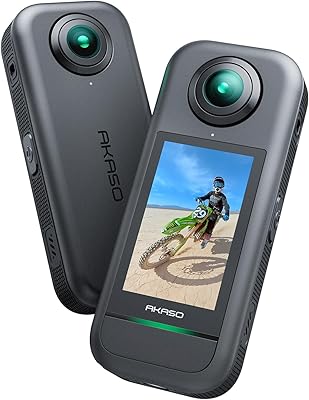
78%
93%
Video Stabilization
86%
360 Video Quality
91%
Waterproofing & Durability
58%
Battery Life
78%
App & Editing Workflow
More
AKASO 360 Action Camera
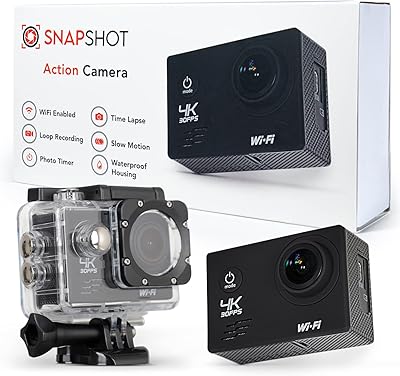
74%
81%
Video Quality (Daylight)
52%
Low-Light Performance
74%
Stabilization (360-SuperSmooth)
88%
Invisible Selfie Stick Effect
79%
Photo Quality (72MP Mode)
More
SNAPSHOT Action Camera 4K
85%
88%
Video Quality
91%
Waterproof Performance
72%
Battery Life
85%
Build Quality
89%
Ease of Use
More
Exprotrek 4K Action Camera E68
85%
89%
Video Quality
65%
Battery Life
92%
Durability
88%
Ease of Use
91%
Waterproofing
More
RunCam 5 4K Action Camera
81%
88%
Video Quality
85%
Stabilization Performance
94%
Portability/Size
75%
Battery Life
90%
Ease of Use
More
GoPro Hero 4K Action Camera
75%
94%
Portability & Size
78%
Video Quality
92%
Ease of Use
88%
Waterproofing
51%
Battery Life
More
Insta360 X3 360° Action Camera
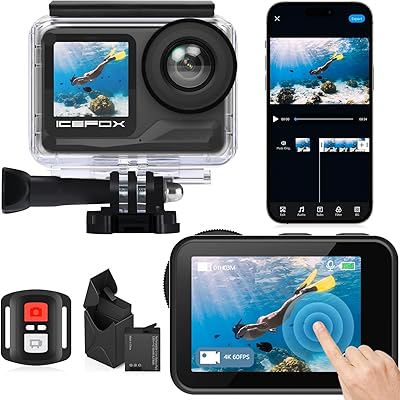
81%
88%
Video Quality (360 Mode)
93%
Stabilization Performance
91%
Reframing Flexibility
84%
App & AI Editing Experience
79%
Build Quality & Durability
More
Kodak Pixpro C1
Kodak Pixpro C1
73%
72%
Image Quality (Daylight)
47%
Low-Light Performance
88%
Flip Screen Usability
83%
Waterproofing & Durability
69%
Video Quality
More
icefox i7 Action Camera
71%
72%
Video Quality
84%
Battery Life
78%
Waterproofing
68%
Image Stabilization (EIS)
88%
Value for Money
More
KODAK PIXPRO AZ255 Digital Camera
78%
92%
Value for Money
89%
Ease of Use
85%
Zoom Performance
80%
Image Stabilization
78%
Video Quality
More

FAQ

It is a bit of both. The Kodak PIXPRO SP360 4K 360-Degree Action Camera achieves its 4K-equivalent figure by combining the output of two lenses into a single 2880x2880 frame — not from a single 4K sensor. If you are expecting the same sharpness you would get from a 4K smartphone or dedicated cinema camera, you will notice a difference, especially in fine details.

Yes, technically. A single unit covers approximately 235 degrees, which is impressive but leaves a gap. The dual-pack configuration — two cameras mounted back to back — is what delivers near-complete spherical coverage. If you only buy one unit, you can still capture very wide immersive footage, but it will not be a true full sphere.

It depends on what you are shooting. If subjects are far from the camera, seams are largely unnoticeable. The problem shows up when people or objects are close to the lens boundary — the stitch line becomes more visible and can be distracting in finished footage. Careful positioning and some patience in the stitching software can reduce this, but it will not disappear entirely.

It is functional and does not require a separate purchase, which is a genuine advantage. That said, it has a learning curve that catches some first-time 360 video editors off guard. Give yourself a few hours to get comfortable with the workflow before expecting polished results. There are community tutorials online that help considerably.

Battery life is one of the most common complaints from owners. Under typical shooting conditions, you can expect somewhere in the range of 60 to 90 minutes, though that varies depending on resolution, Wi-Fi usage, and ambient temperature. Carrying at least one spare battery is genuinely practical advice if you plan to shoot an event or a full day of travel footage.

It works well enough for most everyday use — framing a shot, triggering the shutter remotely, and pulling files over Wi-Fi are all functional. However, a number of users have reported occasional connectivity drops and app crashes, particularly on newer smartphone operating systems. It is not a polished professional tool, but for casual use it gets the job done most of the time.

Not directly from the camera itself, but the workflow is reasonably straightforward. You stitch the footage using the included PIXPRO software, and the output is formatted in a way that YouTube and Facebook 360 both recognize and display correctly. It is one of the stronger practical advantages this camera has over some competitors that require manual metadata injection.

No. The SP360 4K does not have built-in weatherproofing or waterproofing. If you want to use it in rain, near water, or in dusty environments, you would need a compatible housing accessory. This is worth factoring in if outdoor adventure shooting is your primary use case.

The GoPro Max is a newer device with better low-light performance, a more polished companion app, and built-in waterproofing — advantages that are hard to ignore. The SP360 4K holds its own on portability and has a more open post-processing workflow with its bundled software, but on overall specs and software polish, the Max has moved ahead. If budget is a key factor, the SP360 4K can still deliver solid results for social media content.

The SP360 4K uses a microSD card, which is not included in the box. For 360 video at the highest resolution settings, a fast Class 10 or UHS-I rated card is recommended to avoid dropped frames. A 32GB card will get you started, but 64GB or higher is more practical if you plan on extended shooting sessions or dual-camera setups.

Where to Buy