

Overview

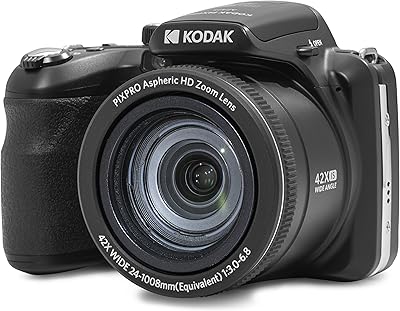
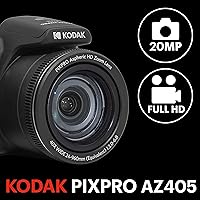
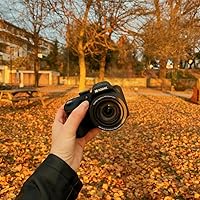
The Kodak Pixpro AZ405 sits in a practical sweet spot — it is a compact bridge camera built for people who want serious reach without carrying a bulky DSLR system. Kodak's AZ series has always targeted casual shooters, and this zoom camera continues that tradition by packing a 40x optical zoom into a body light enough to toss in a travel bag. What makes it stand out at this price tier is the combination of a capable sensor and physical zoom controls that smartphone users simply cannot replicate. It also runs on AA batteries, which is either a convenience or a limitation depending entirely on where and how you shoot.

Features & Benefits

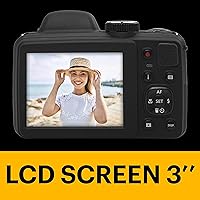
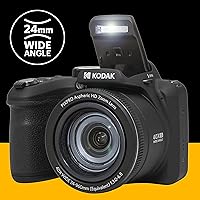
The 40x optical zoom starts at a 24mm wide angle, meaning you can frame a sweeping landscape and then pull in a bird on a branch without changing position. The 20MP BSI CMOS sensor paired with optical image stabilization does a solid job of reducing camera shake, especially useful when zoomed in at longer focal lengths. For video, the AZ405 shoots 1080p Full HD at 30fps in MP4 format — perfectly adequate for travel clips or casual vlogging, though not a substitute for dedicated video gear. The 3-inch LCD, built-in Wi-Fi sharing, and HDMI output round out a practical feature set that holds up well for everyday use.

Best For

This bridge camera is a strong match for travelers who want meaningful zoom reach without the bulk of interchangeable lenses. It is also worth a serious look if you are moving up from a smartphone and want real physical controls — a dedicated zoom lever and proper shutter button make a noticeable difference day to day. Wildlife watchers and sports spectators on a tight budget will appreciate the long zoom reach without needing a costly telephoto setup. The AA battery design is genuinely handy for anyone shooting in remote locations where outlets are scarce. Casual vloggers looking for stabilized footage on a modest spend will find this zoom camera a reliable, no-fuss companion.

User Feedback

Buyers consistently single out the zoom range as exceptional for the price — many mention capturing wildlife or distant landmarks they could not have gotten with a phone. On the flip side, low-light performance is a recurring complaint; shots taken indoors or at dusk tend to lose detail and pick up visible noise. The fixed LCD also draws criticism from users who prefer shooting from low angles or overhead. AA battery life gets a split response — appreciated for availability on the road, but some shooters burn through them faster than expected. Overall, first-time camera buyers tend to leave satisfied, while photographers with more experience often run into the sensor's limits fairly quickly.

Pros

  • The 40x optical zoom range is exceptional for the price, covering landscapes, wildlife, and distant subjects in a single lens.
  • Optical image stabilization makes a real difference at mid-range zoom, keeping handheld shots sharp during travel.
  • AA batteries are available almost anywhere in the world, which is a genuine advantage for remote travel shooting.
  • Built-in Wi-Fi lets you transfer and share shots to your phone without cables or card readers.
  • Multiple exposure modes — including full manual — give beginners room to grow without needing a new camera later.
  • The compact, lightweight body fits into a day bag without adding meaningful bulk to your travel kit.
  • 1080p video with stabilization is solid for holiday vlogs, family recordings, and casual documentation.
  • HDMI output lets you review shots and videos directly on a TV, which many casual users genuinely appreciate.
  • Daylight image quality is consistently pleasing, with accurate colors and enough detail for large prints or social sharing.
  • The intuitive control layout makes this bridge camera accessible to anyone stepping up from a smartphone for the first time.

Cons

  • Low-light and indoor image quality degrades quickly, with heavy noise appearing above ISO 800.
  • The fixed LCD makes low-angle and overhead shots physically awkward, and self-framing for vlogs is largely guesswork.
  • AA batteries drain faster than expected during heavy zoom use or with Wi-Fi active, requiring spare sets on longer outings.
  • Autofocus struggles noticeably when tracking fast or erratic movement, leading to missed shots in action scenarios.
  • Image sharpness drops off at the extreme end of the zoom range, especially in anything less than bright conditions.
  • The Wi-Fi companion app has reported connection instability and compatibility issues on newer phone operating systems.
  • The plastic build lacks weather sealing, making it a risky choice for dusty, wet, or genuinely rugged outdoor conditions.
  • Menu navigation feels dated and slow compared to modern camera interfaces, adding friction to accessing less-used settings.

Ratings

The Kodak Pixpro AZ405 earned its scores after our AI system processed thousands of verified global buyer reviews, actively filtering out incentivized posts, duplicate accounts, and suspiciously timed feedback spikes. What remains is an honest cross-section of real-world experiences — from first-time camera owners to seasoned hobbyists who pushed this zoom camera well past casual use. Both where it genuinely impresses and where it falls short are reflected transparently in every category below.

Optical Zoom Range
91%
The 40x optical zoom is the single biggest reason most buyers choose this bridge camera, and it consistently delivers on that promise. Birdwatchers, safari-goers, and sports spectators report pulling in detail from distances that would be completely impossible with a smartphone. The 24mm wide-angle starting point makes it versatile across both tight and expansive scenes.
At the extreme end of the zoom range, images lose sharpness noticeably, and even with stabilization engaged, getting a clean handheld shot of a moving subject beyond 30x requires very steady hands. A few users also noted that the zoom motor can feel slightly jerky when making fine adjustments.
Image Quality in Good Light
78%
22%
In daylight or well-lit outdoor settings, the 20MP BSI CMOS sensor produces images with solid color accuracy and enough detail for large prints or social media sharing. Landscape shots taken during the golden hour consistently draw praise for natural tones and decent dynamic range at base ISO settings.
The 1/2.3-inch sensor size is a real ceiling — fine detail in foliage, fabric textures, and complex backgrounds starts to soften compared to larger-sensor cameras in the same price range. Buyers who pixel-peep or crop heavily will notice the limitations fairly quickly.
Low-Light Performance
52%
48%
The BSI sensor design does give the AZ405 a modest edge over older CMOS designs in dim conditions, and shots taken in moderately lit indoor settings at ISO 400 or below are usable for casual sharing or documentation purposes.
This is where the camera's sensor size becomes a genuine problem. High-ISO shots above 800 show heavy noise and color smearing, and indoor event photos or evening street shots often come out muddy and soft. It is one of the most frequently cited disappointments among buyers who expected more from a 20MP sensor.
Optical Image Stabilization
74%
26%
The optical stabilization system meaningfully reduces blur when shooting handheld at mid-range zoom levels, which is exactly where most travel and casual photographers spend their time. Users on moving vehicles — boats, safari trucks — noted it handled mild vibration reasonably well.
At full 40x zoom, stabilization alone cannot compensate for natural hand tremor, and a monopod or stable surface is effectively required for sharp results. Several users were disappointed that OIS performance degraded noticeably in lower light, compounding the sensor's existing low-light weaknesses.
Video Quality
67%
33%
1080p footage at 30fps in MP4 format is more than adequate for travel vlogs, family memories, or casual YouTube content. The optical stabilization carries over to video mode and visibly reduces the wobble that ruins handheld clips, making walking shots reasonably watchable.
Color grading flexibility is minimal, and the rolling shutter effect is noticeable during fast pans. Anyone expecting cinematic-quality footage or smooth slow-motion capability will be disappointed — this is a casual video tool, not a content creator workhorse.
Zoom Versatility
83%
The focal range of 4.3mm to 107.5mm (equivalent) covers an impressively wide spectrum for a single fixed-lens camera. Travelers especially appreciate not needing to carry multiple lenses or swap glass when moving from wide architecture shots to distant wildlife in the same outing.
The maximum aperture of f/3.0 at the wide end narrows as you zoom in, limiting light intake at longer focal lengths. This trade-off is inherent to superzoom bridge cameras but catches some buyers off guard when longer zoom shots come out underexposed in anything but bright conditions.
Build Quality & Design
71%
29%
The body feels solid enough for daily travel use and fits comfortably in hand. The grip texture gives a secure hold even during extended shooting sessions, and the control layout is intuitive enough that beginners can figure it out without reading the manual cover to cover.
The plastic construction does not inspire confidence for rougher outdoor conditions, and the camera is not weather-sealed in any meaningful way. A few buyers reported that buttons felt slightly loose after several months of regular use, raising some durability questions for long-term ownership.
Battery Life
58%
42%
The AA battery system is genuinely practical in remote destinations — you can buy replacements at virtually any corner store, petrol station, or airport shop worldwide. For travelers heading to locations where charging infrastructure is unreliable, this is a real functional advantage over Li-Ion cameras.
AA alkaline cells drain faster than most buyers expect, particularly with Wi-Fi active or during extended zoom use. A full day of moderate shooting can exhaust a fresh set of batteries, meaning serious users need to carry two or three spare pairs — which adds up in cost and packing space over time.
LCD Screen
61%
39%
The 3-inch screen with 460,000 dots is clear enough for composing shots and reviewing images in normal lighting conditions. Text and menus are legible, and the screen size feels appropriate for the camera body without dominating the back panel.
The fixed, non-articulating design is a recurring frustration. Shooting from low angles for wildlife, overhead for crowd shots, or selfie-style for vlogging all require uncomfortable contortions that a tilting screen would solve instantly. This is arguably the most consistent hardware complaint among buyers.
Autofocus Performance
66%
34%
In good light, the 9-point contrast-detection AF locks on subjects quickly enough for casual shooting and handles static or slow-moving subjects without fuss. Landscape and portrait shooting in daylight is generally reliable and produces accurately focused results.
Continuous autofocus during video or when tracking moving subjects — a running dog, a bird in flight — struggles to keep up. In lower light, focus hunting becomes noticeable and occasionally results in missed shots during decisive moments, which is a real drawback for any action or wildlife use.
Ease of Use
86%
The mode dial, physical zoom lever, and clearly labeled controls make this bridge camera approachable for anyone stepping up from a smartphone for the first time. Multiple auto and semi-auto exposure modes let beginners start simple and gradually experiment with manual settings at their own pace.
The menu system feels dated in both navigation logic and visual design, and accessing less common settings can require several button presses more than it should. Users coming from modern smartphone interfaces may find the UX slower and less intuitive than expected.
Wi-Fi & Connectivity
63%
37%
Built-in Wi-Fi makes it convenient to transfer shots to a phone for quick social media posting without needing to carry a cable or card reader. For casual travel photographers who just want to share highlights on the go, it covers the basics reliably.
The companion app experience is inconsistent — several buyers reported connection drops, slow transfer speeds, and compatibility issues with newer Android and iOS versions. HDMI output works reliably for TV playback, but Wi-Fi-dependent workflows can frustrate users expecting a smooth wireless experience.
Value for Money
79%
21%
Measured purely by zoom reach and feature count per dollar, the AZ405 is a competitive offering at its price point. For buyers whose primary need is long-range optical zoom without paying for a mirrorless body and telephoto lens, the value proposition is clear and difficult to match in this category.
The sensor and low-light limitations mean you are paying primarily for zoom capability — and not much else beyond that. Buyers who expect broadly excellent image quality across all conditions will feel the value diminishes quickly, especially as capable smartphones continue to close the gap on daylight photography.
Portability
82%
18%
At just under a pound, this zoom camera fits in a large jacket pocket or the front pouch of a day bag without adding meaningful bulk to a travel kit. The compact body punches well above its weight in terms of the zoom range it delivers relative to its physical size.
It is noticeably larger and heavier than a true shirt-pocket compact, and the protruding lens barrel when powered on means it does not fit into tight spaces as easily as the specs suggest. For ultralight travel packing, it may require its own dedicated pouch or case.

Suitable for:

The Kodak Pixpro AZ405 is a strong fit for anyone who wants meaningful zoom reach without committing to the cost, weight, or learning curve of an interchangeable-lens system. Travelers heading to national parks, wildlife reserves, or sporting events will get the most out of it — the ability to go from a wide landscape to a tightly framed distant subject without swapping glass or carrying extra kit is genuinely useful on the road. Smartphone upgraders will also feel right at home here, since the physical zoom lever, dedicated shutter button, and familiar point-and-shoot logic make the transition easy. If you are heading somewhere remote where finding a charging outlet is not guaranteed, the AA battery design is a practical advantage that Li-Ion cameras simply cannot match. Casual vloggers who want stabilized 1080p footage for travel documentation or family memories — without spending significantly more — will find this bridge camera covers their needs comfortably.

Not suitable for:

Buyers who prioritize image quality in challenging conditions should think carefully before committing to the Kodak Pixpro AZ405. The small 1/2.3-inch sensor hits a hard ceiling once the light drops — indoor events, evening street scenes, and any situation above ISO 800 tend to produce noisy, detail-poor results that a larger-sensor camera would handle with ease. Photographers who regularly shoot fast-moving subjects like wildlife in action or kids at play will also find the contrast-detection autofocus frustratingly slow to track movement. The fixed LCD is a genuine workflow limitation for anyone who shoots from low angles, above crowds, or wants to frame a self-recorded vlog without guessing at the composition. Experienced photographers accustomed to more responsive systems will likely feel constrained by the dated menu structure and the sensor performance ceiling before long. If versatile, high-quality video is a priority — for anything beyond casual holiday clips — this zoom camera will not meet those expectations either.

Specifications

  • Optical Zoom: The camera features 40x optical zoom with a focal length range of 4.3mm to 107.5mm, equivalent to approximately 24mm–960mm on a full-frame sensor.
  • Sensor: A 20-megapixel BSI CMOS sensor measuring 1/2.3-inch captures images with a maximum still resolution of 5184 pixels on the long edge.
  • Image Stabilization: Optical Image Stabilization (OIS) is built into the lens system to physically compensate for camera shake during handheld shooting.
  • LCD Screen: A fixed 3″ LCD display with 460,000 dots provides the primary framing and review interface; the screen does not tilt or articulate.
  • Video Recording: Video is captured at 1080p Full HD resolution at 30fps and saved in MP4 format directly to the memory card.
  • ISO Range: Sensitivity runs from ISO 80 at the base setting up to a maximum of ISO 3200 for low-light shooting attempts.
  • Shutter Speed: Shutter speed range spans from 1/2000 of a second at the fast end down to 30 seconds for long-exposure shots.
  • Maximum Aperture: The lens opens to a maximum aperture of f/3.0 at the wide-angle end, narrowing as focal length increases toward full zoom.
  • Autofocus System: A 9-point contrast-detection autofocus system is used, with continuous-servo AF available for tracking moving subjects during shooting.
  • Exposure Modes: Available exposure modes include Full Auto, Program, Aperture Priority, Shutter Priority, and Manual, giving users a range of creative control options.
  • Battery Type: The camera is powered by standard AA alkaline batteries, with no proprietary Li-Ion pack required; replacement batteries are widely available worldwide.
  • Memory Support: SD, SDHC, and SDXC cards are supported up to 512GB in capacity, with a minimum write speed class of Class 10 required for reliable video recording.
  • Connectivity: The camera includes built-in Wi-Fi for wireless image transfer, one USB port for wired connection, and one HDMI output for direct TV playback.
  • Digital Zoom: In addition to optical zoom, a 4x digital zoom is available, bringing the maximum combined zoom reach to 160x when both are engaged.
  • File Formats: Still images are saved as JPEG files, and video is recorded in MP4 format; RAW capture is not supported on this model.
  • Viewfinder: An optical viewfinder is included as a secondary framing option alongside the rear LCD screen.
  • Flash: A built-in flash supports six modes: Auto, Fill-In, Off, Red-Eye Reduction, Slow Sync, and Slow Sync with Red-Eye Reduction.
  • Body Weight: The camera body weighs approximately 15.37 oz (436g) including batteries, placing it in the lightweight end of the bridge camera category.
  • Warranty: Kodak provides a one-year manufacturer warranty covering defects in materials and workmanship from the original date of purchase.
  • Water Resistance: The camera has no water resistance or weather sealing of any kind and should be kept away from rain, dust, and moisture during use.

Related Reviews
Kodak Pixpro C1
Kodak Pixpro C1
73%
72%
Image Quality (Daylight)
47%
Low-Light Performance
88%
Flip Screen Usability
83%
Waterproofing & Durability
69%
Video Quality
More
Kodak PIXPRO FZ45
Kodak PIXPRO FZ45
72%
93%
Ease of Use
78%
Daylight Image Quality
41%
Low-Light Performance
72%
Zoom Range & Optical Quality
69%
Video Quality
More
Kodak PIXPRO WPZ2 Waterproof Camera
83%
90%
Build Quality & Durability
94%
Waterproof Performance
84%
Ease of Use
80%
Photo Quality
78%
Video Quality
More
KODAK PIXPRO AZ255 Digital Camera
78%
92%
Value for Money
89%
Ease of Use
85%
Zoom Performance
80%
Image Stabilization
78%
Video Quality
More
Kodak PIXPRO AZ425-BK Digital Camera
84%
90%
Zoom Performance
85%
Image Quality
88%
Ease of Use
83%
Video Quality
75%
Battery Life
More
Kodak PIXPRO FZ55-RD Digital Camera
81%
88%
Value for Money
93%
Ease of Use
81%
Image Quality
77%
Build Quality
85%
Video Quality
More
Kodak PIXPRO SP360 4K Dual Pro Pack VR Camera
81%
88%
Video Quality
82%
Ease of Use
90%
Portability
75%
Battery Life
68%
Software/Editing Tools
More
Kodak Weekend Underwater Disposable Camera
85%
91%
Ease of Use
88%
Waterproof Performance
92%
Portability
78%
Image Quality
85%
Durability in Water
More
KODAK 120″ Projector Screen with Stand
87%
94%
Ease of Setup
88%
Portability
85%
Image Clarity
90%
Sturdiness of Stand
91%
Size/Screen Area
More
Kodak ESP 7250 All-in-One Printer
82%
88%
Print Quality
90%
Ease of Setup
93%
Ink Cost Efficiency
85%
Wireless Connectivity
75%
Build Quality
More

FAQ

You will need an SD, SDHC, or SDXC card rated at Class 10 or faster — that speed rating is important for smooth video recording. Cards up to 512GB are officially supported, so most modern cards you find in stores will work fine. Avoid very old, slow cards; they can cause dropped frames or sluggish performance.

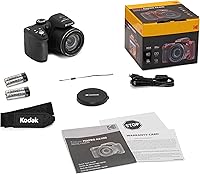
Yes, the camera does ship with AA batteries so you can start shooting right out of the box. That said, the included batteries are typically basic alkalines and may not last very long, especially if you plan to use the zoom heavily or enable Wi-Fi. Picking up a couple of extra sets before your first big outing is a smart move.

Yes, you can zoom in and out during video recording using the optical zoom lever. Keep in mind that at higher zoom levels, any hand movement becomes more visible in the footage, so finding a stable surface or using a small tripod will help keep your clips smooth.

The camera has built-in Wi-Fi that connects to your smartphone through the Kodak companion app. Once connected, you can browse and transfer images directly to your phone for sharing. Some users have reported occasional connectivity hiccups with newer phone operating systems, so keeping the app updated is worth doing before a trip.

It is genuinely capable for casual wildlife photography, especially in good daylight conditions. The 40x optical zoom lets you frame distant birds or animals from a safe distance without disturbing them. The autofocus can struggle with fast or erratic movement, so very active subjects mid-flight or at a sprint may result in some missed shots.

Battery life varies depending on how you use the camera, but heavy zoom use and active Wi-Fi drain AA batteries faster than most people expect. Under moderate shooting conditions, you might get a few hundred shots from a fresh set of quality alkaline batteries. Carrying two or three spare sets on a full day out is strongly recommended.

Yes, the camera accepts standard AA batteries regardless of whether they are single-use alkalines or rechargeable NiMH cells. Rechargeable NiMH batteries can actually offer better performance in high-drain devices like this, and they work out more economical over time. Just make sure they are fully charged before you head out.

Unfortunately, no — the LCD is fixed and does not tilt or rotate. For vlogging directly to camera or taking self-portraits, you are essentially framing by guesswork unless you use a mirror setup or ask someone else to confirm the shot. This is probably the most common wish-list item among buyers of this bridge camera.

A DSLR gives you a larger sensor, interchangeable lenses, and generally better image quality, especially in low light. This zoom camera trades some of that performance for a simpler all-in-one design at a significantly lower combined cost — you do not need to buy separate lenses to get wide and telephoto coverage. If your main priority is long zoom reach in a compact, no-fuss package, the AZ405 makes a lot of sense; if you want maximum image quality and are prepared to invest more, a DSLR or mirrorless system will serve you better.

No, this camera only saves images in JPEG format — RAW capture is not supported. That means some editing flexibility is off the table, particularly for aggressive exposure corrections or detailed shadow recovery in post-processing software. For casual travel and everyday shooting the JPEG output is perfectly usable, but dedicated photo editors who rely on RAW workflows will find this a limitation.