Kodak Mini Shot 3 ERA Instant Camera Printer
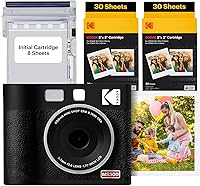
Kodak Mini Shot 3 ERA Instant Camera Printer — image 1
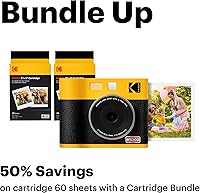
Kodak Mini Shot 3 ERA Instant Camera Printer — image 2
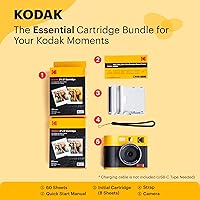
Kodak Mini Shot 3 ERA Instant Camera Printer — image 3
Kodak Mini Shot 3 ERA Instant Camera Printer — image 4
Kodak Mini Shot 3 ERA Instant Camera Printer — image 5
Kodak Mini Shot 3 ERA Instant Camera Printer — image 6
Kodak Mini Shot 3 ERA Instant Camera Printer — image 7

Kodak Mini Shot 3 ERA Instant Camera Printer — image 8
Kodak Mini Shot 3 ERA Instant Camera Printer — image 9
77%
23%

Overview

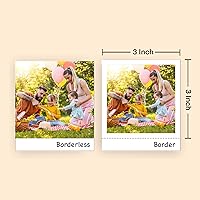
The Kodak Mini Shot 3 ERA Instant Camera Printer is a retro-inspired hybrid that shoots and prints in one compact body — no separate printer, no extra app required. Sitting comfortably in the mid-range, it outpaces basic Instax models in print durability without pushing you into mirrorless camera territory. The real differentiator is 4PASS dye-sublimation, a multi-layer printing process that inkjet-based rivals simply cannot match for longevity. The ERA redesign adds a better grip texture and a covered charging port — small changes that genuinely improve daily handling. Just keep expectations grounded: output is wallet-sized 3x3 inches, not the borderless prints you might be imagining.

Features & Benefits

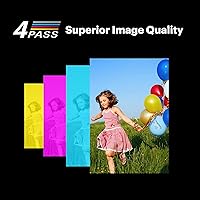
The 4PASS lamination process is worth understanding: each print goes through four passes — yellow, magenta, cyan, and a protective overlay — producing output that resists fingerprints, water, and fading far better than peel-apart alternatives. The Kodak ERA also operates in two distinct modes: shoot with the built-in camera directly, or connect via Bluetooth and pull from your existing iPhone or Android photo library. Auto-focus with face detection is a genuine upgrade over fixed-focus instant cameras that routinely soften group shots. Color rendering benefits from 34-bit depth and a Highlight Saturation boost, and the shutter handles everything from dim indoor gatherings to bright afternoon light.

Best For

This instant camera-printer combo is a natural fit for anyone shopping for a gift that actually gets used. Teens, students, and hobbyists who want physical photos without a darkroom or desktop printer will find real appeal here. It also works well for event coverage — think weddings, birthday parties, or travel — where handing someone a pocket-sized print on the spot is a genuine moment. Smartphone-heavy users who have years of photos trapped in a camera roll will appreciate the Bluetooth print option. If you print frequently, the cartridge bundle pricing reduces per-print cost noticeably compared to Fujifilm Instax, which charges a premium for its proprietary film packs.

User Feedback

Buyers consistently praise print consistency and how reliably the Bluetooth pairing works across different devices — a low bar that instant camera products have historically struggled to clear. The build quality earns compliments too, with the redesigned grip feeling noticeably sturdier than earlier Kodak models. On the critical side, Bluetooth range drops off faster than many users expect, becoming unreliable beyond a modest distance. The bigger ongoing concern is cartridge cost: once the bundled paper runs out, replacement packs add up quickly with no third-party alternative available. Battery stamina during heavy event use is another recurring note, with some users reporting the need to recharge mid-session.

Pros

  • 4PASS dye-sublimation prints resist water, fingerprints, and fading — a clear durability edge over peel-apart instant film.
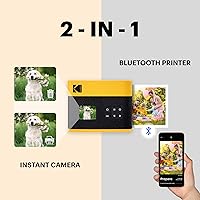
  • Dual shooting modes let you capture with the built-in camera or print directly from your iPhone or Android gallery via Bluetooth.
  • Auto-focus and face detection produce sharper group shots than the fixed-focus systems found on most competing instant cameras.
  • The laminated print finish means photos survive being handled, carried in a wallet, or stuck to a surface without degrading quickly.
  • Bluetooth pairing is consistently reported as fast and reliable across both iOS and Android devices.
  • The retro 35mm-inspired design is a genuine aesthetic draw, and the ERA update noticeably improves grip comfort and port protection.
  • Buying cartridge bundles reduces per-print cost significantly compared to Fujifilm Instax film packs at equivalent quantities.
  • The shutter speed range handles bright outdoor conditions well, reducing overexposed shots in sunny environments.
  • Comes ready to use out of the box with an included battery and an initial paper supply — no extra purchases needed to get started.

Cons

  • Print output is limited to 3x3 inches — too small for buyers expecting standard photo dimensions.
  • Replacement cartridges are proprietary with no third-party alternatives, making long-term printing costs higher than they first appear.
  • Bluetooth range drops off quickly, becoming unreliable at distances that would be reasonable to expect from a wireless device.
  • Battery life under heavy continuous use at events draws frequent complaints, sometimes requiring a mid-session recharge.
  • The mobile companion app has reported firmware quirks and occasional connectivity hiccups that disrupt the printing workflow.
  • The built-in camera lacks manual controls, making this instant camera-printer combo a poor fit for anyone wanting creative exposure adjustments.
  • Color accuracy, while improved over older Kodak models, can still shift noticeably under artificial or mixed lighting conditions.
  • At 930 grams, the device is heavier than compact Instax models, which some users find tiring during long handheld sessions.

Ratings

The scores below reflect an AI-driven analysis of verified global user reviews for the Kodak Mini Shot 3 ERA Instant Camera Printer, with spam, incentivized, and bot-generated submissions actively filtered out before any category was scored. Each rating captures what real buyers consistently praised alongside the pain points that surfaced repeatedly across thousands of verified purchase accounts. Nothing has been softened — strengths and frustrations are both represented transparently.

Print Quality
78%
22%
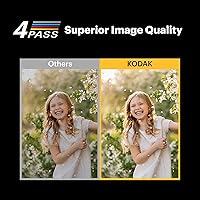
The 4PASS dye-sublimation process produces noticeably richer, more consistent tones than Instax chemical film — colors are vibrant without looking oversaturated, and the laminate finish gives prints a polished look that holds up well whether displayed on a wall or carried in a wallet.
The 3x3-inch format is genuinely limiting for buyers expecting something closer to a standard photo size. Fine detail in complex scenes can look slightly soft at the edges, particularly in shots captured under mixed or warm artificial indoor lighting.
Print Durability
91%
The laminated 4PASS output is meaningfully more resilient than competing instant photo formats. Users regularly report that prints survive wallet storage, humid summer environments, and repeated handling without fading, peeling, or accumulating fingerprint smudges — a real advantage over Instax or Polaroid film.
Durability concerns are minor and largely anecdotal. A small number of users note that prints left in direct sunlight for extended periods show some color shift over several months, suggesting the laminate coating has limits under prolonged UV exposure — though this is not exclusive to this format.
Bluetooth Connectivity
71%
29%
Initial pairing with both iOS and Android devices is consistently described as fast and low-friction — no complicated setup menus, no repeated re-pairing across sessions. For close-range use at a table or small gathering, the wireless print workflow feels intuitive and responsive.
Range is where performance falls apart. Multiple verified buyers report the connection becoming unreliable at distances of roughly 3 to 4 meters, which creates real frustration in larger venue settings like outdoor events or open-plan spaces where the printer and phone are not always adjacent.
Value for Money
73%
27%
The bundled 60-sheet paper pack meaningfully softens the upfront cost per print, and frequent buyers who purchase replacement cartridges in bulk can reach a per-print cost that competes favorably against Fujifilm Instax film packs, which charge a premium for smaller quantities.
Once the bundled supply runs out, the proprietary cartridge situation becomes a recurring expense that many buyers underestimate. There are no third-party alternatives available, and replacement packs at standard retail pricing push long-term cost-per-print noticeably higher than the initial bundle implies.
Build Quality
84%
The ERA redesign addresses real-world complaints from earlier models — the textured grip feels secure during one-handed outdoor use, and the covered charging port keeps dust and debris out effectively. At 930 grams, the body feels substantial and well-assembled rather than hollow or flimsy.
The added weight compared to Instax alternatives is a genuine consideration for all-day carry. A number of users also note that the plastic casing, while sturdy-feeling, shows surface scuffs more readily than the matte finishes found on competing instant cameras in the same category.
Camera Performance
69%
31%
The auto-focus system paired with face detection produces reliably sharp results during daylight outdoor shooting. Group shots at picnics or outdoor events come out noticeably cleaner than what you would typically get from a fixed-focus competitor like the Instax Mini 12.
Indoor and low-light performance exposes the camera's limits. Color shifts under warm artificial lighting are common, and there are no manual exposure controls — what you get is entirely determined by the auto settings, leaving buyers with no way to correct a poorly metered scene.
Ease of Use
86%
The dual-mode design — shoot directly with the camera or print from a smartphone via Bluetooth — makes the learning curve genuinely short. Even buyers with no prior instant camera experience reported getting a first print out within minutes of unboxing, with no instruction manual required.
The companion app, while functional, introduces occasional friction. Some users encounter connectivity hiccups that require closing and reopening the app between print jobs, and the interface has been described as feeling underdeveloped relative to the quality of the hardware it controls.
Battery Life
67%
33%
For casual use across a couple of hours — a few prints at a birthday dinner or small gathering — the battery holds without issue. Users in low-intensity scenarios report no problems completing a session on a single charge with battery left to spare.
Heavy continuous use is where the battery reveals its limits. Multiple buyers running the device through a full event of two or more hours report needing to stop and recharge before the session ends, which is a disruptive interruption at exactly the kind of moments this device is built for.
App Experience
62%
38%
The Kodak companion app covers the essentials competently — browse your gallery, select a photo, crop, and send to print. For users who simply want to output a stored image quickly without any editing, the core workflow is straightforward and functional.
Firmware-related quirks appear with enough regularity in user reports to be a genuine concern. Some Android users report inconsistent print triggering, while a subset of verified buyers mention app crashes or failed print jobs that require restarting both the app and the device before retrying.
Color Accuracy
76%
24%
Under consistent natural daylight, the Highlight Saturation enhancement produces colors that are more vivid and closer to true-to-life than older Kodak instant models. Skin tones in outdoor portraits trend warm and natural rather than washed out or artificially boosted.
Color accuracy drops noticeably under artificial or mixed lighting. Users frequently note a warm yellow cast in shots taken under standard household bulbs, and the auto white balance does not compensate reliably — with no manual override available, there is no way to correct it in-camera.
Print Speed
74%
26%
The 4PASS process completes a print in roughly 40 to 50 seconds, which is faster than many buyers expect given the multi-layer dye-sublimation method involved. In small group settings where people take turns, the wait rarely feels disruptive to the social flow.
At larger gatherings with multiple people queuing for prints, the per-print wait accumulates quickly. Unlike instant film cameras that eject the photo immediately after shooting, the processing window means printing several photos in rapid succession takes noticeably longer than a simple Instax experience.
Portability
77%
23%
Despite weighing 930 grams, the compact footprint means the Kodak ERA slides into a backpack side pocket or tote bag without much effort. For travel and event use where the device lives in a bag rather than a pocket, day-trip portability is entirely practical.
Anyone expecting jacket-pocket carry will be disappointed — the body is too wide and heavy for that. Compared to the Fujifilm Instax Mini series, which fits comfortably in a large coat pocket, this portable photo printer requires a bag for anything resembling comfortable all-day transport.
Design & Aesthetics
88%
The retro 35mm-inspired body consistently generates positive reactions when pulled out at events — the ERA finish and textured detail look considered rather than generic. It photographs well in social settings and has an unmistakable presence that cheaper instant cameras simply do not match.
The aesthetic is a polarizing design choice rather than a universal one. Buyers who prefer minimal or modern-looking hardware may find the retro styling heavy-handed, and the body is bulkier than sleeker competitors like the Instax Mini Evo, making bag-packing a tighter fit.

Suitable for:

The Kodak Mini Shot 3 ERA Instant Camera Printer is purpose-built for people who want physical photos without the friction of owning two separate devices. It makes the most sense as a gift for teens and college students who grew up with smartphone cameras but genuinely enjoy having tangible prints to stick on a wall, share at a party, or tuck into a journal. Event-goers — the kind who show up to weddings, birthday gatherings, or weekend trips and want something more personal than a shared Google Photos album — will find this portable photo printer earns its keep quickly. Smartphone-first users sitting on hundreds of camera roll photos they have never printed will also benefit: the Bluetooth connection to iOS and Android means you can pull an old favorite and have it in your hand within a minute. Frequent printers who buy cartridge bundles in bulk get a meaningfully lower per-print cost than Fujifilm Instax users locked into pricier film packs.

Not suitable for:

Buyers expecting full-sized, high-resolution photo output should look elsewhere — the Kodak ERA produces 3x3-inch prints, which are closer to a large postage stamp than a standard 4x6 photo, and the dye-sublimation process, while durable, cannot replicate the fine detail of a dedicated photo printer or a professional lab print. Serious hobbyist photographers who want creative manual controls, RAW capture, or interchangeable lenses will find the built-in camera limiting; this instant camera-printer combo is not a substitute for even an entry-level mirrorless body. Anyone sensitive to ongoing consumable costs should factor in replacement cartridge pricing carefully — the bundled paper included at purchase runs out faster than most buyers anticipate, and there are no third-party cartridge alternatives to keep costs down. Users who primarily shoot in low-light environments like dark bars, concerts, or evening receptions may find the camera's performance inconsistent, despite the wide shutter range. Finally, buyers who need reliable wireless printing at range — across a large venue or backyard, for example — should know that the Bluetooth connection has real distance limitations reported by multiple users.

Specifications

  • Model Number: This device carries the official model designation MS300, manufactured by Prinics Co. Ltd under the Kodak brand license.
  • Print Technology: Prints are produced using 4PASS dye-sublimation, a four-layer process that applies yellow, magenta, cyan, and a protective laminate coating in sequence.
  • Color Depth: The imaging system supports 34-bit color output, capable of rendering approximately 16.7 million distinct colors with Highlight Saturation enhancement applied.
  • Print Size: Each print measures 3x3 inches, a wallet-sized square format consistent with other Kodak Mini series output — not a standard 4x6 photo size.
  • Print Finish: The laminated top layer makes every print resistant to fingerprints, water exposure, and long-term fading under normal storage conditions.
  • Connectivity: Wireless printing from a smartphone is handled via Bluetooth, compatible with Apple iPhone, iPad, and Android devices through the Kodak companion app.
  • Shutter Range: The built-in camera offers a shutter speed range from 0.01 seconds up to 1/2000 of a second, covering a broad range of lighting conditions.
  • Focus System: Auto-focus is paired with face detection to prioritize sharpness on subjects during portrait and group shots, reducing common blur from fixed-focus systems.
  • Battery: The device is powered by a built-in rechargeable Lithium-Ion battery that is included in the box and charged via the covered port on the body.
  • Body Weight: The camera body weighs 930 grams, making it noticeably heavier than compact peel-and-shoot alternatives like the Fujifilm Instax Mini series.
  • Package Dimensions: The retail packaging measures 12.24 x 9.17 x 2.83 inches and the total shipped weight including accessories is approximately 2.05 pounds.
  • Compatible Devices: Bluetooth printing is supported across iPhone, iPad, and Android smartphones, with no wired connection option for mobile printing.
  • Box Contents: The package includes the camera body, an initial 8-sheet paper starter pack, and a 60-sheet paper pack, along with the required battery pre-installed.
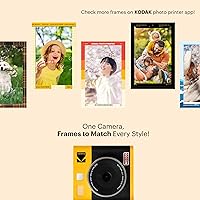
  • Design Language: The ERA body takes aesthetic cues from retro 35mm Kodak film cameras, with an updated grip texture and non-protruding strap rings compared to the previous generation.
  • Manufacturer: The device is produced by Prinics Co. Ltd, a South Korean printing hardware specialist, and distributed under the Kodak brand.

Related Reviews
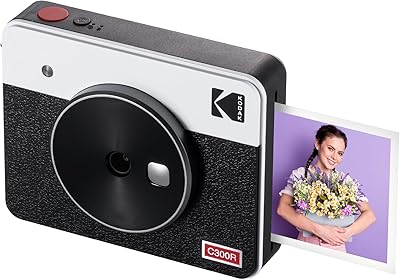
Kodak Mini Shot 3 Retro Instant Camera
74%
84%
Print Quality
81%
Ease of Use
67%
App Experience
63%
Value for Money
61%
Build Quality
More
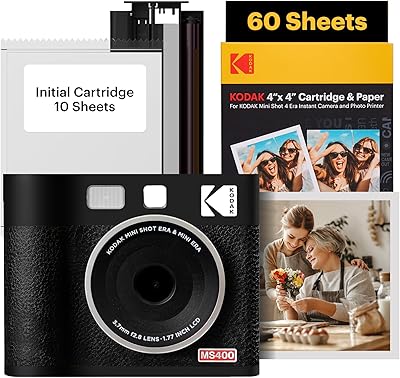
KODAK Mini Shot 4 ERA Instant Camera
72%
88%
Print Quality
92%
Print Size & Format
86%
Print Durability
43%
Portability & Form Factor
67%
Bluetooth Connectivity
More
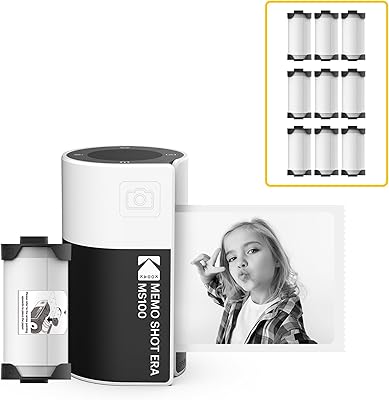
KODAK Memo Shot ERA Instant Camera Printer
77%
88%
Ease of Use
74%
Print Quality
61%
Monochrome Output Transparency
71%
Build Quality & Durability
83%
Paper Roll & Cartridge System
More
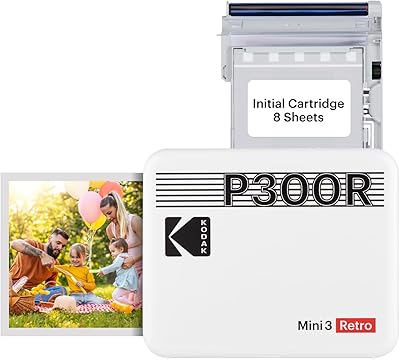
Kodak Mini 3 Retro Portable Photo Printer
77%
88%
Print Quality
62%
Value for Money
71%
App Experience
93%
Portability & Size
84%
Build Quality & Design
More
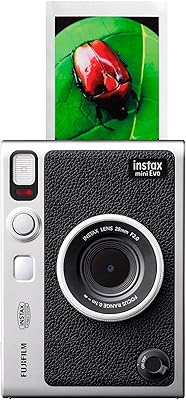
Fujifilm Instax Mini EVO
81%
88%
Image Quality
91%
Creative Effects & Versatility
83%
Smartphone Integration
86%
Build Quality & Design
71%
Value for Money
More
Fujifilm Instax Mini 11 Instant Camera
77%
93%
Ease of Use
74%
Build Quality
67%
Print Quality
71%
Value for Money
78%
Selfie Mode
More
Fujifilm Instax Mini 9
75%
93%
Ease of Use
67%
Image Quality
74%
Build Quality
61%
Value for Money
71%
Selfie & Portrait Performance
More
KODAK Step Instant Photo Printer
78%
91%
Ease of Setup
63%
Print Quality
67%
App Experience
94%
Portability
74%
Battery Life
More
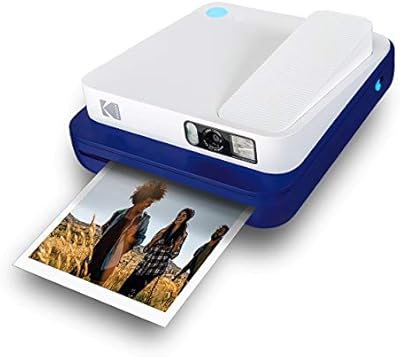
Kodak Smile Classic Digital Instant Camera
69%
63%
Print Quality
71%
Bluetooth Connectivity
58%
Value for Money
67%
Build Quality & Design
84%
Print Size
More
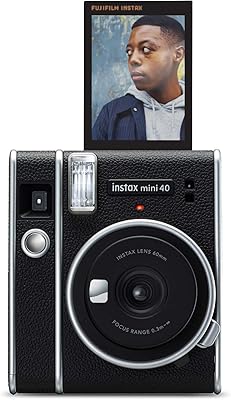
Fujifilm Instax Mini 40 Instant Camera
78%
93%
Design & Aesthetics
91%
Ease of Use
71%
Auto Exposure Performance
74%
Print Quality
78%
Build Quality & Durability
More

FAQ

The prints come out at 3x3 inches, which is a square wallet-sized format — smaller than a standard 4x6 photo. Most traditional photo albums are designed for 4x6 or larger, so the prints will have extra space around them in a standard sleeve. They fit better in mini albums, scrapbooks, or simply tucked into a wallet or journal.

You can shoot and print entirely without a phone — the built-in camera handles everything on its own. The app is only needed if you want to print photos from your smartphone gallery via Bluetooth. So if you are handing this to a kid at a party, they do not need to fiddle with any app at all.

Fujifilm Instax uses a chemical peel-apart film that develops through an exposure process, while the Kodak ERA uses dye-sublimation, which is closer to how professional photo kiosks work. The practical difference is durability: dye-sub prints with lamination resist water, fingerprints, and fading far better than Instax film, which can scratch easily and fade over time. The trade-off is that the Kodak process takes slightly longer per print.

Pairing itself is generally smooth and quick for most users across both iOS and Android. The issue that comes up repeatedly in user feedback is range — once you get more than a few meters away from the device, the connection can become unreliable. For casual use at a table or across a room, it works well; for large venues, you will want to stay close.

Unfortunately, no — the cartridges are proprietary and there are currently no third-party alternatives available. This is one of the more significant ongoing costs to factor in before buying. If you print frequently, buying in bulk through official bundle packs is the most practical way to reduce the per-print expense.

Kodak does not publish an official print-per-charge count for this model, but user reports suggest performance varies depending on how heavily you use the camera versus just printing from Bluetooth. For a typical party or event, most users get through a reasonable session without issues, though heavy continuous use — think two or three hours of active shooting and printing — has led some users to need a recharge before the event ends.

It works with both — the Bluetooth connection and companion app support Android as well as Apple devices including iPhone and iPad. The experience is broadly similar on both platforms, though occasional app-related quirks have been mentioned by Android users more than iPhone users in verified feedback.

The wide shutter range helps in lower light situations compared to fixed-shutter instant cameras, and the auto-focus with face detection does a reasonable job of keeping subjects sharp. That said, indoor results under artificial or mixed lighting can show color shifts, and very dark environments will still produce grainy or underexposed shots. It is not a low-light specialist by any measure.

It is genuinely one of the better options in this category for that use case. The dual-mode design means they can shoot directly with the camera or just print their existing phone photos, which lowers the barrier to getting value out of it immediately. The retro aesthetic also tends to resonate well with younger buyers. Just factor in that replacement paper will be an additional ongoing expense after the included supply runs out.

The Polaroid Now uses chemical instant film that produces a larger print — roughly 3.1x3.9 inches — with the distinctive Polaroid white border, which many buyers prefer aesthetically. This portable photo printer produces smaller square prints but with laminated dye-sublimation output that is more durable and water-resistant than Polaroid film. If print longevity and smartphone compatibility matter more to you than the classic Polaroid look, this device has a practical edge; if the vintage aesthetic is the main draw, the Polaroid Now is the stronger choice.