Overview

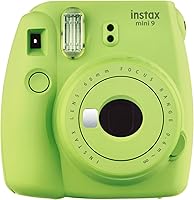
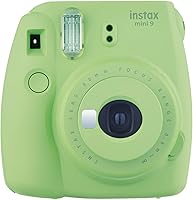
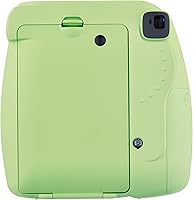
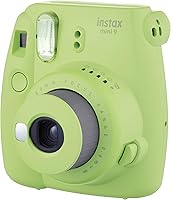
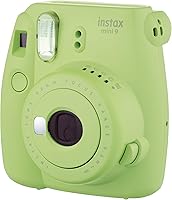
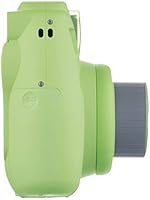
The Fujifilm Instax Mini 9 is one of those cameras that earns its place not through technical ambition but through pure, uncomplicated fun. It arrived in 2017 and has remained a go-to pick for gift buyers and first-time instant shooters ever since. The build is compact and light — barely over a pound — and that lime green colorway makes it instantly recognizable. It sits below the more capable Mini 11 and Mini 40 in Fujifilm's lineup, offering fewer automatic smarts in exchange for a lower price. If you want manual controls or precision exposure, this little Fujifilm is not your camera. But if you want to pull a physical print out of a camera within seconds, it absolutely delivers.

Features & Benefits

The Mini 9's automatic exposure system is genuinely useful — a ring of LEDs around the shutter button indicates which aperture setting to dial in, taking the guesswork out of getting a decent shot. A small selfie mirror sits on the front of the lens barrel, handy for rough framing when shooting yourself or a small group. The included macro lens adapter clips on easily and lets you get as close as 35cm, which opens up detail shots of food, flowers, or flat lays. High-Key mode adds a slightly overexposed, soft look that flatters portraits nicely. Standard AA batteries power the whole thing — no proprietary charger to hunt down, which is a practical advantage when you are out and about.

Best For

This instant camera is a natural fit for anyone picking up instant photography for the first time. Teens and students tend to love it — the tactile experience of watching a print develop in your hand is something a phone simply cannot replicate. It works well at parties and gatherings where guests want to leave with a physical keepsake, and it handles casual travel photography just fine when you want something more deliberate than snapping on a screen. Parents looking for a camera their younger kids can actually operate without tutorials will find it hard to argue with this little Fujifilm. Just factor in the cost of film packs before committing — that recurring expense adds up faster than most buyers expect.

User Feedback

Buyers who purchase this instant camera as a gift tend to be the most enthusiastic reviewers — the bright colors and the unboxing experience land well. Ease of use earns consistent praise from those who have never shot on instant film before. On the flip side, the selfie mirror draws mixed reactions; it works, but it is quite small, making precise framing tricky. Low-light performance is a known weak point, with prints coming out murkier than expected indoors. The bigger long-term frustration is film cost — a twin pack works out to a noticeable per-shot expense, and some buyers feel blindsided by it. Those who embrace the format stick with it happily; those wanting more control tend to outgrow it within months.

Pros

  • Practically zero learning curve — most users are shooting confidently within minutes of unboxing.
  • The LED aperture guide takes the guesswork out of exposure for complete beginners.
  • Physical prints develop in roughly 90 seconds, making it a genuine crowd-pleaser at events.
  • Runs on standard AA batteries, so you are never hunting for a proprietary charger.
  • The included macro lens adapter adds close-up capability that most rivals skip at this price tier.
  • High-Key mode produces soft, bright portraits that are flattering for casual face shots.
  • Compact and light enough to toss in a bag without dedicating a separate compartment to it.
  • Strong gift appeal — the colorful design and instant-print novelty land well across a wide age range.
  • The Instax Mini film ecosystem is widely available in stores and online worldwide.

Cons

  • Ongoing film costs add up fast — factor in roughly a dollar or more per shot before committing.
  • Low-light and indoor performance is inconsistent, with prints often coming out too dark or muddy.
  • No manual overrides at all — exposure, flash, and focus are entirely out of your hands.
  • The selfie mirror is functional but very small, making accurate group framing a guessing game.
  • Cold weather noticeably degrades print development quality and drains batteries faster.
  • Buyers who develop a real interest in photography will likely outgrow the Mini 9 within months.
  • No low-battery warning — the camera simply stops working mid-shoot when power runs out.
  • The plastic construction, while adequate, does not inspire confidence if dropped on a hard surface.
  • Film packs only yield 10 shots each, meaning a busy afternoon can burn through multiple packs quickly.

Ratings

The Fujifilm Instax Mini 9 has been one of the most widely purchased instant cameras since its launch, and the scores below reflect what real buyers actually experience — not what the box promises. Our AI analyzed thousands of verified global reviews, actively filtering out incentivized, bot-generated, and duplicate submissions to surface genuine signal. Both the things buyers love and the frustrations that surface after weeks of use are reflected here without sugarcoating.

Ease of Use
93%
Buyers consistently describe picking this instant camera up and shooting confidently within minutes of opening the box. The LED aperture guide does the heavy lifting — you just match the flashing light and press the shutter. For younger users or total beginners, that near-zero learning curve is genuinely appreciated.
A small number of users found the aperture dial fiddly at first, especially in transitional lighting where more than one LED flickers. Those with larger hands also noted the body feels cramped when trying to adjust the dial mid-shoot.
Image Quality
67%
33%
In bright outdoor light, prints come out with a warm, lo-fi character that many buyers actively enjoy — it suits the nostalgic aesthetic perfectly. The High-Key mode adds a soft, bright finish to portraits that is genuinely flattering for casual snapshots at gatherings.
Indoor and low-light shots are where the Mini 9 struggles most noticeably. Prints can appear dark, muddy, or washed out without a flash-friendly environment, and since there are no manual overrides, you cannot compensate. Buyers expecting smartphone-quality sharpness are routinely disappointed.
Build Quality
74%
26%
The plastic body feels solid enough for casual everyday use, and the wrist strap mount is well-positioned. For the price tier it occupies, most buyers feel the construction is appropriate and durable enough to survive a year or two of regular use.
It is unmistakably lightweight plastic throughout, and a few buyers reported the film door latch feeling loose over time. It would not inspire much confidence if dropped on a hard surface, and the lens mechanism feels less refined than you might hope.
Value for Money
61%
39%
The camera body itself is reasonably priced for a name-brand instant camera with accessories included, and the starter film pack bundled in some listings gives new buyers enough shots to get comfortable before committing further.
Ongoing film costs are the most common long-term complaint by a wide margin. At roughly one dollar or more per shot depending on where you buy film, casual shooters find the habit adds up quickly. Several buyers described feeling locked into a recurring expense they had not fully anticipated at purchase.
Selfie & Portrait Performance
71%
29%
The small mirror on the front of the lens is a thoughtful touch that actually helps when shooting solo or with a friend. Combined with High-Key mode, self-portraits in decent light tend to come out bright and reasonably flattering.
The mirror itself is quite small — barely the size of a thumbnail — so framing a group selfie with it is more of an educated guess than precise composition. In dim light, the mirror is nearly useless and prints come out noticeably underexposed.
Film Loading & Handling
82%
18%
Loading an Instax Mini film pack is a genuinely quick process, and the camera ejects the dark slide automatically when you first power on. Most buyers figure it out without needing the manual, and the film door clicks shut with satisfying firmness.
Accidentally opening the film door mid-pack will expose and ruin remaining shots — something a handful of buyers learned the hard way. The film counter window is small and not always easy to read in bright sunlight.
Portability
88%
At just over 14 ounces with batteries, the Mini 9 slips easily into a bag or a large jacket pocket. Buyers taking it to festivals, day trips, or birthday parties appreciated not having to dedicate much space or weight to it.
It is not quite pocketable in the way a point-and-shoot compact would be — the protruding lens barrel adds bulk. A dedicated case is worth considering if you want to carry it daily without risking scratches.
Battery Life
79%
21%
Using standard AA batteries means you can replace them at any convenience store worldwide, which travelers and event photographers find practical. A fresh set of AAs comfortably covers multiple film packs under normal shooting conditions.
Battery drain is faster than some buyers expect, particularly in cold weather where alkaline AAs lose capacity noticeably. A few users reported the camera dying mid-event without warning, as there is no low-battery indicator until the camera simply stops working.
Macro & Close-Up Capability
76%
24%
The included close-up lens adapter is a welcome bonus that most comparable cameras in this range do not include. Buyers who shoot flat lays, flowers, or food detail shots found it expanded the camera's usefulness beyond basic snapshots.
The 35–50cm working range for the macro adapter is somewhat restrictive, and you need to estimate distance by eye since the viewfinder does not compensate for the adapter. Results can be hit-or-miss until you get a feel for the framing.
Gift Appeal & Packaging
91%
Gift reviewers are among the most enthusiastic buyers in the entire review pool. The colorful body options, the included accessories, and the novelty of instant prints make it one of those rare items that lands well across a wide age range — teens to adults alike.
The retail packaging, while colorful, is fairly standard and not especially premium in feel. For buyers giving this as a significant gift, a few noted they dressed it up with their own presentation since the box alone does not feel particularly special.
Accessory Compatibility
69%
31%
The Instax Mini ecosystem has a wide range of third-party accessories available — cases, lens filters, straps, and album sets — which buyers appreciate as they get more invested in the hobby. The clip-on close-up lens that ships in the box is a solid starting point.
Official Fujifilm accessories for the Mini 9 specifically are limited, and some third-party cases have inconsistent fit quality. Buyers looking for built-in flash filters or colored lens options will need to source them separately.
Print Speed & Development
84%
Watching a print emerge in your hands within 90 seconds is the core appeal of the format, and it delivers reliably on that promise. At events and parties, the speed of the process keeps energy up and guests engaged.
Development quality is sensitive to temperature — cold environments slow it down and can result in washed-out or uneven prints. Buyers at outdoor winter events noted noticeably worse results than summer use, something worth keeping in mind.
Manual Control & Flexibility
38%
62%
For users who only want to point, shoot, and enjoy the results, the fully automatic setup is exactly what they signed up for. There is zero friction between picking the camera up and getting a print in hand.
There are no manual overrides whatsoever — no flash control, no exposure compensation, no shutter speed adjustment. Buyers who develop an interest in real photography quickly find the Mini 9 a ceiling rather than a stepping stone, and many end up moving to the Mini 11 or Mini 40 within months.

Suitable for:

The Fujifilm Instax Mini 9 is genuinely well-matched to anyone stepping into instant photography for the first time and wanting a low-pressure, high-fun experience. Teens and young adults who want to decorate their rooms, journals, or lockers with physical photos will get a lot of mileage out of this little Fujifilm — the tactile novelty of a print developing in your hand is something no app can replicate. It is also a strong gift choice for parents buying for kids in the 8–14 range, since there are no complicated settings to misconfigure and nothing fragile or fussy about the operation. Social occasions — birthday parties, graduation gatherings, holidays with family — are where this instant camera earns its keep most naturally, giving guests something physical to take home. Casual travelers who want a low-stakes way to document a trip without staring at a phone screen will appreciate how little mental overhead it demands.

Not suitable for:

The Fujifilm Instax Mini 9 is a poor fit for anyone who takes photography seriously or expects image quality close to what a modern smartphone produces. There are no manual controls of any kind — no exposure compensation, no flash adjustment, no focus control — so buyers who quickly develop a real interest in photography will outgrow it within months and likely wish they had started with something more capable like the Mini 11 or a different system entirely. It is also a bad match for buyers who do not fully account for recurring film costs before purchasing; at roughly a dollar or more per shot depending on where you source film, this instant camera becomes an expensive habit for anyone who shoots frequently. Low-light environments — indoor parties with dim lighting, evening events, candlelit dinners — consistently produce disappointing prints, so if most of your shooting happens indoors without strong ambient light, expect regular frustration. Finally, buyers looking for a camera they can carry discreetly in a trouser pocket will find the protruding lens barrel makes that impractical.

Specifications

  • Film Format: Uses Fujifilm Instax Mini film, producing credit-card-sized prints measuring 2.4 x 1.8 inches.
  • Shutter Speed: Fixed electronic shutter operates at 1/60 sec, suitable for everyday static and moderately active scenes.
  • Exposure System: Automatic exposure measurement with a ring of LEDs that signals the recommended aperture setting to the user.
  • Aperture Range: Adjustable aperture spans f/12.7 to f/32, selectable via the front dial based on the LED indicator guidance.
  • Shooting Modes: Offers two modes: standard automatic exposure and High-Key mode for brighter, softer-looking portraits.
  • Macro Adapter: Included clip-on close-up lens adapter enables sharp shots at a working distance of 35 to 50 cm from the subject.
  • Viewfinder: Optical real-image viewfinder with a magnification of 0.37x for basic shot framing.
  • Selfie Mirror: Small mirror is built into the front of the lens barrel to assist with self-portrait framing without a screen.
  • Flash: Built-in automatic flash with a effective range of approximately 0.6 to 2.7 meters for typical indoor or low-light situations.
  • Power Source: Powered by 2 x AA alkaline batteries, which are included in the box at time of purchase.
  • Dimensions: Body measures 3 x 5 x 5.5 inches (approximately 76 x 127 x 140 mm) making it compact but not pocket-sized.
  • Weight: Camera body weighs 14.1 oz (approximately 400 g) with batteries installed and no film loaded.
  • Lens Focal Length: Fixed 60mm focal length lens with no optical zoom capability.
  • Film Capacity: Accepts standard Instax Mini film packs of 10 exposures; twin packs (10x2) are widely available.
  • Included Items: Box contains the camera body, close-up lens adapter, wrist strap, 2 AA batteries, and an instruction manual.
  • Manufacturer: Designed and manufactured by Fujifilm, a Japanese imaging and photography company founded in 1934.
  • Release Date: The Mini 9 was first made available for purchase in March 2017 and remains in active production.
  • Color Options: Available in multiple colorways including Lime Green, Smoky White, Ice Blue, Flamingo Pink, and Cobalt Blue.

Related Reviews
Fujifilm Instax Mini EVO
81%
88%
Image Quality
91%
Creative Effects & Versatility
83%
Smartphone Integration
86%
Build Quality & Design
71%
Value for Money
More
Fujifilm Instax mini 41 Instant Camera
85%
91%
Ease of Use
88%
Selfie Functionality
84%
Photo Quality
94%
Portability
86%
Build Quality
More
Fujifilm Instax Mini 11 Instant Camera
86%
92%
Ease of Use
89%
Portability
87%
Image Quality
90%
Selfie Mode
80%
Battery Life
More
Fujifilm Instax Mini 40 Instant Camera
82%
85%
Photo Quality
92%
Ease of Use
88%
Selfie Functionality
80%
Build Quality
90%
Portability
More
Fujifilm Instax Mini 12
78%
94%
Ease of Use
83%
Photo Quality in Good Light
61%
Low-Light Performance
81%
Selfie & Close-Up Capability
78%
Build Quality & Design
More
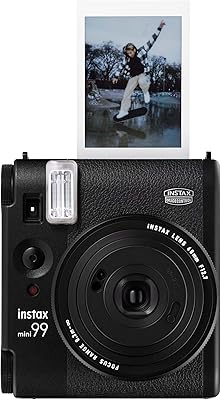
Fujifilm Instax Mini 99
79%
91%
Build Quality
84%
Print Quality
78%
Creative Shooting Modes
73%
Color Effects
71%
Ease of Use
More
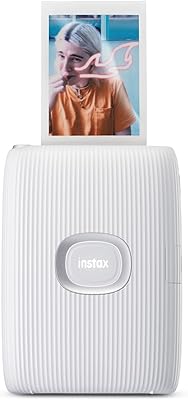
Fujifilm Instax Mini Link 2 Smartphone Printer
84%
91%
Print Quality
94%
Portability
89%
Ease of Use
85%
Connectivity
92%
Customization Options
More
Fujifilm Instax Mini Link 3 Smartphone Printer
86%
91%
Ease of Use
89%
Print Quality
94%
Portability
87%
Bluetooth Connectivity
82%
Battery Life
More
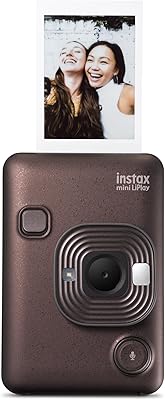
Fujifilm INSTAX Mini LIPLAY Hybrid Instant Camera
85%
77%
Photo Quality
85%
Ease of Use
90%
Connectivity (Bluetooth)
82%
Editing Features
89%
Sound Feature
More
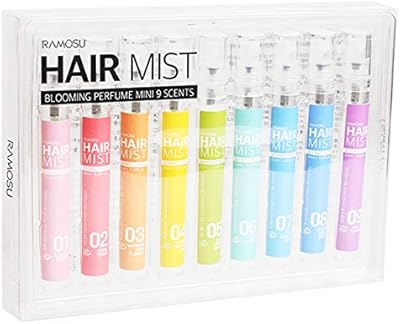
RAMOSU Hair Mist Blooming Perfume Mini Set 9 Scents 9.5mL
85%
84%
Fragrance Strength
72%
Scent Longevity
91%
Ease of Use
95%
Packaging & Portability
80%
Hair Softening Effect
More

FAQ

The Fujifilm Instax Mini 9 ships with 2 AA batteries and accessories, but film is typically sold separately unless you purchase a specific bundle listing that explicitly includes a film pack. Always check what is included in the particular listing before buying, as this varies by retailer and bundle configuration.

Each Instax Mini film pack contains 10 exposures, and twin packs give you 20 shots. Pricing varies by retailer, but you should budget roughly a dollar or more per shot when buying in standard quantities — twin packs tend to offer slightly better value than single packs. If you plan to shoot regularly, buying film in larger multi-pack bundles is the most cost-effective approach.

You do not need to figure it out manually — that is the point of the LED ring around the shutter button. When you half-press or hold the camera ready to shoot, one of the LEDs will flash to indicate the recommended setting. Just turn the front dial until the indicator on the dial aligns with the flashing LED, then shoot. It takes about two minutes to get used to.

Low-light and indoor performance is genuinely one of the Mini 9's weaker points. The built-in flash has a limited effective range of about 0.6 to 2.7 meters, so if your subject is further away or the ambient light is very dim, prints will underexpose. Try shooting closer to your subject and make sure the flash is not being blocked. For consistently bright indoor shots, you really want a well-lit room even with the flash active.

High-Key mode slightly overexposes the image on purpose, producing a brighter, softer, almost dreamy look that is particularly flattering for portraits and close-up face shots. It works best in already decent light — outdoors or near a window — where the extra brightness enhances the effect rather than blowing out the whole image. It is not great for landscapes or scenes with a lot of detail you want to preserve.

No — the macro adapter is specifically designed for subjects at 35 to 50 cm distance, and using it for standard shots at normal distances will result in blurry, out-of-focus prints. It clips on and off easily, so just remove it when you are done with close-up shots and snap it back on when needed. Store it somewhere safe since it is a small piece that is easy to lose.

You will start to see the image appear within about 30 to 60 seconds, and the print reaches full development in roughly 90 seconds under normal room-temperature conditions. In cold weather, development slows down noticeably and the colors can look muted or uneven — if you are shooting outdoors in winter, keep developing prints in a warm pocket rather than leaving them face-up in the cold.

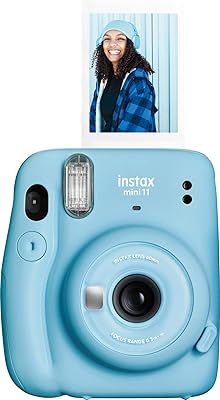
If you just want the simplest possible introduction to instant photography, the Mini 9 gets the job done and costs less. The Mini 11 adds automatic exposure with ISO sensitivity adjustment, a slightly updated selfie mode, and a more refined overall feel — and it is not dramatically more expensive. If you think you will use it more than occasionally, the Mini 11 is probably the smarter long-term buy. The Mini 9 makes the most sense as a gift or for very casual use.

It runs on two standard AA batteries, which are included in the box. A fresh set will comfortably cover several film packs under normal conditions — most users get through 4 to 6 packs before needing new batteries. Cold weather significantly shortens battery life, so if you are shooting outdoors in winter, keep spare AAs on hand. There is no battery level indicator, so the camera will simply stop powering on when they are depleted.

The operation is simple enough that most children aged 8 and up can use it independently without much guidance. There is nothing digitally complex about it — load the film, turn the dial to match the LED, press the button. The main consideration for younger children is the film cost, since a child who shoots carelessly can burn through a pack of 10 very quickly. For younger kids, keeping a small supply of film rather than handing over a full stockpile tends to work better in practice.