Overview

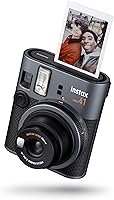
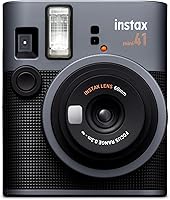
The Instax mini 41 Instant Camera is Fujifilm's newest addition to its iconic instax mini family, and it arrives with a look that feels both nostalgic and fresh. The metallic-like finish paired with orange accents gives it a retro charm that stands out from the more plastic-looking predecessors. This is a camera built around simplicity — you point, shoot, and a credit-card-sized print slides out. There's no menu-diving, no manual mode, no exposure triangles to wrestle with. Worth noting upfront: film is sold separately, and that's an ongoing cost to factor in before you buy.

Features & Benefits

What makes this instant camera genuinely easy to live with is how little it asks of you. The auto exposure system reads the room — bright outdoor light, dim indoor settings — and adjusts without you touching a thing. The built-in flash kicks in automatically when needed, so you're not fumbling with switches at a birthday party. There's a dedicated selfie lens and a small mirror on the front so you can frame yourself properly, which sounds minor until you've wasted film on a badly framed shot. Close-up mode with parallax correction handles detail shots at short distances more reliably than most cameras in this category.

Best For

The mini 41 is a natural fit for anyone who wants the fun of physical photos without any technical overhead. That means first-time instant camera buyers, teens who want something to bring to concerts and sleepovers, or adults picking a memorable gift that actually gets used. It travels well — at just 345g it disappears into a bag — making it a solid companion for weekend trips where you want tangible souvenirs rather than just a camera roll. If you're already using instax mini film with another body, this is also a straightforward upgrade. Just know that if you want manual control over exposure or aperture, this Fujifilm shooter isn't built for that.

User Feedback

Because the mini 41 only launched in April 2025, the pool of user reviews is still growing — so take early patterns with that context in mind. That said, early adopters consistently highlight the design and build as a standout, and the selfie mirror gets specific praise for being more useful than expected. The most common frustration isn't with the camera itself but with the economics: instax mini film adds up, and some buyers feel that pinch after a few rolls. A handful of users familiar with older instax models note the experience feels very similar to the mini 12, which may disappoint those expecting a bigger leap. Overall sentiment leans positive, particularly among casual users.

Pros

  • Automatic exposure means you almost never have to think about settings — just shoot.
  • The built-in flash handles low-light situations reliably without any manual toggling.
  • Selfie mirror on the front makes framing self-portraits genuinely easy, not just a guessing game.
  • At 345g, this Fujifilm shooter is light enough to carry all day without noticing it.
  • Close-up mode with parallax correction produces noticeably more accurate close-range shots.
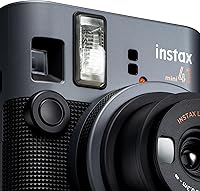
  • The retro metallic finish with orange accents looks far more premium than comparable cameras in this space.
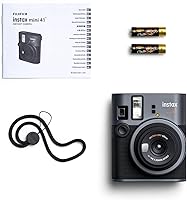
  • Batteries are included out of the box — one less thing to buy before your first roll.
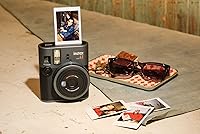
  • Credit-card-sized prints are easy to share, display, and tuck into wallets or journals.
  • Compatible with the full range of instax mini film, including specialty and seasonal varieties.
  • Simple enough for kids and older adults to use without any technical guidance.

Cons

  • Film is sold separately and the ongoing cost per print adds up quickly over time.
  • No manual controls at all — exposure, flash, and focus are entirely out of your hands.
  • Early adopters note the shooting experience feels nearly identical to the older mini 12.
  • Auto exposure can struggle in tricky or mixed lighting, occasionally producing underexposed prints.
  • The small image area means fine details and wide scenes can feel cramped on the final print.
  • User reviews are still sparse given the April 2025 launch, so long-term reliability is unproven.
  • No option to turn off the flash in situations where a forced flash is unwanted or intrusive.
  • Parallax correction in close-up mode helps, but framing is still less precise than a digital preview would allow.

Ratings

The scores below for the Instax mini 41 Instant Camera were generated by AI after analyzing verified buyer reviews from global markets, with spam, bot activity, and incentivized feedback actively filtered out. Each category reflects a balanced synthesis of real user experiences — not marketing claims — so both the strengths and the frustrations are honestly represented. Whether buyers loved the retro styling or pushed back on the ongoing film costs, you will find both sides reflected here.

Ease of Use
93%
This is consistently one of the most praised aspects of the mini 41. Users — including older adults, kids, and complete photography beginners — report picking it up and shooting confidently within minutes. There are no settings to configure, no menus to navigate, and the whole process from unboxing to first print is remarkably frictionless.
For the small group of buyers coming from manual or hybrid instant cameras, the total absence of controls can feel restrictive rather than freeing. A few users wanted at least a flash override or exposure compensation dial, and found the locked-down automation mildly frustrating over time.
Design & Aesthetics
88%
The metallic-like finish and orange accent details genuinely stand out in a category that has historically leaned heavily on plastic and pastel. Early adopters frequently comment that it looks more premium than its price suggests, and many users mention carrying it as a style accessory rather than hiding it in a bag.
Some buyers note that while the metallic look photographs well, the finish can show fingerprints and light scuffs after a few weeks of regular handling. A handful of users who expected a truly retro feel were mildly let down by the plastic construction beneath the surface-level styling.
Print Quality
74%
26%
In well-lit outdoor or bright indoor environments, prints come out vibrant and sharp enough for the format — great for pinning to a bulletin board, slipping into a wallet, or decorating a journal. Users shooting at parties or outdoors in daylight consistently report satisfying results with natural-looking colors.
Print quality drops noticeably in challenging lighting situations. Mixed indoor lighting and dimly lit venues can produce prints with uneven exposure or heavy flash-wash on close subjects. Since there is no way to manually adjust, users in tricky environments are essentially at the mercy of the auto system.
Selfie Experience
86%
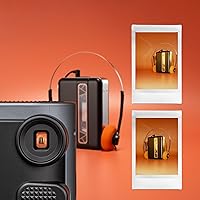
The combination of a selfie lens and a physical mirror on the front of the camera is a genuinely practical feature that users appreciate more than they expect to. Rather than guessing framing and wasting a shot, the mirror lets you compose the shot accurately before pressing the shutter — a small detail that saves film.
The selfie mirror is small, which can make precise framing tricky in anything other than direct light. A few users note that group selfies require some awkward arm extension to fit everyone in, and the fixed selfie lens does not adjust for different distances or face counts.
Value for Money
67%
33%
As a camera body, the mini 41 offers a polished experience at a mid-range price that feels fair given the build quality and feature set. For occasional shooters or gift recipients, the upfront cost is easy to justify — especially since batteries are included and you can start after just one film pack purchase.
The total cost of ownership is where value perception dips. Instax mini film packs are not cheap, and frequent shooters can burn through several packs a month. Over a year, the cumulative film spend can exceed the camera's original price several times over, which is a reality that catches many first-time buyers off guard.
Auto Exposure Performance
71%
29%
For standard daylight shooting and moderately lit indoor environments, the auto exposure system does a reliable job without any input from the user. Outdoor shots at events, parks, or bright cafes tend to come out consistently well, which is all most casual users actually need from this camera.
The system struggles at the edges — very bright backlighting, candle-lit rooms, or mixed-source office lighting can throw off the exposure in ways users cannot correct. Since there is no exposure compensation option, a bad result means a wasted print, which stings given the cost per shot.
Flash Performance
69%
31%
The automatic flash fires reliably and handles typical low-light party environments reasonably well, giving subjects enough light to be clearly visible at normal distances. For casual social shooting in bars, restaurants, or evening events, it gets the job done without the user needing to think about it.
The flash cannot be turned off, which becomes a recurring frustration for users in specific scenarios — museums, concerts, or any setting where flash is prohibited or unwanted. It also tends to overexpose subjects at very close range, leading to washed-out prints that are difficult to avoid without stepping back.
Close-Up Mode
78%
22%
Users who photograph food, small objects, or tight portraits find the close-up mode with parallax correction meaningfully more accurate than shooting in standard mode at short range. The corrected framing reduces the chance of a subject being cut off at the edge of the print, which is a common frustration on similar cameras without this feature.
The effective close-up range is fairly narrow — roughly 35 to 50cm — and straying outside that window produces prints where the parallax correction actually makes framing worse, not better. A clearer on-camera indicator for the optimal distance would help users get consistent results.
Portability
91%
At 345g and with a compact footprint, this instant camera disappears into a tote bag or small backpack without adding meaningful weight or bulk. Travelers and event-goers particularly appreciate being able to bring it everywhere without dedicating a separate camera bag to it.
The physical film packs themselves add bulk — carrying a spare pack or two alongside the camera requires a bit of planning. The wrist strap included in the box is functional but thin, and a few users replaced it with an aftermarket option for more comfortable extended carry.
Battery Life
82%
18%
Two AA batteries powering roughly 10 packs of film is a solid return for a camera in this class, and the fact that batteries are included means you can start shooting immediately out of the box. Casual users who shoot a pack or two a month find a single set of batteries lasts quite a while.
Heavy shooters at events — think a full wedding weekend or a multi-day festival — can drain batteries faster than expected if the flash fires frequently. Carrying a spare set of AAs is a minor inconvenience, but it is worth planning for if you know you will be shooting a high volume in a single session.
Film Compatibility & Ecosystem
85%
The mini 41 works with the entire instax mini film ecosystem, which is one of the most widely available instant film formats on the market. Standard packs, monochrome film, and seasonal limited editions are easy to find in major retailers and online, giving users plenty of creative variety without hunting for specialty stock.
The format is proprietary to Fujifilm, so there are no third-party film alternatives to offset the cost. Users cannot experiment with different film stocks or brands the way they could with some other analog formats, which limits both creative flexibility and any opportunity to shop around for better value.
Build Durability
72%
28%
For its weight class, the mini 41 feels reasonably solid and well-assembled. The lens cap fits securely, the film door opens and closes with confidence, and the overall construction does not feel cheap or flimsy during regular handling — important for a camera that often gets passed around at social events.
The camera is not weather-sealed and is clearly not designed for rough handling. A few early users report that the metallic finish is susceptible to scuffing at corners and edges after a few months of bag carry. Dropping it on a hard surface remains a genuine risk given the lack of any rugged protection.
Upgrade Value vs. Predecessors
61%
39%
For buyers purchasing their first instant camera, the mini 41 is a genuinely strong entry point with a more refined aesthetic than older mini models. New users have no prior investment to anchor them, so the design refresh and included selfie improvements land as meaningful additions to the experience.
Existing mini 11 or mini 12 owners looking for a substantive functional upgrade will likely feel underwhelmed. The core shooting mechanics are nearly identical, and the changes are largely cosmetic. Several early adopters who owned a previous instax body explicitly noted that the performance leap did not justify switching.

Suitable for:

The Instax mini 41 Instant Camera is a strong pick for anyone who prioritizes fun and ease over technical control. It's especially well-suited to first-time instant camera buyers — the kind of person who wants to pick it up, press a button, and walk away with a photo in hand, no instruction manual required. Teens and young adults will appreciate the selfie mirror and retro styling, while gift-givers will find it hits the sweet spot between feeling special and being genuinely practical. It also shines at events: birthdays, small weddings, graduation parties, or any gathering where handing someone a physical print on the spot creates a real moment. Travelers who like collecting tangible mementos from trips — rather than just digital folders they'll never revisit — will find this instant camera fits naturally into that habit. If you're already buying instax mini film for another body, upgrading to the mini 41 is a low-friction decision.

Not suitable for:

The Instax mini 41 Instant Camera is not the right tool for photographers who want any degree of creative control over their shots. There's no manual exposure, no aperture adjustment, and no way to override the automatic flash — if that kind of flexibility matters to you, this camera will feel limiting very quickly. Buyers on a tight ongoing budget should also think carefully: the body is one cost, but instax mini film packs are a recurring expense that adds up faster than most people expect, especially if you shoot frequently. Anyone hoping for dramatic improvements over the mini 11 or mini 12 may also feel underwhelmed — the core shooting experience is very similar to those predecessors, with the main upgrade being cosmetic. And if you're drawn to instant cameras for their analog, lo-fi aesthetic but also want sharp, detailed prints, the small image area of instax mini film has inherent limitations that no camera body can overcome.

Specifications

  • Brand: Manufactured by Fujifilm under the instax product line.
  • Model: instax mini 41, released in April 2025 as the latest entry in the mini series.
  • Dimensions: The camera body measures 2.68 x 4.13 x 5.04 inches (68mm x 105mm x 128mm).
  • Weight: The camera weighs 345g (12.2 oz), keeping it light enough for all-day carry.
  • Film Type: Uses instax mini film exclusively, sold separately in packs of 10 or 20 exposures.
  • Print Size: Each print measures 54mm x 86mm, roughly the size of a standard credit card.
  • Image Area: The actual exposed image area on each print is 46mm x 62mm.
  • Exposure Control: Fully automatic exposure system with no manual override options.
  • Flash: Built-in automatic flash activates based on detected lighting conditions.
  • Shutter Speed: Minimum shutter speed is 1/4 second; maximum is 1/250 second for the auto-range.
  • Shooting Modes: Offers two modes: standard shooting and close-up mode with parallax correction for subjects at 35–50cm.
  • Selfie Features: Includes a dedicated selfie lens and a small front-facing mirror for accurate self-portrait framing.
  • Battery: Powered by 2 AA alkaline batteries, which are included in the box.
  • Battery Life: Battery life varies by usage, but a fresh set of AA batteries typically supports around 10 packs of film.
  • Finish: Features a metallic-like exterior with orange accent detailing in a retro-inspired design.
  • Film Compatibility: Compatible with all instax mini film variants, including standard, monochrome, and limited-edition packs.
  • Lens: Fixed-focus 60mm lens with automatic aperture control built into the exposure system.
  • Viewfinder: Optical real-image viewfinder with a target spot for standard shooting.
  • Included Items: Package includes camera body with lens, lens cap, wrist strap, and 2 AA batteries.
  • Launch Date: First made available for purchase on April 8, 2025.

Related Reviews
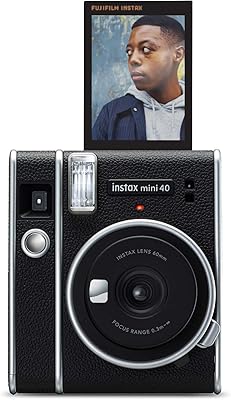
Fujifilm Instax Mini 12
78%
94%
Ease of Use
83%
Photo Quality in Good Light
61%
Low-Light Performance
81%
Selfie & Close-Up Capability
78%
Build Quality & Design
More
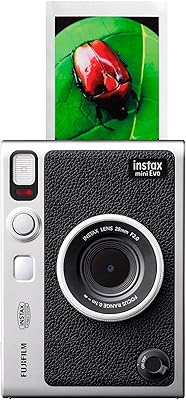
Fujifilm Instax Mini EVO
81%
88%
Image Quality
91%
Creative Effects & Versatility
83%
Smartphone Integration
86%
Build Quality & Design
71%
Value for Money
More
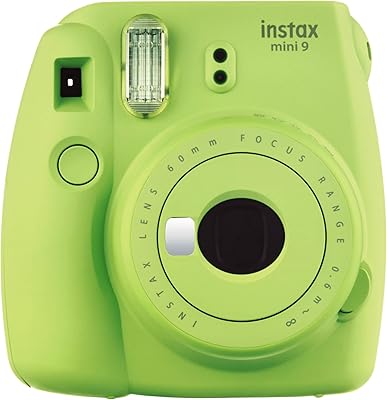
Fujifilm Instax Mini 9
75%
93%
Ease of Use
67%
Image Quality
74%
Build Quality
61%
Value for Money
71%
Selfie & Portrait Performance
More
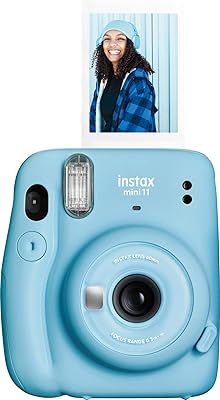
Fujifilm Instax Mini 11 Instant Camera
77%
93%
Ease of Use
74%
Build Quality
67%
Print Quality
71%
Value for Money
78%
Selfie Mode
More
Fujifilm Instax Mini 40 Instant Camera
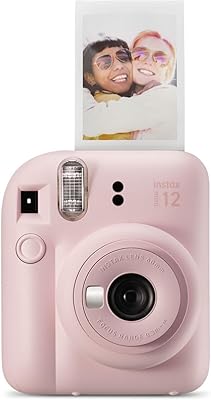
78%
93%
Design & Aesthetics
91%
Ease of Use
71%
Auto Exposure Performance
74%
Print Quality
78%
Build Quality & Durability
More
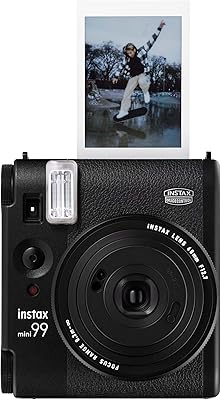
Fujifilm Instax Mini 99
79%
91%
Build Quality
84%
Print Quality
78%
Creative Shooting Modes
73%
Color Effects
71%
Ease of Use
More
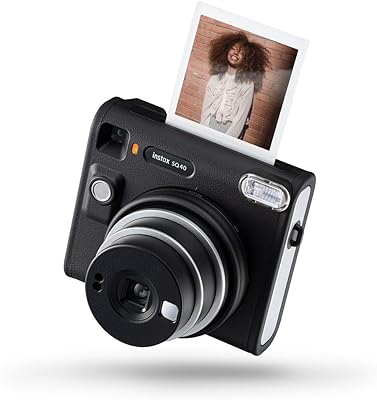
Fujifilm INSTAX Mini LIPLAY Hybrid Instant Camera
79%
93%
Fun Factor & Experience
74%
Print Quality
88%
LCD Preview Screen
79%
Sound Mode & QR Feature
63%
Bluetooth & App Connectivity
More
Instax SQ40 Instant Camera
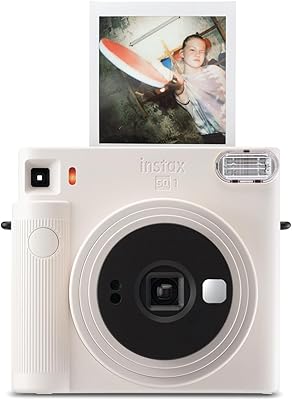
72%
93%
Ease of Use
81%
Build Quality
67%
Print Quality
58%
Flash Performance
61%
Value for Money
More
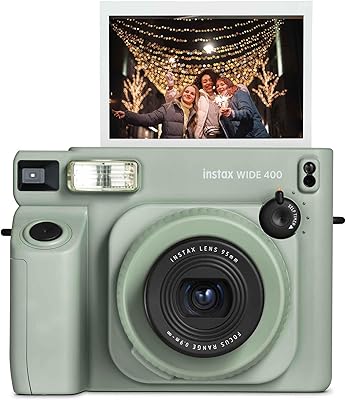
Fujifilm Instax Wide 400
80%
88%
Print Size & Quality
91%
Ease of Use
67%
Value for Money
79%
Build Quality & Durability
82%
Focus Modes & Versatility
More
Fujifilm Instax Square SQ1 Instant Camera
83%
91%
Ease of Use
80%
Image Quality
88%
Design & Build Quality
85%
Battery Life
90%
Portability & Size
More

FAQ

No, film is not included in the box. You will need to purchase instax mini film separately before you can start shooting. Film typically comes in packs of 10 or 20 exposures, and there are quite a few varieties to choose from — standard color, monochrome, and seasonal editions.

Functionally, the two cameras are very similar — both feature automatic exposure, a built-in flash, and a selfie mode. The main differences are cosmetic: the mini 41 has a more retro-inspired metallic finish with orange accents, giving it a slightly more premium look. If you already own a mini 12 and it works well, the upgrade may not feel dramatic.

No, the flash on the mini 41 is fully automatic and cannot be disabled. The camera decides when to fire it based on the detected lighting. This is great for beginners, but if you need flash-off capability for artistic shots or certain environments, this camera won't give you that option.

It runs on 2 standard AA alkaline batteries, and yes, they are included in the box so you can start shooting right away. A fresh set should last you through roughly 10 packs of film, though that can vary depending on how frequently the flash fires.

Each print comes out at 54mm x 86mm — about the size of a credit card — with an image area of 46mm x 62mm. They fit easily into small photo albums, scrapbooks, wallets, and journal pockets designed for instax mini prints, which are widely available online and in craft stores.

It can be, yes — the operation is about as simple as a camera gets, with no settings to adjust and no screen to manage. That said, the ongoing cost of film is worth keeping in mind, since kids may burn through a pack quickly. It is best suited for older kids who understand that each shot costs something.

Close-up mode is designed for subjects between roughly 35 and 50cm away from the lens. At that distance, the standard viewfinder can introduce a framing offset (called parallax error), and the close-up mode corrects for that so what you see is closer to what you get on the print. Use it for things like tabletop items, food shots, or detailed portraits at arm's length.

It handles typical indoor situations reasonably well, thanks to the automatic flash. However, in very dim or mixed lighting, the auto exposure system can occasionally produce prints that are slightly underexposed or overly lit by flash. It is not a camera you can fine-tune for tricky lighting — you get what the auto system decides.

The camera is designed for instax mini film, which is a proprietary format made by Fujifilm. While Fujifilm is the primary — and most widely available — source of this film, the camera will work with any product specifically made in the instax mini format. There is currently no major third-party film alternative for this format, so Fujifilm packs are the practical go-to.

It is genuinely one of the easier instant cameras to recommend as a gift for a first-timer. The learning curve is minimal, the design is eye-catching, and the experience of holding a physical print seconds after shooting is something most people find immediately rewarding. Just consider pairing it with a pack or two of film so the recipient can dive in right away — it makes the gift feel complete.

Where to Buy

Newegg.com
In stock $152.95
Microless.com
In stock $128.49
Dressinn.com
In stock $101.99
Pitman Photo Supply
In stock $116.95
B&C Camera
In stock $116.95
Nelson Photo & Video
In stock $116.95