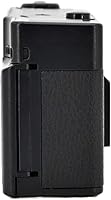
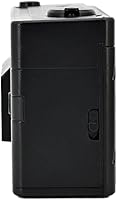
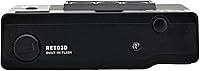
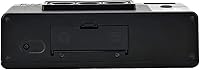
Overview

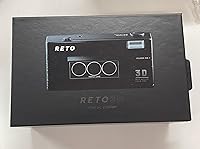
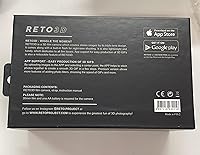
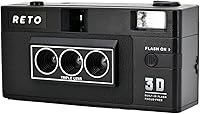
The RETO Reto3D 35mm Film Camera is a niche analog gadget built around one specific trick: capturing wigglegram and lenticular 3D images on standard 35mm film. The idea is simple — shoot three slightly offset frames simultaneously, then animate them to create that eye-catching depth-illusion effect you have probably seen floating around photography communities online. It sits in a comfortable mid-range spot for the lomography crowd, priced where curiosity meets commitment. A companion app for iOS and Android handles the animated output side of things. Just be clear going in — this is a creative toy-style camera, not a precision instrument, and it works best when you embrace that fully.
Features & Benefits

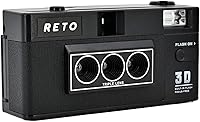
The heart of the Reto3D is its triple-lens system — three optical-grade acrylic lenses that fire simultaneously at 1/125s, capturing the same scene from marginally different angles. The fixed 30mm f/11 setup means focus-free shooting from one meter to infinity, so you spend more time framing and less time fussing. A built-in flash runs off a single AA battery, which is genuinely handy for indoor shooting. The body is compact and light, barely noticeable in a jacket pocket. It accepts any standard 35mm film — color negative, black-and-white, slide — giving you real flexibility in the look you are going for before the roll even gets developed.

Best For

This wigglegram camera is an obvious match for film photography hobbyists who want to push past straightforward snapshots into something more experimental. If you are active on social media and want animated film photos that genuinely stop the scroll, it delivers something hard to replicate digitally. It also makes an excellent gift for creative types who already own a more serious film camera and are looking for something playful to shoot alongside it. That said, buyers should factor in the ongoing cost of film and development — this is not a one-time purchase scenario, and the experience only rewards those already comfortable with the analog workflow.

User Feedback

Buyers consistently praise the wigglegram output quality, with many saying the 3D effect lands better than they expected at this price tier. The companion app earns positive marks for being reasonably straightforward when stitching the three frames together into an animation. On the flip side, the fixed exposure is a real limitation — reviewers note it struggles in mixed or harsh lighting with no way to compensate manually. Build quality gets a mixed reception; most find it acceptable for what it is, but a few expect more sturdiness. Some users also report inconsistent frame alignment depending on the roll and how flat the film sits in the chamber.

Pros

  • The triple-lens system produces genuinely unique animated wigglegram photos that are difficult to achieve any other way.
  • Focus-free operation means you can shoot quickly and instinctively without stopping to adjust settings.
  • Works with any standard 35mm film stock, giving you real freedom to experiment with different looks.
  • The built-in flash extends usability into indoor and evening social settings on just a single AA battery.
  • Compact and light enough to slip into a jacket pocket and actually get carried everywhere.
  • The companion app makes turning three frames into a shareable animation straightforward for most users.
  • As a gift, this 3D film camera has a clear wow factor that separates it from generic photography gadgets.
  • Battery accessibility is genuinely practical — no proprietary packs, no charging, just a standard AA.

Cons

  • Fixed exposure with no override makes the Reto3D unreliable in mixed or challenging lighting conditions.
  • Film flatness issues inside the chamber can throw off frame alignment, especially toward the end of a roll.
  • The plastic build feels lightweight in a way that raises durability questions over long-term regular use.
  • The companion app lacks polish and has limited export options compared to what the creative concept deserves.
  • Ongoing film and development costs mean the total investment grows significantly beyond the upfront price.
  • Flash range is limited, and recycling time between shots can interrupt the flow of casual event shooting.
  • Low-light shooting without flash is essentially unusable given the fixed aperture and shutter combination.
  • Some buyers report inconsistent results between rolls, making the output harder to rely on for important occasions.

Ratings

The RETO Reto3D 35mm Film Camera has been scored by our AI system after analyzing verified buyer reviews from global markets, with spam, bot activity, and incentivized feedback actively filtered out. The ratings below reflect the full picture — what genuine users consistently praised and where real frustrations surfaced. Both the creative highs and the practical limitations are represented transparently across every category.
3D Wigglegram Effect Quality
83%
Most buyers were genuinely impressed by how convincing the depth effect looks once the three frames are animated together. For social media posts and creative portfolios, the output has a distinctive handmade quality that digital filters simply cannot replicate.
Results depend heavily on subject distance and scene movement. Frames shot too close or in bright backlit conditions often produce misaligned or flat-looking animations that undercut the whole appeal.
Ease of Use
88%
The focus-free, automatic exposure design means almost anyone can pick this up and start shooting immediately. Film photographers switching from more complex manual cameras find the no-fuss operation genuinely refreshing for casual outings.
That same simplicity removes any creative control over exposure. Users shooting in mixed indoor-outdoor light often end up with a full roll of inconsistently exposed frames they cannot salvage after development.
App Experience
71%
29%
The companion app handles the core job of stitching three frames into a wigglegram animation without requiring technical knowledge. Most users on both iOS and Android get usable results within a few minutes of their first scan.
The app interface feels underdeveloped compared to what the camera concept promises. Several reviewers noted occasional syncing issues and limited export options, which gets frustrating when you have a great roll worth sharing properly.
Build Quality
63%
37%
For a lomography-adjacent camera at this price tier, the body is reasonably solid and holds together well under normal use. The compact dimensions make it genuinely pocketable, which adds to its appeal as a secondary carry camera.
The plastic construction feels noticeably lightweight in a way that reads as cheap rather than minimal. A handful of buyers reported issues with the film advance mechanism and back door latch after moderate use.
Value for Money
74%
26%
The Reto3D offers a creative experience that is hard to find elsewhere at this price point. For hobbyists who want to experiment with 3D film photography without investing in expensive lenticular equipment, it represents a reasonable entry.
Once you factor in the ongoing cost of 35mm film and lab development per roll, the total investment adds up faster than casual buyers expect. Those who shoot infrequently may find the per-photo cost difficult to justify.
Flash Performance
69%
31%
The built-in flash genuinely extends this camera into usable indoor territory, which is not a given at this category. Party shots and dim-cafe scenes come out surprisingly well when subjects are within the optimal flash range.
The flash reach is limited and the recycling time between shots can feel sluggish. In larger indoor spaces or when shooting groups beyond a few meters, underexposed frames are a common complaint among buyers.
Film Compatibility & Versatility
86%
Accepting any standard 35mm format — color negative, black-and-white, and slide film — gives shooters real latitude in the aesthetic they want to chase. Experimenting with different film stocks is one of the genuine pleasures of using this camera.
Slide film, while compatible, is less forgiving of the fixed f/11 exposure, and the cost of E-6 processing makes failed rolls especially painful. Most experienced users settle on a fast color negative stock and leave it there.
Frame Alignment Consistency
58%
42%
When everything goes right — fresh film loaded flat, well-lit outdoor scene, subject at a comfortable distance — the three-frame alignment is tight enough to produce clean, satisfying wigglegrams worth sharing.
Film flatness inside the chamber is a recurring issue flagged by multiple reviewers. Slight curling on the tail end of a roll or variations between film brands can throw off alignment enough to ruin an otherwise solid frame.
Portability & Size
91%
At roughly 178 grams and compact enough to slip into a coat pocket, this wigglegram camera travels effortlessly. It is the kind of camera you actually bring along because it never feels like a burden to carry.
The slim profile, while great for portability, means the grip is minimal. Buyers with larger hands mention that holding the camera steady during the 1/125s exposure takes some conscious effort to avoid micro-shake.
Shooting Speed & Workflow
79%
21%
Focus-free shooting with automatic exposure means you can react quickly to moments without stopping to adjust settings. Street photographers and event attendees find this instinctive shooting style fits naturally into fast-moving social situations.
The fixed shutter speed of 1/125s is fine for most daylight shooting but creates problems in lower light without flash. There is no override available, so users learn quickly which situations to avoid rather than adapt to.
Creative Output Uniqueness
89%
The animated output from the Reto3D has a genuinely distinct character that sets it apart from anything achievable with a smartphone filter or digital editing. For photographers building a creative online presence, the novelty factor is real and lasting.
The uniqueness is also the ceiling. Because the camera does one thing, output variety is limited to how creatively you compose and what film stock you choose. Buyers expecting a broader experimental toolkit may feel constrained quickly.
Low-Light Performance
54%
46%
With flash enabled, the camera handles basic indoor shooting adequately for casual social settings. Buyers who stick to well-lit environments or use fast film stocks like ISO 800 report fewer disappointments overall.
Without flash, low-light results are consistently poor given the fixed f/11 aperture and 1/125s shutter — a combination that needs strong ambient light to expose film correctly. Night street photography without flash is essentially off the table.
Battery Efficiency
82%
18%
Running on a single AA alkaline battery is both practical and convenient — no proprietary packs, no charging cables, no searching for an outlet before a shoot. Most users report the battery lasting across multiple rolls without issue.
Heavy flash usage drains the battery faster than light outdoor shooting. Buyers who rely on the flash frequently for indoor events recommend keeping a spare AA in the bag rather than risking a dead flash mid-roll.

Suitable for:

The RETO Reto3D 35mm Film Camera is a natural fit for film photography enthusiasts who want to push their shooting in a more experimental, playful direction without committing to expensive or complex equipment. If you already shoot 35mm regularly and understand the rhythm of dropping off rolls and waiting on development, this camera slots in as a fun creative companion to whatever else you are carrying. Content creators who want animated wigglegram photos that genuinely stand out on Instagram or photography communities will find the output hard to replicate any other way. It also works well as a gift for a creative friend who is already curious about analog photography — it is the kind of camera that sparks conversation and gets people excited to shoot a roll. Buyers who prioritize spontaneity over technical precision, and who are happy working within a fixed-exposure system, will get the most out of what this wigglegram camera has to offer.
Not suitable for:

The RETO Reto3D 35mm Film Camera is not the right choice for anyone expecting full manual control or consistent, predictable results across a wide range of lighting situations. If you are new to film photography entirely, the combined cost of the camera, film, and repeated lab development runs can add up to a frustrating and expensive learning curve without a more versatile camera alongside it. Buyers who want a single all-purpose film camera will find the fixed f/11 aperture and 1/125s shutter too limiting for anything beyond well-lit outdoor scenes and basic flash-assisted indoor shots. Those expecting a polished, feature-rich companion app experience may also be disappointed — the software does the job, but it does not feel finished. Anyone who needs waterproofing, durability for rough outdoor use, or reliable low-light performance without flash should look elsewhere entirely.
Specifications

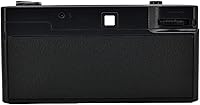
  • Film Format: The camera accepts standard 135 format 35mm film, producing frames at the classic 24x36mm full-frame size.
  • Lens Count: Three optical-grade acrylic lenses are mounted side by side to simultaneously capture three slightly offset angles of the same scene.
  • Focal Length: Each lens has a fixed 30mm focal length, offering a moderately wide perspective suited to portraits, street scenes, and group shots.
  • Aperture: All three lenses operate at a fixed f/11 aperture, which performs best in bright outdoor light or with flash assistance indoors.
  • Focusing System: The camera uses a focus-free design that keeps everything sharp from approximately one meter to infinity without any manual adjustment.
  • Shutter Speed: A single fixed shutter speed of 1/125s is used for every shot, with no option to adjust for different lighting conditions.
  • Flash: A built-in flash is included and provides basic illumination for indoor and low-light shooting within a limited range.
  • Power Supply: The camera runs on one standard AA alkaline battery, which powers both the flash and the automatic exposure system.
  • Dimensions: The body measures 133mm wide, 65mm tall, and 42mm deep, making it compact enough to fit in a coat pocket.
  • Weight: Without battery or film loaded, the camera weighs approximately 178 grams, placing it among the lightest 35mm cameras available.
  • Exposure Control: Exposure is handled automatically by the camera with no manual override, ISO dial, or exposure compensation available to the shooter.
  • Film Compatibility: The Reto3D accepts color negative, black-and-white negative, and slide film in the standard 35mm cartridge format.
  • Companion App: A free companion app is available for both iOS and Android devices and is used to stitch the three captured frames into wigglegram animations.
  • Water Resistance: The camera has no water resistance or weather sealing of any kind and should be kept away from rain, moisture, and humidity.
  • Manufacturer: The Reto3D is designed and produced by RETO Production Limited, a company focused on creative analog and lomography-style cameras.
  • Shooting Mode: The camera operates in a single automatic shooting mode with no scene presets, manual modes, or priority settings available.
  • Frame Output: Each press of the shutter simultaneously exposes three consecutive frames on the roll, which are later combined in the app to create the 3D effect.
  • Lens Material: The lenses are made from optical-grade acrylic rather than glass, which keeps weight low while maintaining adequate image clarity for the intended creative use.

Related Reviews
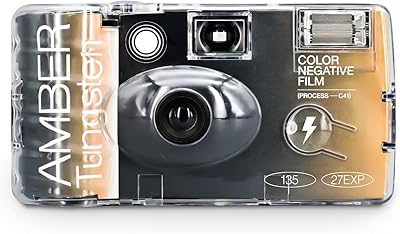
RETO Tungsten 35mm Disposable Camera
77%
83%
Photo Color & Tone
71%
Low-Light Performance
66%
Flash Effectiveness
93%
Ease of Use
74%
Build Quality & Feel
More
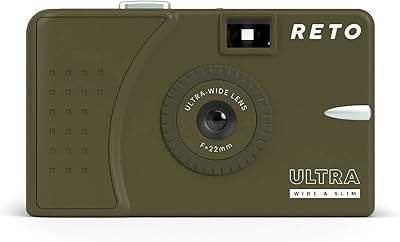
RETO Ultra Wide and Slim 35mm Reusable Film Camera
84%
92%
Ease of Use
94%
Portability
85%
Image Quality
61%
Build Quality
88%
Design & Ergonomics
More
Kodak M38 35mm Film Camera
82%
89%
Ease of Use
75%
Photo Quality
91%
Portability
80%
Build Quality
78%
Low-Light Performance
More
XINBAI B10 Reusable 35mm Film Camera
84%
89%
Ease of Use
72%
Image Quality
84%
Build Quality
91%
Portability/Weight
77%
Flash Performance
More
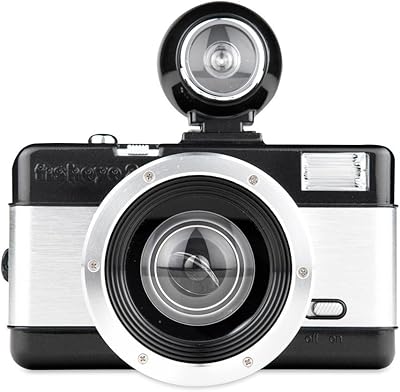
Lomography Fisheye No.2 35mm Film Camera
81%
91%
Creative Flexibility
87%
Ease of Use for Beginners
93%
Portability
80%
Build Quality
75%
Manual Control Usability
More
Kodak M35 35mm Reusable Film Camera
79%
93%
Ease of Use
61%
Image Quality
67%
Build Quality
88%
Value for Money
71%
Flash Performance
More
DEVMO 35mm Film TLR Camera Kit
81%
89%
DIY Assembly Experience
75%
Build Quality
68%
Manual Controls Usability
92%
Aesthetic Appeal
74%
Learning Curve
More
Retocolor Blossom 400 35mm Disposable Film Camera
84%
93%
Ease of Use
85%
Image Quality
88%
Value for Money
91%
Portability
82%
Flash Performance
More
Halina Ansco Pix Flash 35mm Film Camera
79%
89%
Ease of Use
91%
Vintage Appeal
78%
Build Quality
63%
Manual Winding Experience
71%
Flash Performance
More
1 Shot VF208H Half Frame 35mm Film Camera
76%
83%
Value for Money
91%
Ease of Use
93%
Portability & Size
62%
Image Quality
76%
Build Quality
More

FAQ

A fast color negative film like ISO 400 is the most reliable choice for most shooting situations. It handles the fixed f/11 aperture well in a range of outdoor conditions and gives the app enough tonal information to produce clean animations. Kodak UltraMax 400 and Fujifilm Superia 400 are popular picks among users of this wigglegram camera.

No, standard C-41 processing works perfectly for color negative film, which is what most labs offer. You just need to ask for your scans to be saved as individual frames — do not request panoramic or strip stitching. The app does the combining work on your phone once you have your digital scans back.

The process is fairly straightforward. You load your scanned frames into the app, align the three corresponding images from each shutter press, and the app generates an animated wigglegram file you can save or share. Most users get the hang of it within their first roll. It is not a polished professional tool, but it gets the job done for most people without much frustration.

You can absolutely shoot with it and get the film developed, but the three-frame output only becomes a 3D animation through the app. Without it, you will just have a strip of three nearly identical frames. If you plan to print physical lenticular images, you may need additional third-party software, but for digital sharing the app is the intended workflow.

It depends on your expectations. The camera itself is very easy to use — point, shoot, advance the film — but film photography as a whole has costs and variables that can catch new shooters off guard. You will pay for the film, then again for development and scanning. If you go in knowing that and treating it as an experiment, it can be a fun entry point. If you expect instant results or the ability to delete bad shots, it will be a frustrating experience.

Because each shutter press uses three frames simultaneously, a standard 36-exposure roll gives you 12 wigglegram images, and a 24-exposure roll gives you 8. Keep that in mind when budgeting for film — you are effectively getting about a third of the frame count you would from a normal camera.

For casual indoor use — think birthday parties, kitchen table portraits, dimly lit cafes — the flash does a reasonable job within about two to three meters. Beyond that range it falls off quickly and subjects come out underexposed. It is not going to compete with a proper flash unit, but it is genuinely useful for the social situations this camera is designed around.

Not always. Alignment consistency is one of the most discussed limitations among buyers. In ideal conditions — well-lit scene, subject at a comfortable distance, film loaded flat — the results are tight and satisfying. But film curl toward the end of a roll, or variations between film brands, can introduce subtle misalignment that affects the final animation. It is part of the analog charm for some people, and an annoyance for others.

For someone who already shoots 35mm regularly and enjoys experimenting, it is a genuinely excellent gift. It adds something new to their creative toolkit without asking them to change how they already work. They will know how to load film, they likely have a lab they trust, and they will appreciate the novelty of the wigglegram output in a way a total beginner might not.

Both are compatible. Black-and-white film works well and produces a striking, atmospheric look in the animated output. Slide film is technically compatible but much less forgiving given the fixed exposure — the latitude is narrower, meaning over or underexposure is harder to avoid, and E-6 processing costs more than standard C-41. Most experienced users recommend sticking with color negative film unless you already have a strong feel for shooting in fixed-exposure conditions.