Overview

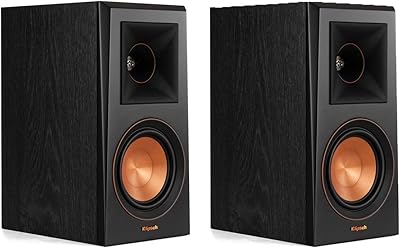
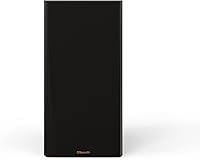
The Klipsch RP-600M II represents the second generation of one of Klipsch's most respected bookshelf lines, and the updates go well beyond aesthetics. The horn geometry was enlarged, the woofers redesigned, and the cabinet finish refined — changes that address real weaknesses in the original rather than just refreshing the box art. Worth noting upfront: these are passive bookshelf speakers, meaning a separate amplifier or AV receiver is required to run them, which adds to the total investment. At this price tier, the RP-600M II pair competes directly against other serious audiophile contenders, and it does so with a clear, confident identity.

Features & Benefits

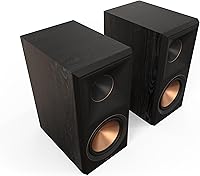
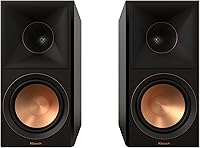
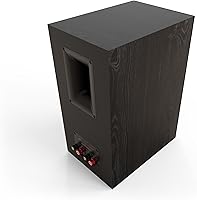
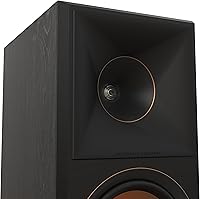
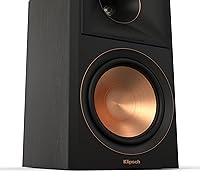
The enlarged Tractrix horn is the headline change, and its practical benefit is straightforward: wider, more even dispersion of high frequencies across the room, which reduces the narrow sweet spot that plagues many compact bookshelf designs. The 1-inch titanium tweeter sits inside a vented housing that manages heat and resonance, keeping treble clean even at higher volumes. The 6.5-inch Cerametallic woofer is stiff enough to stay composed under load, while the rear Tractrix ports let bass exit the cabinet cleanly without the chuffing turbulence cheaper port designs tend to produce. Dual binding post terminals round things out, giving bi-wiring and bi-amping options to enthusiasts who want to squeeze more out of their chain.

Best For

These Klipsch bookshelf speakers are a natural match for anyone building a dedicated stereo system in a small to medium room, and they work equally well as front left and right channels in a home theater configuration. Their high efficiency means they respond well even to modestly powered amplifiers. That said, Klipsch has a house sound, and it leans bright — the highs are forward and detailed, which many listeners love but others may find tiring over longer sessions, especially on compressed audio. Room acoustics matter considerably here; reflective, hard-surfaced spaces can amplify the treble character in ways that become uncomfortable. Placement and pairing with a warm-leaning amplifier can help balance things out.

User Feedback

With nearly 400 ratings averaging 4.7 out of 5, buyers are clearly satisfied with this Reference Premiere speaker. High sensitivity draws the most consistent praise — owners regularly note they get impressive loudness and dynamics from mid-range amplifiers without any audible strain. Bass punch also surprises people, described as more substantial than the cabinet size would suggest. The criticism, when it comes, tends to center on fatigue: the same brightness that makes these speakers so revealing can become wearing during extended sessions, particularly in live, reflective rooms. A handful of reviewers specifically caution that amp pairing matters — a forward-sounding source or receiver can push the treble into uncomfortable territory. Build quality, almost universally, earns strong marks.

Pros

  • Exceptionally high sensitivity means even modest amplifiers can drive these Klipsch bookshelf speakers to impressive volumes with ease.
  • Bass is punchy and surprisingly extended for a 6.5-inch bookshelf design, especially with a well-matched amplifier.
  • Treble resolution is outstanding — fine detail in vocals, strings, and cymbals is rendered with uncommon clarity at this price tier.
  • The RP-600M II pair delivers a wide soundstage that does not collapse when you move slightly off-center.
  • Cabinet build quality feels genuinely solid and premium, with the MDF enclosure contributing to a clean, resonance-free sound.
  • High efficiency makes these speakers compatible with a broad range of amplifiers, including low-powered tube designs.
  • Bi-wire and bi-amp terminals offer a real upgrade path for enthusiasts who want to push performance further down the line.
  • The ebony finish looks sharp and furniture-friendly, blending into a living room without looking like lab equipment.
  • At nearly 400 verified ratings averaging 4.7 out of 5, long-term buyer satisfaction is among the highest in this speaker category.

Cons

  • These are passive speakers — a separate amplifier or receiver is mandatory, raising the true total cost considerably.
  • The bright Klipsch house sound can cause listening fatigue during long sessions, particularly with compressed or harshly mastered recordings.
  • Rear-firing ports require meaningful clearance from the back wall; tight shelf placement leads to muddy, overblown bass.
  • Hard, reflective rooms amplify the forward treble into something that can feel harsh rather than detailed.
  • Amplifier pairing is sonically fussy — a bright or aggressive receiver makes the high-frequency emphasis worse, not better.
  • The speaker grilles soften the sound enough that most serious listeners end up removing and storing them permanently.
  • At 18 pounds per speaker, repositioning for placement experimentation is more effort than lighter competing designs.
  • The copper driver aesthetic is a strong visual statement that may clash with certain room styles or AV setups.
  • Background hiss from noisy amplifiers is more audible on these high-sensitivity speakers than on less efficient alternatives.

Ratings

The scores below are generated by our AI engine after analyzing verified global user reviews for the Klipsch RP-600M II, with spam, bot activity, and incentivized feedback actively filtered out before any score is calculated. Each category reflects what real buyers experienced over time — not just first impressions — so both the genuine strengths and the recurring frustrations are represented honestly. Whether you are upgrading from budget speakers or comparing options at this price tier, these ratings are designed to give you a clear, unbiased picture before you commit.

Sound Quality
91%
Buyers consistently describe the overall sound as dynamic, detailed, and immediately engaging — the kind of presentation that makes familiar recordings feel freshly interesting. Vocals and instruments in the midrange have real presence, and the high-frequency clarity is among the best reported at this price tier.
The Klipsch house sound leans distinctly bright, and that is not universally welcome. Listeners coming from warmer or more neutral speakers sometimes find the treble forward to the point of fatigue, especially on poorly mastered tracks or during long listening sessions.
Treble & High-Frequency Detail
88%
The titanium tweeter paired with the horn loading produces an exceptionally open, airy top end that audiophiles often praise as one of the sharpest in its class. Cymbals, string harmonics, and vocal sibilance are rendered with a level of resolution that many similarly priced soft-dome designs simply cannot match.
That same resolution can become a liability on compressed streaming audio or recordings with harsh mastering. Some reviewers specifically noted listening fatigue after one to two hours, and a few flagged that the treble character is harder to tame without switching to a warmer amplifier or adding room treatment.
Bass Performance
83%
For a 6.5-inch passive bookshelf speaker, the low-end output repeatedly surprised buyers. The Tractrix port design keeps bass tight and controlled rather than bloated, and pairing the RP-600M II pair with a quality amplifier unlocks noticeably deeper extension than most competitors in this cabinet size.
Without a subwoofer, deep bass below around 50 Hz becomes thin in large rooms. The rear-firing port also demands wall clearance — placed too close to the back wall, bass gets muddy and overpowering rather than punchy, which several users learned the hard way.
Sensitivity & Efficiency
94%
High sensitivity is one of the most frequently praised traits these Klipsch bookshelf speakers carry. Owners running modest 50-watt-per-channel integrated amplifiers report effortless loudness and dynamic punch that makes the speakers feel far more capable than the wattage would suggest.
The flip side of high sensitivity is that any noise floor in the amplifier chain — hiss, hum, or gain-staging issues — becomes audible at the listening position. A handful of reviewers noted background hiss with budget receivers that would be inaudible on less sensitive speakers.
Midrange Clarity
79%
21%
Vocals and acoustic instruments in the midrange come across as clear and well-defined, with enough body to feel natural on jazz, folk, and classical recordings. Many listeners found the midrange noticeably more articulate than the original model, which was sometimes criticized for a slightly recessed center.
The midrange, while clean, sits slightly behind the treble in perceived balance, which can make the overall tonal profile feel top-heavy on certain genres. Rock and electronic music with dense mixes occasionally sound congested in the 500 Hz to 1 kHz region at higher volumes.
Build Quality
89%
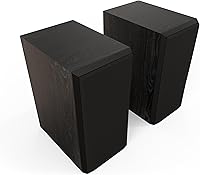
The MDF cabinet feels solid and dense — knocking on the enclosure reveals almost no resonance, which directly benefits the cleanliness of the sound. The ebony vinyl wrap is applied neatly, with tight seams and a finish that buyers frequently described as looking more expensive than expected at this price point.
The vinyl wrap, while attractive, is not as premium as real wood veneer offered by some rivals. A few buyers also noted that the grille attachment is a little loose-fitting, and the plastic tweeter surround on the horn does not feel quite as refined as the rest of the cabinet.
Value for Money
81%
19%
For buyers who already own a capable amplifier, this Reference Premiere speaker delivers a level of performance and build that compares favorably to similarly priced competition. The upgrade from the first generation is substantive enough that existing Klipsch owners largely felt the price difference was justified.
The total cost of ownership is higher than the sticker price alone implies. Adding a quality amplifier or receiver — which is mandatory — pushes the real entry cost considerably higher, and buyers who overlooked this found the experience more expensive than anticipated.
Room Compatibility
67%
33%
In a properly treated or moderately furnished room with soft surfaces, these speakers genuinely shine. Several reviewers with dedicated listening rooms or carpeted, book-lined spaces reported a balanced, immersive soundstage that belied the speakers' compact footprint.
Hard-surfaced, reflective rooms amplify the already forward treble into something that can feel aggressive and fatiguing. Multiple reviewers in open-plan living spaces or rooms with tile and glass noted that placement and room treatment were not optional extras — they were essential to a satisfying result.
Soundstage & Imaging
86%
The wide 90-degree horizontal dispersion from the Tractrix horn creates a genuinely broad soundstage that does not collapse when you move off the central sweet spot. Instrument separation and positional accuracy in the stereo image are regularly praised, particularly for classical and acoustic recordings.
Vertical imaging is less impressive, and some listeners found the soundstage shallow in depth compared to speakers using a different tweeter loading approach. In home theater use, the very wide dispersion can also make dialogue localization feel slightly diffuse compared to a more focused design.
Amplifier Pairing Flexibility
72%
28%
The 8-ohm impedance is stable and well-behaved, meaning these Klipsch bookshelf speakers work with a broad range of amplifiers and receivers without presenting difficult load conditions. High sensitivity also means low-powered tube amplifiers — even single-digit wattage designs — can drive them to satisfying levels.
While electrically forgiving, the tonal character of the speaker means it is sonically picky about amplifier matching. A bright or forward-sounding solid-state receiver accentuates the high-frequency emphasis in ways that many reviewers found unpleasant, effectively narrowing the ideal pairing pool.
Bi-Wire / Bi-Amp Capability
74%
26%
The dual binding post terminals are a genuinely useful feature for enthusiasts who want to run separate amplifier channels to the woofer and tweeter sections. Several users reported a noticeable improvement in bass control and treble smoothness after bi-amping with a suitable multi-channel amplifier.
For the majority of buyers, the bi-wiring and bi-amping options will go unused, as they require additional cables and often a second amplifier to realize any benefit. The factory-installed shorting bars between the terminals are functional but feel like an afterthought in terms of material quality.
Aesthetics & Design
85%
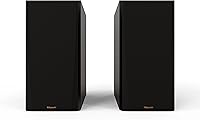
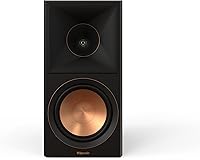
The updated cabinet profile and ebony finish give the RP-600M II pair a sleek, furniture-friendly look that blends into living spaces better than many speakers at this tier. The copper-accented driver surround adds a distinctive visual identity that buyers regularly called out as a highlight.
The copper aesthetic is a strong design statement that not everyone loves — a few reviewers mentioned it clashed with their existing room decor or AV setup. The speaker grilles, while clean in appearance, muffle the sound enough that most serious listeners quickly remove and store them permanently.
Listening Fatigue
63%
37%
For shorter listening sessions — an hour or less — most users found the energetic, detailed presentation genuinely enjoyable and engaging. Genres like jazz, acoustic, and well-recorded classical are frequently cited as particularly rewarding in this context.
Extended listening is where opinions diverge sharply. A meaningful minority of reviewers specifically mentioned that two-plus-hour sessions left them with ear fatigue, particularly on rock, pop, and heavily produced electronic music. This is a real limitation worth weighing if long background listening is part of your daily routine.
Setup & Placement Requirements
68%
32%
Initial setup is straightforward — connect speaker cables to the clearly labeled binding posts and the speakers are ready to use. The stands or shelves they sit on do not need to be exotic, and the weight distribution is balanced enough that standard speaker stands feel stable.
The rear-firing port means placement near walls requires careful experimentation to avoid bass buildup. At 18 pounds per speaker, repositioning for room tuning is manageable but not effortless, and several buyers underestimated how much time they would spend dialing in placement before the sound clicked.

Suitable for:

The Klipsch RP-600M II is built for listeners who take their audio seriously and are willing to invest in the full chain required to get the best out of a premium passive speaker. If you already own a quality stereo integrated amplifier or AV receiver — or are planning to buy one — these speakers reward that investment with a level of detail, dynamics, and efficiency that budget passive designs simply cannot match. They are an excellent choice for dedicated 2-channel stereo setups in small to medium rooms with some soft furnishings to control reflections, and they pull double duty as outstanding front left and right speakers in a home theater configuration. Listeners who enjoy an energetic, forward-leaning sound profile — rock, jazz, acoustic, cinematic soundtracks — will find the RP-600M II pair particularly well-suited to their tastes. Anyone upgrading from entry-level bookshelf speakers will notice an immediate and substantial difference in clarity, bass authority, and overall composure at higher volumes.

Not suitable for:

The Klipsch RP-600M II is a poor match for buyers expecting a plug-and-play solution — these are passive speakers with no built-in amplification, so budgeting only for the speakers themselves means missing a critical piece of the puzzle. Listeners who prefer a neutral, flat, or warm tonal balance — particularly those coming from studio monitor backgrounds or brands known for a more relaxed high-frequency presentation — may find the Klipsch house sound fatiguing rather than engaging. Anyone planning to place them in a large, open, or hard-surfaced room without acoustic treatment should be cautious; reflective environments can push the already forward treble into uncomfortable territory. If long background listening sessions are your primary use case — hours of music while working or relaxing — the bright character may wear on you more than in a focused, shorter listening context. Finally, buyers on a strict tight budget who cannot also afford a capable amplifier should consider an all-in-one active speaker alternative rather than stretching to these and pairing them with an underpowered or low-quality receiver.

Specifications

  • Speaker Type: Passive bookshelf speaker requiring an external amplifier or AV receiver to operate.
  • Woofer: 6.5-inch Cerametallic cone driver engineered for low distortion and high efficiency across the full frequency range.
  • Tweeter: 1-inch Linear Travel Suspension titanium diaphragm tweeter with a vented housing to reduce resonance and heat buildup.
  • Horn Design: 90°x90° hybrid Tractrix silicone composite horn provides wide, controlled sound dispersion both horizontally and vertically.
  • Impedance: Nominal impedance of 8 ohms, presenting a stable and amplifier-friendly load across the frequency range.
  • Power Handling: Rated for a maximum power input of 400 watts, with real-world performance comfortable at far more modest amplifier output levels.
  • Frequency Response: Manufacturer-claimed frequency response extending down to 20 Hz, measured under specific test conditions that may not reflect typical room performance.
  • Port Design: Rear-firing Tractrix port geometry designed to reduce air turbulence and deliver cleaner, faster bass output from the cabinet.
  • Terminals: Dual five-way binding post terminals per speaker support standard single-wire, bi-wire, and bi-amp cable configurations.
  • Cabinet Material: Medium-density fiberboard construction with an ebony black vinyl wrap finish for acoustic rigidity and living-room aesthetics.
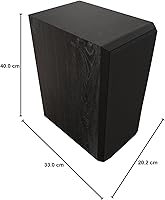
  • Dimensions: Each cabinet measures 13″ deep, 7.95″ wide, and 15.75″ tall, placing them in the larger end of the bookshelf speaker category.
  • Weight: Each speaker weighs 18 pounds, making the pair a combined 36 pounds for shipping and handling planning purposes.
  • Sold As: Sold as a stereo pair of two speakers; no amplifier, cables, or stands are included in the box.
  • Connectivity: Wired only via speaker cable terminals; no Bluetooth, Wi-Fi, or any wireless audio input is supported.
  • Surround Config: Compatible with 5.1, 7.1, and larger surround configurations when used as front left and right channel speakers.
  • Driver Size: Primary audio driver diameter is 6.5 inches, covering both woofer and subwoofer frequency duties within the cabinet.
  • Cabinet Shape: Rectangular prism cabinet profile with a front-facing baffle optimized for driver alignment and internal volume efficiency.
  • Warranty: Covered by a limited manufacturer warranty from Klipsch; buyers should confirm current warranty terms directly with the manufacturer at time of purchase.
  • Model Number: Official model designation is RP-600M II Ebony, with ASIN B09V5NRNDJ and UPC 743878046410 for product identification.
  • Availability Date: This second-generation model was first made available for purchase in May 2022, replacing the original RP-600M in the Reference Premiere lineup.

Related Reviews
Klipsch Reference Premiere RP-8000F II Floorstanding Speakers
87%
94%
Sound Performance
92%
Bass Quality
91%
Clarity & Detail
89%
Build Quality
85%
Ease of Setup
More
Klipsch Reference Premiere RP-6000F II Floorstanding Speaker
88%
94%
Sound Clarity
91%
Bass Performance
88%
Build Quality
85%
Ease of Setup
89%
Compatibility with Other Systems
More
Klipsch Reference Premiere RP-502S II Surround Sound Speakers
85%
94%
Sound Quality
92%
Surround Sound Immersion
88%
Build Quality
85%
Setup & Installation
80%
Room Compatibility
More
Klipsch RP-500C II Reference Premiere Center Channel Speaker
87%
94%
Sound Clarity
88%
Bass Performance
91%
Build Quality
85%
Ease of Setup
90%
Design & Aesthetics
More
Klipsch Reference Premiere RP-404C II Center Channel Speaker
86%
91%
Sound Quality
94%
Dialogue Clarity
89%
Build Quality
82%
Ease of Installation
87%
Design & Aesthetics
More
Klipsch RP-140D Speaker
86%
91%
Sound Quality
87%
Ease of Installation
90%
Design & Aesthetics
89%
Value for Money
85%
Build Quality
More
Klipsch RP-500M Bookshelf Speakers
89%
94%
Sound Quality
88%
Bass Performance
91%
Build Quality
93%
Ease of Setup
89%
Design & Aesthetics
More
Klipsch RP-450C Center Channel Speaker
86%
92%
Sound Quality
88%
Build Quality
94%
Dialogue Clarity
84%
Bass Performance
87%
Ease of Integration
More
Klipsch RB-61 II
Klipsch RB-61 II
81%
91%
Sound Clarity
94%
Sensitivity & Efficiency
72%
Bass Performance
86%
Sound Staging & Imaging
83%
Build Quality
More
Klipsch RP-250C Center Channel Speaker
87%
92%
Sound Clarity
91%
Dialogue Performance
85%
Bass Quality
90%
Build Quality
88%
Compatibility with Klipsch Systems
More

FAQ

You will need a separate amplifier or AV receiver — these are passive speakers with no built-in power source. That means the total cost of your setup includes both the speakers and whatever you use to drive them. This is easy to overlook if you are coming from a self-powered Bluetooth speaker background, so factor it in before purchasing.

The Klipsch RP-600M II is unusually efficient, so you do not need a high-powered amplifier to get excellent results. Many users run them happily with integrated amplifiers in the 50 to 80 watts-per-channel range and report no issues reaching loud, dynamic listening levels. If anything, the bigger concern is amplifier quality and tonal character rather than raw wattage.

They work well in both contexts. Most buyers use the RP-600M II pair as front left and right speakers in a home theater system, and they integrate naturally with other speakers from the same Klipsch Reference Premiere lineup. For surround or rear channels, smaller models from the same family are typically a better fit for both practical and budgetary reasons.

It depends on your tolerance and your source material. Heavily compressed pop and hip-hop can sound a bit sharp or edgy through these Klipsch bookshelf speakers, especially at higher volumes. Pairing them with a warmer-leaning amplifier and using a room with soft furnishings helps considerably. If you exclusively listen to those genres and prefer a relaxed, bass-forward sound, there are more neutral alternatives worth considering.

Because the ports fire out the rear of the cabinet, you should leave at least 8 to 12 inches of clearance between the back of the speaker and the wall behind it. Too close, and bass builds up in an uncontrolled way that makes the low end sound bloated rather than tight. Some experimentation is genuinely worthwhile here — small adjustments in position can make a noticeable difference.

They can work very well in a small room, but their high sensitivity is something to be aware of — these speakers get loud quickly, so you will be listening at low volume positions on your amplifier dial. Sonically that is fine, but the character of the sound in a small, hard-walled room can become bright and fatiguing. A smaller room with carpet, curtains, and soft furniture is a much better acoustic environment than a bare, reflective one.

The main changes in this Reference Premiere speaker are a larger Tractrix horn, redesigned Cerametallic woofers, and a refreshed cabinet finish. In practice, buyers who upgraded from the original reported a more open, detailed top end and slightly improved bass control. If you own the original and are broadly happy with it, the upgrade is not urgent. But for a first-time buyer choosing between old stock of the original and the current model, the second generation is the better buy.

Bi-wiring means running separate cables from your amplifier to the high-frequency and low-frequency terminals on each speaker, rather than a single cable connection. In theory it reduces interference between the two signal paths, though the audible benefit is genuinely debated among audiophiles. For most buyers, a single quality speaker cable per speaker is perfectly sufficient and a better use of the budget than expensive bi-wire runs.

Leaving the grilles on does measurably affect high-frequency response — the fabric introduces some absorption and diffraction that takes the edge off the treble slightly. Whether that is a positive or negative depends on your preferences and your room. The majority of buyers who care about sound quality end up removing the grilles entirely, but if your room is already bright or reflective, the grilles can actually help soften things a little.

For casual listening in a small to medium room, these speakers handle bass well enough on their own — buyers consistently describe the low end as punchy and more extended than expected for the cabinet size. For home theater use, or if deep bass in movies and electronic music matters to you, adding a subwoofer is worth considering. The speakers cross over cleanly and integrate well with a properly calibrated sub when paired through an AV receiver with bass management.