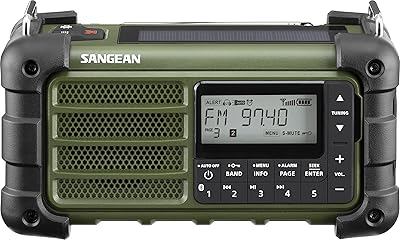
Kaito KA600 Emergency Radio
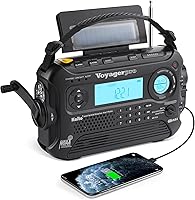
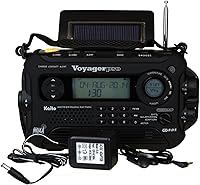
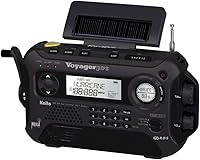

Overview
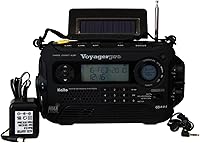
The Kaito KA600 Emergency Radio has been a steady presence in the mid-range preparedness market since 2014 — a long run that speaks for itself. It sits at a practical intersection: useful enough for everyday AM/FM listening, but built around the assumption that the power grid might not always cooperate. At roughly the size of a hardcover novel, it slides into a go-bag without complaint or sits on a nightstand without dominating it. With over 1,400 ratings averaging 4.2 stars, it has earned genuine credibility — though that consensus deserves a closer look rather than blind trust.
Features & Benefits
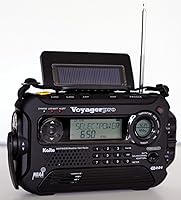
What sets this emergency radio apart from a basic weather radio is sheer versatility. It covers seven bands — AM, FM, longwave, shortwave, and all NOAA weather channels — with a digital display that shows signal strength and battery level at a glance, which is exactly what you want when fumbling around during a blackout. Three power options mean you are never truly stuck: plug it in normally, prop it in a sunny window, or crank the handle. The built-in flashlight is genuinely bright, and the separate reading lamp is a thoughtful touch. A USB port also lets you push a slow trickle charge to a smartphone when nothing else is available.
Best For
This hand-crank radio earns its keep most in the hands of people who treat emergency prep as a habit rather than an afterthought. If you live in a region that sees hurricanes, tornadoes, or wildfires, having a device that pulls in live NOAA alerts without needing a working outlet is a legitimate asset. Campers will appreciate the shortwave bands for distant stations — do not expect high-fidelity reception, but it works for casual listening. The clear digital display and straightforward controls also make it a solid pick for older adults who want reliability without complexity. Think of it as replacing a weather radio, flashlight, and emergency charger with one compact unit.
User Feedback
Across more than 1,400 reviews, a clear pattern holds: most buyers are satisfied, but the satisfaction comes with caveats worth knowing. NOAA reception and solar charging get consistent praise — people in storm-prone areas report it working exactly when they needed it. The reading lamp comes up repeatedly as a genuinely appreciated extra. On the other side, the hand crank draws realistic frustration: it charges, but slowly — plan on extended cranking for a meaningful battery boost, not a quick top-up. USB phone charging is similarly unhurried. Build quality sits somewhere in the middle, and a number of longer-term owners have flagged durability concerns, so treat this as a practical multi-year tool rather than a lifetime investment.
Pros
- NOAA weather alerts work reliably, which is the most critical function for storm-season preparedness.
- Four distinct power options mean you are never completely without a charging path, even off-grid.
- The digital display shows frequency, signal strength, and battery level simultaneously — no guesswork during a blackout.
- Seven-band radio coverage including AM, FM, LW, SW, and full NOAA in a single one-pound device is genuinely impressive.
- The reading lamp is a practical bonus that users consistently praise as more useful than expected.
- Compact enough to fit in a go-bag or emergency kit without eating up meaningful space or weight.
- Simple controls and a clear display make this hand-crank radio accessible for older adults and non-technical users.
- RDS support on FM lets the display show station names on broadcasts that support it — a small but appreciated daily-use touch.
- Over a decade on the market with more than 1,400 verified ratings gives buyers a meaningful body of real-world feedback to reference.
- Includes an AC adapter, so standard home charging is always an option when the grid is up.
Cons
- Hand crank charging is genuinely slow — sustained cranking for a modest battery boost, not a quick fix.
- USB phone charging output is trickle-level; do not plan on meaningfully powering up a smartphone in a hurry.
- Solar panel output drops sharply under cloud cover or indirect light, limiting its usefulness in many climates.
- Shortwave sensitivity is mediocre — weak or distant stations often get buried in background noise.
- Build quality concerns surface in longer-term reviews, particularly around the crank mechanism and battery over time.
- No rubberized casing or drop protection of any kind, making it vulnerable to accidental damage.
- The instruction manual is thin, leaving some of the more advanced settings underdocumented for new users.
- Display backlight times out quickly, requiring repeated button presses during outdoor nighttime use.
- FM reception in dense urban environments with high RF interference can feel weaker than expected.
- No carrying case or protective sleeve is included, which feels like an oversight for a device marketed toward outdoor and emergency use.
Ratings
The Kaito KA600 Emergency Radio has been scored below using an AI-driven analysis of verified global buyer reviews, with spam, incentivized feedback, and bot activity actively filtered out before any scoring was applied. The result reflects real-world ownership across use cases ranging from hurricane prep to backcountry camping, with both consistent strengths and honest pain points weighted equally. Every score you see here is designed to help cautious buyers make a clear-eyed decision — not to sell them something.
NOAA Weather Reception
Power Source Versatility
Hand Crank Charging Speed
AM/FM Reception Quality
Shortwave Reception
LED Flashlight Performance
Reading Lamp
USB Phone Charging
Digital Display & Tuning
Portability & Form Factor
Build Quality & Durability
Ease of Use
Solar Charging Effectiveness
Value for Money
Suitable for:
The Kaito KA600 Emergency Radio is a natural fit for households in regions where severe weather is a real seasonal concern — think Gulf Coast hurricane season, Midwest tornado alley, or wildfire-prone areas of the West. If your emergency kit currently has a flashlight, a weather radio, and a portable charger as three separate items, this hand-crank radio consolidates all of that into one compact package without demanding much technical knowledge to operate. Older adults or family members who are not comfortable with complex gadgets will appreciate the straightforward digital display and physical controls. Campers and hikers who want to pick up shortwave broadcasts in the backcountry — while keeping a NOAA alert option in their pocket — will also find it a sensible companion. Essentially, if your priority is broad capability and power redundancy over any single feature being best-in-class, this is a well-proven option with a long track record backing it up.
Not suitable for:
The Kaito KA600 Emergency Radio is going to disappoint buyers who approach it with high expectations in any single discipline. Dedicated shortwave listeners who want strong sensitivity and clean selectivity should look at purpose-built SW receivers — this radio treats shortwave as one of several features, not a core competency. Anyone expecting the hand crank or solar panel to rapidly charge a depleted battery will run into genuine frustration; the off-grid charging is slow by design and works best as supplemental top-up rather than a primary power strategy. If fast smartphone charging matters to you — say, you need your phone operational within minutes during an emergency — the USB output here will not meet that expectation. Buyers who prioritize long-term rugged durability, or who plan to use the device in consistently rough physical conditions, may also find the build quality underwhelming compared to ruggedized alternatives at higher price points.
Specifications
- Brand & Model: Manufactured by Kaito under the model designation KA600, first released in August 2014 and still in active production.
- Dimensions: The unit measures 9.5″ long by 2.25″ wide by 5.5″ high, making it roughly the footprint of a standard hardcover book.
- Weight: The radio weighs 1 pound, light enough to pack into a go-bag or emergency kit without adding meaningful bulk.
- Radio Bands: Covers seven bands in total: AM, FM, Longwave (LW), Shortwave (SW), and all NOAA weather alert channels.
- Power Sources: Operates via four independent methods: built-in solar panel, hand crank generator, internal rechargeable battery, and the included AC adapter.
- Display: Features a digital screen that simultaneously shows the current frequency, battery charge level, and incoming signal strength.
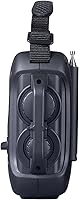
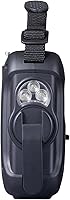
- Lighting: Includes two independent light sources: a high-powered LED flashlight and a separately positioned adjustable reading lamp.
- USB Output: Equipped with a USB port for charging external devices such as smartphones, with output suitable for slow top-up charging rather than fast delivery.
- Weather Alerts: Supports real-time NOAA weather alert reception for emergency broadcasts covering events such as hurricanes, tornadoes, and severe storm warnings.
- RDS Support: FM tuning includes RDS (Radio Data System) capability, allowing compatible stations to display their station name and program information on the digital screen.
- Tuning Type: Uses digital tuning for precise, stable frequency lock across all supported bands with no analog drift.
- Included Accessories: Ships with an AC power adapter for standard wall outlet charging; no carry case or protective sleeve is included in the box.
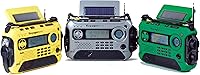
- Color: Available in black with a modern styling that suits both home shelf placement and outdoor pack storage.
- Connectivity: USB connectivity is output-only for device charging; there is no Bluetooth, Wi-Fi, or auxiliary audio input on this model.
- User Rating: Holds a 4.2 out of 5 star average based on over 1,400 verified ratings across global buyer reviews as of the time of analysis.
Related Reviews
Kaito Voyager Max KA900 Emergency Radio
Kaito KA500 Emergency Weather Radio
TFTDOUP XSY330 Emergency Hand Crank Weather Radio
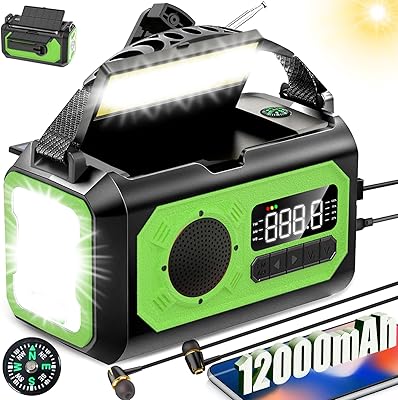
NEPIVEL H17 12000mAh Emergency Weather Radio
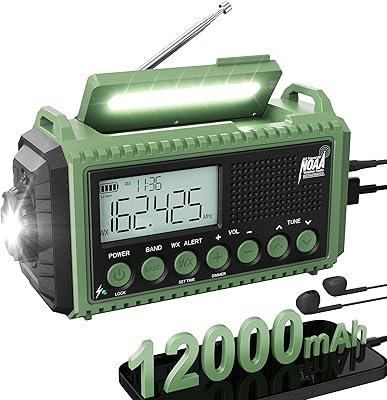
ROCAM 12000mAh Emergency Radio
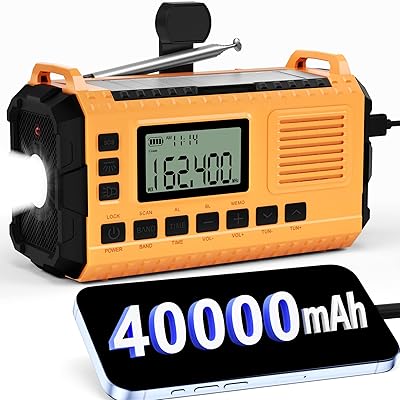
Sttfaishen F20 Emergency Hand Crank Weather Radio
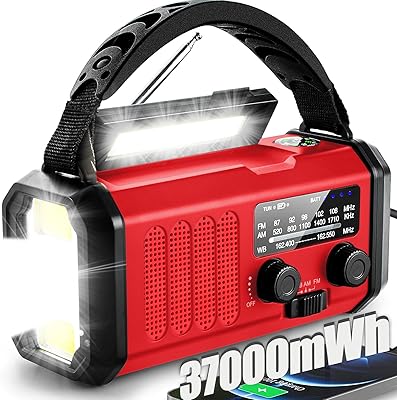
QAUYYW Emergency Weather Radio XSY330
TFTDOUP Emergency Weather Alert Radio
Aivica 10000mAh Emergency Crank Radio