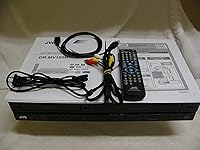
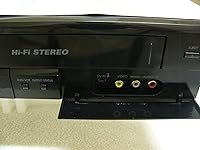
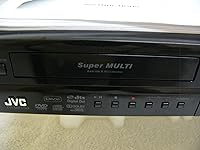
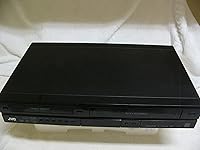
Overview

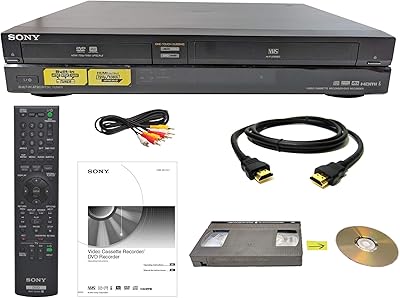
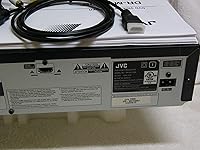
The JVC DR-MV150B DVD VHS Combo Recorder is one of those rare devices that genuinely fills a specific, real-world need — connecting a closet full of aging VHS tapes to the modern TV in your living room. This dual-format recorder handles both analog tape playback and DVD recording in a single unit, a practical concept when it launched in 2009 that still makes sense for anyone holding onto a library of home videos. A built-in ATSC tuner adds over-the-air HD broadcast recording, and the HDMI output with 1080p upconversion lets you plug directly into current televisions without a separate converter box.

Features & Benefits

What makes this dual-format recorder stand out is a handful of genuinely practical capabilities. The ability to play a DVD while simultaneously recording on VHS is uncommon and useful when dubbing or archiving content across formats. Progressive scan on both the DVD and VHS sides delivers smoother picture output compared to standard interlaced playback. The HDMI upscaling is worth having, but set expectations accordingly — upconversion is not native HD, so old tapes will look improved, not transformed. Hi-Fi stereo on the VHS deck keeps original audio intact, and the unit handles a wide variety of disc formats, from DVD-RAM to standard DVD-R, plus CDs and video CDs.

Best For

This JVC combo unit was built for a specific audience, not a general one. If you have a collection of VHS tapes you want to copy onto disc before they degrade further, or if you still actively watch tapes and need a way to connect to a modern TV, this is exactly the kind of device designed for that. It also suits anyone wanting to record live TV onto disc using the built-in HD tuner, without relying on a streaming box or subscription. The dual-format recorder won't appeal to casual buyers looking for something simpler, but for home video preservation, it covers the bases well.

User Feedback

Buyers who picked up this DVD-VHS combo recorder for archiving generally come away satisfied with the core concept — tape and disc in one box earns consistent appreciation. Complaints tend to cluster around the menu system and remote, which several users describe as clunky and difficult to navigate without spending real time with the manual. Durability questions surface too, understandable for a product that has been on the market since 2009. The machine is also physically substantial, weighing over 12 pounds and spanning nearly 19 inches wide, so dedicated shelf space is a must. HDMI upscaling feedback is mixed — appreciated, but nobody expects miracles from it.

Pros

  • Combines VHS playback and DVD recording in one box, eliminating the need for two separate devices.
  • HDMI output lets you connect directly to modern flat-panel TVs without any additional adapters.
  • The built-in ATSC tuner allows recording of over-the-air HD broadcasts straight to disc.
  • Progressive scan on both decks produces noticeably smoother picture quality compared to older interlaced players.
  • Hi-Fi stereo on the VHS deck preserves the original audio quality of your tapes accurately.
  • Can play a DVD and record on VHS simultaneously, a genuinely useful feature for dubbing content.
  • Supports a broad range of disc formats including DVD-RAM, DVD-RW, DVD-R, plus standard CDs and video CDs.
  • Ideal for long-term VHS preservation projects where tape degradation is a real and growing concern.
  • For those with large tape libraries, this dual-format recorder removes the need to buy multiple separate devices.

Cons

  • The menu system and remote are widely reported as unintuitive and require a steep learning curve.
  • At over 12 pounds and nearly 19 inches wide, the unit demands significant dedicated shelf space.
  • Upconverted 1080p output is not true native HD — picture improvement on old tapes is modest, not dramatic.
  • As a product first released in 2009, mechanical reliability on aging units is a legitimate concern.
  • No digital connectivity beyond HDMI — there is no USB port or network feature for direct digital file transfers.
  • Finding replacement parts or service support for this older unit is increasingly difficult.
  • The remote requires AAA batteries and has been criticized for its small buttons and confusing layout.
  • Not cost-effective for buyers who only need basic DVD playback without any VHS or recording functionality.

Ratings

The scores below for the JVC DR-MV150B DVD VHS Combo Recorder were generated by our AI system after analyzing verified buyer reviews from multiple global markets, with spam, incentivized, and bot-generated feedback actively filtered out. Each category reflects the honest balance of what real users praised and where they ran into genuine frustrations. No score has been adjusted to flatter the product — both the strengths and the recurring pain points are represented as accurately as the data allows.

Format Versatility
88%
Buyers consistently praised the sheer range of formats this dual-format recorder handles without needing extra equipment. Being able to record to DVD-R, DVD-RW, and DVD+R while also playing CDs and video CDs made it feel genuinely complete for anyone managing a mixed media library at home.
A small but vocal group found the format options confusing to navigate in practice, particularly when switching between disc types mid-session. DVD-RAM support, while technically present, caused compatibility headaches with certain disc brands that users had to discover through trial and error.
VHS Archiving Performance
83%
For the core task of preserving old VHS tapes onto disc, users reported solid, reliable results across a wide range of tape ages and conditions. The Hi-Fi stereo deck was specifically called out for maintaining the original audio quality of home recordings, which matters a lot when tapes hold irreplaceable family memories.
Some users reported dropout and tracking issues with tapes that were more than 25 years old, which is partly a tape condition problem but also reflects the age of the deck mechanism itself. A few buyers noted the VHS-to-DVD transfer process required multiple attempts before getting a clean recording.
HDMI Upconversion Quality
67%
33%
Connecting this JVC combo unit to a modern flat-panel TV via HDMI and seeing standard-definition content scaled up to fill the screen was appreciated by users who had previously struggled with fuzzy composite connections. The upconversion made a noticeable difference for DVD playback in particular, with a cleaner and more stable picture.
Expectations frequently outran reality when it came to VHS upconversion. Users who expected tape footage to look dramatically sharper on a large 4K TV were often disappointed — upscaling analog content has hard limits, and the improvement was described by many as modest at best. The 1080p label set unrealistic expectations for some buyers.
Ease of Use
54%
46%
Once users invested time in reading the manual and getting familiar with the mode-switching logic, most found the machine performed its core functions reliably. A subset of more technically-minded buyers appreciated having granular control over recording settings, disc format selection, and timer recording options.
The menu system was one of the most consistently criticized aspects across reviews. Switching between DVD and VHS modes, setting up timed recordings, and navigating disc format options all required more steps than buyers expected. The remote layout was described as cramped and unintuitive, with small buttons that were difficult to distinguish by feel alone.
Build Quality
71%
29%
The unit has a solid, dense feel that reflects the full-sized, rack-component design philosophy JVC applied to this category. Users who placed it in a dedicated AV cabinet appreciated that it did not feel flimsy or plasticky, especially compared to cheaper combo players from the same era.
Several buyers purchasing used or old-stock units reported mechanical issues with either the disc tray or the tape mechanism, raising concerns about long-term durability. For a product first manufactured in 2009, wear and tear on moving parts is a real and growing consideration that the score reflects honestly.
Progressive Scan Performance
79%
21%
Progressive scan output was genuinely appreciated by users playing DVDs through the unit, producing a noticeably smoother picture compared to older interlaced players they were replacing. On a mid-sized LCD screen, the difference was visible enough that several reviewers specifically mentioned it as a highlight.
The progressive scan benefit on the VHS side was less pronounced, and some users felt it was difficult to tell the difference from standard interlaced playback on typical home video content. The improvement is real but modest, and its visibility depends heavily on the quality of the TV and the condition of the original tape.
Simultaneous Operation
81%
19%
The ability to play a DVD on screen while the VHS deck records independently was a practical feature that earned genuine appreciation from users doing archiving work. It meant they could watch something without interrupting an ongoing tape-to-disc transfer, which made long archiving sessions much more tolerable.
A handful of users reported that simultaneous mode occasionally introduced minor audio sync issues during extended recording sessions, though this was not universal. Setting up dual-mode operation correctly also required navigating through several menu steps, which added friction for first-time users.
Tuner Performance
74%
26%
The built-in ATSC tuner received positive feedback from users in areas with strong over-the-air broadcast signals, where it reliably picked up local HD channels and recorded them cleanly onto disc. For cord-cutters wanting a simple way to archive broadcast TV, it worked well without needing an external tuner box.
In weaker signal areas, users noted the tuner struggled to maintain a stable lock on certain channels, leading to occasional recording interruptions. The channel setup process also drew criticism for being slow and requiring a full scan each time, which was inconvenient for users who moved the unit between rooms.
Audio Fidelity
82%
18%
Hi-Fi stereo on the VHS side was a meaningful advantage for users transferring tapes that had been recorded in Hi-Fi mode originally. Home movies and recorded concerts from the 1980s and 1990s came through with noticeably richer, fuller sound than users expected from tape playback on this class of device.
Standard VHS tapes recorded in mono showed no particular audio improvement, and the stereo output offered nothing special beyond what any basic tape deck would deliver. Users hoping for any kind of audio enhancement processing beyond the raw tape signal were left wanting more.
Disc Compatibility
76%
24%
Real-world compatibility with a broad range of blank disc brands was generally good, particularly with DVD-R media from established manufacturers. Users who stuck to well-known disc brands reported clean, consistent recording results without errors or playback failures on other players.
Budget or off-brand blank discs caused finalization errors and playback failures for a notable subset of users. DVD+RW discs in particular showed inconsistent compatibility depending on the disc manufacturer, and some users had to go through several brands before finding one that worked reliably with this dual-format recorder.
Physical Footprint
48%
52%
The large chassis at least justifies itself by housing two complete deck mechanisms in one box, which buyers upgrading from two separate devices found was a net space saving in some setups. The solid weight also meant the unit stayed put on a shelf without sliding around during tape loading.
At 19 inches wide and 15 inches deep, this is a genuinely large piece of equipment that does not fit in standard media furniture without planning. Several buyers underestimated the depth in particular, and a handful returned the unit solely because it physically would not fit their existing AV shelf or cabinet.
Setup Experience
63%
37%
Basic hookup via HDMI was straightforward for most users, and the initial disc and channel scanning process was functional if slow. Buyers with prior experience setting up JVC AV equipment found the overall setup logic familiar and manageable within an hour.
First-time setup of the tuner, disc format configuration, and remote programming took considerably longer than buyers expected based on the documentation. The quick-start guide was widely described as insufficient, with several users resorting to third-party online guides to complete the initial configuration correctly.
Value for Money
69%
31%
For buyers who genuinely needed the specific combination of VHS playback, DVD recording, HDMI output, and a built-in tuner in a single unit, this dual-format recorder represented a reasonable value proposition given that no other single device covered all those bases simultaneously. Archiving enthusiasts found it cost-effective compared to buying separate devices.
Buyers who needed only one or two of those features consistently felt they were overpaying for capabilities they would never use. Given its age and the availability of simpler, cheaper standalone players, the value case depends almost entirely on whether the full combo feature set is actually necessary for the buyer's specific situation.

Suitable for:

The JVC DR-MV150B DVD VHS Combo Recorder was made for a narrow but very real group of buyers, and for those people it delivers genuine value. If you have boxes of VHS tapes sitting in storage — home movies, recorded TV shows, family events from the 1980s and 1990s — and you want to copy them onto DVD before the tapes deteriorate further, this dual-format recorder is purpose-built for exactly that task. It also works well for anyone who still actively watches VHS tapes but has upgraded to a flat-panel TV with only HDMI inputs, since the built-in upconversion handles that connection without needing extra adapters. Households wanting to record over-the-air broadcast TV onto disc using the included HD tuner will also find it capable. Essentially, if your media life still has one foot in the analog era and you want a single machine to manage the transition, this JVC combo unit covers that ground better than most alternatives.

Not suitable for:

The JVC DR-MV150B DVD VHS Combo Recorder is not the right choice for most general consumers in today's market, and it is worth being direct about that. If you have no VHS tapes to speak of, this dual-format recorder offers little that a simple DVD player or streaming device cannot do more efficiently and at lower cost. The unit is large and heavy — nearly 19 inches wide and over 12 pounds — so anyone with limited shelf or cabinet space will find it an awkward fit. Given that it has been on the market since 2009, buyers purchasing used or old-stock units should factor in potential mechanical wear on both the tape deck and disc drive. People expecting true high-definition playback will also be disappointed; the 1080p figure refers to upconversion, not native HD output. If your goal is simply watching modern content or streaming video, this JVC combo unit is genuinely not the tool for the job.

Specifications

  • Brand: Manufactured by JVC, a Japanese electronics brand with a long history in consumer video equipment.
  • Model: The exact model number is DR-MV150B, sometimes listed as DRMV150 across retail listings.
  • Color: The unit is finished in black, standard for home AV rack components of this type.
  • Dimensions: The recorder measures 19 x 15 x 7 inches, requiring dedicated shelf space in a media cabinet.
  • Weight: The unit weighs 12.4 pounds, making it a substantial piece of equipment that is not easily moved around.
  • HDMI Output: A single HDMI output supports upconverted video output at up to 1080p resolution for connection to modern displays.
  • Video Formats: Recordable disc formats include DVD-RAM, DVD-RW, DVD-R, DVD+RW, and DVD+R for flexible archiving options.
  • Playback Formats: The unit plays DVD, CD, SVCD, VCD, and CD-R/RW discs in addition to standard VHS tapes.
  • VHS Audio: The VHS deck supports Hi-Fi stereo recording and playback, preserving the original audio fidelity of source tapes.
  • Tuner Type: A built-in ATSC tuner receives over-the-air digital and HD broadcast signals for direct-to-disc recording.
  • Scan Type: Both the DVD and VHS sides support progressive scan output for smoother, cleaner picture rendering on compatible displays.
  • Upconversion: The HDMI output upconverts standard-definition content to 1080p, though this is a signal enhancement rather than native HD.
  • Audio Output: Audio output mode is stereo, compatible with standard two-channel home theater and TV audio inputs.
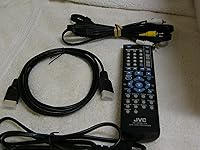
  • Remote Battery: The included remote control requires two AAA batteries, which are not included in the box.
  • Connectivity: Primary output connectivity is via HDMI; the unit does not include USB or network-based output options.
  • Availability: The product was first made available in March 2009 and remains listed as not discontinued by the manufacturer.
  • Dual Operation: The unit supports simultaneous operation, allowing DVD playback to continue while the VHS deck is actively recording.
  • Power: The unit is designed for standard AC power connection typical of North American home electronics.

Related Reviews
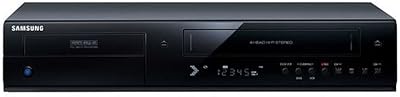
Samsung DVD-VR375A DVD VHS Combo Recorder
73%
83%
Dubbing Performance
76%
Ease of Setup
71%
VHS Playback Quality
67%
DVD Recording Reliability
74%
HDMI Video Output
More
Toshiba VHS to DVD Recorder VCR Combo
84%
88%
Ease of Use
85%
Setup & Installation
91%
Video Quality
80%
Audio Quality
84%
Build Quality
More
Sony RDR-VX VHS to DVD Recorder Combo
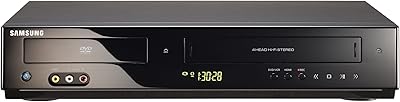
74%
88%
Ease of Use
82%
Dubbing Performance
67%
Video Output Quality
79%
Build Quality
54%
Value for Money
More
Samsung DVD-V9800 DVD VCR Combo Player
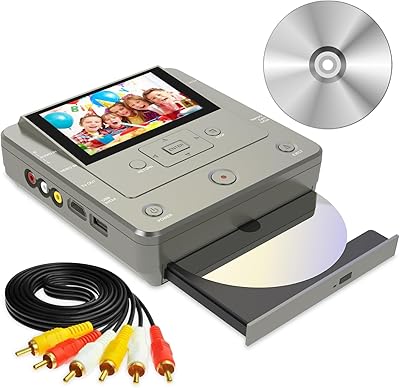
72%
82%
Build Quality
67%
VHS Playback Quality
78%
DVD Upconversion
88%
HDMI Connectivity
54%
Remote Control
More
Clariviews VHS to DVD Recorder with 4.3-inch LCD
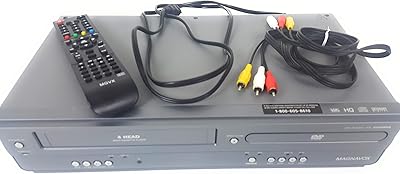
83%
93%
Ease of Setup
88%
Interface Simplicity
86%
LCD Preview Quality
67%
Build Materials
91%
Media Compatibility
More
Sanyo RFWZV475F DVD Recorder/VCR Combo
80%
91%
Dubbing Ease
78%
Video Upconversion
84%
Connectivity Options
93%
Space Efficiency
82%
Remote Control Utility
More
RCA DRC8335 DVD Recorder VCR Combo
65%
81%
Ease of Use
67%
VHS-to-DVD Dubbing Quality
58%
Disc Compatibility
73%
Build Quality
49%
Long-Term Reliability
More
Magnavox ZV427MG9
Magnavox ZV427MG9
77%
88%
Dubbing Simplicity
83%
Image Upscaling
47%
Broadcast Recording
79%
Initial Setup
81%
DVD Burn Reliability
More
Magnavox DV200MW8 DVD/VHS Combo Player
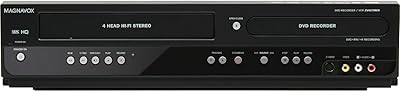
75%
88%
Value for Money
65%
Ease of Setup
75%
Playback Quality
81%
Design and Build Quality
70%
Sound Quality
More
Toshiba DVR670 DVD/VHS Recorder with Built-In Tuner
86%
88%
Overall Performance
92%
Ease of Use
90%
Video Quality (Post-Upconversion)
85%
Recording Reliability
76%
Compatibility with VHS Tapes
More

FAQ

Yes, that is exactly what this dual-format recorder was designed to do. You insert a blank recordable DVD, play your VHS tape, and the unit transfers the content across. The process is straightforward, though you may need to adjust recording speed and quality settings depending on how long the tape is.

Not exactly. The HDMI output upconverts the signal to 1080p, which means it scales the image up to fill a modern TV screen. Your old tapes and standard DVDs will look a bit cleaner and better-fitted to a large display, but the underlying content is still standard definition — you are not getting genuine HD clarity from analog sources.

Yes, the HDMI output is specifically there to handle exactly that situation. You connect one HDMI cable from this JVC combo unit to your TV, and you are good to go. No additional converter or adapter is needed.

Yes. The built-in ATSC tuner receives digital over-the-air broadcasts, including HD channels, and you can record them directly to a compatible recordable disc. Keep in mind that some broadcast content may include copy protection that limits recording, so results can vary by channel.

Standard DVD-R discs are the safest and most compatible choice for recording. The unit also supports DVD-RW, DVD+R, and DVD+RW formats. DVD-RAM is supported as well, but it is less common and harder to find. Stick with DVD-R from a reputable brand and you should have no compatibility issues.

As of the available product listing, it is not officially marked as discontinued by the manufacturer. That said, it is an older design that first appeared in 2009, so finding new stock can be tricky. Many units available today are old stock or refurbished, so factor that into your buying decision.

It is genuinely big — 19 inches wide, 15 inches deep, and 7 inches tall. Most standard media shelves will accommodate the width, but the depth is where people sometimes run into trouble. Measure your shelf before buying, particularly the front-to-back clearance.

It has a learning curve. Several users report that navigating the menus, especially when switching between VHS and DVD modes or setting up recording options, takes some trial and error. The manual is worth reading through before your first archiving session rather than just winging it.

Yes, and that is one of the more practical features of this dual-format recorder. You can have a DVD playing through the HDMI output to your TV while the VHS deck records separately. It is useful if you are dubbing content or just want to keep watching something while a tape records.

The unit should play standard VHS tapes regardless of age, but heavily degraded or moldy tapes are a different matter. Very old tapes in poor condition can shed oxide onto the tape heads, which can cause playback issues and potentially damage the deck over time. It is worth inspecting your tapes and doing a test with less valuable ones before running your most important recordings through the machine.