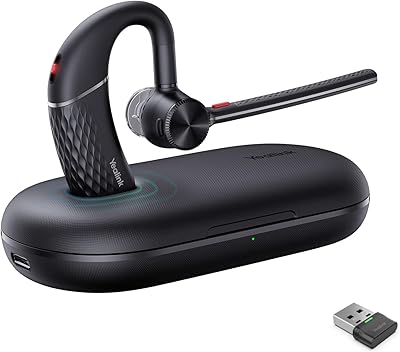
Jabra PRO 920 Mono Wireless Desk Headset
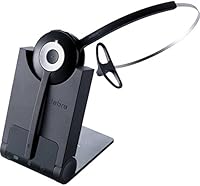

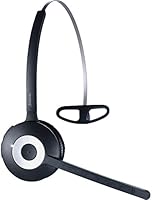
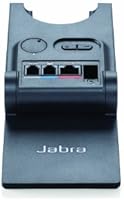
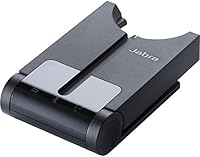
Overview
The Jabra PRO 920 Mono Wireless Desk Headset has been a reliable fixture in professional office environments since its debut in 2011, and it has aged better than most would expect. Built specifically for deskphone use, this DECT office headset operates on a dedicated wireless frequency — not Bluetooth — which means cleaner, more stable connections in busy office buildings where wireless interference is common. The mono design is a deliberate choice: one ear stays free, so you can catch a colleague across the room without missing a word on the call. At its price point, you are paying for proven reliability, not cutting-edge features.
Features & Benefits
Walk to the printer, grab a coffee, or check a file in the back room — the wireless desk headset keeps you connected up to 300 feet from its base station, which is genuinely useful in larger offices. The noise-canceling microphone combined with built-in DSP processing works on both sides of the conversation, reducing echo and filtering out the ambient buzz of an open-plan floor. If a caller suddenly blasts a loud tone or the line spikes unexpectedly, Peak Stop technology cuts the volume before it reaches your ear. And at just 28 grams, you can wear this DECT office headset for hours without the neck fatigue that heavier headsets cause.
Best For
This wireless desk headset is an obvious fit for anyone whose job revolves around the phone. Call center agents in open, noisy offices will appreciate the microphone clarity, and the extended wireless range is a genuine advantage for people who need to move around frequently without putting callers on hold. It suits organizations looking to equip entire teams with a dependable, universally compatible mono headset rather than shopping for flashy tech. Users who log heavy call hours and worry about hearing exposure will find the Peak Stop protection genuinely reassuring. One clear caveat: if your primary communication tool is a computer softphone or a mobile device, this is not the right fit.
User Feedback
Long-term users of the Jabra PRO 920 consistently praise the range reliability, reporting that it holds a solid connection day after day without drops or interference — not something you can take for granted with cheaper options. Setup also draws regular compliments; most deskphones pair without a fuss. On the critical side, a notable number of reviewers mention that the ear cushion becomes uncomfortable during very long shifts, and a few feel the plastic build quality doesn't quite match the price. Battery performance over months of daily use draws mostly positive feedback, though some report gradual capacity decline after a couple of years.
Pros
- The DECT wireless connection holds strong across large office floors without the interference issues that affect Bluetooth alternatives.
- At just 28 grams, the Jabra PRO 920 barely registers during a full workday of wear.
- The noise-canceling microphone keeps your voice clear even on a loud, open-plan call floor.
- Peak Stop technology actively prevents sudden loud tones from catching you off guard mid-call.
- DSP processing reduces echo and evens out volume swings, making long call sessions noticeably less fatiguing.
- Setup is fast and broadly compatible with most desk telephone brands right out of the box.
- The 300-foot wireless range gives you real freedom to move around without babysitting your connection.
- Battery life comfortably covers a standard workday on a full charge.
- In-line controls for mute, volume, and call management are accessible without touching the phone itself.
- This DECT office headset has a long, proven track record in professional environments dating back over a decade.
Cons
- The all-plastic build starts showing wear and stress cracks after 18 to 24 months of daily heavy use.
- Ear cushion comfort deteriorates noticeably during shifts longer than five to six hours.
- No compatibility with computers, softphones, or mobile devices limits its usefulness as offices shift to digital telephony.
- Some deskphone models require a separately purchased Electronic Hook Switch cable for full remote call-answering functionality.
- Battery capacity degrades gradually with age, and the cells are not user-replaceable.
- The price feels harder to justify as newer competitors close the performance gap at lower cost points.
- Signal reliability weakens in multi-floor buildings or spaces with thick concrete walls.
- Button differentiation on the in-line controls is poor, leading to accidental muting for newer users.
- The headband fit range is not generous enough for users with larger head sizes during extended wear.
- Charging contact wear on the base station can cause unreliable docking if the headset is not seated at the exact right angle.
Ratings
The Jabra PRO 920 Mono Wireless Desk Headset scores here reflect AI-driven analysis of verified global buyer reviews, with spam, bot-generated, and incentivized feedback actively filtered out before any score was calculated. This DECT office headset has accumulated years of real-world feedback from call center agents, office administrators, and desk-bound professionals across dozens of markets. Both its genuine strengths and its recurring pain points are transparently captured in the categories below.
Wireless Range & Stability
Microphone Clarity
Comfort & Wearability
Call Audio Quality
Peak Stop & Hearing Protection
Build Quality & Durability
Setup & Compatibility
Battery Life
Controls & Ease of Use
Weight & Physical Ergonomics
Value for Money
Noise Isolation (Passive)
Charging & Base Station Design
Suitable for:
The Jabra PRO 920 Mono Wireless Desk Headset was built with a specific type of worker in mind: someone who spends the majority of their day on a deskphone and genuinely needs the freedom to move around without dropping a call. Call center agents fielding back-to-back calls in noisy, open-plan floors will find the noise-canceling microphone and DSP processing make a real difference in how they sound to callers. Office professionals who regularly step away from their desk mid-call to grab documents, consult a colleague, or simply stretch their legs will appreciate the reliable DECT range that extends well beyond a typical office footprint. Organizations looking to standardize wireless headsets across a team of desk-phone users will find this DECT office headset broadly compatible and straightforward to deploy at scale. Workers who have experienced hearing discomfort from sudden loud call tones will find the built-in Peak Stop protection a genuinely useful safeguard during long shifts. If your core communication tool is a traditional desk telephone and you want a proven, low-maintenance wireless solution, this headset has a strong track record to back it up.
Not suitable for:
The Jabra PRO 920 Mono Wireless Desk Headset is firmly a deskphone-first device, and buyers who misread it as a general-purpose wireless headset will quickly run into its limitations. It does not connect to computers, smartphones, or tablets via Bluetooth or USB, so remote workers running calls through softphones like Zoom, Teams, or Google Meet should look elsewhere entirely. The mono design, while intentional for office situational awareness, means anyone expecting stereo sound for music, media, or immersive audio during video calls will find the experience unsatisfying. Buyers who prioritize premium materials and a robust physical build may feel the all-plastic construction does not justify the price, particularly when compared with newer competitors that offer metal reinforcement at similar or lower cost points. If you regularly work shifts exceeding six to seven hours and are sensitive to ear pressure, the cushion comfort over marathon sessions is a known weak point worth factoring into your decision. Finally, this wireless desk headset offers no meaningful upgrade path for PC-based communication, so if your office is moving toward softphone-based systems, it may already be approaching the end of its practical usefulness for your workflow.
Specifications
- Wireless Technology: This headset uses DECT (Digital Enhanced Cordless Telecommunications) wireless technology, which operates on a dedicated frequency band separate from Wi-Fi and Bluetooth to minimize interference in busy office environments.
- Range: The headset maintains a wireless connection up to 300 feet (approximately 90 meters) from its base station in open-space conditions.
- Audio Format: Audio output is mono, meaning sound is delivered to a single ear, leaving the other ear free for environmental awareness during calls.
- Driver Type: The headset uses a dynamic audio driver tuned specifically for voice clarity and speech intelligibility rather than broad-spectrum audio reproduction.
- Microphone: The boom microphone features active noise cancellation and is optimized for voice pickup in open-plan and high-ambient-noise office environments.
- Noise Protection: Peak Stop technology is built in to immediately suppress sudden loud audio spikes before they reach the listener's ear, protecting against hearing damage during calls.
- Signal Processing: Onboard Digital Signal Processing (DSP) reduces background noise and echo on both the send and receive sides of a call in real time.
- Controls: In-line controls support call answer and end, mute toggle, and volume adjustment, all accessible without interacting with the desk telephone itself.
- Weight: The headset weighs 28 grams, making it one of the lighter options in its professional desk headset category.
- Dimensions: Overall product dimensions measure 7.5 x 2.8 x 5.5 inches, reflecting a compact and desk-friendly physical footprint.
- Material: The headset body and headband are constructed from plastic, keeping weight low while providing adequate rigidity for daily office use.
- Ear Placement: The on-ear design positions the ear cushion against the outer ear rather than enclosing it, which suits extended wear in environments where ambient awareness is needed.
- Battery: The headset is powered by one Lithium Metal battery, which is included in the package and is charged via the accompanying base station cradle.
- Compatibility: The headset is designed for use with a wide range of desk telephone models; however, some phones may require a separately purchased Electronic Hook Switch (EHS) cable for full remote call-answering functionality.
- Connectivity: The headset connects exclusively to a physical desk telephone via its DECT base station and does not support direct connection to computers, smartphones, or Bluetooth-enabled devices.
- Included Components: The package includes the headset unit and its DECT base station; no additional cables or accessories are required for basic operation with compatible desk telephones.
- Cable: The headset itself is cable-free during use, with all connectivity handled wirelessly between the headset and its base station.
- Market Position: The headset ranks among the top 100 products in the Telephone Headsets category on Amazon, reflecting sustained commercial demand since its launch in November 2011.
Related Reviews
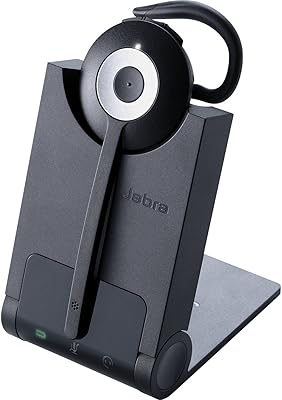
Jabra PRO 930 MS Mono Wireless Headset
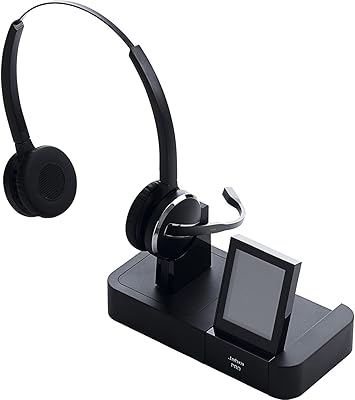
Jabra PRO 9460 Duo Wireless Headset
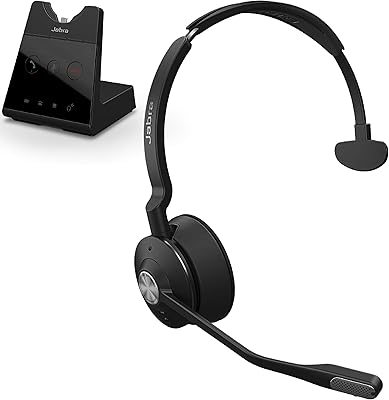
Jabra Engage 65 Mono Wireless Headset
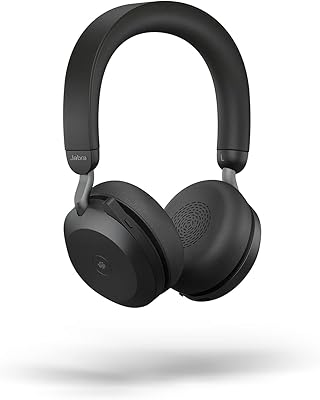
Jabra Evolve2 75
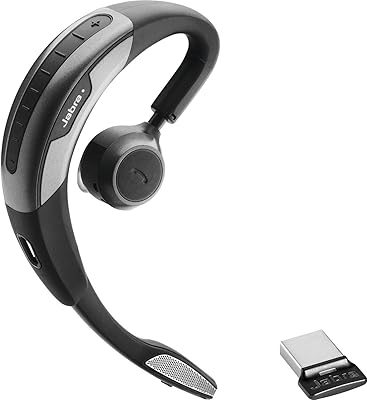
Jabra Motion UC Bluetooth Headset
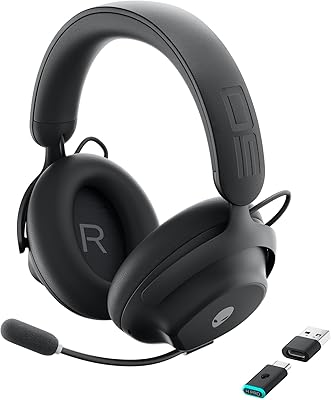
Alienware Pro Wireless Gaming Headset
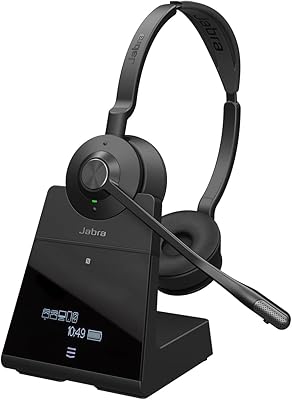
Jabra Engage 75 SE Dual-Ear Wireless Headset
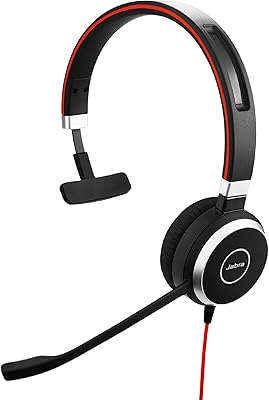
Jabra Evolve 40 UC Mono Wired Headset
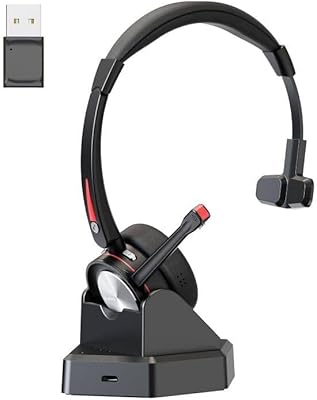
Beebang 890 Pro Wireless Headset