Overview

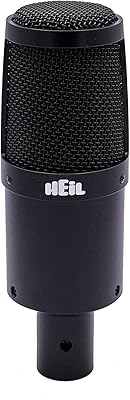
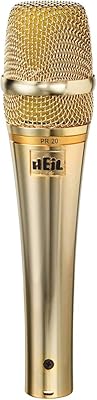
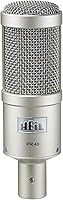
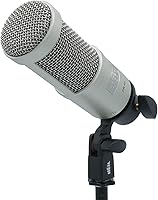
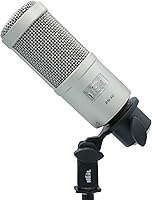
If you are building a serious audio setup, the Heil PR 40 deserves a spot on your desk. This premium dynamic option is built from the ground up for demanding vocal applications, earning a stellar reputation among professional podcasters, YouTube streamers, and veteran broadcasters. Unlike flimsy plastic alternatives, the champagne vocal mic features a robust alloy steel construction that feels incredibly durable in hand. Its distinctive finish stands out on camera, adding a touch of classic studio aesthetics to your workspace. Whether you are upgrading your home studio or outfitting a commercial broadcasting booth, this piece of gear delivers reliable performance. It bridges the gap between rugged build quality and top-tier audio capture, making it a staple for serious creators worldwide.

Features & Benefits

What makes this dynamic mic truly shine is its highly focused cardioid polar pattern. It provides superior rear noise rejection, which is a massive relief if you record in untreated rooms with computer fans or street noise nearby. The wide frequency response captures the natural warmth of the human voice accurately, without sounding muddy or artificial. When weighing a dynamic vs condenser mic for YouTube, remember that this model largely eliminates the need for expensive external preamps or heavy post-processing. You just get a clean, dry vocal right at the source. The professional XLR connection ensures a secure, high-quality audio transfer directly to your mixer. It handles loud sound sources easily, preventing peaking and distortion while maintaining exceptional clarity across your entire recording session.

Best For

If you need the best dynamic microphone for streaming, this broadcast microphone fits the bill perfectly. It is primarily tailored for professional podcasters who demand reliable, broadcast-quality vocals episode after episode. Live streamers working in noisy environments will appreciate how aggressively it rejects background clatter, keeping the focus entirely on their voice. Beyond spoken word, studio engineers often reach for it as a highly versatile tool for capturing live instruments, thanks to its ability to handle high sound pressure levels without flinching. Whether you are tracking aggressive rock vocals, miking up a guitar cabinet, or hosting a quiet late-night talk show, it adapts beautifully. The focused pickup area ensures that only what is directly in front of the capsule makes it to the final mix.

User Feedback

Reading through community impressions, buyers frequently praise this piece of gear for its exceptional ability to reject ambient room noise and loud mechanical keyboard clicks. Content creators are highly impressed by the smooth, rich tone it delivers right out of the box, requiring almost no EQ tweaks to sound professional. However, reviewers frequently remind beginners that an external audio interface is absolutely required to use it. This is not a simple plug-and-play USB device, so you will need to factor an interface and a dedicated cable into your overall budget. Despite the extra setup steps, the overwhelming consensus is that the audio upgrade is well worth the investment. Users love how forgiving it is in poorly treated rooms, cementing its status as a reliable studio workhorse.

Pros

  • The Heil PR 40 excels at rejecting background noise like keyboard clicks and computer fans.
  • Delivers a rich, smooth, broadcast-ready vocal tone right out of the box.
  • Durable alloy steel construction easily withstands daily use in busy home or commercial studios.
  • Eliminates the need for expensive external preamps often required by competing dynamic models.
  • The distinctive champagne finish looks fantastic on camera for video podcasts and streams.
  • Handles high sound pressure levels beautifully, making it great for miking live rock instruments.
  • Provides condenser-like clarity without capturing all the ambient noise of an untreated bedroom.

Cons

  • Requires a separate audio interface and XLR cable, significantly increasing the total setup cost.
  • The heavy weight may cause cheaper, budget-friendly desktop boom arms to sag over time.
  • Strict cardioid pattern means you must maintain consistent mic discipline to avoid sudden volume drops.
  • Lacks the airy, sparkling high-end frequencies that some vocalists prefer for certain musical genres.
  • The unique champagne color can be difficult to match with standard black studio accessories.
  • Susceptible to harsh plosives, meaning you will likely need to purchase an external pop filter.
  • Complete overkill and unnecessarily complicated for casual hobbyists or basic video conferencing needs.

Ratings

Our AI-driven analysis of verified global buyer reviews breaks down exactly how the Heil PR 40 performs in the real world, actively filtering out spam and incentivized feedback to give you the unvarnished truth. We have synthesized thousands of hands-on experiences to highlight both the standout features and the genuine pain points you need to consider before upgrading your studio. This transparent breakdown reveals where this dynamic mic truly excels and where it might fall short for your specific workflow.

Background Noise Rejection
94%
Streamers and podcasters working in untreated bedrooms rave about how effectively this broadcast microphone isolates their voice from environmental chaos. The tight cardioid pattern effortlessly ignores whirring computer fans, loud mechanical keyboards, and even mild street traffic outside.
Because the rejection is so aggressive, users who tend to move their head around while speaking notice sudden drops in volume. You must maintain strict mic discipline and stay directly in front of the capsule to keep your audio levels consistent.
Vocal Tone & Clarity
91%
Reviewers consistently praise the smooth, broadcast-ready richness it delivers straight out of the box without needing heavy EQ tweaking. The wide frequency response captures the natural depth of human speech, making voices sound incredibly authoritative and intimate.
Some vocalists with naturally higher registers feel the sound leans slightly too warm, occasionally requiring a treble boost in post-production. It lacks the airy, sparkling top-end that some creators prefer for specific musical genres or bright voiceover work.
Build Quality & Durability
88%
Constructed with a rugged alloy steel chassis, this dynamic mic feels virtually indestructible in the hand and easily survives daily studio abuse. Touring engineers and road-warrior podcasters appreciate the heavy-duty materials that confidently protect the internal components.
Weighing in at a hefty 13.5 ounces, the solid metal construction makes it slightly unwieldy for cheaper, lightweight boom arms. A few buyers noted that accidental drops can scuff the elegant finish, even if the microphone continues functioning perfectly.
Ease of Setup
62%
38%
Experienced audio professionals appreciate the standard XLR connection that integrates seamlessly into existing studio mixing consoles and rack gear. It completely bypasses the digital compression issues often associated with entry-level USB microphones, delivering an unadulterated analog signal.
Beginners frequently express frustration upon realizing this is not a simple plug-and-play USB device for their laptop. You absolutely must purchase a separate audio interface and XLR cable, which significantly complicates the initial setup process and increases the total cost.
Aesthetic & Design
84%
The distinctive champagne finish provides a sophisticated, vintage look that stands out beautifully on camera during live streams and video podcasts. Content creators love the professional studio vibe it instantly adds to their desktop setup.
The unique colorway does not blend seamlessly into modern, minimalist black-and-grey gaming setups, which frustrates some aesthetic-focused streamers. Finding matching shock mounts and boom arms in the same champagne shade is virtually impossible, forcing users to mix and match hardware.
Gain Requirements
71%
29%
Compared to other notorious broadcast microphones, this model demands surprisingly reasonable gain levels to achieve a healthy recording volume. Most mid-tier audio interfaces can drive it perfectly without introducing nasty preamp hiss or requiring an expensive inline signal booster.
While easier to drive than its direct competitors, budget-conscious users with entry-level mixers still struggle to get a loud enough signal without cranking the gain to maximum. If you speak softly, you might still need to invest in external amplification.
Value for Money
78%
22%
Audio veterans consider this a lifetime investment, citing that it delivers condenser-like clarity with the rugged reliability of a dynamic capsule. For serious broadcasters earning an income from their voice, the impeccable audio quality easily justifies the premium price tag.
Casual hobbyists find the upfront cost incredibly steep, especially once they factor in the required audio interface, XLR cables, and a sturdy stand. For casual video calls or amateur gaming, buyers admit it is massive overkill for their actual needs.
Instrument Recording Versatility
82%
18%
Studio engineers successfully use this versatile tool to mic up loud guitar cabinets, snare drums, and kick drums without experiencing any distortion. It handles high sound pressure levels beautifully, making it a reliable workhorse for capturing live band sessions.
Acoustic musicians note that it struggles to capture the delicate, nuanced fingerpicking details of acoustic guitars compared to a dedicated small-diaphragm condenser. The aggressive off-axis rejection also makes it a poor choice for recording a choir or a full room.
Proximity Effect Handling
76%
24%
Radio hosts intentionally lean in close to leverage the microphone's deep, resonant proximity effect, achieving that coveted late-night announcer voice. The bass boost it provides when speaking directly into the grille adds an authoritative weight to male and female vocals alike.
Inexperienced speakers who randomly change their distance from the microphone will produce wildly inconsistent bass levels throughout a recording. Without careful microphone technique, getting too close can make your voice sound excessively boomy and muddy the overall mix.
Plosive Control
68%
32%
When addressing the microphone slightly off-axis, the internal breath blasts are managed reasonably well for standard conversational speaking volumes. Experienced broadcasters can use basic technique to keep harsh consonant sounds under control without needing bulky foam covers.
The built-in mesh grille does an inadequate job of stopping harsh plosives from hitting the capsule during energetic performances. Users strongly recommend purchasing a high-quality external pop filter, which adds extra bulk to your video frame.

Suitable for:

The Heil PR 40 is an excellent choice for serious podcasters, live streamers, and studio engineers who need broadcast-quality vocal reproduction. Because of its dynamic capsule and tight cardioid polar pattern, it is incredibly forgiving in noisy or untreated rooms. Creators broadcasting from home offices with whirring computer fans or street noise will find it isolates their voice beautifully. It also serves as a versatile tool for audio engineers looking to capture live instruments and loud sound sources without distortion. Ultimately, anyone willing to invest in a premium XLR setup to achieve that rich, smooth radio voice will find this microphone highly rewarding.

Not suitable for:

Casual users looking for a quick, plug-and-play solution for video calls or basic gaming should definitely skip the Heil PR 40. Since it relies on a professional XLR connection, beginners will face the added expense and complexity of buying a separate audio interface and cables. It is also not the right fit for content creators who need to record a wide area, such as a roundtable discussion or a choir, due to its strict unidirectional pickup pattern. Furthermore, mobile creators needing a lightweight, highly portable setup will find this heavy alloy steel unit too cumbersome for travel.

Specifications

  • Microphone Type: This unit operates as a dynamic microphone, making it highly durable and capable of handling loud sound sources.
  • Connectivity: Audio transfer is handled exclusively through a standard 3-pin XLR connection.
  • Polar Pattern: It features a unidirectional cardioid polar pattern designed for superior rear noise rejection.
  • Material Construction: The chassis is constructed from rugged alloy steel for long-lasting studio durability.
  • Exterior Finish: The exterior boasts a distinctive champagne colorway that stands out elegantly on camera.
  • Electrical Impedance: The electrical impedance is officially rated at 600 Ohms.
  • Dimensions: The physical measurements are 10.5 by 7 by 4 inches.
  • Item Weight: The microphone weighs exactly 13.5 ounces, requiring a sturdy desktop stand or boom arm.
  • Frequency Response: It offers a wide frequency response reaching up to 18 KHz to capture natural vocal tones.
  • Signal-to-Noise: The signal-to-noise ratio is rated at 70 dB for clean, professional audio capture.
  • Power Source: It operates as a corded electric device requiring an external audio interface connection.
  • Form Factor: The design follows a traditional handheld form factor, though it is primarily meant to be mounted.

Related Reviews
Heil Sound PR 30 Dynamic Microphone
86%
92%
Audio Performance
88%
Build Quality
89%
Noise Rejection
85%
Versatility
80%
Ease of Use
More
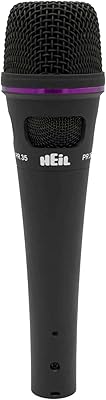
Heil Sound PR 35 Dynamic Microphone
89%
94%
Sound Clarity
92%
Noise Rejection
90%
Build Quality
85%
Ease of Setup
88%
Compatibility with Audio Gear
More
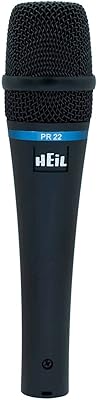
Heil Sound PR 22 UT Dynamic Microphone

86%
92%
Sound Quality
89%
Noise Rejection
91%
Build Quality
87%
Value for Money
88%
Durability
More
Corsair Vengeance RGB DDR5 64GB (2x32GB) 6400MHz CL32-40-40-84
87%
94%
Performance
91%
Overclocking Stability
89%
RGB Lighting Customization
72%
Temperature Management
95%
Compatibility with Intel Systems
More
ESAKO 40-2000X Microscope
84%
91%
Magnification Quality
85%
Ease of Use
88%
Lighting Performance
80%
Build Quality
89%
Mechanical Stage Precision
More
AOMEKIE 40/400 Refractor Telescope
67%
72%
Optical Clarity
67%
Build Quality
88%
Ease of Assembly
54%
Tripod Stability
61%
Magnification Range
More
Urea 40 Nail Gel
Urea 40 Nail Gel
85%
88%
Effectiveness for Cracked Nails
84%
Improvement of Thickened Nails
91%
Quick Drying Formula
89%
Ease of Application
79%
Restoration of Yellowed Nails
More
Heil PR20G Vocal Microphone
87%
91%
Sound Quality
89%
Build Quality
85%
Ease of Use
93%
Background Noise Isolation
87%
Durability
More
Motorola Moto 40 Bluetooth Smartwatch
86%
91%
Battery Life
88%
Fitness Tracking Accuracy
63%
Display Brightness
85%
Build Quality
90%
Ease of Use
More
SYLVOX 40″ 12V Smart TV
83%
89%
Performance in Marine Environments
75%
Ease of Setup
86%
Display Quality
91%
Connectivity & Streaming
88%
Durability & Build Quality
More

FAQ

No, you cannot plug it directly into a computer. This broadcast microphone requires an XLR cable and a separate audio interface to process the analog signal into a digital format your computer can understand.

Unlike some power-hungry dynamic models, this unit does not strictly require an external preamp or inline signal booster. A standard mid-tier audio interface provides plenty of gain to achieve a clean, loud vocal track without needing 48V phantom power.

Absolutely. The tight cardioid polar pattern is specifically designed to reject sound coming from the rear and sides of the capsule. This makes it incredibly forgiving in untreated rooms, effectively ignoring computer fans and distant traffic.

The standard package typically includes the microphone and a protective carrying case, but you will need to purchase mounting hardware separately. Due to its solid alloy steel construction, we highly recommend investing in a heavy-duty boom arm that can comfortably support its weight.

Yes, we strongly recommend using an external pop filter. While it has an internal mesh grille, it can still be susceptible to harsh plosives, like hard P and B sounds, if you speak directly into it at a close distance.

Yes, it is a highly versatile studio tool. Audio engineers frequently use it to record loud sound sources like electric guitar cabinets, snare drums, and kick drums without encountering any unwanted audio distortion.

For the best broadcast-quality vocal reproduction, you should position your mouth about two to four inches away from the front of the grille. Staying close takes advantage of the proximity effect, giving your voice that rich, deep warmth associated with professional radio hosts.

The distinctive champagne finish provides a classic, vintage aesthetic that looks fantastic on camera, but it does mean your setup will have a two-tone look. Finding a perfectly color-matched shock mount is difficult, so most users simply pair it with standard black accessories.

It is not ideal for capturing multiple people at once. Because of its strict unidirectional pickup pattern, it is designed to capture only the person speaking directly into the front of it, meaning you would need a separate unit for each host on your panel.

You can keep it looking pristine by gently wiping the alloy steel body with a dry, microfiber cloth. Avoid using harsh liquid cleaners or spraying anything directly into the grille, as moisture can eventually damage the internal dynamic capsule over time.