Overview

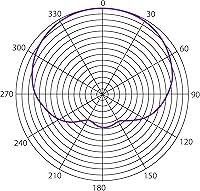
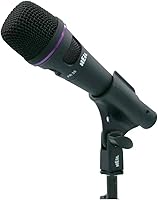
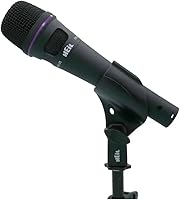
The Heil Sound PR 35 Dynamic Microphone comes from a brand with genuine credibility — an American company whose engineering roots run through professional audio and amateur radio, a background that shows in how deliberately their mics are designed. The PR 35 is built specifically for demanding live environments, not as an all-purpose studio piece. Its super-cardioid pickup pattern is an intentional engineering decision: tighter than a standard cardioid, it is shaped to keep stage noise out of the signal. The mic has been available since 2007, and its staying power on the market reflects something real — performers keep choosing it.
Features & Benefits

The PR 35 earns its place through specs that translate into real-world performance advantages. A super-cardioid polar pattern with -35 dB of rear rejection means dramatically less bleed from stage monitors and neighboring instruments — a meaningful difference on a busy stage. A switchable high-pass filter lets you cut below 80Hz to manage proximity effect or stage rumble, or leave it flat down to 40Hz for full warmth on deep voices. The frequency response reaching up to 18kHz is unusually extended for a dynamic mic, adding real articulation on consonants and upper harmonics. One honest caveat: at -52.9 dBV output, this stage microphone rewards a capable preamp.

Best For

The PR 35 finds its sweet spot with live vocalists performing on loud stages where feedback control is non-negotiable. Its tight pickup and strong rear rejection make it a natural fit for performers running wedge monitors or in-ear setups. Broadcasters and podcasters who prefer a dynamic over a condenser will appreciate the extended top-end clarity — it adds presence without phantom power dependency. It also works well close-miking brass, guitar amps, and acoustic instruments. Just be honest with yourself: this Heil dynamic mic shines with a capable preamp, and budget interfaces with limited gain headroom may leave it sounding thinner than expected.

User Feedback

Owners consistently highlight vocal clarity as the standout quality — the upper-register detail and presence this stage microphone delivers genuinely surprise people coming from typical dynamics. Long-term users report that its aluminum body holds up well through regular gigging; for a mic available since 2007, durability complaints are notably scarce. On the downside, at 1.8 lbs it is a heavier handheld, and some performers find it tiring over long sets. The preamp sensitivity requirement comes up often — users with entry-level interfaces occasionally report disappointing output levels. The included mic clip is a common mild gripe: functional, but it does not quite match the build quality of the mic itself.

Pros

  • Exceptionally tight super-cardioid pattern keeps stage monitor bleed and feedback under control in loud environments.
  • Frequency response reaching 18kHz delivers vocal clarity well beyond what most dynamic mics can manage.
  • The switchable high-pass filter gives performers a practical, on-mic tool to manage low-end rumble without touching the console.
  • All-aluminum construction feels genuinely road-ready — this mic is built to take abuse over years of gigging.
  • No phantom power required, making the PR 35 compatible with virtually any XLR-equipped setup right away.
  • Standard 3-pin XLR connection means zero proprietary headaches and works with any balanced cable or preamp.
  • Rear rejection of -35 dB is strong enough to make a real difference on a crowded, loud stage.
  • Long market lifespan since 2007 with consistent user satisfaction points to lasting build and sound quality.
  • Works effectively as an instrument mic on guitar amps and brass, adding versatility beyond just vocal use.
  • Heil Sound is an established American brand with a genuine professional pedigree, not a rebranded generic product.

Cons

  • Low output level of -52.9 dBV means budget audio interfaces will struggle to provide adequate gain without adding noise.
  • At 1.8 lbs, this stage microphone is noticeably heavier than most handheld dynamics, causing fatigue over long performances.
  • The included mic clip feels underbuilt relative to the quality of the mic body itself — many users replace it immediately.
  • Buyers unfamiliar with preamp pairing may be disappointed out of the box if their interface lacks sufficient headroom.
  • No wireless version or adapter compatibility limits its flexibility for performers who need cable-free movement.
  • The super-cardioid pattern requires more precise mic technique than a standard cardioid — off-axis singing causes audible drop-off.
  • Positioned at a premium price point, making the cost harder to justify for occasional performers or hobbyist users.
  • Not well-suited for quiet close-miking of delicate acoustic instruments where a condenser would capture far more nuance.
  • Physical size and weight make it less convenient for compact mic stands or boom arms not rated for heavier loads.
  • Relatively niche brand recognition means fewer local repair options or accessories compared to dominant competitors like Shure.

Ratings

Our AI-generated scores for the Heil Sound PR 35 Dynamic Microphone are derived from analysis of verified global buyer reviews, with spam, incentivized, and bot-generated feedback actively filtered out before scoring. The ratings reflect both the genuine strengths that keep performers coming back and the real friction points that frustrate buyers in specific situations. Nothing has been smoothed over — the scores represent the honest, aggregated picture.
Vocal Clarity
91%
The extended frequency response up to 18kHz gives this stage microphone a level of vocal presence that genuinely surprises buyers upgrading from standard dynamics. Singers consistently note that consonants and upper harmonics come through with natural definition rather than the muffled character common in cheaper dynamic mics.
A small number of users with naturally bright or sibilant voices find the extended top end a touch harsh if EQ is not applied at the mix. It is a minor issue for experienced engineers but can catch newcomers off guard.
Feedback Rejection
88%
The super-cardioid polar pattern with -35 dB rear rejection is one of the PR 35's most celebrated practical qualities among gigging vocalists. Performers using loud floor monitors report a marked improvement in feedback headroom compared to standard cardioid mics they had used previously.
The tighter pickup pattern demands more disciplined mic technique — singers who move the mic away from their mouth or work off-axis lose level noticeably. This is a design trade-off, not a defect, but it is a real adjustment for performers used to more forgiving cardioid dynamics.
Build Quality
89%
The all-aluminum housing feels immediately substantial and road-worthy in a way that plastic-bodied mics simply do not. Users who have owned the PR 35 for five or more years report no significant wear, rattles, or structural issues even after regular touring use.
The weight that comes with the metal construction — 1.8 lbs — is a meaningful consideration for handheld use over long performances. Some users also note that the grill can accumulate dents after drops, and while it does not affect performance, the cosmetic damage bothers some buyers.
Preamp Compatibility
61%
39%
When paired with a quality preamp or a mixing console with strong, clean gain, the PR 35 performs at a professional level that justifies its position in the market. Buyers who already own capable interfaces — Focusrite Clarett, Universal Audio, or similar — report no issues achieving a full, detailed signal.
This is the most consistent pain point across user feedback. The -52.9 dBV output level means budget audio interfaces are often pushed to their gain limits, introducing audible noise. Buyers with entry-level interfaces should factor the cost of an inline preamp booster into their purchase decision.
Stage Handling
74%
26%
The aluminum body gives performers a confident, solid feel in hand, and the mic is robust enough that drops and rough handling during live shows do not cause functional damage. The standard XLR connection is secure and does not wobble or loosen after repeated use.
At 1.8 lbs, fatigue becomes a factor for performers who hold the mic for extended sets exceeding 60 to 90 minutes. The heavier build also makes it less balanced on certain lighter boom stands that are not rated for that weight.
High-Pass Filter Usability
83%
Having a switchable filter directly on the mic body is a practical feature that gigging vocalists and live sound engineers genuinely appreciate. Being able to engage the 80Hz cut without touching the console is a real workflow convenience during fast stage changeovers.
The switch itself is not recessed or guarded, so it can occasionally be toggled accidentally during a sweaty live set if the mic is gripped aggressively. A handful of users have mentioned discovering mid-set that the filter had been bumped without their knowledge.
Instrument Miking
79%
21%
The PR 35 handles guitar amplifiers and brass instruments with more clarity than most standard dynamics, thanks to its extended high-frequency response. Engineers who use it as a close-mic on guitar cabs appreciate that it captures the presence and attack of the amp without sounding brittle.
It is not the most versatile instrument mic across all source types — on acoustic guitar it can sound somewhat stiff compared to a small-diaphragm condenser, and it is overkill for quiet sources where a dynamic's noise floor matters less than sensitivity.
Value for Money
72%
28%
For performers who use it in the right context — loud stages, quality preamps, demanding live environments — the PR 35 delivers professional results that justify its premium pricing. The durability and longevity mean the cost per year of ownership is reasonable for serious working musicians.
Buyers who discover their interface cannot adequately power this Heil dynamic mic without additional gear end up spending more than they planned. For casual or occasional users, the price-to-use ratio makes it harder to recommend over more forgiving alternatives at lower price points.
Broadcast Suitability
81%
19%
Podcasters and broadcasters who want the noise rejection of a dynamic mic but dislike the muffled character of entry-level dynamics consistently find the PR 35 a compelling option. The top-end extension adds a presence to spoken voice that makes it sound more polished without needing heavy post-processing.
The low output sensitivity remains a limiting factor in home broadcast setups where budget interfaces are common. Without adequate gain, the mic can sound thin and distant, which undercuts its natural strengths significantly.
Included Accessories
44%
56%
The included mic clip gets the job done as a functional starting point and fits standard stands without any adapters. Most buyers are up and running immediately without needing to source additional parts just to mount the mic.
The clip quality is widely criticized as noticeably below the standard set by the microphone itself — it feels flimsy and several users report it cracking or losing grip tension over time. No case, cable, or stand is included, which feels like a sparse package at this price tier.
Long-Term Reliability
92%
With continuous availability since 2007 and a user base that includes many long-term owners, the PR 35 has earned a strong reputation for holding up through years of regular gigging. Very few reliability complaints surface in aggregated feedback relative to the mic's age and volume of use.
Because the mic has been on the market for nearly two decades, some long-term owners note that finding replacement grills or manufacturer service can take time depending on location. It is a minor concern but worth noting for buyers outside major urban markets.
Mic Technique Demand
67%
33%
For experienced vocalists who maintain consistent mic placement and distance, the super-cardioid pattern rewards good technique with an exceptionally clean and controlled signal. Performers who have worked with tight-pattern mics before adapt quickly and appreciate the precision.
Beginners and hobby performers who are not used to disciplined mic positioning find the PR 35 punishing — volume and tone shift noticeably when they move off-axis or drop the mic from their mouth. It is a mic that demands the user meet it halfway.
Brand Reputation
84%
Heil Sound carries genuine credibility among professional audio users, particularly in the live sound and amateur radio communities. Buyers who research the brand before purchasing express confidence that they are buying from a manufacturer with real engineering depth rather than a generic rebrander.
Heil Sound does not have the mainstream retail presence of Shure or Sennheiser, which makes finding demo units or local technical support more difficult. For buyers in smaller markets or outside North America, the brand's relatively limited distribution can be an inconvenience.
Connectivity & Compatibility
93%
The standard 3-pin XLR connection means zero proprietary headaches — this stage microphone works with every professional mixer, interface, and preamp on the market without adapters or workarounds. The passive design also means there is no risk of damage from accidentally enabling phantom power.
There is no wireless-ready version of this mic, which rules it out for performers who need freedom of movement without a cable. Buyers who need wireless capability must look elsewhere in the Heil lineup or consider a different brand entirely.

Suitable for:

The Heil Sound PR 35 Dynamic Microphone is purpose-built for serious live performers who need a mic that can handle real-world stage conditions without compromise. If you are a vocalist regularly performing in loud venues with active stage monitors, the tight super-cardioid pattern and strong rear rejection will make an immediate, audible difference in feedback control and monitor bleed. Broadcasters and podcasters who prefer the noise-rejection qualities of a dynamic mic but want more top-end definition than a standard dynamic typically offers will find the PR 35 a genuinely capable tool. It also works well as an instrument mic — close-miking brass, guitar amplifiers, or loud acoustic sources where the extended frequency response adds clarity without the fragility of a condenser. Buyers who already own a quality preamp or audio interface with solid gain headroom will get the most out of this stage microphone, as it rewards a clean, capable signal chain.
Not suitable for:

The Heil Sound PR 35 Dynamic Microphone is not the right call for buyers who primarily need a home studio microphone for quiet recording sessions — a large-diaphragm condenser will serve that use case far better, and the PR 35 was never designed to compete in that space. Users working with budget audio interfaces should think carefully before purchasing: this Heil dynamic mic has a relatively low output level, and underpowered preamps will struggle to bring it to a usable gain level without introducing noise. At 1.8 lbs, it is noticeably heavier than many competing handhelds, which becomes a real fatigue issue for performers doing long sets or multiple shows per night. If you are a beginner looking for a forgiving, plug-and-play mic that sounds solid with any interface or setup, the PR 35 is probably overkill and somewhat unforgiving — it is a professional tool that performs best in the hands of someone who already understands their signal chain. Finally, buyers who need wireless operation should look elsewhere, as this is a passive XLR mic with no wireless capability.
Specifications

  • Microphone Type: The PR 35 is a dynamic microphone, meaning it requires no phantom power and handles high sound pressure levels well in live environments.
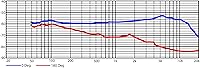
  • Polar Pattern: It uses a super-cardioid polar pattern, which provides tighter off-axis rejection than a standard cardioid for improved feedback control on stage.
  • Frequency Response: With the filter off, the mic captures a flat response from 40Hz to 18kHz; engaging the high-pass filter narrows the low end to 80Hz.
  • Rear Rejection: Off-axis rejection at 180 degrees measures -35 dB, significantly reducing sound arriving from directly behind the microphone.
  • Output Level: Sensitivity is rated at -52.9 dBV at 1kHz, which is on the lower end and benefits from use with a preamp offering strong, clean gain.
  • Impedance: Output impedance is 370 ohms balanced, compatible with professional XLR preamps and mixing consoles without impedance-matching concerns.
  • High-Pass Filter: A switchable filter engages an 80Hz high-pass cutoff, useful for reducing proximity effect, stage rumble, and handling noise during live use.
  • Signal-to-Noise: The signal-to-noise ratio is rated at 140 dB, indicating a very low noise floor relative to maximum output for a dynamic microphone.
  • Connection: The mic terminates in a standard 3-pin XLR connector, compatible universally with professional audio interfaces, mixers, and preamps.
  • Power Source: The PR 35 is entirely passive and requires no phantom power, battery, or external power supply of any kind.
  • Body Material: The housing is machined aluminum, contributing to its durability and its weight of 1.8 lbs — heavier than many plastic-bodied competitors.
  • Dimensions: The mic measures 10.5 x 7 x 4 inches overall, making it a full-sized handheld microphone suitable for standard mic stands and clips.
  • Weight: At 1.8 lbs, the PR 35 is noticeably heavier than most handheld dynamic microphones, which is worth considering for extended handheld use.
  • Included Items: The package includes the microphone itself and a mic clip; no stand, cable, or carrying case is included in the standard configuration.
  • Manufacturer: Heil Sound is an American manufacturer based in Fairview Heights, Illinois, with a background spanning professional audio and amateur radio communications.
  • Availability: The PR 35 has been continuously available since July 2007 and has not been discontinued by the manufacturer as of the latest listing data.

Related Reviews
Heil Sound PR 30 Dynamic Microphone
79%
93%
Sound Character
88%
Vocal Performance
84%
Build Quality
89%
Off-Axis Rejection
62%
Preamp Dependency
More
Heil PR 40
Heil PR 40
79%
94%
Background Noise Rejection
91%
Vocal Tone & Clarity
88%
Build Quality & Durability
62%
Ease of Setup
84%
Aesthetic & Design
More
Heil Sound PR 22 UT Dynamic Microphone
85%
88%
Vocal Clarity
91%
Build Quality
86%
Off-Axis Rejection
71%
Preamp Compatibility
83%
Value for Money
More
TELEFUNKEN M80 Dynamic Microphone
89%
94%
High-Frequency Clarity
96%
Build Quality & Durability
92%
Off-Axis Noise Rejection
91%
Vocal Cut & Presence
89%
Feedback Resistance
More
Shure PGA48-XLR
Shure PGA48-XLR
83%
93%
Build Quality
86%
Vocal Clarity
91%
Value for Money
82%
Feedback Rejection
74%
Handling Noise
More
Shure PGA58
Shure PGA58
86%
93%
Build Quality
86%
Vocal Clarity
89%
Feedback Rejection
96%
Value for Money
84%
Switch Design
More
Heil Sound PR20 Gold Dynamic Microphone
80%
88%
Vocal Clarity
86%
Stage Noise Rejection
83%
Build Quality
61%
Preamp Compatibility
72%
Value for Money
More
AUDIX OM5 Hypercardioid Dynamic Microphone
80%
91%
Vocal Clarity
93%
Feedback Rejection
88%
Build Quality
83%
Value for Money
57%
Mic Technique Demand
More
SE Electronics V7 Chrome
84%
94%
Feedback Rejection
92%
Build Quality & Durability
88%
Aesthetic Appeal
89%
Vocal Clarity & Crispness
86%
Handling Noise Reduction
More
Beyerdynamic M88 TG Dynamic Microphone
84%
91%
Sound Quality
93%
Build Quality
87%
Polar Pattern Performance
83%
Versatility
88%
Noise Rejection
More

FAQ

No, the PR 35 is a passive dynamic microphone and does not require phantom power at all. You can plug it directly into any XLR input — mixer, preamp, or audio interface — and it will work without enabling 48V phantom power.

It will work, but you may hit the limits of the preamp sooner than you would like. The PR 35 has a relatively low output sensitivity, so interfaces with modest gain headroom may need to be pushed near their maximum, which can introduce noise. If you are using a budget interface, this is worth factoring into your decision — a preamp with a CloudLifter or similar inline booster can help significantly.

It toggles the built-in high-pass filter on or off. In the UP position the mic runs flat from 40Hz, capturing the full low end of your voice or instrument. In the DOWN position it rolls off frequencies below 80Hz, which is useful for cutting stage rumble, HVAC noise, or excessive bass buildup when you are singing very close to the capsule.

They occupy a similar role as live vocal dynamics, but the PR 35 has a noticeably extended high-frequency response and a tighter super-cardioid pattern compared to the SM58's standard cardioid. In practice, the PR 35 tends to sound more open and detailed on vocals, particularly in the upper midrange and high end. The tradeoff is that it requires more precise mic technique and a better preamp to shine.

Yes, it is a solid choice for podcasters and broadcasters who want a dynamic mic with more clarity and top-end presence than a standard dynamic typically offers. That said, if your audio interface does not have strong clean gain, you may need an inline preamp booster. For a treated room or a quiet home studio setup, it performs very well.

It handles instruments well. The extended frequency response up to 18kHz makes it particularly effective on guitar amplifiers and brass instruments, where you want a dynamic that captures some of the brightness and overtones without the fragility of a condenser. Many engineers use it as a close-mic on guitar cabs as a primary or complement to other mics.

It is on the heavier side for a handheld dynamic — 1.8 lbs is noticeably more than most plastic-bodied mics. For a 30-minute set it is generally fine, but performers doing long shows or multiple back-to-back sets have mentioned hand and arm fatigue. It is worth holding one before committing if you are used to a much lighter mic.

The all-aluminum body is built to last, and the mic has been on the market since 2007 with consistent reports of long-term reliability from gigging musicians. This Heil dynamic mic does not feel fragile in the slightest — it is the kind of tool you expect to still be using years from now with normal road care.

Yes, the included clip uses a standard threading and fits typical mic stands without any adapters. However, many users feel the clip itself is a step below the quality of the microphone — it is functional but not especially robust. Picking up a third-party clip rated for heavier mics is a small, worthwhile upgrade.

You need a standard balanced XLR cable — male to female, which is the most common type sold anywhere. No cable is included in the box, so you will need to supply your own. Any quality balanced XLR cable of appropriate length will work; there is nothing proprietary about the connection.

Where to Buy