Overview
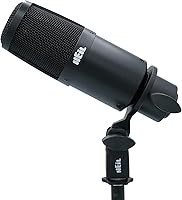
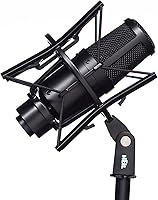
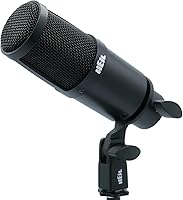
The Heil Sound PR 30 Dynamic Microphone has been earning its place in professional audio since 2004, and its longevity is no accident. Unlike most dynamics that sound boxy or harsh in the upper registers, the PR 30 behaves more like a ribbon microphone — the high end rolls off gently rather than aggressively, producing a smooth, natural character that broadcast engineers and studio producers genuinely appreciate. It's an XLR-only passive mic by design, which tells you right away who it's built for: someone with a proper interface or console already in their signal chain. This is not a beginner's first mic. It's a dedicated pro-audio tool for people who know exactly what they need.
Features & Benefits
What sets the PR 30 apart starts with its capsule design. The frequency response stretches to 18 kHz, but the real story is in the midrange — clear, present, and natural without the nasality that plagues plenty of dynamics in this class. The supercardioid polar pattern delivers tight off-axis rejection, which is a practical win when you're recording in a less-than-ideal space. At 600 ohms, it pairs best with a preamp that has real headroom — hand it a budget interface and it may sound flat, so factor your signal chain into the decision before buying. The passive aluminum build means no phantom power complications, and at 1.2 pounds it's sturdy without being cumbersome on a studio or live stage.
Best For
The PR 30 is genuinely at home in a broadcast or podcast setup. The controlled pickup and smooth top-end keep room ambience and background noise from creeping into dialogue, which is why radio engineers have relied on it for years. It's also become a go-to choice among recording engineers for guitar amp miking — the way it captures the body of an amp without exaggerating harsh frequencies is hard to match with most other dynamics. Home studio owners dealing with untreated rooms will find the tight polar pattern genuinely forgiving. Voice-over artists will appreciate the natural midrange presence too. Just know it assumes a solid signal chain is already in place.
User Feedback
With 12 ratings and a 4.8 out of 5 average, the sample is small — but these aren't casual buyers leaving quick impressions. Praise consistently centers on the smooth fatigue-free vocal character and how well it handles guitar amps, with several users making unprompted comparisons to ribbon mics after putting it through real sessions. On the critical side, a few buyers flag that no mic clip or case is included, which feels like a reasonable expectation at this price point. There's also a recurring note that a budget preamp significantly undersells what this large-diaphragm dynamic can do. Pair it well, though, and the feedback suggests it more than delivers.
Pros
- Delivers a smooth, ribbon-like top-end that makes voices sound natural and easy to listen to over long sessions.
- The supercardioid polar pattern rejects off-axis room noise effectively, offering real forgiveness in untreated spaces.
- Widely regarded among engineers as one of the best dynamic options available for miking guitar amplifiers.
- No phantom power needed, eliminating compatibility concerns across virtually any XLR interface or mixing console.
- Rugged aluminum body holds up to regular studio and live-stage use without feeling fragile or unnecessarily heavy.
- Articulate midrange reproduction gives vocals a clear, present quality without the nasal coloration common in cheaper dynamics.
- Has maintained a consistent professional reputation since 2004, suggesting reliable long-term capsule and build quality.
- Tight pickup pattern makes it considerably more forgiving in reflective or noisy environments than most condenser options.
Cons
- Demands a capable preamp to perform well — pair it with a budget interface and the results will disappoint.
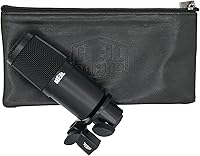
- No mic clip or carrying case included, which feels like a meaningful omission given the price bracket.
- The small number of available user reviews makes it genuinely difficult to assess long-term reliability with confidence.
- Not well-suited for sources requiring extended high-frequency detail, such as acoustic instruments or overhead drum miking.
- At 1.2 lbs, lightweight or inexpensive boom arms may struggle to hold it steady in a fixed position over time.
- A quality preamp adds real cost that buyers need to plan for alongside the mic purchase itself.
- Community resources, user tutorials, and third-party support content are harder to find than for higher-volume mainstream brands.
- The matte black aluminum finish, while sturdy, can show scuffs and handling marks more visibly with regular use.
Ratings
The scores below are generated by AI after analyzing verified buyer reviews from markets worldwide for the Heil Sound PR 30 Dynamic Microphone, with spam, bot-generated content, and incentivized feedback actively filtered out before scoring. Each of the 14 categories reflects real patterns from users across broadcast studios, home recording setups, live sound rigs, and podcast workflows. Genuine strengths and legitimate frustrations are weighted equally — nothing has been softened or omitted.
Sound Character
Vocal Performance
Build Quality
Off-Axis Rejection
Preamp Dependency
Guitar Amp Miking
Value for Money
Broadcast Suitability
Midrange Clarity
High-Frequency Response
Noise Rejection
Accessories & Packaging
Live Sound Performance
Ease of Setup
Suitable for:
The Heil Sound PR 30 Dynamic Microphone is a strong match for anyone who already has a solid signal chain in place and wants a mic that genuinely outperforms the typical dynamic category on voice and instruments. Broadcast hosts and podcasters working in real, untreated rooms will find its tight supercardioid pattern doing a lot of the heavy lifting by rejecting off-axis noise before it ever reaches the preamp. Recording engineers who regularly mic guitar amplifiers will immediately appreciate how the PR 30 captures amp character without pushing harsh high-end frequencies that require heavy EQ correction after the fact. Voice-over artists and radio professionals who need a warm, controlled vocal sound will feel right at home, as the ribbon-like frequency rolloff gives voices a smooth, listenable quality that holds up across long sessions. It also earns its keep in live sound settings where feedback resistance and consistent durability under pressure genuinely matter.
Not suitable for:
The Heil Sound PR 30 Dynamic Microphone is not the right call if your interface is a basic entry-level unit — this mic rewards preamps with real gain headroom, and a weak or noisy preamp will leave it sounding flat and lifeless rather than revealing what it can actually do. Anyone expecting a USB plug-and-record experience will find it a frustrating mismatch; it is strictly an XLR mic aimed at users who already understand gain staging and signal routing. Buyers chasing a condenser-style open, airy top-end will find the deliberately smooth high-frequency rolloff limiting for certain source material, even if that same quality is exactly what vocal engineers love. The lack of an included mic clip or case also adds an immediate accessory cost worth factoring in before purchasing. And if your primary work involves acoustic instruments, piano, strings, or overhead drum miking — where extended high-frequency detail is non-negotiable — a well-matched condenser will serve you considerably better.
Specifications
- Mic Type: Large-diaphragm dynamic microphone designed for professional studio, broadcast, and live sound applications.
- Polar Pattern: Unidirectional supercardioid pattern provides strong rejection of off-axis sound sources and ambient room noise.
- Frequency Response: Frequency response extends up to 18 kHz with a smooth, natural rolloff in the upper registers rather than a sharp cutoff.
- Impedance: Output impedance rated at 600 ohms, best suited to preamp or interface inputs rated at 1,200 ohms or higher for optimal signal transfer.
- Sensitivity: Audio sensitivity rated at 51 dB, which requires a preamp with adequate clean gain headroom to perform at its best.
- Signal-to-Noise: Signal-to-noise ratio of 51 dB delivers a clean, low-noise output suitable for both voice and close-miked instrument recording.
- Connector: Standard 3-pin XLR output connector is universally compatible with professional audio interfaces, mixing consoles, and external preamps.
- Power Requirement: Fully passive design draws no power and requires no phantom power, eliminating compatibility concerns across all XLR-equipped devices.
- Body Material: Machined aluminum housing provides a durable, road-ready build while keeping the overall weight practical for extended use.
- Weight: Weighs 1.2 lbs (approximately 544 g), appropriate for standard boom arms and mic stands rated to handle professional dynamic microphones.
- Finish: Matte black anodized finish reduces unwanted light reflection in video and broadcast environments while giving the mic a clean professional appearance.
- Compatible Devices: Works with amplifiers, professional audio interfaces, mixing consoles, and any hardware equipped with a standard XLR microphone input.
- Recommended Uses: Optimized for broadcast dialogue, podcast recording, vocals, guitar amp miking, voice-over production, and live sound reinforcement.
- Manufacturer: Designed and manufactured by Heil Sound, an American pro-audio company founded by Bob Heil with deep roots in professional live sound engineering.
- Model Number: Manufacturer model number is PR30; the product ASIN on Amazon is B000SZM4G0.
- Form Factor: Large-diaphragm capsule housed in a cylindrical side-address body style typical of professional broadcast and studio dynamics.
- Available Since: This model has been commercially available since April 2004, reflecting a long and proven production history in the professional audio market.
Related Reviews
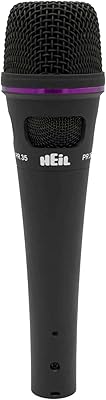
Heil Sound PR 35 Dynamic Microphone
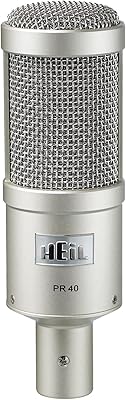
Heil PR 40
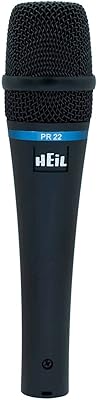
Heil Sound PR 22 UT Dynamic Microphone
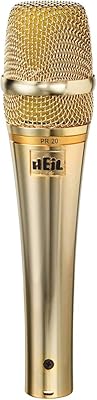
Heil Sound PR20 Gold Dynamic Microphone
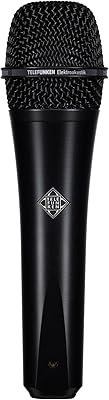
TELEFUNKEN M80 Dynamic Microphone
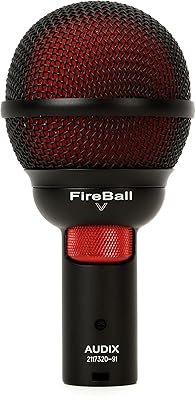
Audix Fireball-V
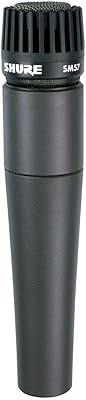
Shure SM57