Overview

The Hawkeye DT1H Handheld Depth Finder sits in a practical middle ground — more capable than a simple bobber-style sonar float, but far less complicated than a mounted chartplotter. Built by NorCross Marine Products, the Hawkeye brand has earned a solid reputation among anglers who need portable sonar they can actually trust on the water. This is a shore-casting and kayak-friendly tool first and foremost; don't expect full navigation features or detailed fish-arch displays. What you do get is a compact, self-contained unit with a 3.5-inch backlit LCD that holds up reasonably well outdoors, though direct midday sun can challenge it. For the price, it punches solidly above its weight class.
Features & Benefits

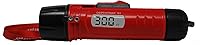
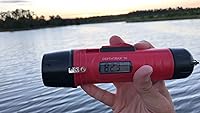
The depth range — from just 2.5 feet down to 300 feet — makes this handheld depth finder useful across a wide variety of fishing environments, from skinny water flats to deeper reservoir ledges. One genuinely handy addition is the dual temperature display, which reads both air and water temp simultaneously. Knowing water temperature helps you figure out where fish are holding without pure guesswork. The unit weighs about a pound and measures roughly 8 inches long, so it slides easily into a tackle bag. It runs entirely on batteries, meaning no boat wiring headaches. The waterproof rating holds to 150 feet of submersion — solid insurance against heavy rain or an accidental dunking, though it is not intended for diving use.

Best For

This portable fish finder is genuinely built for anglers who move around. Shore fishers and pier regulars will appreciate checking depth in seconds without mounting anything permanently. Kayak and canoe anglers are another natural fit — the unit is light enough that you barely notice it in a dry bag. Ice anglers get a useful bonus too: the temperature gauge doubles as a practical reference out on the ice. If you are stepping up from fishing completely blind with no depth knowledge, this is a low-commitment entry point that does not require an hour with the manual. It also travels well for anyone who rotates between multiple lakes or river systems throughout the season.

User Feedback

With a 4.2-star average across more than 400 verified buyers, the Hawkeye sonar unit holds up well in real-world opinion. Common praise centers on accurate depth readings, straightforward operation right out of the box, and build quality that feels honest for the price tier. The criticisms worth noting: some users find the transducer cord on the shorter side, which can feel limiting in certain casting setups, and a handful report that the LCD washes out under harsh direct sunlight despite the backlight. Battery life draws mixed reactions — not a dealbreaker, but carrying a spare set on longer outings is smart advice. The temperature feature earns consistent compliments as a genuinely practical bonus, not filler.

Pros

  • Reads depth accurately from 2.5 to 300 feet, covering most freshwater fishing scenarios cleanly.
  • Zero installation required — batteries in, transducer in water, reading in seconds.
  • Dual air and water temperature display adds genuine fishing intelligence, not just a spec checkbox.
  • Weighs about one pound and fits in a tackle bag without eating up space.
  • Backlit LCD works well in overcast and low-light conditions common during early morning outings.
  • Waterproof construction handles rain and accidental splashes without any special precautions.
  • The Hawkeye DT1H Handheld Depth Finder has earned a 4.2-star average across more than 400 real buyers.
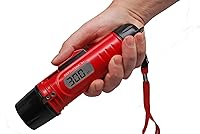
  • No boat power or wiring needed — fully self-contained for shore, kayak, and ice fishing use.
  • Multiple seasons of reliable use reported by long-term owners under regular fishing conditions.
  • Straightforward enough for first-time sonar users to operate confidently without reading a manual.

Cons

  • Transducer cord length restricts casting range, limiting usefulness for shore anglers targeting distant spots.
  • LCD display washes out noticeably under direct, harsh sunlight — a recurring real-world complaint.
  • Battery drain accelerates with continuous use, making spare batteries essential on full-day trips.
  • Cold temperatures during ice fishing sessions reduce both battery life and display responsiveness.
  • Depth readings can become unstable in very shallow water, dense weeds, or fast-moving current.
  • The plastic housing feels noticeably less solid than rubberized alternatives in the same price range.
  • No fish-arch display or target separation — you get depth data only, not fish location detail.
  • Some users experienced transducer or button failures after 12 to 18 months of intensive regular use.
  • This portable fish finder offers no app connectivity, GPS, or wireless features found on newer competitors.
  • Instruction documentation is minimal, leaving beginners to figure out optimal transducer technique on their own.

Ratings

The Hawkeye DT1H Handheld Depth Finder has been scored below using AI analysis of verified global buyer reviews, with spam, incentivized, and bot-generated feedback actively filtered out. Scores reflect a honest composite of real angler experiences — from casual shore fishers to dedicated kayak anglers — capturing both what works reliably and where this portable fish finder falls short in practice.
Depth Reading Accuracy
86%
The vast majority of users report that depth readings are consistent and trustworthy across shallow flats, dock pilings, and lake drop-offs. Anglers frequently note that numbers match up well against known depth markers, building confidence quickly when fishing unfamiliar water.
A subset of users report occasional erratic readings in very shallow water near the 2.5-foot minimum range, particularly over dense vegetation or rocky bottoms. Performance in highly aerated or fast-moving water also drew some complaints about unstable readouts.
Ease of Use
91%
Nearly every buyer mentions how quickly they were up and running — most describe casting the transducer and getting a reading within a couple of minutes of opening the box. There is no complicated menu system to navigate, which is a genuine relief for anglers who just want information fast.
A small number of users wished for a more detailed manual, particularly around transducer positioning technique for optimal accuracy. Those with no prior sonar experience occasionally needed a few trial runs before readings stabilized consistently.
Portability & Form Factor
93%
At roughly one pound and sized to fit in a jacket pocket or small tackle bag, this handheld depth finder genuinely earns its portable label. Kayak anglers in particular appreciate not having to deal with mounting brackets or power cables — just clip it to a lanyard and go.
The plastic housing, while lightweight, does feel somewhat hollow in hand compared to premium handheld devices. A few users noted the overall form factor makes it easy to misplace in a crowded gear bag, suggesting a high-visibility color option would be a welcome addition.
Temperature Feature Usefulness
82%
18%
The dual air and water temperature readout consistently surprises buyers who expected it to feel like a throwaway spec. Experienced anglers use water temp actively to track thermoclines and identify where fish are likely suspended, especially during seasonal transitions.
The temperature sensor response time can lag slightly when moving quickly between water bodies or depths, which a few users noticed when ice fishing and moving holes frequently. It is a useful feature, but not a replacement for a dedicated thermometer if precision timing matters to your technique.
Display Readability
71%
29%
In low-light scenarios — pre-dawn launches, overcast afternoons, or fishing under a dock — the backlit 3.5-inch LCD is genuinely easy to read at a glance. Early morning anglers specifically appreciate not having to squint to check depth before the sun is fully up.
Under direct, harsh sunlight the display washes out noticeably, which is a recurring complaint. Multiple reviewers mention having to cup a hand over the screen mid-cast just to confirm a reading, which is an awkward interruption when you are actively fishing.
Build Quality & Durability
74%
26%
For its price tier, the Hawkeye sonar unit holds together well across typical fishing seasons. Users who have owned theirs for two or more years report no cracking, button failure, or display degradation under regular use including exposure to rain and humidity.
The all-plastic construction does not inspire the same confidence as rubberized competitors, and a few buyers reported cosmetic scuffs and minor creaking after drops on rocky shorelines. It is durable enough for careful users, but those prone to rough handling may find it feels less robust than expected.
Waterproofing Reliability
78%
22%
The unit handles rain, spray, and accidental brief submersions without issue in the overwhelming majority of reports. Anglers fishing from kayaks in choppy conditions or standing in wading situations describe the Hawkeye sonar unit surviving repeated water exposure without degradation.
The 150-foot waterproof rating applies to the device housing under controlled conditions — it is not designed for sustained submersion or diving use, and should not be treated as such. A handful of users who dropped theirs into deeper water for longer periods did report water ingress, so treat that rating as a safety buffer, not an invitation.
Transducer Cable & Casting Setup
62%
38%
For basic dock fishing, shore casting into still water, or lowering the transducer from a kayak hull, the cable length works reasonably well. Users who primarily fish from a stationary position rarely flag it as an issue.
This is one of the more consistent complaints in the review pool. Shore anglers who want to cast the transducer out to a specific spot find the cord too short for a satisfying range, limiting where they can realistically get a reading. It functions well in calm, controlled scenarios but restricts versatility in dynamic fishing situations.
Battery Life
67%
33%
For a half-day or casual afternoon session, battery performance is generally adequate and does not cause significant concern. Users who fish shorter, focused outings rarely raise battery drain as a problem.
Full-day trips draw more mixed feedback, with some anglers reporting noticeable drain after extended continuous use. The consensus advice from experienced owners is to keep a spare set of batteries in the bag — useful guidance that hints at a real limitation rather than a rare edge case.
Value for Money
83%
Buyers consistently describe this portable fish finder as punching above what they expected at its price point. The combination of depth reading, temperature display, and genuine portability in one device feels like a fair trade-off for the cost, especially compared to entry-level alternatives with fewer features.
Anglers who have upgraded from this unit to a mounted fish finder sometimes note that you can feel the compromises — particularly around display quality and cable flexibility — once you have experienced a more capable setup. It is strong value, but not without ceiling.
Setup & First-Use Experience
88%
Reviewers overwhelmingly describe the out-of-box experience as refreshingly simple. Insert batteries, toss the transducer in the water, and you are reading depth — no app pairing, no firmware updates, no registration required. That friction-free setup earns real goodwill from first-time sonar buyers.
Without more detailed guidance on transducer placement angles or ideal cable tension, some beginners went through a brief trial-and-error phase before readings stabilized. A short quick-start guide with visual tips would eliminate most of these early frustrations.
Versatility Across Fishing Scenarios
76%
24%
The Hawkeye sonar unit adapts well to a surprising variety of scenarios — freshwater lakes, saltwater piers, ice fishing holes, and kayak decks. Anglers who rotate between multiple water bodies throughout the year appreciate having a single compact tool that travels without fuss.
It is not built for serious boat fishing where a mounted, higher-resolution unit would outperform it significantly. Users who expected it to replace a full boat sonar setup were disappointed, which speaks more to misaligned expectations than to the product failing on its own terms.
Ice Fishing Performance
73%
27%
Ice anglers who use this as a secondary depth and temperature tool report solid performance for checking hole depth quickly and monitoring water temperature through the ice season. The battery-only design is actually an advantage here, removing any dependency on boat power in freezing conditions.
Cold temperatures noticeably affect battery performance, as multiple ice fishing users mention shorter effective use time in sub-freezing environments. The display also becomes slightly less responsive in extreme cold, which can slow down a drill-and-move ice fishing workflow.
Long-Term Reliability
77%
23%
A meaningful portion of reviews come from users who have owned the unit for multiple seasons, and most describe it as still functioning accurately after years of regular use. That kind of longevity is worth noting for a battery-powered plastic device in a demanding outdoor environment.
There is a visible tail of reviews from users who experienced transducer failure or button unresponsiveness after 12 to 18 months of heavy use. It is not a majority experience, but it is frequent enough to suggest that intensive daily users may encounter wear issues sooner than occasional anglers.

Suitable for:

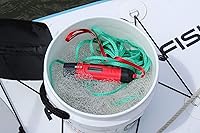
The Hawkeye DT1H Handheld Depth Finder is a natural fit for anglers who want reliable sonar without the commitment of a permanently mounted unit. Shore fishers and pier anglers get immediate value — just toss the transducer in the water and you have a depth reading in seconds, no installation required. Kayak and canoe paddlers will appreciate the one-pound weight and pocket-friendly size, since every ounce matters on a small hull and nobody wants to drill mounting holes into a rental kayak. Ice anglers can use it as a practical secondary tool, combining the depth readout with the water temperature display to read conditions through the ice. It also makes an honest first sonar device for beginners who are stepping up from fishing completely blind — the controls are simple enough that there is virtually no learning curve, and the price point means the risk of trying it is low.
Not suitable for:

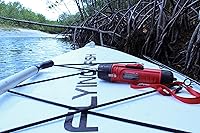
Anglers who rely on sonar as a primary navigation and fish-targeting tool on a motorized boat should look elsewhere — the Hawkeye DT1H Handheld Depth Finder is not a substitute for a mounted, high-resolution unit with fish-arch display and GPS integration. If you spend full days on the water and expect a single battery load to last without interruption, you may find yourself frustrated mid-session. The transducer cord length is a genuine constraint for shore anglers who want to cast the sensor out to a specific zone rather than simply lowering it below their position. Anyone fishing in extremely bright, open sunlight conditions will also need to manage the display washout issue, which is more than a minor inconvenience when you are actively working a spot. Serious tournament anglers or those targeting precise structure in deep water will quickly outgrow what this portable fish finder is designed to deliver.
Specifications

  • Brand: Manufactured by NorCross Marine Products under the Hawkeye brand, a company with a focused history in handheld sonar devices.
  • Model: Model designation is DT1H, a handheld depth and temperature finder within the Hawkeye lineup.
  • Depth Range: Measures water depth from a minimum of 2.5 feet up to a maximum of 300 feet.
  • Dimensions: The unit body measures 8″ long by 2″ wide by 2″ tall, designed to fit comfortably in one hand.
  • Weight: The device weighs approximately 1 pound, making it practical for shore fishing, kayak use, and ice fishing carry.
  • Display: Features a 3.5-inch backlit LCD screen for depth and temperature readouts, with backlighting intended for low-light visibility.
  • Temperature: Simultaneously displays both air temperature and water temperature, helping anglers monitor conditions and locate thermoclines.
  • Power Source: Runs entirely on standard replaceable batteries with no rechargeable battery or external power connection required.
  • Waterproofing: The housing is waterproof rated to a depth of 150 feet, providing protection against rain, spray, and accidental submersion.
  • Material: The outer housing is constructed from plastic, keeping overall unit weight low while offering basic impact resistance.
  • Style: Designed as a fully handheld, self-contained unit requiring no permanent mounting hardware or boat power connection.
  • Package Size: The retail package measures 9.92″ x 7.05″ x 2.64″ and weighs approximately 0.46 kilograms including packaging.
  • In the Box: Package includes the DT1H handheld unit; additional accessories such as a carry case or lanyard are not confirmed in the listing.
  • Sonar Type: Uses single-beam sonar transmitted via a wired transducer that is cast or lowered into the water.
  • Display Type: LCD display technology with backlight support, providing numeric depth and temperature readouts rather than graphical fish-arch imagery.
  • First Available: The DT1H model was first made available on Amazon in April 2017, indicating a product with several years of field-tested performance data.
  • User Rating: Holds a 4.2-out-of-5-star average rating based on more than 425 verified buyer reviews on Amazon.
  • Best Seller Rank: Ranked within the top 70 products in the Fish Finders and Depth Finders category on Amazon at the time of listing review.
  • Warranty: A manufacturer warranty is listed by NorCross Marine Products, though specific coverage terms and duration are not detailed in the product listing.
  • Suggested Use: Intended for freshwater and saltwater fishing scenarios including shore casting, kayak fishing, dock fishing, and ice fishing applications.

Related Reviews
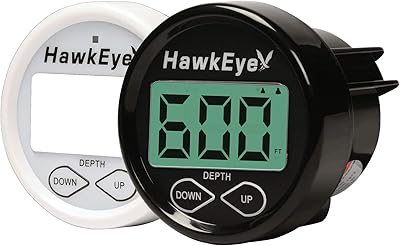
Hawkeye DepthTrax 2B In-Dash Depth Finder
80%
86%
Depth Reading Accuracy
83%
Performance at Speed
88%
Installation Ease
69%
Display Clarity
74%
Warning System Reliability
More
HawkEye Fishtrax 1C Fish Finder
83%
91%
Portability
87%
Sonar Accuracy
89%
Ease of Use
72%
Screen Size
68%
Battery Life
More
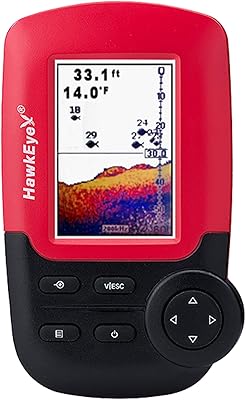
Atibin Handheld Portable Fish Finder
69%
88%
Portability & Form Factor
84%
Ease of Setup
76%
Sonar Accuracy (Shallow Water)
51%
Sonar Accuracy (Deep Water)
58%
Screen Legibility
More
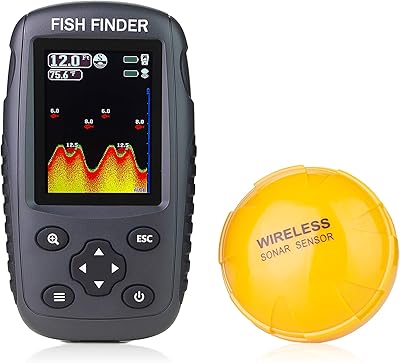
Lixada Wired Fishing Finder Sonar Sensor
70%
88%
Ease of Setup
76%
Display Clarity
63%
Depth Detection Accuracy
72%
Bottom & Structure Detection
58%
Audible Fish Alarm
More
Garmin Alpha 10 Handheld
86%
93%
Tracking Accuracy
89%
Battery Life
91%
Range/Connectivity
87%
Ease of Use
85%
Build Quality/Durability
More
FYSCKEJI Smart Card Android Wallet Tracker
79%
91%
Ease of Setup
88%
Google Find Hub Integration
72%
Bluetooth Range
78%
Speaker Volume & Audibility
83%
Battery Life
More
Uniden BCD325P2 Handheld Digital Trunking Scanner
74%
91%
Signal Reception
47%
Ease of Setup
88%
Digital Trunking Performance
74%
GPS Location Scanning
86%
Portability & Form Factor
More
Garmin PRO 550 Handheld
85%
94%
Battery Life
91%
Range
89%
Ease of Use
86%
Build Quality
83%
Control Options
More
Venterior VT-FF005 Portable Castable Fish Finder
80%
91%
Ease of Setup
78%
Sonar Accuracy
84%
Display Readability
77%
Wireless Range & Connectivity
73%
Battery Life
More
Deeper START Castable Fish Finder
75%
88%
Ease of Setup
93%
Portability & Form Factor
67%
App Experience
71%
Sonar Accuracy & Fish Detection
76%
Battery Life
More

FAQ

It shows numeric depth readings only — there is no graphical fish-arch display or target separation on this unit. If you need to see individual fish icons or arches on a screen, you would need to step up to a more advanced sonar with fish ID technology. That said, knowing the bottom depth accurately is often all you need to position yourself correctly over structure.

Both methods work, but the transducer cord length limits how far you can cast it, so most users lower it directly off the side of a kayak, dock, or through an ice hole rather than casting it to a distant spot. Shore anglers who want to read depth at a specific casting distance will find the cord restrictive. For stationary use over a known spot, it performs well.

The listing does not specify the exact battery type, so confirm this in the included documentation when your unit arrives. Battery life is generally sufficient for a half-day outing at normal use, but multiple buyers recommend keeping a spare set in your tackle bag for full-day trips, especially in cold weather where battery drain accelerates noticeably.

Yes, and this is actually one of its strongest use cases. The unit is completely handheld and self-contained, so you just hold it or clip it to a lanyard while you lower the transducer over the side. No drilling, no mounting hardware, and no wiring to your kayak at all — which is exactly why kayak anglers consistently recommend it.

The housing is rated waterproof to 150 feet of submersion, which is a meaningful level of protection. In practical terms, it will handle heavy rain, paddle splash, and accidental drops into shallow water without issue. That said, this rating is a protection specification for the housing — it is not designed to be used underwater, and extended submersion in deeper water is not advised.

Yes, it works well as a secondary ice fishing tool. You lower the transducer through the drilled hole to get a quick depth reading, and the water temperature display gives you useful thermal data for that session. Just be aware that cold temperatures will shorten battery life, so bring spares, and the display may feel slightly sluggish in extreme cold.

This is a genuine limitation worth knowing upfront. The backlit LCD reads well in overcast conditions and low light, but in direct, harsh sunlight it can wash out enough that you need to shade the screen with your hand to see it clearly. It is a recurring note from real buyers, not an edge case — if you fish mostly in open, sunny environments this will be a regular inconvenience.

It is genuinely useful if you know how to apply it. Water temperature helps you understand where fish are likely holding — warmer surface layers versus cooler thermoclines — and knowing both air and water temp together helps you time your outings during seasonal transitions. Experienced anglers consistently praise this feature as a practical bonus, not marketing filler.

Yes, the unit functions in both fresh and saltwater environments. The waterproof housing provides adequate protection against saltwater exposure, though as with any electronics used in marine environments, rinsing it with fresh water after saltwater use is a good habit to extend longevity and prevent corrosion around seams and the battery compartment.

The specified minimum depth is 2.5 feet, but real-world accuracy near that lower limit can vary. A few users report that readings become inconsistent in very shallow water, particularly over weedy or rocky bottoms where the sonar signal reflects unpredictably. For depths of 5 feet and beyond, the handheld sonar unit performs reliably across a wide range of bottom types.

Where to Buy