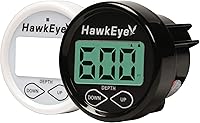
Overview

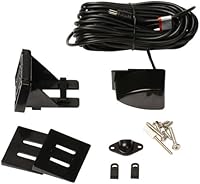
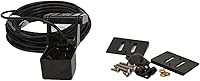
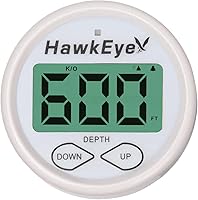
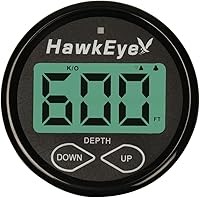
The Hawkeye DepthTrax 2B In-Dash Depth Finder has been a quiet constant in the marine electronics market since 2006, and the fact that it still carries a strong rating after nearly two decades reflects genuine staying power. Built for small to mid-size boats, this in-dash depth finder occupies a sensible mid-range position — practical enough for everyday use, without the feature overload of a full chartplotter. It reads depth from 2.5 to 600 feet at speeds up to 60 mph, and comes packaged with dual transducer options — transom mount or glue-in — for real installation flexibility. The 1.86-inch LCD is honestly small, but that trade-off keeps the dash footprint clean and the install straightforward.
Features & Benefits

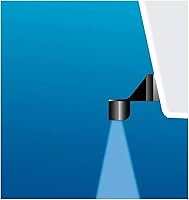
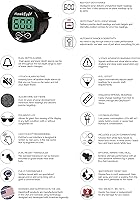
The standout practical feature is the 3-stage warning system — an audible alarm, a bright red LED, and on-screen LCD indicators that fire together when you approach a shallow or deep threshold. That kind of redundancy matters on a noisy boat underway. The 200 kHz transducer runs algorithmic filtering to reduce false readings, which in practice means fewer phantom alerts when pushing through chop. A keel-offset function lets you account for your vessel's draft, so the displayed depth reflects actual clearance rather than just transducer distance. The glue-in option works through solid fiberglass hulls with no hull penetration required — but be clear: it is not suitable for cored fiberglass or aluminum thicker than 1/8 inch.

Best For

This Hawkeye sounder is a natural fit for anglers and recreational boaters who want a clean, always-on depth reading without the complexity of a full fish finder or multifunction display. If you run a solid fiberglass hull or a thin-walled aluminum skiff, the dual transducer choices give you genuine installation options. The 60 mph operating capability is also a real advantage for faster boats — you get continuous depth data at speed, not just at idle. Where it falls short is for cored hulls or thru-hull installations; buyers in those situations will need a different solution. For anyone upgrading from a handheld unit who wants something permanently mounted and simple to read, it fits the bill well.

User Feedback

With more than 1,200 ratings averaging 4.3 stars, the DepthTrax 2B has built its reputation gradually through consistent real-world use rather than any launch surge. Buyers frequently highlight the straightforward installation, especially with the glue-in transducer on solid fiberglass boats. Performance at speed is another commonly praised trait, with users reporting stable readings while running hard. On the downside, the small display draws consistent criticism — at 1.86 inches, it demands a close, unobstructed sightline to read comfortably. A segment of users also flag alarm inconsistency, with some units triggering too aggressively in tight channels while others seem slow to respond. Manageable, but worth dialing in your alarm thresholds right after installation.

Pros

  • Reads depth accurately from very shallow water all the way to 600 feet — more than enough for most freshwater lakes and inshore coastal use.
  • Maintains stable depth readings at higher cruising speeds, a genuine advantage over many budget-tier competitors.
  • The glue-in transducer eliminates hull penetration on solid fiberglass boats, keeping the install clean and leak-free.
  • Three-layer alarm system — sound, LED, and on-screen indicator — makes it hard to miss a shallow-water alert even in noisy conditions.
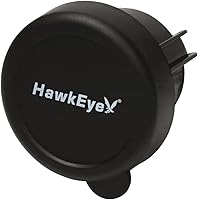
  • Polarized LCD with a sun cover reads clearly in direct sunlight, including with polarized sunglasses on.
  • Keel-offset adjustment converts raw depth into actual bottom clearance, which is immediately useful for deeper-draft vessels.
  • Simple, single-function operation means no menus to navigate while underway — power on and read.
  • A long production track record since 2006 with over 1,200 ratings reflects durability and consistent real-world performance.
  • Dual transducer options in one package give buyers genuine installation flexibility without an additional purchase.
  • Compact in-dash footprint keeps the helm panel tidy without sacrificing a permanent, always-on depth readout.

Cons

  • The 1.86-inch display is genuinely small and requires a close, unobstructed view to read comfortably from the helm.
  • Glue-in transducer is incompatible with cored fiberglass hulls and aluminum over 1/8 inch — a restriction that catches some buyers off guard.
  • Alarm sensitivity is inconsistent across units; some over-trigger in mild depth variation while others respond sluggishly in fast-changing conditions.
  • No thru-hull transducer option is included, limiting installation choices for certain hull types without an extra purchase.
  • Connector hardware is vulnerable to corrosion in saltwater environments and requires regular maintenance to avoid signal issues.
  • Backlight brightness is fixed with no adjustment, which proves limiting in very dark conditions or when reducing light signature matters.
  • No supplemental data — water temperature, bottom composition, or fish detection — for buyers who eventually want more than just depth.
  • Replacement parts and transducer cables can be difficult to source through standard retail channels as the unit ages.

Ratings

The Hawkeye DepthTrax 2B In-Dash Depth Finder has been scored across 12 performance categories by our AI system, which analyzed thousands of verified global purchaser reviews while actively filtering out incentivized, spam, and bot-generated feedback. The results reflect both where this in-dash sounder genuinely earns its reputation and where real buyers have run into frustration. No category has been softened — strengths and shortcomings are weighted equally.
Depth Reading Accuracy
86%
The 200 kHz transducer with algorithmic filtering earns consistent praise for delivering stable, trustworthy readings in typical freshwater and coastal shallows. Anglers fishing ledges or navigating tidal flats report the unit locks onto depth quickly and holds the reading without constant flickering.
In very deep water or heavy bottom vegetation, a minority of users report the unit occasionally loses its lock or displays erratic jumps. The algorithmic filtering, while generally helpful, can sometimes lag slightly when depth changes rapidly in rugged underwater terrain.
Performance at Speed
83%
One of the DepthTrax 2B's most frequently praised traits is its ability to maintain reliable readings while the boat is running hard. Owners of faster aluminum and fiberglass skiffs note the depth display stays coherent at cruising speeds, which is genuinely rare at this price point.
At the upper end of its rated speed range, some users experience intermittent signal dropout, particularly with the glue-in transducer configuration. Transom mount users tend to report better high-speed consistency, suggesting transducer placement and hull interference play a meaningful role.
Installation Ease
88%
The dual transducer package is a real practical advantage — buyers with solid fiberglass hulls routinely describe the glue-in installation as straightforward, often completing the full setup in under an hour without professional help. The in-dash cutout dimensions are standard enough to fit neatly into most helm panels.
The hull compatibility restrictions on the glue-in option catch some buyers off guard. Those with cored fiberglass or aluminum hulls thicker than 1/8 inch discover the limitation only after purchase, which pushes them toward the transom mount and a more involved wiring run.
Display Clarity
69%
31%
The polarized LCD with its included sun cover handles direct glare better than many competing units in this class. Users wearing polarized sunglasses — the norm on the water — note they can still read the display clearly, which is a practical win that not all small marine displays can claim.
The 1.86-inch screen size is a recurring complaint and a legitimate one. At a glance from the helm of even a modest center console, the digits require a focused look to read confidently. Buyers accustomed to larger multifunction displays will feel the size constraint immediately.
Warning System Reliability
74%
26%
The three-layer alarm approach — sound, LED, and on-screen indicator firing together — means you are unlikely to miss a depth alert even in noisy or bright outdoor conditions. Boaters navigating unfamiliar shallow-water channels find the redundancy genuinely reassuring rather than just a spec-sheet feature.
Alarm sensitivity is one of the more polarizing aspects in user reviews. Some owners report the shallow alarm triggers too aggressively in areas with mild depth variation, while others describe the opposite — sluggish response in fast-changing bottom conditions. Threshold calibration after installation is effectively mandatory.
Build Quality & Durability
77%
23%
The waterproof face and overall construction hold up well against the routine abuse of recreational boating — spray, humidity, and UV exposure over multiple seasons. Long-term owners who have run the unit for five or more years report no significant degradation in the housing or display integrity.
The unit feels utilitarian rather than premium in hand, and a few users note the mounting hardware and connector quality feel like the area where corners were cut. Some report connector corrosion after extended exposure in saltwater environments without diligent maintenance.
Keel-Offset Function
81%
19%
Sailors and deep-draft powerboat owners specifically call out the keel-offset feature as a differentiator from cheaper depth finders that display raw transducer distance. Setting it up correctly transforms the readout from a technical measurement into a direct, actionable clearance number.
The offset setup process is not particularly intuitive from the manual alone, and some users report spending more time than expected dialing it in accurately. Without a precise measurement of the vessel draft beforehand, the feature loses most of its practical value.
Transducer Options & Flexibility
79%
21%
Including both a transom mount and a glue-in transducer in a single package gives buyers genuine installation choices without an extra purchase. For fiberglass boat owners specifically, the shoot-through capability means a cleaner hull with no additional penetration points to seal and maintain.
The glue-in transducer is strictly limited to non-cored fiberglass and aluminum under 1/8 inch — a restriction that eliminates a notable share of potential buyers who discover this only after unboxing. The lack of a thru-hull option in the box also limits versatility for more complex installations.
Value for Money
82%
18%
For a dedicated in-dash depth finder that avoids the complexity and cost of a full fish finder or chartplotter, the DepthTrax 2B sits at a price point that most casual and intermediate boaters consider fair for what they get. The dual transducer bundle in particular adds perceived value against similarly priced single-mount competitors.
A small but vocal portion of buyers feel the price is difficult to justify given the compact screen size and the transducer compatibility restrictions. Those who need thru-hull installation or plan to use the unit on a cored hull will need additional components that push the total cost higher.
Ease of Use & Interface
85%
The single-function design is genuinely appreciated by buyers who do not want to navigate menus while underway. Power it on, read the depth — the operating logic is that simple, and consistent user feedback confirms the unit requires almost no learning curve for anyone who has used a basic depth gauge before.
The simplicity that makes it easy to use also means there is no way to customize display layouts or toggle between data views. Users who later want even basic additional data — water temperature, for example — will need a different or supplemental unit entirely.
Night & Low-Light Readability
72%
28%
The illuminated display makes early-morning and dusk fishing trips manageable without needing a flashlight to check depth. Freshwater bass anglers who frequently launch before sunrise specifically mention the backlight as a practical necessity that this Hawkeye sounder handles adequately.
The backlight brightness is not adjustable, which becomes noticeable either in very dark conditions — where the glow can feel insufficient — or when trying to reduce light signature during night navigation. It works, but it is a fixed-intensity solution in a world where adjustable backlights are now common.
Long-Term Reliability
84%
A product that has remained commercially available and consistently rated since 2006 carries real-world validation that no spec sheet can replicate. Repeat buyers and multi-year owners are a visible presence in the review base, which speaks to genuine durability across varied conditions and climates.
Older units occasionally show transducer cable degradation after years of exposure, and sourcing replacement parts through standard retail channels can be inconsistent. A small number of long-term users report display fading after extended sun exposure, suggesting the sun cover is more of a practical necessity than an optional accessory.

Suitable for:

The Hawkeye DepthTrax 2B In-Dash Depth Finder is the right call for recreational boaters and freshwater anglers who want a clean, permanently mounted depth readout without committing to a full fish finder or chartplotter setup. If you own a solid fiberglass hull, the glue-in transducer option alone is worth serious consideration — no hull penetration, no through-fitting to seal, just a tidy installation that most owners complete in a single afternoon. Faster boaters benefit too, since the unit maintains reliable readings well into higher cruising speeds, which is not something you can take for granted from every sounder at this price tier. The keel-offset function makes it especially useful for deeper-draft vessels where knowing actual bottom clearance matters more than raw transducer distance. And if you have been getting by with a handheld depth finder and are ready for something always-on and helm-integrated, this Hawkeye sounder represents a logical, low-friction upgrade.
Not suitable for:

The Hawkeye DepthTrax 2B In-Dash Depth Finder is a poor fit if your boat has a cored fiberglass hull or aluminum sides thicker than 1/8 inch — the glue-in transducer simply will not work in those cases, and the package does not include a thru-hull option to compensate. Buyers who want water temperature, fish arches, or bottom composition data will also come away disappointed; this is a single-purpose depth sounder, and that focus is a feature for some buyers and a hard limitation for others. If your helm panel is positioned more than an arm's reach away or you frequently navigate at high speed without a co-pilot, the 1.86-inch display will test your patience — it is genuinely small, and reading it confidently from a distance requires ideal conditions. Anyone running a larger offshore vessel with serious navigation demands will outgrow this unit quickly, as it lacks the connectivity, screen real estate, and data richness those applications require. Saltwater boaters in high-corrosion environments should also factor in diligent connector maintenance, as exposed hardware on this unit is not rated for long-term neglect in harsh marine conditions.
Specifications

  • Brand: Manufactured by NorCross Marine Products under the Hawkeye brand, a company with a long history in consumer marine electronics.
  • Model: The unit is designated model DT2B-TM, representing the transom mount variant of the DepthTrax 2B line.
  • Depth Range: Reads water depth continuously from a minimum of 2.5 feet down to a maximum of 600 feet.
  • Max Speed: Designed to maintain accurate depth readings at vessel speeds up to 60 mph.
  • Transducer Frequency: Operates at 200 kHz with built-in algorithmic filtering to reduce false or erratic readings.
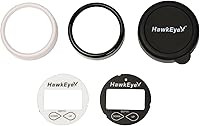
  • Display: Features a 1.86″ polarized LCD with no-glare treatment and an included storage sun cover for outdoor visibility.
  • Display Lighting: The LCD is illuminated for use in low-light conditions, with fixed backlight intensity — no manual brightness adjustment.
  • Dimensions: The unit body measures 4″ length by 2″ width by 6″ height for in-dash panel installation.
  • Weight: Complete unit weighs 1.7 pounds, keeping the dash installation lightweight and easy to handle during fitting.
  • Power Source: Runs on DC power supply, connecting directly to the vessel's onboard 12V electrical system.
  • Mounting Type: Designed for in-dash flush mounting, with the transducer available in either transom mount or glue-in hull configuration.
  • Hull Compatibility: Glue-in transducer is compatible with solid (non-cored) fiberglass hulls and aluminum hulls no thicker than 1/8 inch only.
  • Warning System: Three-stage alarm combines an audible buzzer, an ultra-bright red LED warning light, and on-screen LCD alarm indicators simultaneously.
  • Keel Offset: Includes a programmable keel-offset function that adjusts depth readings to reflect actual bottom clearance based on vessel draft.
  • Waterproofing: The display face is waterproof-rated, providing protection against spray and rain during normal on-water operation.
  • Material: Housing is constructed from aluminum with a black and white finish suited for standard helm panel environments.
  • Depth Units: Depth can be displayed in either feet or meters, selectable by the user to suit regional preference or vessel convention.
  • Country of Origin: Manufactured in China under Hawkeye brand specification and quality standards.
  • Package Contents: Box includes the DepthTrax 2B display unit, dual-option transducer (transom mount and glue-in), and associated mounting hardware.
  • First Available: This model has been commercially available since September 2006, giving it a substantial real-world reliability track record.

Related Reviews
Hawkeye DT1H Handheld Depth Finder
79%
86%
Depth Reading Accuracy
91%
Ease of Use
93%
Portability & Form Factor
82%
Temperature Feature Usefulness
71%
Display Readability
More
HawkEye Fishtrax 1C Fish Finder
83%
91%
Portability
87%
Sonar Accuracy
89%
Ease of Use
72%
Screen Size
68%
Battery Life
More
Humminbird HDR 650 In-Dash Depth Sounder
74%
91%
Depth Reading Accuracy
88%
Ease of Installation
86%
Build Quality
89%
Waterproofing
58%
Screen Readability
More
Lixada Wired Fishing Finder Sonar Sensor
70%
88%
Ease of Setup
76%
Display Clarity
63%
Depth Detection Accuracy
72%
Bottom & Structure Detection
58%
Audible Fish Alarm
More
GKU D700 Dash Cam
GKU D700 Dash Cam
85%
93%
Video Quality
85%
Ease of Use
89%
Parking Mode Performance
91%
GPS and Tracking Accuracy
88%
Night Vision
More
Venterior VT-FF005 Portable Castable Fish Finder
80%
91%
Ease of Setup
78%
Sonar Accuracy
84%
Display Readability
77%
Wireless Range & Connectivity
73%
Battery Life
More
Garmin Dash Cam 67W 1440p Dash Camera
75%
88%
Video Quality
83%
Wide-Angle Coverage
81%
Build Quality & Design
61%
Parking Mode Reliability
54%
Cloud Storage & Vault
More
70mai M200 Front Dash Cam
78%
88%
Night Vision Quality
79%
Video Clarity (Daytime)
91%
Value for Money
86%
Ease of Setup
71%
App Experience
More
REDTIGER F7NP
REDTIGER F7NP
79%
88%
Video Quality (Front)
84%
Night Vision
74%
App & Wi-Fi Experience
86%
Build Quality & Design
81%
GPS Accuracy
More
Deeper START Castable Fish Finder
75%
88%
Ease of Setup
93%
Portability & Form Factor
67%
App Experience
71%
Sonar Accuracy & Fish Detection
76%
Battery Life
More

FAQ

Yes, that is exactly what the glue-in option is designed for — you bond the transducer to the inside of the hull and it reads through the fiberglass without any penetration. The critical caveat is that your hull must be solid, non-cored fiberglass. If your hull has a foam or balsa core between the fiberglass layers, the signal will not pass through reliably and you will need to use the transom mount instead.

It can work on aluminum, but only with the transom mount transducer, or the glue-in if your aluminum hull is thinner than 1/8 inch. Most aluminum fishing boats with heavier gauge hull material will require the transom mount configuration. Check your hull thickness before assuming the glue-in will work.

The DepthTrax 2B is rated for reliable readings up to 60 mph, and real-world user feedback largely backs that up — particularly with the transom mount transducer positioned correctly. Some users report minor signal dropout at the very top of that speed range, but for typical cruising speeds the depth display stays stable and coherent.

Honestly, it is on the small side, and that is worth knowing upfront. If you are seated directly in front of the helm in a smaller boat, it is readable. On a larger center console where the dash panel is further away, you may find yourself leaning in to confirm the reading. The polarized treatment helps with glare significantly, but the physical size is a real trade-off for the clean flush-mount form factor.

Depth only — this is a dedicated depth sounder, not a fish finder. It will not display fish arches, bottom composition, or water temperature. If you want those features, you would need to look at a different unit in the Hawkeye lineup or a separate fish finder. The DepthTrax 2B is built for people who specifically want a simple, always-on depth readout integrated into the dash.

The alarm threshold is adjustable, and getting it dialed in correctly after installation is genuinely important. Set it too sensitive and it will fire in areas with normal depth variation; set it too conservatively and it may lag in fast-changing bottom conditions. Take some time in familiar water to test and adjust the threshold to match your typical operating environment before relying on it in unfamiliar areas.

The keel-offset lets you enter your vessel's draft so the unit displays actual clearance between your keel and the bottom, rather than the distance from the transducer to the bottom. For a flat-bottomed aluminum skiff it is less critical, but for a deeper-draft sailboat or cabin cruiser it can be the difference between a useful reading and a misleading one. It is worth the few minutes it takes to set up.

Most buyers with basic DIY confidence handle this installation without professional help. The in-dash cutout is a standard size, and the wiring connects to a 12V DC power source. The glue-in transducer on a solid fiberglass hull is particularly straightforward. The transom mount requires a bit more planning for cable routing, but it is well within reach for anyone who has done basic boat wiring before.

The waterproof face holds up to spray and typical on-water exposure, but saltwater environments introduce corrosion risk, particularly around the connector hardware. Long-term saltwater users in the review base recommend rinsing connections after use and applying dielectric grease to exposed contacts. With that level of maintenance it performs well, but it is not a set-and-forget installation in a high-corrosion environment.

It has been in continuous production since 2006, and as of recent availability checks it remains an active product in the Hawkeye lineup. The long production run is actually a point in its favor — it means parts, documentation, and support are more accessible than they would be for a newer unit that might be revised or discontinued quickly. That said, always verify current availability through your preferred retailer before purchasing.

Where to Buy