Overview

The Humminbird HDR 650 In-Dash Depth Sounder is a compact, panel-mounted marine instrument from one of the most recognized names in fish finder technology. Available since 2004 and now discontinued, it is the kind of legacy unit you track down through third-party sellers because it still does exactly what it promises. The 2.5-inch bezel slots cleanly into standard dash cutouts, and the kit includes a transom mount transducer and all necessary mounting hardware. Just be clear on what this is: a dedicated digital depth reader, not a chartplotter or fish finder. Simple, focused, and built for boaters who want one thing done right.

Features & Benefits

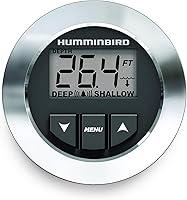
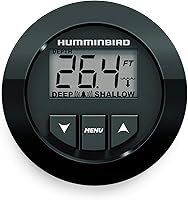
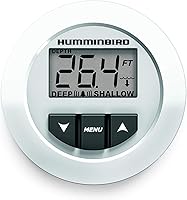
The HDR 650 keeps things practical. The 1.25-inch LCD is small, but for a dash-mounted depth gauge, that is the point — a quick glance while running tells you what you need to know. The unit is waterproof, which should be a given for marine electronics but is worth confirming before you mount anything permanently into a dash. It fits standard 2.5-inch cutouts, installs with the included hardware, and offers white, black, or chrome bezels to match your existing dash. Button controls are intuitive with no menu maze to navigate. Wireless connectivity is listed in the specs, though the real workhorse here is the wired sonar system.

Best For

This in-dash unit is built for boaters who want a dedicated depth instrument mounted flush in the dash rather than clipping a portable unit somewhere it does not belong. It is particularly well-suited to smaller fishing boats and skiffs where dash real estate is limited and a full chartplotter would be overkill. Owners restoring vintage hulls or upgrading an older console will appreciate that it fits a standard cutout without custom fabrication. The honest caveat: because this depth sounder is discontinued, buying it means shopping secondary markets. If you are comfortable with that and want a simple, proven instrument from a brand with a long track record, it holds up.

User Feedback

Across more than 350 ratings, this depth sounder sits at 4.5 stars — a score that holds up even given its age. Buyers consistently highlight how straightforward the installation is and how accurate depth readings are from the first time out on the water. On the downside, a handful of users flag the small screen as hard to read in direct sunlight, which is a fair criticism for any compact LCD in a marine setting. The discontinued status comes up repeatedly, with some buyers noting difficulty finding units in good condition. On the whole, build quality and waterproofing earn repeated praise from owners who have run this unit across multiple seasons.

Pros

  • Accurate digital depth readings that lock on quickly and stay reliable across a full season of use.
  • Standard 2.5-inch panel-mount design drops into most existing dash cutouts without custom work.
  • Ships complete with a transom mount transducer and all mounting hardware — no extra purchases needed.
  • Waterproof construction that has proven itself through years of spray, rain, and open-water exposure.
  • Button-based controls are intuitive enough that there is no learning curve, even for less tech-savvy boaters.
  • Multiple bezel and faceplate color options make it easier to match your existing dash layout.
  • Lightweight at under 12 ounces, so it adds virtually nothing to your overall boat setup.
  • A long track record of positive owner feedback spanning well over a decade of real-world use.

Cons

  • Screen washes out badly in direct sunlight, making depth readings hard to see on open-water days.
  • Discontinued by the manufacturer, meaning no official support, service, or warranty for most buyers.
  • Secondary market sourcing is hit or miss — unit condition and seller reliability vary significantly.
  • No depth alarm, advanced display settings, or meaningful customization for users who want more control.
  • Transducer placement requires trial and error on certain hull types to get a clean, consistent signal.
  • At higher speeds, the transom mount transducer can lose signal due to air bubble ventilation.
  • The aging LCD display looks noticeably dated next to modern marine electronics on newer boat consoles.
  • Long-term parts availability is essentially zero, so any hardware failure is likely a permanent end-of-life scenario.

Ratings

The Humminbird HDR 650 In-Dash Depth Sounder has been scored by our AI system after analyzing hundreds of verified buyer reviews from global sources, with spam, bot activity, and incentivized feedback actively filtered out. What remains is a candid picture of real on-water experience — where this unit genuinely delivers and where it falls short. Both strengths and frustrations are reflected honestly in the scores below.
Depth Reading Accuracy
91%
Buyers consistently report that depth readings are reliable and responsive across a range of water conditions, from shallow inland lakes to deeper coastal flats. The sonar locks on quickly after launch, and most users find the digital readout matches their expectations without needing constant recalibration.
A small number of users note occasional inconsistencies in very shallow or weedy water, where transducer placement becomes critical. This is largely an installation variable rather than a unit defect, but it does require some trial and error to optimize.
Ease of Installation
88%
The included mounting hardware and transom mount transducer mean most boaters can complete the installation without a trip to the marina. The standard 2.5-inch bezel fits a huge range of existing dash cutouts, which makes retrofitting into older consoles surprisingly straightforward.
Wiring routing can be fiddly on smaller boats with limited under-dash space, and the instructions leave some gaps that less experienced installers will notice. A few buyers wished the manual included clearer guidance on transducer positioning for different hull types.
Build Quality
86%
Multiple reviewers specifically mention this unit surviving years of hard use — rain, spray, and prolonged sun exposure — without showing signs of failure. The housing feels solid, and the buttons retain their tactile response even after extended outdoor exposure.
The bezel and faceplate, while offered in multiple colors, feel like lighter plastic compared to more recent marine instruments. Some owners of boats with premium dash finishes find the material looks a touch dated next to modern gauges.
Waterproofing
89%
For a panel-mounted marine instrument, waterproofing is non-negotiable, and this depth sounder delivers. Owners running open fishing boats in choppy conditions report no water intrusion issues, even after seasons of exposure to heavy spray and rain.
Waterproofing performance over very long periods — five years or more — is harder to verify given the discontinued status and aging unit pool. A few buyers purchasing older used units have noted seal degradation, which is more about age than design.
Screen Readability
58%
42%
In overcast conditions or shaded dash environments, the 1.25-inch LCD is perfectly adequate for a quick depth check while underway. The digital readout is clean and the numbers are large enough relative to the screen size to read at a glance.
Direct sunlight is a real problem. Multiple reviewers flag that the screen washes out on bright days, making it difficult to read without physically shielding the display. For boaters who fish in open water under full sun, this is a practical limitation that should factor into the buying decision.
Value for Money
77%
23%
For a dedicated in-dash depth gauge from a reputable brand, the price point is reasonable given what you get out of the box, including transducer and mounting hardware. Buyers who need only depth data — not charts or sonar imaging — find it a cost-effective solution.
The discontinued status complicates value assessment. Prices on secondary markets can vary wildly, and paying a premium for an aging unit with no manufacturer support gives some buyers reasonable pause. Comparable new units from other brands may offer better long-term value.
Interface & Ease of Use
83%
Button-based controls with no complex menus mean virtually anyone can operate this unit after a few minutes. Experienced boaters appreciate that it does not demand their attention — you set it and check it, rather than manage it.
The simplicity that makes it easy to use also means there is little room for customization or adjustment. Users who want adjustable depth alarms, units switching, or display preferences may find the feature set limiting compared to newer instruments.
Transducer Performance
79%
21%
The included transom mount transducer performs well for the unit's intended purpose, picking up bottom contours reliably across typical freshwater and inshore saltwater environments. Most users install it and forget it, which is exactly what you want from a bundled transducer.
The transom mount design is not ideal for every hull type, and buyers with fiberglass hulls that are better suited to through-hull transducers may see slightly degraded signal quality. The bundled transducer is functional but not high-performance by current standards.
Dash Fit & Aesthetics
74%
26%
The choice of white, black, or chrome bezels and two faceplate colors gives enough flexibility to blend into most boat dash setups. The circular panel-mount format is a clean, traditional look that suits fishing and utility boats well.
On newer boats with modern dash layouts or digital gauge clusters, the HDR 650 can look noticeably dated. The LCD display lacks the crispness of contemporary instruments, and the bezel styling has not aged as gracefully as the underlying technology.
Availability & Sourcing
41%
59%
Despite being discontinued, the HDR 650 still surfaces regularly through third-party sellers and secondary marketplaces, meaning determined buyers can usually find one if they are patient. Its long production run means the used supply is reasonably broad.
Discontinued status is a genuine barrier. There is no manufacturer support, no warranty on used units, and no guarantee of condition. Buyers have reported receiving units that were misrepresented or in worse shape than described, making sourcing a genuine risk factor.
Long-Term Reliability
82%
18%
For a unit that has been on the market since 2004, the number of buyers still actively using and recommending it is telling. Many reviewers note multiple seasons of reliable service with no failures, which speaks to the core engineering holding up over time.
Age is catching up with some units in circulation. Older inventory may have degraded seals, worn buttons, or screen dimming that is not always disclosed by secondary market sellers. Long-term reliability depends heavily on the condition and storage history of the specific unit purchased.
Warranty & Manufacturer Support
33%
67%
The original product shipped with a one-year limited warranty, and buyers purchasing new old-stock units may still receive some form of coverage depending on the retailer. Humminbird has a solid general reputation for standing behind its active product lines.
This unit is discontinued, which means manufacturer support is effectively nonexistent for most buyers today. Replacement parts, firmware, and service support are unavailable, so any malfunction beyond basic troubleshooting is likely terminal for the unit.
Setup Time
85%
Most buyers report having the unit mounted, wired, and reading depth within an hour or two of unpacking. The included hardware covers the basics, and the simple wiring diagram keeps the process accessible even for boaters who are not electronics specialists.
Getting the transducer positioned correctly for optimal signal can add time to the overall setup, particularly on hulls with complex deadrise angles. A few users went through multiple mounting positions before settling on the best signal quality.
Noise & Interference
76%
24%
Under normal operating conditions, the HDR 650 runs quietly and without noticeable interference from other onboard electronics. Buyers running it alongside VHF radios and GPS units report no signal crosstalk in typical installations.
At higher boat speeds, some users note that the depth reading can become erratic due to transducer ventilation — air bubbles disrupting the sonar signal. This is a known limitation of transom-mount transducers generally, not unique to this unit, but worth knowing before purchase.

Suitable for:

The Humminbird HDR 650 In-Dash Depth Sounder is a strong fit for experienced boaters who want a dedicated, flush-mounted depth gauge without the complexity or cost of a full chartplotter. It is especially well-suited to anglers running smaller fishing boats, skiffs, or jon boats where dash space is tight and a simple, accurate depth reading is all that is needed on the water. Boat restorers and console upgraders will appreciate that the 2.5-inch bezel drops into a standard dash cutout with the included hardware, avoiding custom fabrication headaches. If your existing setup already handles navigation and fish finding, adding this in-dash unit purely for depth gives you a clean, always-on instrument that does not compete for screen space. Buyers who are comfortable shopping secondary markets and who value a proven brand name over the latest technology will find the HDR 650 holds up remarkably well for its age.
Not suitable for:

The Humminbird HDR 650 In-Dash Depth Sounder is not the right choice for boaters who need modern features like sonar imaging, GPS integration, or chart overlays — this unit does one thing only, and that is display depth. Buyers who fish primarily in bright, open-water conditions should be cautious, as the small LCD screen struggles in direct sunlight and can become genuinely difficult to read underway. Anyone expecting full manufacturer support, an active warranty, or easy access to replacement parts will be disappointed — the unit is discontinued, and Humminbird no longer services it. First-time boaters or those who prefer buying new with retailer protection should look at current in-production alternatives rather than navigating the risks of the secondary market. Similarly, boaters with premium modern dashboards may find the aging aesthetics of this depth sounder clash with their setup in ways that are hard to overlook once installed.
Specifications

  • Brand: Manufactured by Humminbird, a long-established brand in marine sonar and fish finder technology.
  • Model Number: The official model number is 407860-1, marketed under the HDR 650 product line.
  • Display Size: The LCD screen measures 1.25 inches diagonally, providing a compact digital depth readout suited for dash mounting.
  • Bezel Diameter: The faceplate diameter including bezel measures 2.5 inches, fitting standard marine dash panel cutouts.
  • Mounting Type: Designed for panel mounting, the unit installs flush into a standard 2.5-inch dash cutout using the included hardware.
  • Waterproofing: The unit is rated waterproof, making it suitable for open-boat marine environments exposed to rain and spray.
  • Transducer: A transom mount transducer is included in the box, ready for installation on most standard boat hulls.
  • Bezel Colors: Three bezel color options are included: white, black, and chrome, to suit different dash aesthetics.
  • Faceplate Colors: Two faceplate color choices are available: white and black, selectable at installation.
  • Interface: The unit uses a button-based control interface with no touchscreen, keeping operation straightforward and reliable in wet conditions.
  • Connectivity: Wireless connectivity is listed in the product specifications, though the primary depth sensing function operates via wired sonar transducer.
  • Package Weight: The packaged unit weighs 11.7 ounces, making it lightweight and easy to handle during installation.
  • Package Dimensions: Packaged dimensions measure 15.1 x 8.5 x 7.3 inches, reflecting the box size inclusive of transducer and hardware.
  • In the Box: The package includes the in-dash digital depth sounder unit, a transom mount transducer, and all necessary mounting hardware.
  • Warranty: The unit originally shipped with a one-year limited manufacturer warranty; warranty coverage on secondary market purchases will vary by seller.
  • Availability: This model has been officially discontinued by Humminbird and is now available exclusively through third-party and secondary market sellers.
  • User Rating: The unit holds a 4.5-star average rating based on 355 verified buyer ratings on Amazon.
  • First Available: The HDR 650 was first made available for purchase in July 2004, giving it over two decades of market presence.

Related Reviews
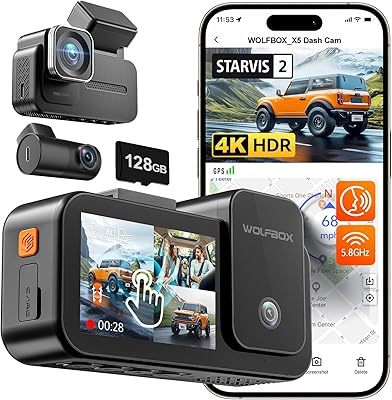
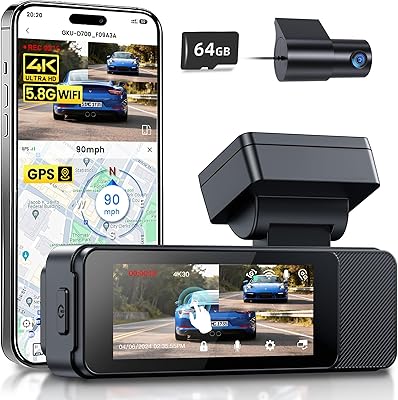
WOLFBOX X5 3-Channel Dash Cam
78%
89%
Video Clarity
82%
Night Vision
86%
Value for Money
84%
Ease of Setup
61%
App Experience
More
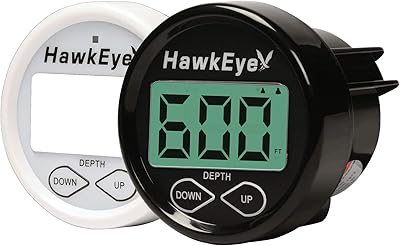
Hawkeye DepthTrax 2B In-Dash Depth Finder
80%
86%
Depth Reading Accuracy
83%
Performance at Speed
88%
Installation Ease
69%
Display Clarity
74%
Warning System Reliability
More
Sennheiser HD 650
Sennheiser HD 650
84%
96%
Sound Clarity
88%
Bass Response
94%
Midrange Accuracy
91%
Treble Detail
89%
Comfort
More
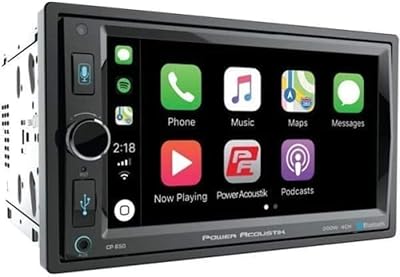
Power Acoustik CP-650 6.5″ Car Stereo Receiver
68%
83%
Value for Money
79%
Apple CarPlay Performance
64%
Touchscreen Responsiveness
74%
Bluetooth Reliability
77%
Installation Experience
More
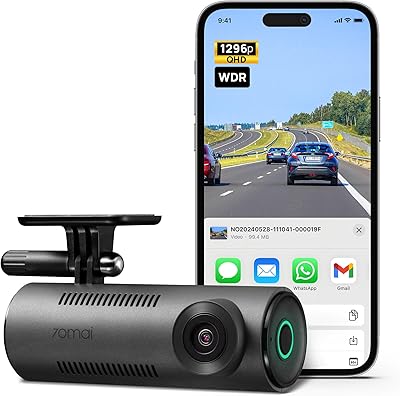
70mai M310 Dash Cam
70mai M310 Dash Cam
78%
88%
Daytime Image Quality
67%
Night Vision & Low-Light
91%
Value for Money
58%
Parking Mode
74%
App & Wireless Experience
More
Nextbase 320XR Dash Cam
86%
93%
Video Quality
90%
Night Vision Performance
88%
Front & Rear Coverage
85%
Installation Ease
87%
Motion Detection Accuracy
More
THINKWARE ARC Front and Rear Dash Cam
78%
91%
Video Clarity (Day)
72%
Night Vision Performance
78%
Parking Mode
74%
App & Wi-Fi Experience
86%
GPS & Alerts
More
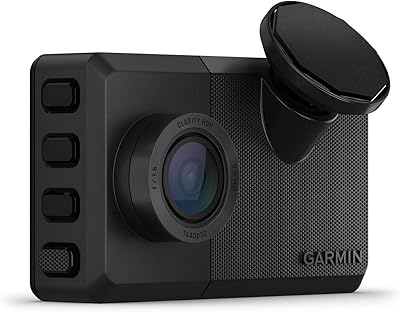
Garmin Dash Cam 67W 1440p Dash Camera
75%
88%
Video Quality
83%
Wide-Angle Coverage
81%
Build Quality & Design
61%
Parking Mode Reliability
54%
Cloud Storage & Vault
More
REDTIGER F7NP
REDTIGER F7NP
79%
88%
Video Quality (Front)
84%
Night Vision
74%
App & Wi-Fi Experience
86%
Build Quality & Design
81%
GPS Accuracy
More
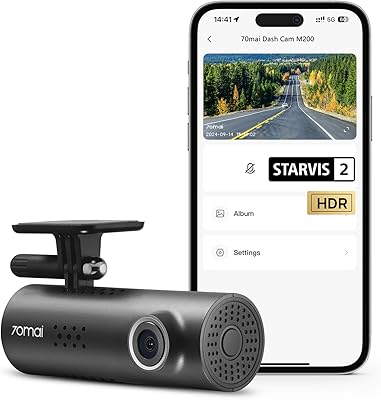
70mai M200 Front Dash Cam
78%
88%
Night Vision Quality
79%
Video Clarity (Daytime)
91%
Value for Money
86%
Ease of Setup
71%
App Experience
More

FAQ

For most standard installations, yes — the Humminbird HDR 650 In-Dash Depth Sounder ships with the transom mount transducer and mounting hardware included. You will need to supply your own wiring tools and ensure your boat has a standard 2.5-inch dash cutout, but there are no major add-ons required to get it up and running.

In most cases it will. The unit is designed for a standard 2.5-inch panel cutout, which is a very common size across fishing boats, skiffs, and older pleasure craft. If your dash was built for a different gauge size, you may need an adapter ring or a small amount of modification, but it drops straight in for most boats.

Strictly depth only. This in-dash unit displays digital depth readings — it does not produce sonar imagery, identify fish arches, or show bottom contours the way a dedicated fish finder does. If you need fish finding capability, you will want a separate unit alongside this one.

Honestly, this is one of the unit's weakest points. The 1.25-inch LCD can be hard to read on bright, sunny days, especially on open water where there is no shade over the dash. It works fine in overcast conditions or under a T-top, but if you fish primarily in full sun, be prepared for some visibility challenges.

Unfortunately, no. The HDR 650 was discontinued by Humminbird, which means the manufacturer no longer provides service, replacement parts, or technical support for it. If you run into a hardware problem, you are largely on your own, so it is worth factoring that into your buying decision.

The box includes a transom mount transducer, which works well for most freshwater and inshore applications. In principle, you could experiment with compatible transducers, but since this is a discontinued unit with limited documentation available, finding verified compatible upgrades can be tricky. Most users stick with the included transducer.

Yes, the waterproof construction holds up in saltwater environments, and a number of buyers have used it successfully on inshore coastal boats. The main consideration with any transom mount transducer in saltwater is regular rinsing to prevent corrosion buildup on the transducer bracket and hardware over time.

Most boaters with basic DIY skills handle this installation without professional help. The hardware is included, the wiring is straightforward, and the main time investment goes into positioning the transducer correctly on the transom. The instructions are serviceable but not detailed, so watching a general transom mount transducer install video beforehand is a good idea.

Your best options are online secondary marketplaces and marine equipment resale platforms. Stock turns up fairly regularly, but condition varies, so look for sellers with strong feedback ratings and ask about the unit's usage history before purchasing. Buying from a reputable reseller who offers some form of return window is strongly advisable.

It works underway, but like most transom mount transducer setups, it can lose signal reliability at higher speeds due to air bubbles getting under the transducer face. At cruising or trolling speeds it performs well for the majority of users. If you need consistent depth readings at high speeds, a through-hull transducer installation would give better results, though that is a more involved project.

Where to Buy