Overview

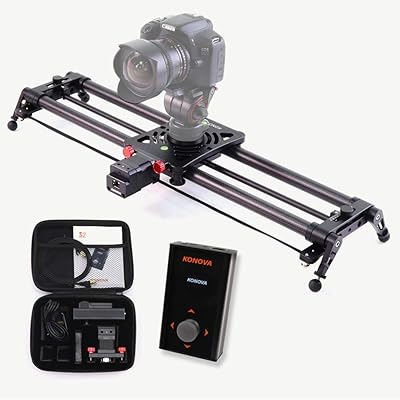
The GVM 120cm Motorized Carbon Fiber Camera Slider sits in an interesting spot for videographers who want automated motion without spending cinema-rig money. At 120cm, the rail gives you enough travel to pull off genuinely cinematic shots — the kind of slow, deliberate push-ins that would otherwise require a dedicated camera operator. What sets it apart from basic manual sliders is the app-based control system, which replaces a wired controller entirely and lets you manage motion from your phone. It's built for run-and-gun creators, solo shooters, and anyone who wants repeatable, smooth movement without hauling heavy gear to a location.
Features & Benefits

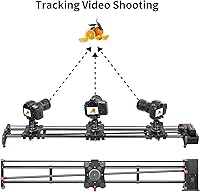
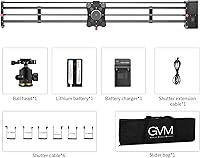
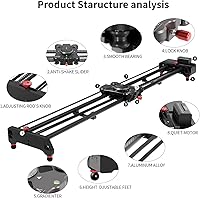
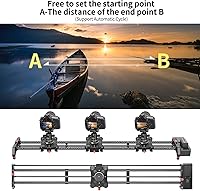
The carbon fiber rail is genuinely the backbone of this unit — rigid, low-vibration, and noticeably lighter than aluminum alternatives, which matters when you're already carrying a tripod and camera bag. Six shooting modes cover a wide range of practical scenarios: time-lapse for sunsets and cityscapes, panoramic for wide architectural shots, tracking for moving subjects, and loop for product photography with continuous repeatable passes. The adjustable legs on both ends are a quiet but useful feature when shooting on uneven ground. With six shutter-release cables included plus a dual screw-port system offering both 1/4″ and 3/8″ options, most camera setups mount without needing extra adapters.

Best For

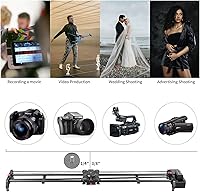
This motorized slider fits most naturally into the workflow of solo content creators — real estate videographers, product photographers, and travel shooters who need professional-looking motion without a second set of hands. The 120cm travel distance is wide enough to cover a full product table sweep or a slow landscape reveal, and the included carry bag makes it practical to pack alongside your other gear. It's a reasonable match for mirrorless and DSLR users shooting mid-weight setups; just keep in mind it isn't designed to handle heavy cinema rigs. If you're building out a portable shooting kit, this carbon fiber dolly rail deserves a serious look.

User Feedback

Buyers consistently highlight the smoothness of motion as the standout quality — particularly for time-lapse work, where any mechanical jitter would ruin a shot. Build quality also earns strong marks for this price tier. That said, the app experience draws mixed reactions. Several users report Bluetooth connectivity can be inconsistent, occasionally requiring a restart before the slider responds reliably. The mode setup also has a learning curve; the interface isn't immediately intuitive for first-time motorized slider users. On the brighter side, the included carry bag and cable kit are well-regarded as thoughtful additions that make the GVM slider feel like a genuinely complete, field-ready package straight out of the box.

Pros

  • The 120cm carbon fiber rail delivers fluid, cinematic movement that punches well above its price tier.
  • Six distinct shooting modes — including time-lapse, panoramic, and loop — cover a wide range of real creative needs in one unit.
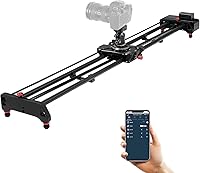
  • App control from iOS and Android lets you trigger and adjust the slider without touching the rig, which is genuinely useful when shooting solo.
  • Adjustable legs on both ends make leveling on uneven outdoor terrain fast and practical.
  • Six shutter-release cables are included out of the box, covering most major camera brands without additional purchases.
  • The carbon fiber build keeps overall weight at 8.8 lbs — noticeably lighter than comparable aluminum-rail sliders.
  • Both 1/4″ and 3/8″ screw ports allow flexible mounting on a wide variety of tripods and support rigs.
  • A carry bag is included, making the GVM slider a genuinely portable kit that travels well to location shoots.
  • Speed adjustability from 1% to 100% gives real creative range for both ultra-slow product glides and quicker dramatic reveals.

Cons

  • Bluetooth connectivity is inconsistent — reconnection attempts mid-shoot are a recurring complaint across user reviews.
  • The app interface has a noticeable learning curve; first-time users often need significant trial and error to configure modes correctly.
  • No maximum payload rating is published, making it difficult to know whether your specific camera and lens combination is within safe limits.
  • The printed instruction manual is widely criticized as poorly translated and unhelpfully brief for new motorized slider users.
  • Motor hum at lower speeds is audible enough to contaminate ambient audio recorded directly to camera in quiet environments.
  • The included carry bag lacks padding, offering minimal protection during vehicle transport or air travel.
  • At very low speed settings, some users report subtle stepping in carriage movement that is visible in close-up macro footage.
  • Long overnight time-lapse sessions carry a real risk of app disconnection, which can silently interrupt an unattended shoot.
  • Thread wear on the mounting plate has been reported by users who frequently reposition and remount their camera over several months.

Ratings

The ratings below for the GVM 120cm Motorized Carbon Fiber Camera Slider were generated by our AI system after analyzing thousands of verified buyer reviews from global markets, with spam, bot activity, and incentivized submissions actively filtered out. Scores reflect the honest distribution of real user experiences — not marketing claims — so both the standout strengths and the recurring frustrations are represented transparently.
Motion Smoothness
88%
For time-lapse and slow product shots, buyers consistently describe the carriage movement as fluid and judder-free at moderate speeds. Solo videographers shooting real estate walkthroughs report that the output looks polished enough to use without post-stabilization.
At the upper end of the speed range, a small but notable portion of users noticed micro-vibrations creeping into footage, particularly on harder surfaces like concrete or wooden decking where flex in the legs transmits upward.
Build Quality
83%
The carbon fiber rail earns real respect from buyers who have handled aluminum sliders before — it feels rigid under load and the carriage assembly stays tight without obvious play. For its price tier, most users say the overall construction exceeds their expectations.
Some users flag that the plastic components in the carriage housing feel noticeably less premium than the rail itself, and a few have reported wear on the mounting plate threads after repeated repositioning over several months of regular use.
App Control & Connectivity
67%
33%
When the Bluetooth connection holds, the app gives you meaningful control over speed, interval timing, and shooting modes from a comfortable distance — genuinely useful when you want to trigger a time-lapse and step out of the frame.
Bluetooth pairing is the most polarizing aspect of this slider. A significant share of buyers describe needing multiple connection attempts or a full app restart before the slider responds, which becomes genuinely frustrating mid-shoot when light is fading or a subject is waiting.
Shooting Mode Versatility
91%
Six distinct modes — including panoramic, tracking, time-lapse, loop, video, and free-range — cover an impressive range of real-world shooting scenarios for one unit. Content creators moving between product photography and landscape work particularly appreciate not needing separate rigs for each use case.
Switching between modes through the app is not immediately intuitive, and the lack of clear in-app documentation means first-time users typically spend 30 to 60 minutes experimenting before fully understanding how to configure the start and end points correctly.
Portability & Weight
86%
At 8.8 lbs and built on a carbon fiber frame, this motorized slider is meaningfully lighter than comparable metal-rail options, and travel shooters heading to outdoor locations regularly mention fitting it comfortably alongside a camera bag in an overhead compartment.
At 53 inches fully extended, length is the real portability constraint — it won't disappear into a backpack, and the included carry bag, while appreciated, is basic enough that a few users have replaced it with a padded case for air travel.
Setup & Leveling
79%
21%
The adjustable legs on both ends of the rail are a genuine field advantage. Shooters working on hillsides, gravel, or uneven studio floors can dial in a level surface without needing additional shims or external leveling heads.
The leg adjustment mechanism requires a bit of patience to lock down securely — several users mention that under heavier camera loads the legs can shift slightly mid-shoot if not tightened carefully, which can throw off a carefully planned move.
Camera Compatibility
84%
The inclusion of six different shutter-release cables covering most major camera brands — alongside a 1/4″ and 3/8″ screw port system — means the majority of mirrorless and DSLR users can mount and trigger their camera without ordering additional accessories.
Users with newer mirrorless bodies have occasionally found their specific cable type absent from the bundled set, requiring a separate purchase. There is also no mention of a USB-C trigger option, which is increasingly relevant for current-generation cameras.
Time-Lapse Performance
89%
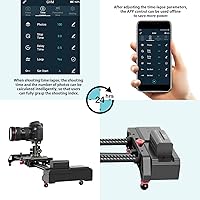
Nature and cityscape photographers single out time-lapse as the mode where this carbon fiber dolly rail truly earns its keep. The configurable interval, stop time, and photo count parameters give enough control to produce clean, professional sequences without post-production intervention.
In very long overnight time-lapse sessions, a handful of users have reported the app disconnecting from the slider, which can interrupt an otherwise unattended shoot. A physical backup controller option would remove this risk entirely.
Panoramic Mode Accuracy
74%
26%
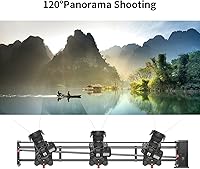
The 120-degree panoramic shooting mode is well-suited for wide interior shots — real estate videographers in particular find it saves time by automating sweeping room reveals that would otherwise require careful manual panning.
A portion of users note that panoramic stitching accuracy depends heavily on how precisely the camera is centered on the carriage, and minor mounting misalignment can create noticeable parallax errors that require correction in editing.
Value for Money
81%
19%
Relative to what comparable motorized sliders with app control and this rail length would have cost a few years ago, most buyers feel the GVM slider represents a fair trade-off between capability and cost for non-professional use.
Users who push the slider hard — running it daily for commercial work — occasionally feel the price should reflect better software support and a more reliable app, suggesting the hardware value is stronger than the overall package value.
Carry Bag & Accessories
71%
29%
The included carry bag is appreciated as a functional bonus that most competitors omit. Combined with the full cable kit and extension cord, the out-of-box experience feels complete enough to start shooting the same day without extra purchases.
The bag itself is lightweight nylon without meaningful padding, so users traveling by plane or storing the slider in a vehicle typically describe it as a temporary solution rather than a long-term carrying option for a piece of equipment at this price.
Motor Noise
76%
24%
For video work where audio is captured separately or dubbed in post, the motor noise is reported as negligible. Interview setups and voiceover recordings with the slider running in the background rarely draw complaints from buyers using external audio.
For run-and-gun shooters recording ambient audio directly to camera, the motor hum is noticeable enough at slower speeds to require audio cleanup in post — something buyers shooting documentary-style content on location should plan for.
Durability Over Time
72%
28%
Buyers who have owned the GVM slider for six months to a year and use it regularly for personal projects mostly report no significant mechanical degradation — the rail stays clean and the carriage continues to roll without developing notable slop.
Among users who work the slider commercially or semi-professionally, there are scattered reports of motor responsiveness becoming inconsistent after extended heavy use, suggesting the internal components may not be rated for high-frequency professional workloads.
Speed Control Range
82%
18%
The 1% to 100% speed adjustment gives genuinely useful granularity — slow-motion product glides at the low end and quicker dramatic reveals at the high end are both achievable within the same unit, which keeps the workflow flexible across different content types.
At very low speed settings, a few users observe slight stepping behavior rather than perfectly linear motion, which can be visible in close-up macro shots where any inconsistency in the carriage movement is magnified on screen.
Instruction & Documentation
58%
42%
For users who are patient and willing to explore the app independently, the learning curve eventually flattens out and most features become intuitive with practice. Video tutorials available from GVM online have helped fill in gaps for many buyers.
The included printed documentation is widely criticized as sparse and poorly translated, leaving new users without clear guidance on configuring multi-mode sequences or troubleshooting Bluetooth drops — a recurring frustration that shows up across independent review platforms.

Suitable for:

The GVM 120cm Motorized Carbon Fiber Camera Slider is a strong match for solo content creators who need professional-looking camera movement without a second operator on set. Real estate videographers will find the 120cm travel distance ideal for sweeping room reveals, while product photographers can lean on the loop and time-lapse modes to produce polished, repeatable shots without constant manual intervention. Travel and location shooters benefit meaningfully from the carbon fiber construction — it keeps the overall kit weight manageable without sacrificing rail rigidity in the field. If you're a YouTuber, documentary hobbyist, or freelance shooter working with mirrorless or mid-weight DSLR setups, this motorized slider fits naturally into that kind of workflow. The broad cable compatibility and adjustable legs also mean you can set it up quickly on uneven terrain, which is a genuine advantage when you're working alone and time matters.
Not suitable for:

Shooters working in demanding commercial or broadcast environments should think carefully before committing to the GVM 120cm Motorized Carbon Fiber Camera Slider. The app-dependent control system introduces a layer of unreliability that professional productions simply cannot afford — a Bluetooth dropout mid-take is an inconvenience for a hobbyist but a real problem on a paid shoot. The slider is also not the right tool for heavy cinema camera setups; there is no published maximum payload rating, and pushing it with large rigs risks both image quality and long-term mechanical wear. Buyers who need flawless, documented repeatability for scientific or industrial video applications will find the mode configuration too informal and the documentation too sparse. Similarly, anyone who records ambient audio directly to camera should know the motor hum at slower speeds is noticeable enough to complicate clean audio capture in quiet environments.

Specifications

  • Rail Length: The slider rail measures 120cm (48″) from end to end, providing substantial travel distance for cinematic camera movement.
  • Dimensions: Fully assembled, the unit measures 53 x 11 x 5 inches, making it a large but manageable piece of field equipment.
  • Weight: The complete slider weighs 8.8 lbs (4 kg), which is competitive for a motorized carbon fiber rail of this length.
  • Rail Material: The main rail is constructed from carbon fiber, chosen for its combination of structural rigidity, low vibration transmission, and reduced weight versus aluminum.
  • Shooting Modes: Six built-in shooting modes are supported: tracking, panoramic (up to 120 degrees), time-lapse, video, free-range, and continuous loop.
  • Control Method: The slider is operated via a dedicated iOS and Android smartphone app connected over Bluetooth, replacing a traditional wired hand controller.
  • Speed Range: Motor slip speed is adjustable from 1% to 100%, allowing everything from ultra-slow macro glides to quicker dramatic camera moves.
  • Interval Control: Slip interval is configurable from 0.1 to 999.9 seconds, and stop time between moves is also adjustable across the same range.
  • Photo Count: The time-lapse photo number parameter can be set anywhere from 1 to 1,000 frames per programmed sequence.
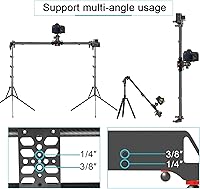
  • Screw Ports: Both 1/4″ and 3/8″ screw ports are present on the sides and center of the rail, enabling compatibility with a wide range of tripods and ball heads.
  • Included Cables: Six shutter-release cables for major camera brands are included in the box, along with one extension cable for setups requiring additional reach.
  • Power Source: The slider is powered by one rechargeable lithium-ion battery, which is included in the package at time of purchase.
  • Leg Adjustment: Both ends of the slider feature adjustable support legs that allow independent height and angle tuning for leveling on uneven surfaces.
  • Carry Bag: A carry bag is included with the unit for transport to and from shooting locations, though it does not feature padded interior protection.
  • Model Number: The official GVM model identifier for this unit is GVM-Slider-120, as listed on the product and in the manufacturer documentation.
  • Compatible Devices: The slider is designed for use with cameras, cellphones, and tablets, provided the mounting weight is within the carriage's operational range.
  • App Platform: The companion control app is available for both iOS and Android devices and connects to the slider via Bluetooth for wireless operation.
  • Panoramic Range: The panoramic shooting mode supports up to a 120-degree sweep, suitable for wide architectural interiors and landscape compositions.
  • Manufacturer: This slider is produced by GVM Great Video Maker, a brand focused on mid-range video production accessories for content creators.
  • Market Rank: At the time of review data collection, this unit held a ranking of number 13 in the Camera Sliders category on Amazon.

Related Reviews
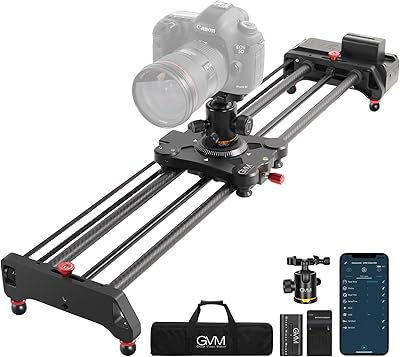
GVM Motorized Camera Slider 31″
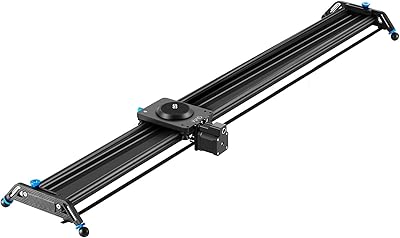
86%
92%
Smoothness of Motion
85%
App Control Experience
90%
Portability and Weight
88%
Build Quality and Durability
84%
Ease of Setup and Use
More
GVM G5-J120D Motorized Camera Slider
76%
88%
Build Quality
84%
Motion Smoothness
66%
Remote Controller Usability
83%
Load Capacity
81%
Shooting Modes Versatility
More
KONOVA P1 S2 60cm Motorized Camera Slider
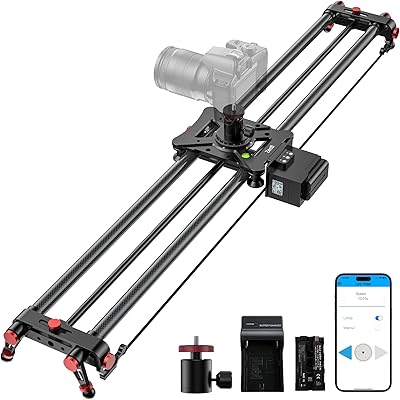
77%
84%
Motor Smoothness
79%
Build Quality
61%
Ease of Setup
86%
Timelapse Performance
67%
Payload Capacity
More
Zecti ZT-706 47″ Motorized Camera Slider
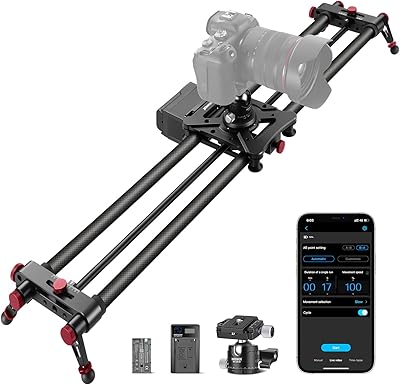
77%
88%
Motion Smoothness
83%
Build Quality & Materials
67%
App Control & Connectivity
81%
Load Capacity & Stability
84%
Time-Lapse Performance
More
NEEWER ER1-100 100cm Motorized Camera Slider
70%
78%
Motor Smoothness
61%
App Control & Connectivity
66%
Build Quality & Materials
71%
Ease of Setup
74%
Value for Money
More
NEEWER ER1-120 120cm Motorized Camera Slider
79%
88%
Motion Smoothness
91%
Noise Level
84%
Build Quality
61%
App Control & Interface
79%
Remote Control (RT-08)
More
NEEWER ER1-80 80cm Motorized Camera Slider
82%
91%
Motion Smoothness
83%
App Control & Usability
88%
Build Quality
89%
Motor Noise Level
61%
App-to-Remote Parity
More
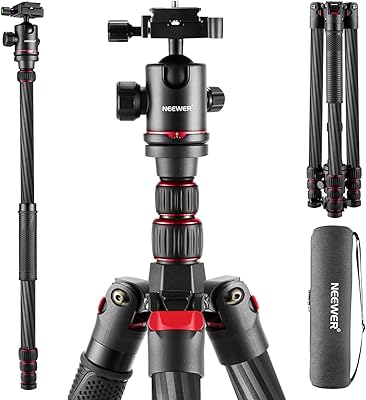
NEEWER N55CR Carbon Fiber Camera Tripod
81%
88%
Build Quality
86%
Stability at Normal Heights
67%
Stability at Maximum Extension
93%
Weight & Portability
74%
Ball Head Performance
More
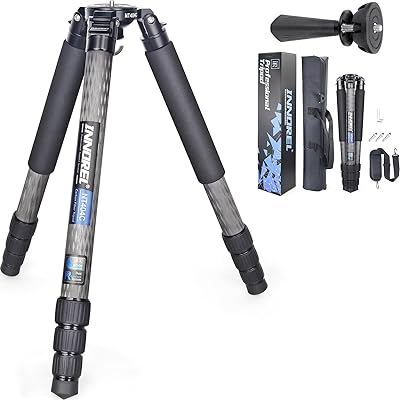
INNOREL NT404C Carbon Fiber Tripod
85%
89%
Stability
93%
Portability
87%
Build Quality
80%
Ease of Use
85%
Value for Money
More
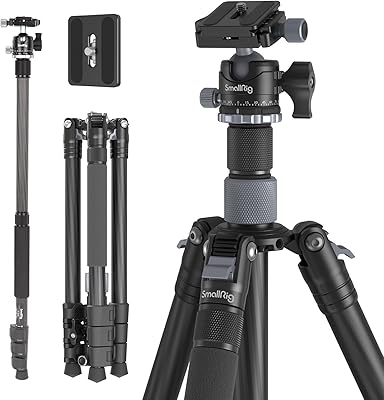
SmallRig AP-20 Carbon Fiber Tripod
78%
86%
Build Quality
92%
Weight & Portability
79%
Stability & Rigidity
74%
Ball Head Performance
88%
Ease of Setup & Height Adjustment
More

FAQ

For most users, yes — the box includes six shutter-release cables covering popular camera brands, an extension cable, a carry bag, and a charged lithium-ion battery. The only thing you will need separately is a tripod or support system to mount the slider on, and a smartphone with the app installed.

This is worth being honest about: Bluetooth connectivity is the most commonly cited friction point among buyers of the GVM 120cm Motorized Carbon Fiber Camera Slider. Most users get it connected without issue, but a meaningful number report needing to restart the app or re-pair the device before the slider responds. If you are shooting in a time-sensitive situation, build in a few extra minutes to confirm the connection is stable before you start rolling.

GVM does not publish an official maximum payload rating for this unit, which is worth keeping in mind. From real-world user feedback, it handles mirrorless cameras and mid-weight DSLRs reliably, but it is not designed for large cinema cameras or heavy telephoto lens combinations. If you are unsure, err on the lighter side — overloading the carriage can affect both footage smoothness and long-term motor health.

The multiple 1/4″ and 3/8″ screw ports positioned along the sides and center of the rail allow the slider to be mounted in horizontal, vertical, and 45-degree orientations. So yes, vertical and angled configurations are supported, which opens up some creative shot options beyond standard horizontal slides.

Expect a learning curve of roughly 30 to 60 minutes before you feel comfortable navigating the app and configuring start and end points correctly. The printed manual is not particularly helpful, so most users rely on GVM's video tutorials online to get up to speed. Once you understand the logic of the mode setup, it becomes much faster to configure on subsequent shoots.

At moderate to higher speeds, the motor noise is low enough that most users do not find it problematic, especially if audio is being recorded separately. At very slow speeds, however, a low motor hum can be picked up by sensitive onboard microphones in quiet environments. If clean ambient audio is critical to your shoot, consider using an external recorder or planning to dub audio in post.

Yes, you set the parameters through the app before each session, including the interval between frames, the number of photos, and the stop time at each position. It is a straightforward process once you have done it a couple of times, and the configurable range is generous — you can shoot anywhere from 1 to 1,000 frames per sequence. Just keep in mind that very long overnight sessions carry a small risk of the Bluetooth connection dropping, so check in periodically if you can.

Most likely, yes. The GVM slider includes six different shutter-release cables covering the major brands, including Sony, Canon, Nikon, and others. That said, very recent mirrorless bodies that use only USB-C for remote shutter triggering may not be covered by the included cables — it is worth checking whether your specific model uses a multi-terminal, micro USB, or USB-C shutter port before assuming compatibility.

The included bag is functional for getting the slider from your car to a shooting location, but it is basic nylon without meaningful padding. For air travel or situations where the slider might get jostled in a vehicle, a padded hard case or a third-party camera rail bag would be a safer choice. Several buyers have mentioned replacing the included bag after their first trip.

Yes, and this is one of the more practical features of this carbon fiber dolly rail. The independently adjustable legs on both ends let you compensate for uneven ground without needing wedges, shims, or an external leveling head. Take a few minutes to dial in the level carefully before shooting, especially with heavier camera setups, as the legs can shift slightly if not fully locked down.