

Overview

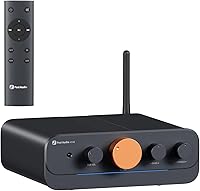
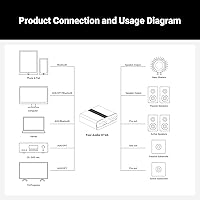
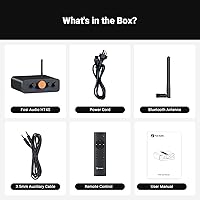
The Fosi Audio HT4S is a compact all-in-one amplifier that packs a DAC and power amp into a tidy aluminum chassis measuring just 6.1 by 7.2 inches. It switches between 4.1 and 5.0 channel configurations via remote, and connects through Bluetooth, AUX, or optical input — handy flexibility for mixed setups. The built-in power supply is a practical touch; no wall-wart hunting required. One thing to flag upfront: no Dolby or DTS decoding. If you need true multichannel surround processing, this compact multi-channel amp is not the right tool. But for stereo-plus-sub or distributed speaker setups, it covers a lot of ground at a reasonable price.

Features & Benefits

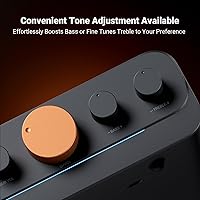
The HT4S runs up to five speaker outputs and includes a pre-out for subwoofer integration, making 4.1 channel setups straightforward. Bluetooth handles wireless streaming without fuss, while optical input keeps the signal clean from a TV or media player. A central knob manages volume, input switching, and power — simple enough that you rarely need to dig for the remote, though having one is useful when the amp is mounted out of reach. Bass and treble controls give you some tuning flexibility, and the LED mode indicator helps at a glance. The CNC aluminum body feels solid, dissipates heat effectively, and looks noticeably more premium than competing plastic-chassis units in a similar price range.

Best For

This Fosi Audio receiver shines in scenarios where a full AV receiver would be overkill. Think a covered patio with four wall-mounted speakers and a subwoofer, a cafe that needs reliable background music without a tech-heavy rack, or a bar running audio to separate zones. It also earns genuine praise in sim racing rigs — pair it with bass shakers under the seat and the low-end punch adds real physical feedback to the experience. Home theater users can make it work if their TV or streaming device is already handling surround decoding and feeding a stereo signal out. Desktop users wanting clean multi-channel output in a small footprint will find it fits the bill nicely.

User Feedback

Owners consistently highlight the build quality as a standout for the price — the aluminum chassis feels solid in a category often dominated by cheap plastic. Bass shaker users in sim racing setups are particularly enthusiastic, with several noting it transformed the tactile experience noticeably. On the flip side, Bluetooth range and pairing reliability draw occasional complaints, particularly in larger outdoor spaces. A few users report the remote works best within about 15 feet. Real-world power output is generally considered adequate for small-to-medium rooms, though expectations should stay modest — this compact multi-channel amp is not going to rattle walls. Heat management appears solid during normal use, with no widespread reports of thermal issues.

Pros

  • All-in-one design integrates DAC, power amp, and power supply — no extra boxes or adapters needed.
  • Switches cleanly between 4.1 and 5.0 channel configurations via the included remote.
  • Aluminum alloy chassis feels noticeably more premium than plastic competitors in this price range.
  • Optical input handles TV and media player feeds with a clean, noise-free signal path.
  • Bass and treble controls give useful tuning flexibility in reflective or acoustically tricky spaces.
  • Pre-out for subwoofer integration makes building a proper 4.1 system straightforward.
  • Particularly well-suited for bass shaker setups — sim racing users report a meaningful upgrade in physical immersion.
  • Compact footprint and light weight make it easy to reposition between desk, rack, or outdoor setup.
  • Passive cooling means completely silent operation — no fan noise during long listening sessions.
  • LED mode indicator confirms active input at a glance without walking over to the unit.

Cons

  • No Dolby or DTS decoding — multichannel surround processing is simply not possible with this amp.
  • Bluetooth range disappoints in larger outdoor spaces, with degradation common beyond 20 to 25 feet.
  • Sustained power output at rated distortion levels is modest; do not expect it to fill large open-air venues.
  • Remote requires near line-of-sight and works reliably only within roughly 15 feet.
  • No RCA, HDMI ARC, or USB audio input limits compatibility with some common source equipment.
  • Central control knob shows minor build inconsistencies across units, with some feeling loose out of the box.
  • Tone controls are too coarse for serious room correction — mid-range adjustment is absent entirely.
  • Running bass shakers at high output for extended sessions generates significant heat; ventilation clearance is essential.
  • LED mode colors can be difficult to distinguish in direct sunlight, reducing usefulness in outdoor installs.

Ratings

The Fosi Audio HT4S scores here are generated by AI after analyzing thousands of verified buyer reviews worldwide, with spam, bot activity, and incentivized feedback actively filtered out. Across patio installs, sim racing rigs, cafe deployments, and desktop setups, this amp earns real praise in some areas and draws consistent criticism in others — and both sides are reflected honestly in the scores below.

Build Quality
88%
The CNC-machined aluminum alloy chassis consistently draws compliments from buyers who have handled cheaper plastic competitors. In outdoor patio and cafe installations where the unit sees daily handling, owners report that the finish holds up well without scuffs or warping over time.
A handful of users noted that the central control knob feels slightly loose on some units, suggesting minor variance in assembly quality. For a product often mounted semi-permanently, that kind of inconsistency is worth flagging even if it is not widespread.
Value for Money
84%
For a unit that combines a DAC, multi-channel power amp, built-in power supply, and remote into one compact box, most buyers feel the asking price is fair for what they get. Sim racing enthusiasts in particular found it a cost-effective way to add bass shaker support without buying a dedicated rack system.
Buyers who compare it against dedicated stereo amps at a similar price point sometimes feel the per-channel power output is less competitive. The value story is strongest when you need multiple channels; for simple two-channel use it becomes harder to justify over a more focused alternative.
Sound Quality
76%
24%
For background music in cafes, patios, and small bars, the audio output is clean and pleasant enough that most listeners would never question it. Bass and treble tone controls give useful tuning flexibility, and the onboard DAC handles optical input cleanly without noticeable noise.
Audiophiles and home theater purists will notice the limitations fairly quickly — dynamics feel compressed at higher volumes and the stereo imaging is functional rather than impressive. This is not an amp built for critical listening, and buyers approaching it with those expectations tend to leave disappointed.
Multi-Channel Versatility
82%
18%
The ability to switch between 4.1 and 5.0 configurations via remote is genuinely practical for users who reconfigure their setups seasonally or across different rooms. The pre-out for subwoofer integration in 4.1 mode works reliably, and pairing with a sub noticeably fills out the low end.
Without Dolby or DTS decoding, the multichannel capability is strictly limited to stereo distribution across channels rather than true surround sound. Users who assumed multichannel meant surround processing were consistently disappointed, and this point generates some of the sharpest negative reviews.
Bluetooth Performance
63%
37%
For indoor desktop use or a small covered patio where the source device stays nearby, Bluetooth connectivity works reliably and pairing is straightforward. Buyers using it in a cafe or bar with a tablet behind the counter report consistent day-to-day operation without dropout issues in that limited range.
Range complaints are the single most common recurring theme in critical reviews, with many users finding signal degradation beyond roughly 20 to 25 feet in open outdoor environments. A few buyers also experienced intermittent pairing failures after firmware updates on their source devices, pointing to compatibility sensitivity.
Ease of Setup
89%
The built-in power supply removes one of the more annoying setup steps common with budget amps, and the labeled rear terminals are clear enough that most buyers report having audio running within minutes of unboxing. Even users without audio installation experience found the process intuitive.
The manual is thin on detail for edge-case configurations like mixing passive and active speakers or daisy-chaining to a secondary amp. A few buyers ran into confusion around impedance matching that a better-written guide would have prevented.
Remote Control
71%
29%
Having a remote is a genuine convenience when the amp is rack-mounted or placed out of easy reach, and for basic functions like volume adjustment and input switching it works without issue. Cafe and bar owners who mount the unit above head height particularly appreciated having remote access.
Effective range appears limited to around 15 feet in real-world use, which is shorter than many buyers expected. A couple of reviewers also noted that the remote requires direct line-of-sight to work reliably, reducing its usefulness in installations where the amp sits inside a cabinet or behind a panel.
Heat Management
81%
19%
During typical background music playback at moderate volumes, the aluminum chassis stays warm but never uncomfortably hot, and there are no reports of thermal shutdowns under normal conditions. The passive cooling design also means operation is completely silent with no fan noise.
Extended high-volume sessions, particularly when driving bass shakers that pull consistent current, do cause the chassis to get noticeably warm. A few sim racing users who run multi-hour sessions recommend leaving some airflow clearance around the unit rather than boxing it in.
Input Flexibility
86%
Supporting Bluetooth, AUX, and optical digital input in a unit this size covers most real-world source scenarios without requiring an external switcher or DAC. The optical input is especially appreciated by TV and media player users who want a clean digital signal path.
There is no HDMI ARC or USB audio input, which some home theater buyers expected at this price level. Users with older receivers or mixers feeding an RCA signal also noted the lack of RCA input as a minor but real limitation in certain install scenarios.
Power Output
67%
33%
For 4-ohm or 8-ohm speakers in small-to-medium spaces like a covered patio, a cafe dining room, or a desktop setup, the real-world output is sufficient and drives most passive speakers to comfortable listening levels without strain.
Real-world sustained wattage at rated THD is more modest than peak figures suggest, and buyers trying to fill a larger outdoor space or drive less efficient speakers often found the amp running out of headroom. Managing expectations here is important — this is a light-duty amp, not a high-power unit.
Form Factor & Portability
91%
At 3.45 pounds and roughly the footprint of a hardcover book, this is one of the most compact multi-channel amps on the market. Users who move it between a home office desk and an outdoor setup on weekends found it genuinely easy to transport and reposition.
The compact chassis does limit expansion options — there are no rack-mount ears and the freestanding form factor means cable management around the rear panel can get cluttered when all five speaker outputs are in use simultaneously.
Bass Shaker Compatibility
83%
Sim racing users pairing this amp with tactile transducers under their seat report strong, consistent low-frequency output that translates well through the shaker hardware. The bass boost control adds a useful layer of tuning to dial in the intensity of the physical feedback.
Running bass shakers at sustained high output draws significant current and generates more heat than typical speaker loads, so thermal management becomes more relevant for this use case. Users pushing this amp hard in long sim sessions should plan for adequate ventilation.
Tone Controls
74%
26%
Having functional bass and treble adjustment built in is a genuine plus over basic amps that offer no EQ at all, and for dialing in background music in acoustically reflective spaces like a tiled cafe or a patio near a brick wall, it provides a useful corrective tool.
The tone control range is limited compared to a proper equalizer, and there is no mid-range adjustment, which leaves some users wanting more precision. Audiophile buyers will find it too blunt an instrument for serious room correction work.
Indicator & Interface Design
78%
22%
The LED mode indicator is a small but appreciated touch that makes it easy to confirm the active input without walking over to the unit. The single multifunctional knob keeps the front panel uncluttered and feels logically laid out for day-to-day operation.
Some users found the LED color differentiation between modes difficult to read in bright outdoor light, reducing its practical usefulness in exactly the outdoor scenarios the amp targets. The single-knob interface also requires multiple presses to navigate between modes, which a few buyers found mildly frustrating.

Suitable for:

The Fosi Audio HT4S is a strong match for anyone who needs a compact, multi-channel amplifier without the bulk and complexity of a full AV receiver. Homeowners building a patio or backyard speaker system will appreciate how much ground it covers in a small footprint — Bluetooth for casual streaming, optical for a TV feed, and enough outputs to run four speakers plus a subwoofer. Small commercial spaces like cafes, restaurants, and bars are another natural fit; staff can manage volume and input switching from across the room with the included remote, and the sturdy aluminum build holds up to the kind of daily-use environment that would stress a cheaper unit. Sim racing enthusiasts represent perhaps the most enthusiastic user base, pairing this compact multi-channel amp with tactile bass shakers to add physical feedback to racing titles in a way that a basic stereo amp simply cannot replicate. Desktop HiFi users who want more than a two-channel setup but have no interest in a tower receiver will also find it a practical, space-efficient solution.

Not suitable for:

Buyers expecting true multichannel surround sound should look elsewhere — the Fosi Audio HT4S processes stereo signals only and has no Dolby or DTS decoding whatsoever, so it cannot take a 5.1 encoded audio track and distribute distinct channels to each speaker. Home theater enthusiasts who want their amp to do the surround processing will be frustrated by this limitation, regardless of how many speaker outputs they connect. The HT4S is also not the right tool for larger outdoor spaces where significant SPL is needed; real-world sustained output is modest, and drivers with low sensitivity ratings or rooms larger than a mid-sized patio will quickly reveal the unit running out of headroom. Audiophiles or critical listeners who prioritize precise stereo imaging, wide dynamic range, and low noise floors will find this Fosi Audio receiver falls short of what dedicated high-fidelity amplifiers offer at comparable or slightly higher price points. Finally, anyone who needs HDMI ARC, USB audio input, or RCA connectivity will find the input options too limited for their existing equipment chain.

Specifications

  • Dimensions: The unit measures 6.1 x 7.2 x 2 inches, making it compact enough for a desktop shelf, rack compartment, or under-counter install.
  • Weight: At 3.45 pounds, the all-aluminum chassis is light enough to reposition easily without being so light that it feels insubstantial.
  • Channels: Supports up to 5 speaker outputs, switchable between 4.1 and 5.0 channel configurations via the included remote.
  • Inputs: Accepts audio via Bluetooth (wireless), AUX (3.5mm analog), and optical digital (TOSLINK) — three distinct source types in one unit.
  • Outputs: Provides up to 5 speaker terminal outputs plus a dedicated pre-out for subwoofer integration in 4.1 mode.
  • Power Supply: Features a built-in power supply unit, eliminating the need for a separate external power adapter or wall-wart.
  • Voltage: Rated at 230 volts; buyers in North American markets should verify compatibility with their local mains voltage before use.
  • Surround Decoding: Does not support Dolby, DTS, or any other multichannel surround sound decoding format — stereo source distribution only.
  • Tone Controls: Includes independent bass and treble adjustment controls for basic tonal shaping of the output signal.
  • Control Interface: A single multifunctional central knob handles volume adjustment, input source switching, and power on/off in one intuitive interface.
  • Remote Control: Ships with a dedicated infrared remote control for volume, input switching, and power management from a distance.
  • Indicator Light: An LED mode indicator on the front panel displays the currently active input source with color-coded visual feedback.
  • Body Material: Constructed from CNC-machined aluminum alloy with a metal sandblasted surface finish for durability and passive heat dissipation.
  • Mounting Type: Designed for freestanding placement on a flat surface; no rack-mount ears or wall-bracket hardware are included in the box.
  • Bass Shaker Support: Compatible with tactile bass shaker transducers, with sufficient low-frequency power output and a bass boost control to support sim racing and home theater haptic setups.
  • Surround Mode: Operates as a stereo amplifier distributing a stereo signal across multiple channels — it does not process discrete multichannel audio streams.
  • Manufacturer: Designed and sold by Fosi Audio, a brand known for compact, aluminum-chassis audio amplifiers positioned in the mid-range consumer market.
  • Model Number: Official model designation is HT4S, first made available in March 2024.

Related Reviews
Fosi Audio TDA7498E
Fosi Audio TDA7498E
83%
88%
Sound Quality
93%
Value for Money
71%
Build Quality
74%
Power Output & Headroom
66%
Noise Floor & Background Hiss
More
Fosi Audio BT10A
Fosi Audio BT10A
81%
93%
Value for Money
82%
Sound Quality
91%
Noise Floor
84%
Bluetooth Performance
67%
Power Output
More
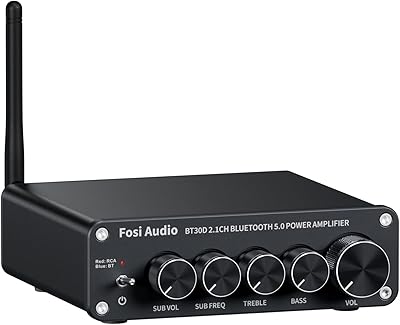
Fosi Audio BT30D
Fosi Audio BT30D
78%
83%
Sound Quality
88%
Subwoofer Performance
81%
Bluetooth Connectivity
91%
Value for Money
62%
Build Quality
More
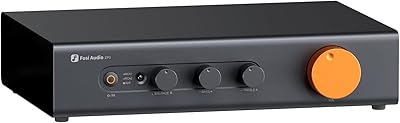
Fosi Audio ZP3 Balanced Preamp
88%
94%
Sound Quality
88%
Ease of Use
90%
Build Quality
87%
Customization Options
75%
Memory Function
More
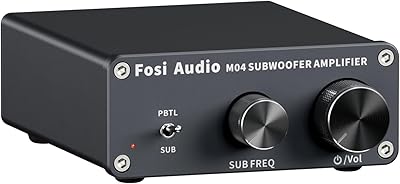
Fosi Audio M04 Subwoofer Amplifier
89%
94%
Bass Performance
91%
Sound Clarity
88%
Build Quality
90%
Ease of Setup
87%
Thermal Management
More
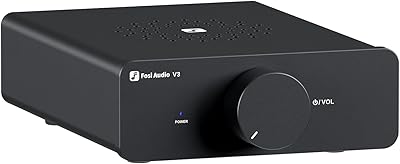
Fosi Audio V3 Stereo Amplifier
81%
93%
Value for Money
91%
Audio Clarity & Noise Floor
67%
Real-World Power Output
74%
Build Quality & Finish
88%
Thermal Management
More
Fosi Audio SK01 Headphone Amplifier
83%
88%
Sound Quality
72%
Battery Life
91%
Build Quality
85%
Tone Control Flexibility
80%
Portability
More
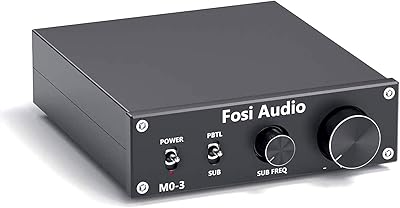
Fosi Audio M03
Fosi Audio M03
81%
91%
Audio Clarity & Distortion
74%
Power Output & Headroom
88%
Versatility & Operating Modes
93%
Value for Money
72%
Build Quality & Enclosure
More
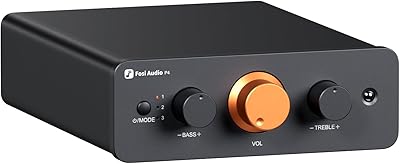
Fosi Audio P4
Fosi Audio P4
81%
88%
Build Quality
84%
Sound Quality
91%
Motorized Volume Control
79%
Remote Control
86%
Input Flexibility
More
Fosi Audio M01-BT Subwoofer Amplifier
79%
83%
Bass Output Quality
91%
Value for Money
86%
Bluetooth Connectivity
88%
Ease of Setup
74%
Build Quality & Finish
More

FAQ

No, and this is the single most important thing to clarify before buying. This amp handles stereo signals only and distributes that stereo audio across multiple speaker outputs — it cannot decode Dolby, DTS, or any other discrete surround format. If your TV or streaming device outputs a multichannel encoded signal, you will need to set that device to output PCM stereo before feeding it to this amp.

In practice, reliable Bluetooth performance tends to max out at around 20 to 25 feet in open outdoor environments. Inside a cafe or a covered patio where the source device stays relatively close, most users have no issues. If your phone or tablet will be more than 30 feet away from the amp, you may experience occasional dropouts and should consider using the AUX or optical input instead.

Yes, the pre-out connection is specifically designed for subwoofer integration when running in 4.1 channel mode. You connect your powered subwoofer to the pre-out, and your four passive speakers to the main speaker terminals. Just make sure your subwoofer has a line-level RCA input, which is standard on virtually all powered subs.

The aluminum chassis does warm up during normal operation, but passive cooling handles it well under typical conditions. Where heat becomes more of a consideration is during long sessions driving bass shakers at high output levels — that draws more sustained current and generates more warmth. Leave a couple of inches of clearance around the unit rather than boxing it into a sealed cabinet, and you should be fine.

This is actually one of the most popular use cases for this amp. You connect your tactile transducers to the speaker outputs — treating them like passive speakers — and use the bass boost control to tune the intensity. Most sim racing users run it in stereo or 4.1 mode, feeding audio from their PC via AUX or optical. The result is physical vibration feedback that syncs with in-game audio, which can noticeably increase the sense of immersion during racing.

The amp is generally rated for 4-ohm to 8-ohm loads, and mixing impedances across channels is technically possible, but it can affect the power balance between channels. For best results, try to keep all your connected speakers within a similar impedance range. Running a mix of 4-ohm and 8-ohm speakers simultaneously is not dangerous but may result in uneven volume levels across channels.

Not really — the infrared remote requires a reasonably clear line of sight to the front panel sensor, and even a partially closed cabinet door can cause missed commands. Most users who mount it inside furniture find the remote only works consistently when the cabinet door is open. If concealed installation is your plan, factor in either leaving the front accessible or accepting that you will need to operate the unit manually more often.

Yes, and this is one of the amp's better applications. It drives standard 4-ohm or 8-ohm passive ceiling or wall-mounted speakers without any special configuration needed. Connect the speaker wire to the spring-clip or binding post terminals on the rear, set your channel configuration, and you are good to go. Cafes and small commercial spaces are a common deployment scenario for exactly this type of install.

Not directly — this amp has no HDMI input of any kind. The workaround is to use your TV's optical audio output if it has one, which most modern TVs do alongside HDMI ARC. Connect an optical cable from the TV to the amp and set the TV to output PCM stereo audio. If your TV lacks an optical out, you can use a small HDMI ARC to optical converter, which is widely available and inexpensive.

It functions as a rotary encoder for volume in normal operation — turn it to adjust volume, which is what you will do most often. A short press typically handles power on and off, while a longer press or a series of presses cycles through input sources, depending on the firmware. In practice most users find it intuitive after a few minutes, though the specific press patterns are worth reading in the manual once at setup time to avoid accidentally switching inputs when you just want to mute.