Overview

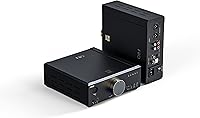
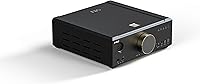
The FiiO K9 Pro ESS arrived in 2022 as a serious answer to the question of whether you really need separate DAC and amplifier boxes cluttering your desk. FiiO has spent years earning credibility in the mid-to-high-end audio space, and this unit reflects that accumulated experience. The stainless steel chassis alone separates it from the plastic-clad competition — it feels substantial, almost architectural, sitting on a desktop. What really distinguishes it at this price tier is the use of dual ES9038PRO chips, a configuration typically found in more expensive separates. In a crowded market, that is a meaningful differentiator worth paying attention to.

Features & Benefits

This desktop DAC/amp packs more connectivity than most units at this tier dare to offer. The dual ES9038PRO chips handle PCM up to 384kHz and native DSD256 — formats that matter if you stream Tidal Masters or play back high-resolution files locally. MQA unfolding means you won't need a separate renderer in your chain. Bluetooth 5.1 with LDAC and aptX Adaptive is genuinely uncommon in a desktop unit, giving wireless listeners near-lossless quality without a separate dongle. Front panel outputs cover XLR 4-pin, 4.4mm balanced, and 6.35mm single-ended. The rear adds coaxial, optical, RCA, and XLR line outputs for speakers or external amps. With 2100mW of output power, it handles 600Ω headphones without straining.

Best For

FiiO's flagship desktop unit makes the most sense for listeners who have outgrown entry-level gear and want one box that handles everything. If you own planar magnetic headphones or high-impedance dynamics — think Sennheiser HD 800S or Audeze LCD series — the power on tap here is genuinely useful. It also suits anyone who splits time between late-night headphone listening and pushing bookshelf speakers during the day, since the rear outputs let you do both without rewiring anything. Bluetooth users who won't settle for compressed wireless audio will appreciate the LDAC and aptX Adaptive support. Those invested in the MQA streaming ecosystem will find the built-in renderer removes one more box from their setup.

User Feedback

Across roughly 108 ratings, this desktop DAC/amp lands at 4.0 out of 5 — respectable, though not without qualifiers. Buyers consistently praise the transparent, powerful sound and the breadth of connection options, particularly those upgrading from single-ended-only units. Where things get more mixed is the software side: several reviewers found the companion app frustrating, and firmware updates have drawn complaints about the process being more involved than expected. The chassis does run noticeably warm after extended sessions — not alarming, but worth factoring in if desk ventilation is limited. A handful of users benchmark it against competitors like the Topping DX7 Pro+, with results that hinge on personal sound preferences rather than clear objective shortcomings.

Pros

  • Dual ES9038PRO chips deliver a transparent, detailed sound that holds up against much pricier separates.
  • Drives demanding 600Ω and planar magnetic headphones without breaking a sweat.
  • LDAC and aptX Adaptive Bluetooth support is genuinely uncommon at this form factor.
  • Front panel covers XLR 4-pin, 4.4mm balanced, and 6.35mm outputs simultaneously — no adapters needed.
  • Rear connectivity handles coaxial, optical, RCA, and XLR, anchoring a full desktop system cleanly.
  • Stainless steel build feels premium and durable compared to plastic-chassis competitors.
  • MQA renderer works reliably for Tidal Masters subscribers without extra configuration.
  • Switching between headphone listening and powered speakers requires zero cable changes.
  • Native DSD256 and 384kHz PCM support future-proofs the unit for high-resolution local libraries.

Cons

  • The companion app is buggy and frustrating enough that many users abandon it entirely.
  • Firmware updates involve a more complicated process than most competitors require.
  • The chassis runs noticeably warm after extended listening sessions — keep ventilation in mind.
  • High output power causes audible hiss when used with sensitive IEMs or easy-to-drive earbuds.
  • At 6.1 pounds and nearly 9 inches wide, it dominates smaller or minimalist desk setups.
  • Initial Bluetooth pairing is inconsistent on some Android devices and requires patience.
  • Advanced features like codec selection and EQ require documentation that is not always clear.
  • The stainless finish picks up fingerprints and smudges more visibly than matte-finish alternatives.

Ratings

The FiiO K9 Pro ESS earns its place in a competitive desktop DAC/amp market through a combination of serious hardware and broad connectivity — but it's not without trade-offs that real buyers have noticed. These scores were generated by AI after analyzing verified global user reviews, with spam, incentivized, and bot-flagged submissions actively filtered out. Both the genuine strengths and the friction points buyers experienced are reflected transparently across every category below.

Sound Quality
91%
Users consistently describe the sound as clean, transparent, and resolving — qualities directly tied to the dual ES9038PRO chip configuration. Listeners moving up from budget DAC/amps frequently note a clear improvement in detail retrieval, particularly with well-recorded jazz, classical, and acoustic tracks.
A small number of users with warmer-tuned preferences find the presentation slightly analytical or sterile. Those pairing it with already bright headphones occasionally report listener fatigue over long sessions.
Driving Power & Headphone Compatibility
93%
The 2100mW output handles even the most demanding planar magnetics and high-impedance dynamics without audible strain. Owners of Audeze LCD series and Sennheiser HD 800S headphones specifically call out the headroom as more than adequate for serious listening.
For users who own only easy-to-drive IEMs or sensitive earbuds, this level of power becomes a liability — background hiss at low volumes is a recurring complaint in that specific use case.
Connectivity & Input Options
89%
The rear panel coverage is genuinely impressive for a single-box unit: coaxial, optical, USB-C, and both RCA and XLR line outputs mean it can anchor a full desktop system without an external switch box. Switching between a headphone chain and powered speakers requires no cable swapping.
Some users find the sheer number of inputs and outputs initially overwhelming, and the input selection process via the front panel is not always intuitive without consulting the manual first.
Bluetooth Performance
86%
LDAC and aptX Adaptive support at this form factor is uncommon, and users who stream from a phone or tablet report noticeably better wireless fidelity compared to standard SBC or AAC connections. Pairing is generally stable once established.
Initial Bluetooth pairing can be finicky on some Android devices, and a handful of users note occasional dropouts when the source device is more than a few feet away or when walls are involved.
Build Quality & Materials
88%
The stainless steel enclosure earns consistent praise for feeling premium and serious on a desk — noticeably more substantial than comparably priced units in plastic shells. The front panel controls feel deliberate and well-damped.
The unit is heavy at 6.1 pounds, which surprises some buyers expecting a more portable profile. A few users also note that the stainless finish attracts fingerprints and smudges more readily than matte alternatives.
Thermal Management
62%
38%
Under normal listening sessions of an hour or two, the chassis temperature stays manageable and the unit operates without any audible fan noise, which matters for quiet listening environments.
Extended sessions of three or more hours cause the top panel to become noticeably warm to the touch, which concerns some users who leave it running continuously. A few have mentioned placing it in open shelving rather than enclosed racks as a precaution.
Software & Companion App
54%
46%
The companion app does extend control options beyond what the front panel alone offers, and some users appreciate being able to adjust settings from their phone without reaching across the desk.
Negative feedback around the app is the most consistent criticism across the review pool. Bugs, limited functionality, and an unintuitive interface are frequently mentioned, and several users report simply abandoning it and using hardware controls exclusively.
Firmware Update Process
57%
43%
FiiO does push firmware updates that address issues over time, and engaged users who follow the brand's forums tend to report improved stability after updates.
The update process itself is described by multiple reviewers as unnecessarily complicated compared to competitors. Non-technical users have reported confusion and one or two cases of units requiring a reset after a failed update attempt.
MQA Support
81%
19%
For Tidal Masters subscribers, the built-in MQA renderer removes the need for a separate device in the chain. Users who stream hi-res content via Tidal report it works reliably and without additional configuration.
As MQA's future in the streaming landscape has grown more uncertain, some buyers question the long-term value of this feature. Users on non-MQA platforms get no benefit from it at all.
Value for Money
74%
26%
At its price point, the combination of dual flagship DAC chips, full balanced output options, and Bluetooth versatility is difficult to match in a single chassis. Buyers who previously owned separate DAC and amp units see real cost consolidation.
Competing units from Topping and SMSL offer similar measured performance at lower prices, which makes the premium harder to justify for buyers who prioritize benchmark scores over features and build quality.
Headphone Output Variety
87%
Having XLR 4-pin, 4.4mm balanced, and 6.35mm single-ended outputs simultaneously available on the front panel means users with multiple headphones in different terminations can connect and switch without adapters.
The physical spacing of the front panel outputs is tight enough that bulky aftermarket cables or large plugs can occasionally interfere with adjacent ports.
Setup & Initial Configuration
71%
29%
Physically connecting the unit is straightforward — most users report having audio playing within minutes of unboxing. The rear labeling is clear and the front display gives useful real-time input and format feedback.
Getting the most out of advanced features like MQA passthrough, Bluetooth codec selection, or EQ adjustments requires reading documentation that some buyers describe as sparse or poorly translated in places.
Desktop Footprint
73%
27%
For an all-in-one unit that replaces both a DAC and an amplifier, the 8.8 x 7.9 inch base is actually reasonable. Users consolidating from a two-box setup typically report net desk space savings.
For minimalist desk setups or smaller workspaces, the unit's depth and weight make it less flexible than slimmer competitors. It is not a unit you easily tuck away or reposition frequently.

Suitable for:

The FiiO K9 Pro ESS is purpose-built for the listener who has graduated past entry-level gear and wants a single, capable desktop unit without managing a stack of separate components. It makes particular sense for owners of power-hungry headphones — planar magnetics like the Audeze LCD series, or high-impedance dynamics like the Sennheiser HD 800S — where the 2100mW output headroom genuinely matters rather than just looks good on paper. Home office users who switch between headphone listening during calls and pushing a pair of bookshelf speakers afterward will appreciate the rear XLR and RCA line outputs that make that transition effortless. Bluetooth listeners who stream from a phone but refuse to accept compressed wireless audio will find LDAC and aptX Adaptive support rare at this form factor and genuinely useful day-to-day. Anyone invested in Tidal Masters or a hi-res local library also gets real value from the built-in MQA renderer, removing one more device from the chain.

Not suitable for:

The FiiO K9 Pro ESS is a harder sell for buyers who primarily use sensitive in-ear monitors, since that much output power introduces background hiss at low listening volumes that simply cannot be engineered away in normal use. Minimalist desk setups will struggle with the unit's footprint and 6.1-pound weight — it is not something you reposition casually, and it demands real estate. Budget-conscious buyers comparing raw measurement benchmarks will find competing units from Topping and SMSL delivering similar objective performance at a lower cost, making the premium feel harder to rationalize if build quality and connectivity breadth are not priorities. Users who rely heavily on companion apps to control their audio hardware will likely find the software experience frustrating enough to affect daily satisfaction. Finally, anyone who needs a truly portable or travel-friendly solution should look elsewhere entirely — this is strictly a stay-on-the-desk unit.

Specifications

  • DAC Chips: The unit uses dual ESS ES9038PRO chips, a flagship-tier configuration that supports high-resolution audio decoding across all major formats.
  • PCM Support: PCM playback is supported up to 384kHz, covering standard CD-quality through to high-resolution audio files from services like Qobuz and local libraries.
  • DSD Support: Native DSD256 decoding is supported, allowing playback of high-resolution DSD files without conversion to PCM in the signal chain.
  • MQA: The unit functions as a full MQA renderer, unfolding Tidal Masters streams to their original master-quality resolution without requiring a separate MQA-capable device.
  • Bluetooth Version: Bluetooth 5.1 is built in, with support for LDAC, aptX Adaptive, aptX HD, aptX, aptX LL, AAC, and SBC codecs.
  • Headphone Outputs: Three simultaneous front-panel headphone outputs are available: a 4-pin XLR balanced, a 4.4mm balanced, and a 6.35mm single-ended connector.
  • Line Outputs: Rear line outputs include balanced XLR, balanced 4.4mm, and unbalanced RCA, enabling connection to external amplifiers or powered speakers.
  • Digital Inputs: Digital input options on the rear panel include coaxial S/PDIF, optical Toslink, and a USB Type-C port for connection to computers and mobile players.
  • Output Power: Maximum output power is rated at 2100mW, providing sufficient headroom to drive high-impedance headphones up to 600Ω without audible clipping or distortion.
  • Dimensions: The unit measures 8.8 x 7.9 x 2.8 inches (length x width x height), occupying a moderate footprint on a standard desktop surface.
  • Weight: The chassis weighs 6.1 pounds, reflecting the stainless steel construction and internal component density.
  • Materials: The outer enclosure is constructed from stainless steel, offering better rigidity and long-term durability compared to aluminum or plastic desktop chassis alternatives.
  • Power Supply: The unit operates on 115V AC mains power and is designed for standard North American and compatible international outlets with appropriate adapters.
  • Certifications: The K9 Pro ESS carries FCC certification, confirming compliance with US electromagnetic interference and radio frequency emission standards.
  • Channels: The unit outputs two channels (stereo), with fully balanced signal paths available through the XLR and 4.4mm output options.
  • Mounting Type: The unit is designed for tabletop use only and is not rack-mountable or designed for wall or shelf bracket installation.
  • Manufacturer: The K9 Pro ESS is designed and manufactured by FiiO Electronics Technology Co., a Chinese audio brand with a broad product range spanning portable and desktop hi-fi gear.
  • Date Available: The product was first made available for purchase on April 3, 2022, placing it in the early-to-mid 2022 product cycle for desktop DAC/amp combos.

Related Reviews

Ubiquiti UniFi Dream Machine Pro UDM-Pro
86%
94%
Performance
88%
Ease of Use
90%
Reliability
92%
Connectivity
85%
Network Security Features
More
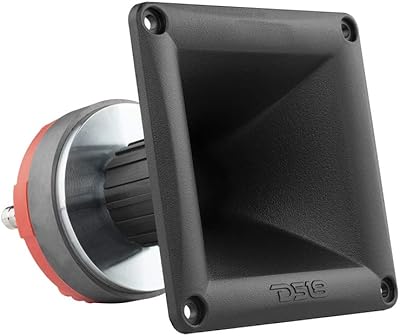
DS18 PRO-DR1PK44 Compression Driver with PRO-H44/BK Horn
86%
96%
High-Frequency Loudness
93%
Sensitivity & Efficiency
88%
Vocal Clarity & Naturalism
86%
Build Quality & Materials
81%
Installation Versatility
More
DS18 PRO-ZXI10MBASS 10-inch Pro Audio Mid Bass Loudspeaker
86%
88%
Sound Quality
91%
Bass Performance
85%
Ease of Installation
87%
Durability and Build Quality
92%
Value for Money
More
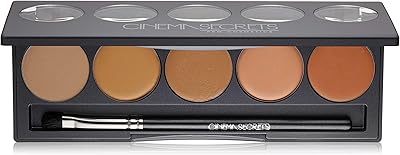
Cinema Secrets Pro Cosmetics Ultimate Corrector 5-In-1 Pro Palette No.1
86%
91%
Effectiveness for Color Correction
88%
Blendability
84%
Coverage Customization
85%
Longevity of Wear
93%
Suitability for All Skin Tones
More
Cinema Secrets Pro Cosmetics Ultimate Foundation 5-In-1 Pro Palette 500A

88%
93%
Coverage & Pigmentation
85%
Skin Compatibility (Sensitive Skin)
88%
Ease of Application
90%
Longevity & Wear
91%
Versatility (Contouring & Concealing)
More
Apple MacBook Pro 14-inch M1 Pro 16GB RAM 1TB SSD
87%
95%
Performance
92%
Display Quality
89%
Battery Life
91%
Build Quality
82%
Value for Money
More
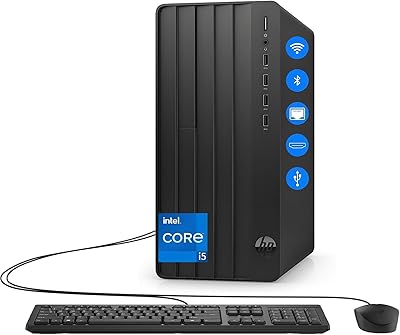
HP Pro Tower 290 G9 Desktop (i5-12500, 32GB RAM, 1TB SSD)
81%
96%
Multitasking Capability
91%
Value for Money
88%
Port Selection
84%
Thermal & Acoustic Performance
93%
Boot Speed & Storage
More
FiiO RETRO NANO
FiiO RETRO NANO
87%
94%
Sound Clarity
91%
Balanced Output
88%
Bluetooth Connectivity
90%
Wired Performance
83%
Battery Life
More
RØDE VideoMic Pro+
RØDE VideoMic Pro+
85%
93%
Audio Clarity
88%
Build Quality
91%
Shock Mount & Isolation
89%
Safety Channel
86%
Power Flexibility
More
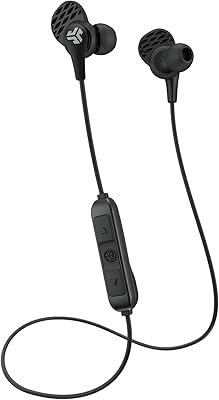
JLab JBuds Pro
JLab JBuds Pro
85%
88%
Sound Quality
85%
Bass Response
91%
Fit & Comfort
82%
Battery Life
78%
Bluetooth Connectivity
More

FAQ

Yes, and this is genuinely one of its strongest use cases. With 2100mW of output and a fully balanced signal path available through either the XLR 4-pin or 4.4mm output, it handles high-impedance and planar magnetic headphones without audible compression or distortion. Most users with flagship-tier cans report it drives them comfortably even at moderate listening volumes.

This is where things get tricky. The output power that makes it great for demanding headphones becomes a liability with sensitive in-ear monitors — background hiss at low volumes is a documented and recurring complaint from IEM users. If IEMs are your primary listening tool, you would be better served by a unit with a dedicated low-gain IEM-optimized output stage.

For most listeners, yes. LDAC at its highest quality setting transmits significantly more data than SBC or AAC, and when streaming from a compatible Android device or Sony player, the difference is audible on well-recorded material. AptX Adaptive goes even further in reducing latency and maintaining quality at variable bitrates. Just keep your source device within a reasonable distance — the Bluetooth range is decent but not exceptional through walls.

Getting basic audio playing is straightforward — connect USB-C to your computer or coaxial to your source, plug in your headphones, and you are done within a few minutes. The complexity comes when trying to configure advanced features like selecting specific Bluetooth codecs, adjusting EQ, or enabling MQA passthrough, where the documentation is not always as clear as it could be. Casual users who just want plug-and-play audio will find it approachable; deeper customization has a learning curve.

The chassis does run warm after extended listening sessions — warm enough to notice when you touch the top panel, but not hot enough to cause any functional concern under normal desktop use. The main practical advice is to avoid placing it inside an enclosed cabinet or directly under other heat-generating equipment. On an open desk with reasonable airflow, most users report no issues even during long sessions.

Yes, and this is one of the more practical advantages of the rear connectivity layout. The RCA and XLR line outputs on the back can feed powered speakers or an external amplifier simultaneously, and you can switch between headphone and speaker use without unplugging anything. It is a genuinely useful feature for home office setups where you alternate between the two regularly.

Honestly, it is the most consistent pain point in user feedback. The app extends certain control options beyond what the front panel offers, but bugs, a clunky interface, and inconsistent behavior across devices have led many users to simply stop using it. Most day-to-day listening can be handled entirely from the hardware controls, and for most people that ends up being the practical solution.

Updates do exist and FiiO does release them to address bugs and occasionally add features, but the process involves more steps than typical plug-and-play firmware updates on competing units. Several users have described it as unnecessarily manual. It is worth doing, particularly if you are experiencing any software-related quirks, but go in prepared to spend some time with the instructions rather than expecting a one-click experience.

On raw measurements, the competing units from Topping and SMSL are genuinely competitive and often come in at lower prices. Where this desktop DAC/amp pulls ahead is in connectivity breadth — particularly the Bluetooth codec support, the range of balanced outputs, and the stainless steel build quality — and for many buyers those differences justify the price gap. If you only care about measured distortion figures and do not need Bluetooth or multiple output types, the competition is worth a serious look.

MQA content is currently delivered almost exclusively through Tidal Masters, so for practical purposes the renderer is a Tidal-specific feature. If you do not subscribe to Tidal or use a platform that delivers MQA-encoded files, this capability sits unused. It functions correctly and reliably for Tidal users, but its long-term relevance has become somewhat uncertain given ongoing shifts in MQA licensing and industry adoption.