

Overview

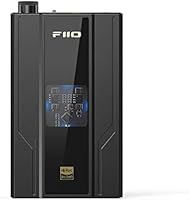
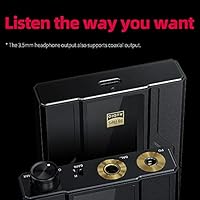
The FiiO Q11 sits in a sweet spot for anyone tired of their smartphone's flat, lifeless audio output. Built around the CS43198 DAC chip, this portable DAC/amp noticeably sharpens instrument separation and brings more texture to the low end compared to what most phones produce natively. The transparent window on the casing is an unusual touch — you can actually see the internals while colored lights signal the current sampling rate. Both a 3.5mm single-ended and a 4.4mm balanced output are on board, giving you real flexibility. This is a solid mid-range option, not an endgame piece, but it punches well for what it costs.

Features & Benefits

The dedicated DAC chip does real work here — it pulls detail from recordings that phone DACs routinely smear or flatten, making familiar tracks feel more open and defined. The 4.4mm balanced output pushes up to 650mW, which comfortably handles headphones in the 32–150 ohm range; push past that into 300-ohm territory and it starts to feel underpowered. The low/high gain switch is a practical touch: low gain keeps sensitive IEMs quiet and controlled, while high gain gives harder-to-drive over-ears the headroom they need. Battery life exceeds 13 hours, genuinely better than most rivals here. USB-C input works smoothly with Android devices; iOS users will need a Lightning adapter.

Best For

This portable DAC/amp is a natural fit for commuters and travelers who want noticeably better sound without carrying desktop gear. If you're running headphones in the moderate impedance range — roughly 32 to 150 ohms — the balanced output delivers a clean, well-powered signal that most phones simply cannot match. The long battery runtime makes it practical for full travel days without hunting for a charger. It also handles DSD256 playback, a real perk if your library includes hi-res files. Where it struggles: very high-impedance headphones at 300 ohms and above won't get enough power, and users who dislike carrying extra hardware will find the added bulk inconvenient.

User Feedback

Owners consistently praise the improved sound clarity over their phone's headphone output, with many noting better instrument separation and a fuller low end. Build quality also gets frequent mentions — FiiO's compact amplifier feels solid and well-finished. On the other side, users with sensitive IEMs report a noticeable hiss on low gain, which is a genuine concern for that pairing. A handful of buyers flagged USB compatibility hiccups with specific Android models, though this appears intermittent rather than widespread. The ambient light window divides opinion: some appreciate the real-time sampling rate feedback; others consider it a novelty that adds little practical value day to day.

Pros

  • Noticeably sharper instrument separation and clarity versus any modern smartphone output.
  • 4.4mm balanced output at this price is rare and delivers real soundstage improvements.
  • 13-plus hours of battery life outlasts nearly every comparable portable DAC/amp in its class.
  • The CS43198 chip handles DSD256 and high-resolution PCM decoding without breaking the bank.
  • Low and high gain settings make it genuinely versatile across a wide range of headphone types.
  • Solid metal build feels premium and holds up reliably to daily bag-and-pocket use.
  • The ambient window gives real-time sampling rate feedback in a visually distinctive way.
  • Both 3.5mm single-ended and 4.4mm balanced outputs are included, covering most cable configurations.
  • USB-C connectivity works plug-and-play with the majority of Android devices and Windows PCs.
  • Strong value for the feature set — balanced output, hi-res support, and long battery in one unit.

Cons

  • Sensitive multi-BA IEMs will reveal an audible hiss floor, especially in quiet listening environments.
  • High-impedance headphones above 250 ohms are noticeably underpowered, limiting pairing options.
  • iOS users must buy a separate adapter, and compatibility is inconsistent across adapter brands.
  • Gain and filter configuration has a real learning curve that frustrates first-time DAC/amp buyers.
  • Intermittent USB recognition failures reported on select Samsung and Xiaomi Android models.
  • Combined weight with a stacked smartphone is heavy enough to make one-handed commuting awkward.
  • No companion guide or clear onboard labeling explains the filter modes to less experienced users.
  • Battery recharge time is slow relative to how long the device takes to fully discharge.
  • The ambient light window can be distracting in dark environments like overnight flights or cinemas.
  • Getting DSD passthrough working correctly requires specific third-party apps and non-obvious settings.

Ratings

The FiiO Q11 scores here reflect AI-synthesized analysis of verified global buyer reviews, with spam, bot-generated, and incentivized feedback actively filtered out before scoring. Across hundreds of real-world impressions, this portable DAC/amp earned strong marks in several key areas while showing clear limitations that honest buyers deserve to know about. Both the genuine strengths and the recurring frustrations are weighted equally in every category below.

Sound Quality
88%
Buyers consistently report a noticeable jump in clarity and instrument separation compared to their phone's built-in output. The CS43198 chip brings a cleaner background and more texture to bass lines, making familiar tracks feel more detailed on daily commutes or long flights.
A portion of users feel the sound character skews slightly analytical rather than warm, which can fatigue listeners on bright-sounding headphones during extended sessions. It is a strong performer at its price tier, but seasoned audiophiles will hear its ceiling relatively quickly.
Driving Power
74%
26%
The 650mW balanced output handles headphones in the 32 to 150 ohm range with confidence, giving commuters running mid-range over-ears a full, controlled sound without straining the amplifier. The low/high gain switch adds useful flexibility when swapping between sensitive IEMs and harder-to-drive cans.
Push into 300-ohm territory and the Q11 starts to sound thin and dynamically compressed — it simply does not have enough headroom for demanding planar magnetics or high-impedance dynamics. Users who own flagship-tier headphones will likely find this a bottleneck.
Battery Life
91%
Exceeding 13 hours of real-world playback is a genuine advantage over most competing portable DAC/amps in this price range, many of which tap out around 8 to 10 hours. Travelers and commuters repeatedly praised finishing full travel days without needing to find a charger.
Recharge time is not particularly fast, which means if you do drain it fully, getting back to a usable charge takes patience. A small number of users reported battery capacity degrading faster than expected after several months of daily use.
Build Quality
83%
FiiO's compact amplifier feels solid and premium in hand, with a metal chassis that resists flex and a finish that holds up well to being tossed in bags and pockets daily. The golden-ringed output ports are a refined detail that gives the unit a more purposeful, well-engineered look.
A few buyers noted that the volume knob feels slightly loose compared to the rest of the unit, which is a minor but noticeable inconsistency in an otherwise tight build. At its weight, some users find it noticeably heavy when stacked with a phone during on-the-go use.
Noise Floor & IEM Compatibility
61%
39%
With most dynamic-driver IEMs at moderate sensitivity levels, background noise is acceptably low and the listening experience is clean. Low gain mode does bring hiss levels down meaningfully, making it a workable pairing for a good portion of the IEM market.
Highly sensitive IEMs — particularly multi-BA driver types — expose a noticeable hiss floor that several users found distracting during quiet passages or between tracks. This is a recurring complaint and a real limitation for buyers whose primary headphones fall into that category.
Hi-Res & DSD Playback
86%
Support for DSD256 and PCM up to 32-bit/384kHz is a meaningful spec at this price point, allowing users to play back high-resolution files from apps like USB Audio Player PRO without downsampling. The ambient window's color-coded sampling rate indicators make it easy to confirm the correct format is being decoded.
Getting DSD passthrough working correctly requires specific apps and settings that are not always intuitive for less experienced users, and the learning curve frustrates some buyers. Native iOS DSD playback remains limited due to Apple's own audio stack restrictions.
USB Compatibility
71%
29%
The USB-C input works reliably with the majority of modern Android devices and Windows PCs, and most users report plug-and-play recognition without needing to install drivers. For Android users specifically, it is one of the more straightforward portable DAC/amp connections available at this price.
A recurring thread in user feedback involves intermittent recognition failures on certain Android models, particularly some Samsung and Xiaomi devices, requiring specific USB audio settings to be toggled manually. iOS users must purchase a separate Lightning-to-USB-C adapter, and functionality can be inconsistent depending on the adapter brand.
Portability & Form Factor
67%
33%
The unit fits comfortably in a jacket pocket or a small bag compartment, and the overall footprint is compact enough that most users adapt to the stacked phone-and-amp setup within a few days. For dedicated listening sessions on trains or planes, the size rarely becomes an issue.
At 13.44 ounces, this portable DAC/amp is noticeably heavier than ultra-compact dongles, and stacking it against a phone adds real bulk that casual listeners may find off-putting. Users who were hoping to keep one hand free while commuting often find the combined stack awkward to manage.
Ambient Light Window
78%
22%
The see-through window revealing the internal PCB, paired with color-coded lights indicating the current sampling rate or DSD status, is genuinely distinctive — nothing else at this price offers that visual feedback. Enthusiasts who care about confirming their source is bit-perfect find it practically useful beyond just looking cool.
Casual buyers are split on whether the window adds any real value once the novelty wears off, and some feel it is a design choice prioritized over other potential improvements. A handful of users noted the lights can be distracting in dark environments like night flights.
Gain & Filter Controls
76%
24%
Having both low and high gain options physically accessible makes it straightforward to optimize volume control range for different headphone types without diving into menus. Most users found the gain switch behavior predictable and useful once they understood what it does.
The absence of clear onboard labeling or a companion guide explaining the filter modes leaves many buyers guessing, and online setup advice is scattered. New users frequently report a frustrating trial-and-error period before settling on the right combination of gain and app settings.
Output Versatility
84%
Having both a 3.5mm single-ended and a 4.4mm balanced output on a sub-100-dollar device is genuinely rare and gives buyers the flexibility to use whichever cable or headphone they already own. Upgrading to a balanced cable later unlocks a wider soundstage and lower crosstalk without needing a new amplifier.
Some users wish a 2.5mm balanced option were also included, as a portion of the audiophile accessory market still favors that connector. The 4.4mm port is excellent when you have the right cable, but sourcing quality 4.4mm cables affordably adds an extra cost consideration.
Value for Money
82%
18%
Relative to competing portable DAC/amps at a similar price, the Q11 offers an unusually complete feature set: balanced output, long battery, DSD support, and a quality DAC chip in one unit. Buyers who compare it against similarly priced options frequently conclude it offers more hardware for the spend.
Buyers who later discover its limitations with high-impedance headphones or sensitive IEMs sometimes feel the value equation shifts, since those use cases represent a meaningful portion of the enthusiast market. It is strong value if the pairing is right, and average value if it is not.
Setup & Ease of Use
69%
31%
For Android and PC users, initial setup is relatively painless — connect via USB-C, enable USB audio in your player app, and you are listening within minutes. The physical controls are minimal and intuitive once the basic functions are understood.
Getting the most out of the device — correct gain settings, filter modes, DSD passthrough — requires a meaningful amount of reading and experimentation that first-time DAC/amp buyers often do not anticipate. Customer support documentation from the manufacturer could be substantially more beginner-friendly.

Suitable for:

The FiiO Q11 is a strong pick for Android users and laptop listeners who are genuinely frustrated by the thin, flat sound their devices produce natively and want a meaningful, all-day portable solution. If your headphones sit in the 32 to 150 ohm range — think popular over-ears from Audio-Technica, Beyerdynamic, or Sennheiser in the mid-impedance bracket — this portable DAC/amp has enough clean power to drive them properly without clipping or losing dynamics. Commuters and frequent travelers will find the 13-plus-hour battery particularly valuable, since most competing devices in this class require a midday top-up that this one simply does not. The 4.4mm balanced output is a genuine differentiator for buyers who already own or plan to buy a balanced cable, unlocking a wider soundstage that most sub-100-dollar devices cannot offer. DSD256 support also makes it a sensible choice for listeners who have invested in hi-res file libraries and want hardware that actually decodes them properly on the go rather than downsampling.

Not suitable for:

The FiiO Q11 is the wrong tool if your headphone collection skews toward high-impedance designs — 250-ohm or 300-ohm dynamics and most planar magnetics will sound underpowered and dynamically compressed, no matter which gain setting you use. Users whose primary listening gear consists of highly sensitive multi-driver IEMs should also be cautious, as the noise floor is audible enough on low-impedance, high-sensitivity earphones to be genuinely distracting during quiet passages. If you dislike carrying extra hardware and prefer a single device in your pocket, the added bulk and weight of stacking this amp against a smartphone will quickly become an annoyance rather than a benefit. iOS users face an extra friction point since a Lightning adapter is required and not always reliable depending on the accessory brand. Finally, buyers expecting plug-and-play simplicity without any learning curve around gain switches, filter modes, or USB audio app configuration may find the initial setup process more involved than anticipated.

Specifications

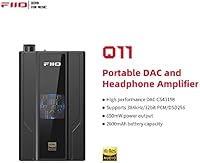
  • DAC Chip: The CS43198 DAC chip from Cirrus Logic handles digital-to-analog conversion, delivering a low noise floor and high dynamic range compared to typical smartphone audio circuitry.
  • PCM Support: Supports PCM audio up to 32-bit/384kHz, allowing playback of high-resolution audio files without downsampling when used with a compatible app.
  • DSD Support: Decodes DSD content natively up to DSD256, covering the most common hi-res DSD formats available in commercial and personal music libraries.
  • Balanced Output: The 4.4mm balanced output delivers up to 650mW of power, providing sufficient headroom for moderate-impedance headphones in the 32 to 150 ohm range.
  • Output Ports: Equipped with both a 3.5mm single-ended and a 4.4mm balanced output, each marked with a golden ring for clear visual identification.
  • Battery Capacity: Houses a 2600mAh lithium-ion battery that supports over 13 hours of continuous playback under typical usage conditions.
  • Input Interface: Connects to source devices via USB-C, compatible with modern Android smartphones, Windows PCs, and Macs; iOS use requires a separate Lightning-to-USB-C adapter.
  • Gain Settings: Offers two selectable gain levels — low and high — via a physical switch, allowing users to optimize volume range and noise floor for different headphone sensitivities.
  • Amplifier Stage: Uses a dual op-amp configuration paired with high-precision crystals and a low-noise power supply to minimize distortion and maintain signal accuracy.
  • Ambient Window: Features a transparent window on the chassis that exposes the internal PCB and illuminates with color-coded LEDs indicating the current sampling rate or DSD format being decoded.
  • Dimensions: Measures 7.28 x 4.45 x 2.09 inches, making it compact enough to fit in a jacket pocket or small bag compartment alongside a smartphone.
  • Weight: Weighs 13.44 ounces, which is heavier than ultra-compact DAC dongles but consistent with portable DAC/amps that include an internal battery.
  • Manufacturer: Designed and manufactured by FiiO, a brand based in Guangzhou, China, with an established track record in portable audio hardware since 2007.
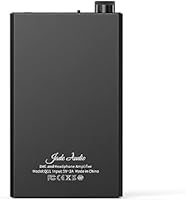
  • Model Number: Official model designation is Q11, part of FiiO's JadeAudio sub-brand line of portable amplifiers targeting the accessible audiophile market.
  • Power Source: Powered by an internal rechargeable lithium-ion battery charged via the USB-C port; no replaceable batteries are required or supported.
  • Operating Temp: Rated for an upper operating temperature of 140 degrees Fahrenheit (60 degrees Celsius), suitable for standard indoor and outdoor portable use conditions.

Related Reviews
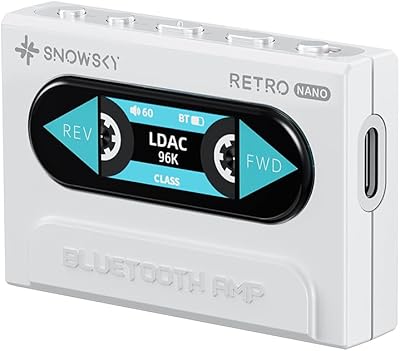
FiiO RETRO NANO
FiiO RETRO NANO
87%
94%
Sound Clarity
91%
Balanced Output
88%
Bluetooth Connectivity
90%
Wired Performance
83%
Battery Life
More
FiiO FH3 HiFi Earphones
84%
91%
Sound Quality
89%
Bass Performance
88%
Comfort for Long Listening Sessions
85%
Build Quality
60%
Cable Durability
More
FiiO M15S Music Player
85%
95%
Audio Quality
91%
Battery Life
67%
Portability
89%
Build Quality
93%
Streaming Support
More
FiiO CP13 Cassette Player
90%
94%
Audio Quality
91%
Build Durability
96%
Battery Life
88%
Portability
89%
Ease of Use
More
FiiO BTR3K
FiiO BTR3K
80%
88%
Sound Quality
91%
Balanced Output Performance
86%
Bluetooth Codec Support
72%
Connection Stability
93%
Portability & Form Factor
More
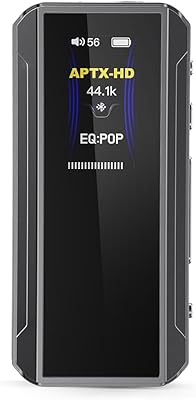
FiiO BTA30Pro Bluetooth Receiver/Transmitter
84%
94%
Audio Quality
80%
Setup & Installation
88%
Bluetooth Range & Connectivity
85%
Portability & Design
86%
Build Quality
More
FiiO BTR13 Bluetooth Headphone Amplifier
85%
93%
Sound Quality
88%
Portability
85%
Bluetooth Connectivity
75%
App & EQ Features
82%
Battery Life
More
NEOQOQO Q11 Open Ear Headphones
87%
92%
Comfort and Fit
78%
Sound Quality
96%
Battery Life
85%
Noise Cancellation
90%
Water Resistance (IPX5)
More
FiiO K7
FiiO K7
84%
93%
Sound Transparency
91%
Amplifier Power
89%
Connectivity & Inputs
92%
Value for Money
78%
Build Quality
More
FiiO BTR17
FiiO BTR17
81%
93%
Sound Quality
91%
Amplifier Power & Output
88%
Bluetooth Codec Support
89%
Versatility & Multi-Mode Operation
79%
Parametric EQ & App Control
More

FAQ

For most Android phones, you just plug in via USB-C and it connects without any driver installation. You will get the best results using a USB audio app like USB Audio Player PRO or Neutron, which bypass Android's own audio processing and let the FiiO Q11 handle decoding directly. The stock music app on some phones works fine too, but you may not get bit-perfect output.

Yes, but you will need a Lightning-to-USB-C adapter, and not all adapters work reliably — Apple's own Camera Adapter is the most consistently compatible option. iOS also has its own audio stack limitations that can affect DSD passthrough, so hi-res DSD playback on iPhone is less reliable than on Android. Basic high-quality audio playback works fine for most iPhone users though.

A simple rule: if your headphones are earphones or sensitive IEMs (small drivers, easy to drive), start on low gain to keep the volume manageable and reduce background noise. If you are using full-size over-ear headphones and the volume feels weak or lacks punch even at higher levels, switch to high gain. When in doubt, low gain is the safer starting point.

Not really, and it is worth being honest about this. The Q11 will technically play audio through the HD 650, but you will likely find the sound thin and lacking dynamics compared to what those headphones are capable of with a proper desktop amp. For 300-ohm cans, a dedicated desktop DAC/amp is a much better investment.

Almost certainly not — this is a known characteristic when pairing highly sensitive IEMs with this amp. The noise floor is audible on very sensitive, low-impedance earphones, particularly multi-driver balanced armature types. If hiss-free IEM listening is a priority for you, this particular portable DAC/amp may not be the best match for your gear.

The colored LEDs inside the transparent window indicate what format the device is currently decoding — different colors correspond to PCM sample rates and DSD formats. It is genuinely useful if you want to confirm your player app is passing audio correctly without downsampling. That said, if you are not the type to care about bit-perfect verification, it is mostly just a distinctive visual detail.

Expect around 2.5 to 3 hours for a full recharge from empty using a standard USB-C charger. It does not support fast charging protocols, so high-wattage chargers will not speed things up significantly. Given the long battery life, most users find they only need to charge it every couple of days with regular daily use.

The Q11 does not have a dedicated line output, so using it purely as a standalone DAC feeding another amplifier is not its intended function. The outputs are amplified headphone outputs, not line-level. For a desktop chain, you would be better served by a dedicated DAC with line-out capability.

First, make sure USB audio output is enabled in your phone's developer options or audio settings — some Android builds have it toggled off by default. Also try a different USB-C cable, as not all cables carry audio data reliably. If the problem persists on a specific phone model, check online forums for that device, as certain Samsung and Xiaomi models have known quirks with USB audio recognition that require specific workarounds.

Yes, the metal chassis is solid and handles the usual bumps and scratches of bag life well. The output ports feel secure and the overall unit does not creak or flex. The main thing to be mindful of is the transparent window — while it is not fragile, it can pick up surface scratches over time if it is sliding around loose against keys or other hard objects in a bag, so a small pouch is worth considering.