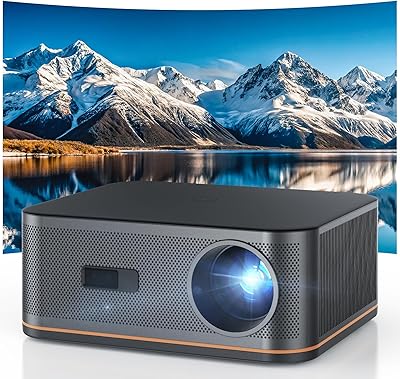
Epson Home Cinema 3800 4K Projector

Overview
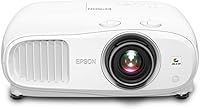
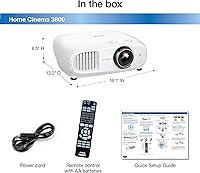
The Epson Home Cinema 3800 4K Projector sits comfortably in the upper tier of the home theater market, built for viewers who want more than a casual big-screen setup. Its defining architectural choice is a 3-chip 3LCD design, which sets it apart from the single-chip DLP projectors that dominate this price range. Before buying, one thing deserves honest clarification: the 4K PRO-UHD label refers to pixel-shifting technology, not native 4K panels — a meaningful distinction if you are comparing spec sheets. Introduced in late 2019, the 3800 still holds its own today. At 15.2 pounds with a 12.99 x 16.14 x 6.46-inch footprint, this is a projector that expects a permanent home.
Features & Benefits
The 3LCD color advantage is where the 3800 genuinely earns its place. Because each of the three chips handles one color channel continuously, color brightness matches white brightness at 3,000 lumens — something single-chip designs rarely achieve without trade-offs. The pixel-shifting process uses those three high-definition panels working in concert to resolve a sharp 3840x2160 image, and in practice the results are impressively detailed. Full 10-bit HDR acceptance, backed by a 12-bit video processing pipeline, keeps gradients smooth and compression artifacts minimal. The 18 Gbps HDMI 2.0 port handles 4K HDR at 60 Hz cleanly, which matters for both gaming and streaming. A 100,000:1 contrast ratio rounds out the picture with genuinely deep blacks.
Best For
This Epson 3LCD projector is best suited to dedicated, light-controlled rooms — a blacked-out basement theater or a media room with blackout curtains — where its brightness and color accuracy can work without fighting ambient light. If you have been frustrated by the flickering rainbow artifacts of DLP projectors, the 3800 fixes that entirely. It is also a strong pick for console and PC gamers who want a large-screen 4K HDR experience at a full 60 Hz. Households upgrading from a 1080p setup will notice a sharp jump in image detail and color richness. The built-in speaker and Bluetooth connectivity mean a usable setup runs quickly, though most buyers at this level will pair it with a dedicated sound system.
User Feedback
With a 4.3-star rating across hundreds of reviews, the consensus on this home cinema projector is largely positive. Owners consistently highlight color accuracy and brightness as standout qualities, particularly for movie watching in dark rooms. The recurring frustration, though, centers on the 4K PRO-UHD naming — buyers expecting fully native 4K resolution sometimes feel misled, so understanding the pixel-shifting distinction upfront genuinely matters. Fan noise surfaces occasionally during longer viewing sessions, and some users note that dialing in throw distance, lens shift, and keystone for an irregularly shaped room takes patience. Long-term owners also flag lamp replacement as a real ownership cost worth planning for. Informed buyers, overall, tend to come away satisfied.
Pros
- Color brightness matches white brightness at 3,000 lumens — a real advantage single-chip DLP projectors rarely deliver.
- The 3-chip 3LCD design permanently eliminates the rainbow effect that plagues many competing projectors.
- Full 10-bit HDR with 12-bit video processing produces smooth gradients and noticeably reduces compression banding.
- HDMI 2.0 at full 18 Gbps handles 4K HDR at 60 Hz cleanly with no signal or handshake issues.
- A 100,000:1 contrast ratio keeps shadow detail intact in dark cinematic scenes rather than crushing to grey.
- Lens shift gives meaningful physical placement flexibility for rooms where throw distance is not ideal.
- Buyers upgrading from 1080p setups report a clear and immediate improvement in image detail and color richness.
- Bluetooth connectivity allows wireless audio pairing for straightforward casual setups without cable runs.
- Solid build quality and a well-organized menu system reward buyers who invest time in proper calibration.
Cons
- Pixel-shifting 4K is not native 4K — fine detail in static scenes can fall short of true 4K projectors at similar prices.
- Fan noise becomes an audible presence during quiet dialogue scenes, particularly in very silent rooms.
- Lamp replacement is a recurring ownership cost that laser-based competitors simply do not have.
- Initial setup — balancing throw distance, lens shift, and keystone simultaneously — takes significant patience.
- HDR highlights lack the punchy intensity that high-nit TVs or laser projectors deliver; the result reads as competent rather than dramatic.
- The projector underperforms in rooms with any meaningful ambient light, limiting placement options significantly.
- The built-in speaker is inadequate for serious cinema use and essentially requires a separate audio investment.
- At 15.2 pounds and a large footprint, this home cinema projector demands a permanent, dedicated installation rather than flexible repositioning.
- Spec inconsistencies across retail listings — particularly around the HDMI version — have created confusion and mismatched buyer expectations.
Ratings
The Epson Home Cinema 3800 4K Projector earns its place as one of the more scrutinized projectors in its price tier, and our AI rating system has processed verified buyer reviews from global markets — actively filtering out incentivized, bot-generated, and unverified submissions — to produce the scores below. The results reflect a product with genuine strengths in color performance and brightness, alongside real trade-offs that informed buyers deserve to know about before committing.
Color Accuracy
Brightness Performance
Image Sharpness & 4K Detail
HDR Performance
Contrast & Black Levels
Gaming Performance
Setup & Installation
Fan Noise
Build Quality & Design
Lamp Life & Replacement Cost
Connectivity & Compatibility
Built-in Audio
Value for Money
Suitable for:
The Epson Home Cinema 3800 4K Projector is built for buyers who are serious enough about their viewing experience to dedicate a room — or at least a well-controlled space — to it. If you have a basement media room, a blacked-out spare bedroom, or a proper home theater setup with blackout curtains, this is where the 3800 earns every dollar. It is an especially strong fit for anyone who has been burned by the rainbow effect on DLP projectors — the 3-chip 3LCD design eliminates that issue entirely, and color-sensitive viewers will notice the difference immediately. Current-gen console gamers who want a large 4K HDR image at 60 Hz will find the connectivity and processing pipeline up to the task for story-driven and casual multiplayer gaming. Households upgrading from a 1080p projector will find the jump in detail and color richness a genuinely satisfying step forward, even accounting for the pixel-shifting rather than native 4K resolution.
Not suitable for:
The Epson Home Cinema 3800 4K Projector is not the right call for buyers who want to drop it into a bright living room and watch afternoon sports — 3,000 lumens sounds impressive until ambient light starts winning that fight. Anyone expecting true native 4K pixel density, especially if they plan to compare the image critically against a native 4K display, will likely feel shortchanged by the pixel-shifting approach; the distinction is subtle in motion content but visible in fine-detail static scenes. Competitive gamers who need the lowest possible input lag should verify the response figures independently before buying, as this projector was not designed around gaming-first latency optimization. Buyers who are not prepared for the long-term cost of lamp replacement — or who would prefer a maintenance-free laser light source — should seriously evaluate newer laser alternatives before committing. Finally, anyone expecting a satisfying audio experience from the built-in speaker for cinematic content will be disappointed; a separate sound system is essentially a required companion purchase for this class of projector.
Specifications
- Display Technology: Uses a 3-chip 3LCD design where separate red, green, and blue LCD panels each process their respective color channel simultaneously for every frame.
- Resolution: Outputs a 3840x2160 image via pixel-shifting technology, branded as 4K PRO-UHD, rather than using native 4K LCD panels.
- White Brightness: Rated at 3,000 lumens white brightness, suitable for controlled-light or fully darkened viewing environments.
- Color Brightness: Color brightness is also rated at 3,000 lumens, matching white brightness — a direct result of the 3-chip architecture.
- Contrast Ratio: Delivers a 100,000:1 contrast ratio, supporting rich shadow detail and deep blacks in dark cinematic scenes.
- HDR Support: Accepts full 10-bit HDR source information and processes it through a 12-bit analog-to-digital video pipeline to reduce banding and tonal compression artifacts.
- HDMI Version: Equipped with full 18 Gbps HDMI 2.0, supporting 4K HDR content at up to 60 Hz across all compatible color formats and depths.
- Connectivity: Includes HDMI 2.0 and Bluetooth connectivity for wired source devices and wireless audio pairing respectively.
- Built-in Speaker: Features an integrated speaker suitable for casual audio playback, though it is not intended to replace a dedicated home theater audio system.
- Dimensions: The projector body measures 12.99 x 16.14 x 6.46 inches, requiring a substantial shelf, cabinet, or ceiling mount for permanent installation.
- Weight: Weighs 15.2 pounds, making it a fixed-installation unit rather than a portable or frequently repositioned device.
- Light Source: Uses a traditional lamp-based light source, which requires periodic replacement after extended hours of use at full brightness.
- Video Processing: Performs real-time 12-bit analog-to-digital video processing to smooth tonal transitions and suppress compression artifacts from the final image.
- Recommended Use: Designed primarily for home cinema and gaming applications in dedicated or light-controlled rooms.
- Model Number: The official Epson model number for this unit is V11H959020, which should be referenced when sourcing compatible lamps or accessories.
- Lens Adjustment: Supports lens shift for vertical and horizontal image adjustment without physically repositioning the projector body.
- Keystone Correction: Includes digital keystone correction to compensate for image distortion when the projector cannot be placed perfectly perpendicular to the screen.
- Release Date: First made available in December 2019, placing it in the early wave of consumer pixel-shifting 4K projectors in this price segment.
Related Reviews
Epson Home Cinema 3200 4K Projector
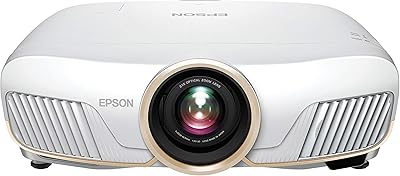
Epson Home Cinema 5050UB 4K Projector
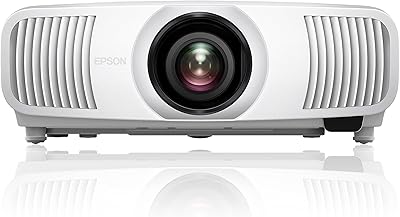
Epson LS11000 4K Laser Home Theater Projector
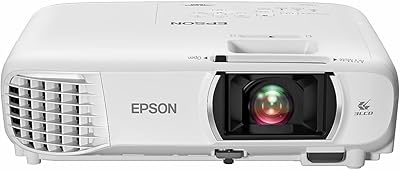
Epson Home Cinema 1080 1080p Projector
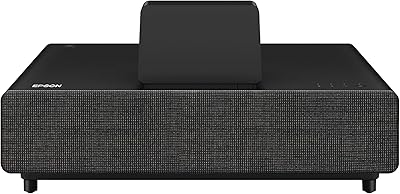
Epson EpiqVision LS500 Ultra Short Throw Projector
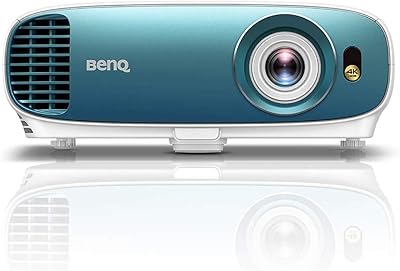
BenQ TK800M 4K Home Theater Projector
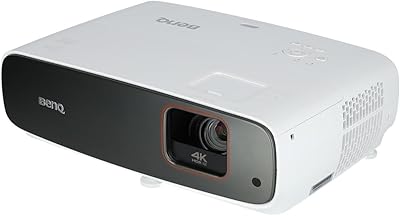
BenQ TK860i 4K Smart Home Theater Projector
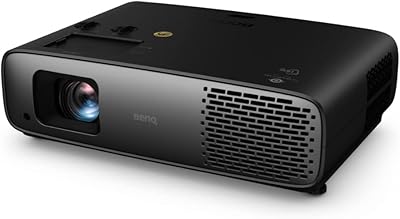
BenQ HT4550i 4K HDR LED Smart Home Theater Projector
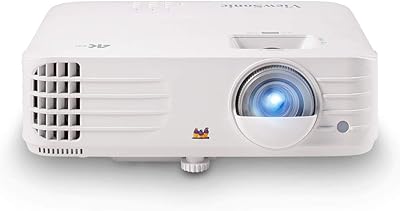
ViewSonic PX701-4K 4K Home Theater Projector