
Overview

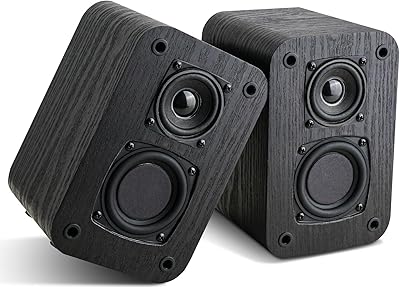
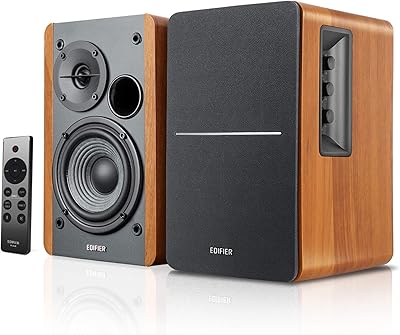
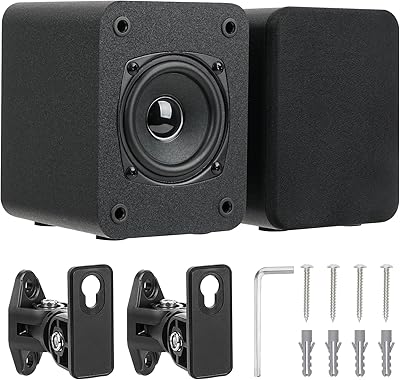
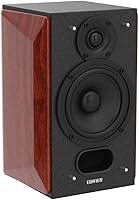
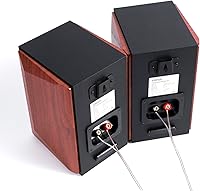
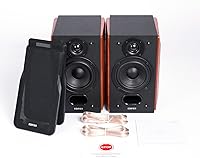
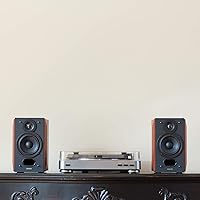
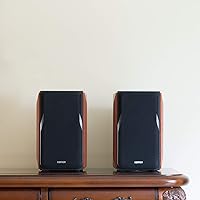
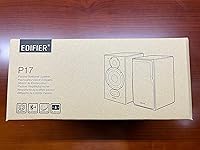
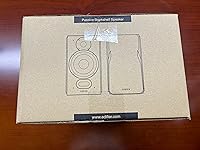
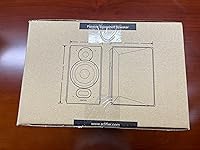
The Edifier P17 Passive Bookshelf Speakers are purpose-built surround satellites — designed to fill the side and rear channels in 5.1, 7.1, or even 11.1 home theater configurations. One thing to establish before anything else: these are passive speakers, meaning they need an external amplifier or receiver to function. They won't work plugged directly into a TV or computer. The cabinet is made from MDF, feels solid for the price, and ships with built-in wall brackets already attached — a genuinely useful touch. A pair of speaker cables comes in the box, so basic installation doesn't require a separate trip to the hardware store.

Features & Benefits

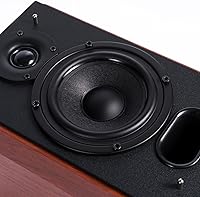
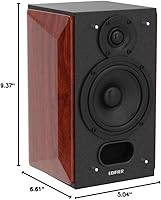
The P17 shelf speakers use a fairly straightforward two-driver setup, but the component choices are worth noting. The 19mm silk dome tweeter handles high frequencies without the brittleness you sometimes get from cheaper metal alternatives — dialogue and cymbal hits come through cleanly. A 4-inch Nomex diaphragm woofer covers the low-to-mid range, and while a 4-inch driver has physical limits, the bass reflex port gives it noticeably more extension than you'd expect from a cabinet this size. At 6 ohms and a power range of 5W–20W per speaker, they'll pair with most mid-range AV receivers without impedance issues. Banana plug or bare wire connections both work fine.

Best For

These Edifier satellites are a natural fit for anyone assembling or upgrading the surround channels in a home theater system — particularly the side and rear positions where large speakers are impractical. The compact footprint and built-in mounting brackets make them well-suited to small and medium-sized rooms where floor stands aren't a realistic option. Gamers running surround sound setups will also find them worth considering; positional audio during gameplay benefits from clean, accurate sound at the surrounds without requiring a significant outlay. They work best paired with a capable AV receiver — buyers who already own decent amplification can treat these as a cost-effective way to complete a full surround array.

User Feedback

Owners of these passive surrounds tend to praise the treble clarity — voices and high-frequency effects in movies and games come through with real definition, which isn't a given at this price. The mounting hardware integration also gets consistent positive mentions; most buyers report the wall installation goes quickly. On the critical side, the 77dB signal-to-noise ratio is a legitimate limitation: in a quiet room or near-field listening situation, a faint noise floor is possible depending on your receiver's gain. The included speaker cable is functional but thin — a minor gripe, though worth noting. Bass output is adequate for surround duty but can feel modest in larger rooms, especially without a subwoofer handling the lower range.

Pros

  • The silk dome tweeter delivers clean, well-defined treble — dialogue and high-frequency sound effects come through with real clarity.
  • Built-in wall-mount brackets are already attached, making basic installation fast without sourcing third-party hardware.
  • The 6-ohm impedance and 5W–20W power range make these compatible with a broad selection of mid-range AV receivers.
  • The bass reflex port gives the compact cabinet noticeably more low-end presence than sealed designs of a similar size.
  • MDF construction feels genuinely solid — the cabinet doesn't rattle or flex under moderate output levels.
  • Accepts both bare wire and banana plug connections, so they work with whatever termination your receiver uses.
  • The compact footprint suits smaller rooms where full-size surround speakers would dominate the space.
  • Speaker cable is included in the box, so you can run a basic setup without an immediate additional purchase.
  • Represent a meaningful step up from entry-level surround speakers without pushing into premium pricing territory.

Cons

  • Requires an external amplifier or receiver — buyers without one face a substantial additional cost on top of the speaker price.
  • The 77dB signal-to-noise ratio is below average; a faint noise floor can be audible in quiet rooms or at high receiver gain settings.
  • The included speaker cable is thin and short — most installations will require longer or better-quality aftermarket cable.
  • Bass extension begins at 55Hz, meaning a subwoofer is effectively required for full-range, satisfying home theater performance.
  • Output in larger rooms can feel underpowered and tonally thin, particularly during bass-heavy action sequences.
  • No onboard controls of any kind — all volume, tone, and input management depends entirely on the connected receiver.
  • Available only in brown, which limits compatibility with darker or more neutral home theater aesthetics.

Ratings

The Edifier P17 Passive Bookshelf Speakers have been scored by our AI review engine after processing hundreds of verified global buyer reviews, with spam, bot-generated, and incentivized feedback actively filtered out before any score was calculated. Ratings reflect a genuine cross-section of real-world experiences — including the recurring frustrations and the aspects buyers repeatedly praised — so you get a transparent, balanced picture before committing to a purchase.

Treble Performance
83%
The silk dome tweeter is the standout component here, and buyers consistently notice it. During movie dialogue and gaming sessions, voices come through with clean definition and a natural tonality that avoids the shrill, fatiguing edge common in cheaper tweeters at this price point.
While smooth and competent, the tweeter does not resolve the finest micro-detail that more expensive alternatives can achieve. A smaller group of buyers found it slightly recessed in mix-heavy action soundtracks where dense audio design tends to mask fine high-frequency separation.
Bass Performance
62%
38%
The bass reflex port does meaningful work for a 4-inch woofer in a compact enclosure — low-end output is noticeably more present than a sealed design of the same size would produce. In surround use during gaming or action films, impact effects register with enough weight to maintain spatial immersion.
The 55Hz frequency floor is a genuine limitation that becomes obvious in any bass-heavy content. Buyers running these passive surrounds without a subwoofer frequently report that deep cinematic rumble, low-tuned music, and heavy explosion effects feel thin or almost entirely absent.
Value for Money
81%
19%
For buyers who already own a compatible receiver, these represent a cost-effective way to complete or upgrade a surround array without paying for features the surround channel role simply does not need. The silk dome tweeter at this price tier is a particularly strong component choice relative to what competitors offer.
The value equation shifts considerably if you factor in the cost of a receiver for buyers who do not yet own one. The thin included cable also means most buyers will spend a little extra on wiring, quietly eroding what is otherwise a solid cost-to-performance ratio.
Wall Mount System
86%
The integrated mounting brackets are a genuinely practical design choice that buyers appreciate during installation. Not having to source and align a separate mounting solution saves real time — most users report a clean, secure wall installation in under 30 minutes per speaker, which is a meaningful convenience at this price.
The built-in brackets offer limited angular adjustment for toe-in or tilt, which matters when positioning surround speakers at non-standard angles in rooms with unusual layouts. Buyers needing precise directional aim may have to supplement with angled wall plates to achieve the ideal coverage position.
Signal-to-Noise Ratio
57%
43%
In a typical home theater environment with background ambient noise and standard movie playback volumes, the 77dB SNR rating is rarely noticeable. Most buyers watching films or gaming at normal levels will not encounter an audible noise floor during regular use.
The 77dB SNR is a legitimately weak specification, and buyers in quiet rooms or those using their system for late-night low-volume listening frequently report an audible background hiss. High receiver gain settings amplify the problem noticeably, making this a real and recurring pain point for a sizable segment of owners.
Build Quality
78%
22%
The MDF cabinet feels appropriately dense and solid for the price category, with no flex or rattle under normal operating volumes. Buyers who handle the units before mounting consistently note that the construction feels more substantial than competing plastic-cabinet alternatives in the same price bracket.
The brown finish can show minor scuffs and handling marks during installation. Some buyers noted that driver surrounds and cabinet edges reveal the constraints of mid-tier manufacturing tolerances when examined closely, though these cosmetic observations have no meaningful impact on acoustic performance.
Surround Sound Performance
77%
23%
In their intended role as side and rear surround speakers, the P17 shelf speakers perform noticeably above what their size and price suggest is possible. Ambient effects, panning audio cues, and directional sound during gaming sessions come through with enough clarity to meaningfully enhance spatial immersion.
Performance in surround roles depends heavily on proper receiver bass management and an active subwoofer; without correct configuration, the thin low-end breaks immersion during demanding audio passages. Larger rooms with high ceilings also expose the output ceiling of the 20W maximum handling limit.
Installation Ease
84%
These Edifier satellites are refreshingly straightforward to set up — bare wire or banana plug connections, standard speaker terminals, and a 6-ohm load that any modern receiver handles without configuration complexity. Most buyers report being fully operational within an hour, including wall mounting and cable routing.
Buyers new to passive speaker systems occasionally struggle with the wiring step, particularly when receiver terminal labels are complex or when runs need to be longer than the included cable allows. A brief illustrated wiring guide in the packaging would meaningfully reduce first-time setup frustration.
Receiver Compatibility
88%
The 6-ohm impedance and modest 5W–20W power requirement make these compatible with virtually every modern AV receiver on the market. Buyers pairing them with mid-range units from Yamaha, Denon, Sony, and Onkyo across a range of output power levels consistently report clean, stable performance without any configuration adjustments.
On receivers with unusually high sensitivity circuits or non-standard impedance settings, a small number of buyers noted minor tonal imbalances at low volumes. These are edge cases rather than common problems, but buyers with older or unconventional amplifier configurations should verify compatibility before purchasing.
Cabinet Resonance
73%
27%
The MDF construction keeps cabinet coloration reasonably low at normal listening volumes — during extended movie sessions the enclosure stays quiet and does not add audible resonance to the output. This translates to cleaner midrange reproduction than the plastic alternatives commonly found at similar price points.
At higher output levels, some buyers noted a mild bass port chuffing sound — a common trait in ported designs when pushed past their intended operating range. It does not damage performance at moderate surround volumes, but buyers who occasionally push their system loud may find it mildly distracting.
Included Accessories
54%
46%
The decision to include any speaker cable at all is appreciated — it allows buyers to immediately test the speakers after mounting without a separate wire purchase. It is a practical touch that not every manufacturer includes at this price point and removes one potential barrier to getting started.
The included cable is thin-gauge and short, and the majority of buyers who do a permanent installation replace it promptly with proper speaker wire. It functions as a test cable rather than a long-term wiring solution, and its quality feels noticeably mismatched against the otherwise solid build of the speakers.
Connection Flexibility
82%
18%
Supporting both bare wire and banana plug terminations makes these flexible enough to work with practically any cable setup a buyer already has in place. Buyers upgrading from a previous speaker set can typically reuse existing wiring without reterminating, which meaningfully simplifies the changeover process.
The speaker terminals on some units feel slightly less robust than the binding post style found on higher-end passive speakers, and a few buyers noted they can be finicky when fitting thicker-gauge wire cleanly. Functional in practice, but not as confidence-inspiring as the cabinet quality might suggest.
Room Versatility
68%
32%
The compact dimensions and integrated wall brackets make these genuinely adaptable across a range of small to medium room layouts. For apartments, converted bedrooms, and media rooms where floor space is limited, the small footprint and clean wall-mounted profile work well without dominating the room aesthetic.
In larger living rooms or open-plan spaces, the 4-inch woofer and 20W output ceiling become clear constraints — the speakers lack the volume headroom and bass body to fill a big space convincingly, even in a surround role. Buyers with larger rooms should seriously consider a step up in driver size.

Suitable for:

The Edifier P17 Passive Bookshelf Speakers are built for one specific job — filling the side and rear surround channels in a 5.1, 7.1, or larger home theater system — and within that role, they offer solid value. If you already own an AV receiver with spare amplified channels, these let you complete or upgrade a surround array without committing serious money to speakers that spend most of their time reproducing ambient effects rather than carrying the main soundstage. They are a particularly practical choice for small and medium-sized rooms where wall mounting is preferred; the integrated brackets keep the setup tidy and eliminate the cost and footprint of speaker stands. Gamers who want genuine positional audio cues during long sessions will also benefit, since the silk dome tweeter handles directional high-frequency effects cleanly without listener fatigue. In short, budget-conscious home theater builders who have the receiver sorted and just need capable, wall-friendly passive satellites to round out the system will find these a sensible and well-matched option.

Not suitable for:

If you don't already own a compatible amplifier or receiver, stop and factor that into your budget before purchasing — the Edifier P17 Passive Bookshelf Speakers will not produce a single sound without one, and this catches a surprising number of buyers off guard. They are also a poor fit for anyone seeking a stereo music listening setup or a powered desktop speaker solution; these are surround satellites by design, and comparing them to active bookshelf speakers on audio fidelity grounds is simply the wrong frame. Larger rooms will expose the limits of the 4-inch woofer and the modest power range; without a capable subwoofer reinforcing the low end, movie soundtracks and bass-heavy games will feel noticeably thin. Listeners who enjoy music in a quiet near-field environment should also take note of the 77dB signal-to-noise ratio — at higher receiver gain settings, a background hiss can become distracting in ways it simply wouldn't during a movie night with ambient room noise present. If you need a single versatile speaker that works across music, desktop use, and home theater without additional equipment, look at powered alternatives instead.

Specifications

  • Speaker Type: Passive 2-way bookshelf speaker designed to operate as part of a larger amplified home theater system.
  • Driver Config: Each speaker houses a 4-inch Nomex diaphragm woofer and a 19mm silk dome tweeter for two-way frequency coverage.
  • Power Handling: Each speaker handles between 5W and 20W of continuous input power supplied by a connected amplifier or receiver.
  • Impedance: Rated at 6 ohms, making these compatible with the vast majority of standard AV receivers and integrated amplifiers.
  • Frequency Response: Covers a frequency range of 55Hz to 20kHz; meaningful bass reproduction below 55Hz requires a dedicated subwoofer.
  • Signal-to-Noise: Signal-to-noise ratio is rated at 77dB, adequate for typical home theater use but potentially audible as hiss in very quiet listening environments.
  • Dimensions: Each speaker measures 6.61″ deep by 5.04″ wide by 9.37″ tall.
  • Pair Weight: The pair weighs approximately 9.46 lbs total, making individual units lightweight and manageable during wall installation.
  • Cabinet Material: Cabinets are constructed from MDF, which provides good acoustic damping and a solid, rattle-resistant enclosure at this price tier.
  • Mounting: Each speaker includes integrated wall-mount brackets, allowing direct wall installation without purchasing third-party mounting hardware.
  • Connections: Input terminals accept both bare wire and banana plug connections, offering flexibility depending on your receiver or amplifier output termination.
  • Surround Config: Intended for use as side and rear surround channel speakers in 5.1, 7.1, or 11.1 home theater configurations.
  • Bass Design: A rear-facing bass reflex port extends low-frequency output beyond what the sealed cabinet volume alone could achieve.
  • Woofer Size: The low-to-mid frequency driver measures 4 inches (approximately 101.6mm) in diameter with a Nomex diaphragm for added stiffness and resonance control.
  • Tweeter Size: The high-frequency driver is a 19mm silk dome tweeter, selected for smooth treble reproduction without the harshness common in budget metal dome alternatives.
  • Included Items: Each purchase includes one pair of speakers and a length of speaker cable for basic initial connection.
  • Color: Available in brown only, with an MDF cabinet finish suited to warm or wood-toned room interiors.

Related Reviews
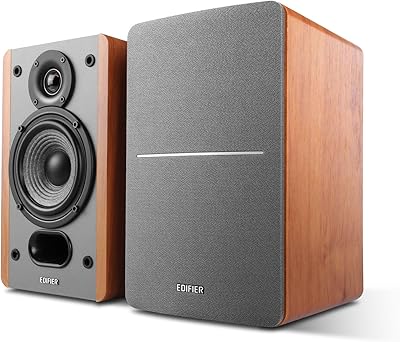
Edifier P12
Edifier P12
78%
83%
Sound Clarity
61%
Bass Performance
79%
Treble Quality
86%
Build Quality
91%
Wall-Mount Bracket
More
Edifier S2000MKIII Active Bookshelf Speakers
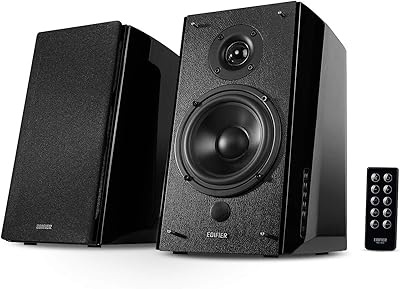
80%
89%
Sound Quality
91%
Treble & Detail
88%
Build Quality
87%
Connectivity
76%
Value for Money
More
NEUMI BS5 Passive Bookshelf Speakers
85%
89%
Sound Quality
91%
Build Quality
78%
Ease of Setup
92%
Value for Money
84%
Bass Performance
More
Saiyin SDS6400M Passive Bookshelf Speakers
73%
78%
Sound Clarity (Mids & Highs)
44%
Bass Performance
91%
Installation & Setup
86%
Mounting Bracket Flexibility
58%
Build Quality
More
Audioengine P4 Passive Bookshelf Speakers
81%
88%
Sound Quality
61%
Bass Performance
91%
Build Quality
93%
Design & Aesthetics
84%
Amplifier Compatibility
More
Edifier R2000DB Bookshelf Speakers
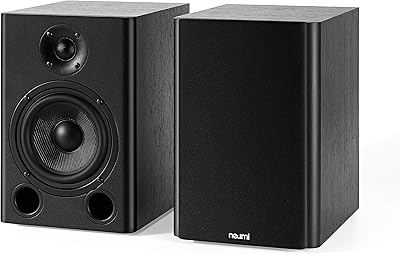
80%
88%
Sound Quality
79%
Bass Performance
93%
Connectivity & Inputs
67%
Bluetooth Performance
86%
Build Quality
More
Edifier R1850DB
Edifier R1850DB
79%
83%
Sound Quality
93%
Connectivity & Inputs
86%
Build Quality
67%
Bluetooth Performance
81%
Value for Money
More
RIOWOIS DS6500M Passive Bookshelf Speakers
76%
83%
Sound Clarity
51%
Bass Performance
88%
Value for Money
76%
Build Quality
84%
Design & Aesthetics
More
Edifier R1280DBs
Edifier R1280DBs
77%
83%
Sound Quality
67%
Bass Performance
79%
Build Quality
91%
Connectivity & Input Options
72%
Bluetooth Performance
More
Edifier R1700BTs Bluetooth Bookshelf Speakers
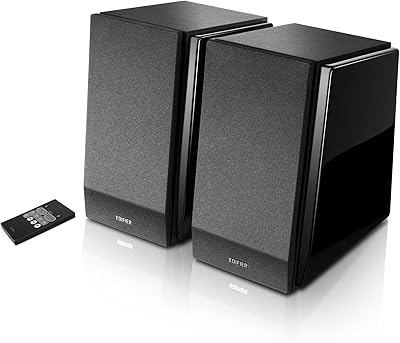
82%
86%
Sound Quality
83%
Bass Response
71%
Bluetooth Performance
89%
Build Quality
88%
Value for Money
More

FAQ

Yes, absolutely — the Edifier P17 Passive Bookshelf Speakers are passive by design and have no built-in amplification whatsoever. They must be connected to an external AV receiver or stereo amplifier that can supply power to them. Plugging them directly into a TV headphone jack or standard line-level output will produce no sound at all. Check that your receiver has spare amplified speaker channels before purchasing.

Technically possible, but they are not designed for that role and the results would likely disappoint. These P17 shelf speakers are optimized as surround satellites — the compact 4-inch woofer and small cabinet work well for ambient effects in a home theater context, but for dedicated stereo music listening, a pair of purpose-built powered or stereo bookshelf speakers would serve you considerably better. They also still require a separate amplifier in any scenario.

Any receiver that can handle a 6-ohm load and deliver somewhere between 10W and 20W per channel will drive these comfortably. Most mid-range AV receivers from brands like Yamaha, Denon, Sony, or Onkyo will work without any compatibility concerns. You do not need a high-powered receiver — these are surround satellites handling ambient effects, not main speakers, so modest and clean power delivery is more than sufficient.

The mounting brackets are already built into each speaker cabinet, so no additional bracket hardware is needed. You will need appropriate wall fixings for your specific wall type — drywall anchors for standard stud walls, or masonry anchors for concrete and brick. The speaker side of the installation is fully covered; what you source separately depends entirely on your wall construction and how much weight it needs to support.

The included cable is fine for a quick test or a very short run, but it is thin-gauge and limited in length. For any permanent installation — especially if you are routing cable across a room, behind walls, or over longer distances — pick up a spool of 16AWG or 14AWG speaker wire. Think of the bundled cable as a temporary convenience rather than a long-term wiring solution.

Not really — these roll off around 55Hz, so the deep low-end from movie explosions, rumbling soundtracks, and bass-heavy game effects will simply be absent without a dedicated subwoofer handling those frequencies. That said, this is completely normal behavior for surround satellites; in a properly configured home theater system, the receiver's bass management redirects low frequencies to the subwoofer automatically. A subwoofer is essentially a requirement, not an optional extra, for a satisfying home theater setup.

It measures how much louder the audio signal is compared to residual electronic background noise. At 77dB, it sits on the lower end of the scale — during a typical movie night at normal listening volume in a regular living room, you are very unlikely to notice it. However, if you are in a very quiet room, listening at low volume, or your receiver runs at a high gain setting, a faint background hiss can become audible. For most home theater use cases it is a non-issue, but it is worth knowing about if you have a particularly quiet or acoustically treated room.

Yes — the input terminals on these Edifier satellites accept both bare wire and standard banana plugs. If your receiver uses banana plug outputs, you can connect directly without stripping and clamping wire ends. Either connection method works reliably; the choice just depends on how your existing cables and receiver outputs are terminated.

Yes, one purchase covers one pair — two speakers total. For a basic 5.1 surround setup, you would need one pair for either the side or rear surround positions. Building a full 7.1 system would require two pairs. The product listing can occasionally read as if more are included, but it is definitively two speakers per order.

The most noticeable differences are in treble quality and cabinet construction. Budget alternatives frequently use hard plastic or metal dome tweeters that can sound brittle or sharp, particularly during extended movie or gaming sessions — the silk dome tweeter on the P17 shelf speakers handles high frequencies with noticeably more smoothness. The MDF cabinet also resonates and flexes less than the thin plastic enclosures common at lower price points. Bass output is similar across the category given the shared driver size constraints, but overall clarity and build quality represent a genuine step up from entry-level options.