Overview

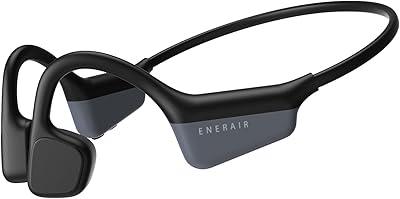
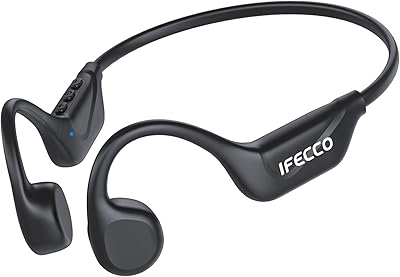
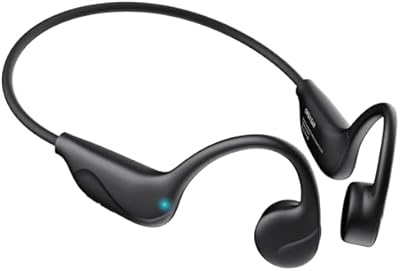
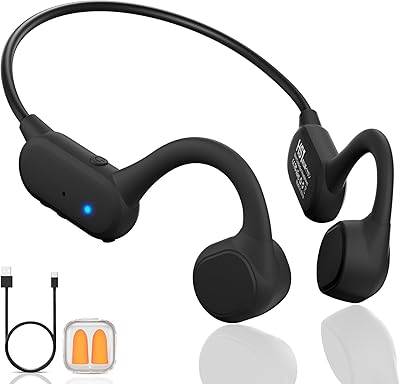
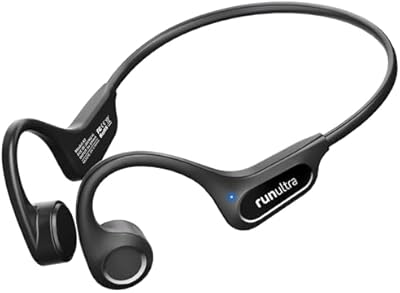
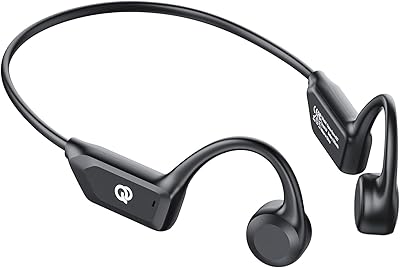
The DEMICEA LibreRun X6 Bone Conduction Headphones enter a crowded but still niche market — active users who want music without sacrificing awareness of their surroundings. Priced in the mid-range, they sit below established names like Shokz but aim to compete on specs rather than brand recognition. What makes them stand out on paper is the dual-use design: stream via Bluetooth or load up the 32GB built-in storage and leave your phone at home. The frame is a flexible titanium alloy that keeps weight under one ounce. Worth noting upfront: bone conduction audio simply cannot replicate the bass depth or sound isolation of traditional earbuds, and that trade-off is real.
Features & Benefits

The LibreRun X6 uses a 16mm bone conduction driver paired with what the brand calls ResoRich and EEE Technology — the latter aimed at reducing electromagnetic interference for cleaner audio. In practice, the result is better-than-expected clarity for podcasts and vocals, though heavy bass tracks still reveal the format's limits. The IP68 waterproof rating, backed by a nano-hydrophobic coating, means it handles sweat, rain, and brief submersion without issue. Bluetooth 5.3 brings AAC and SBC codec support; the claimed 300-meter range is a manufacturer figure under ideal conditions, so real-world performance will vary. And the quick-charge feature — five minutes for 30 minutes of playback — is a practical bonus.

Best For

These bone conduction sport headphones are most at home on the cheekbones of runners and cyclists who share roads or trails with traffic. Keeping your ears open is a real safety benefit, not a marketing angle. Swimmers and heavy sweaters will also appreciate the IP68 protection, which removes the usual anxiety about ruining headphones mid-workout. If you train without your phone, the built-in MP3 player makes this an obvious pick. People with ear canal sensitivity or chronic discomfort from in-ear buds will find the open-ear format genuinely refreshing. And for budget-conscious buyers just getting started with bone conduction technology, this is a reasonable first step without overcommitting financially.

User Feedback

Across over a thousand ratings, the LibreRun X6 holds a 4.3 out of 5 — a solid score for a less-established brand. Buyers consistently call out the comfortable fit during long runs and the secure hold that doesn't shift mid-workout. The waterproofing also gets positive mentions, with users reporting it holds up after sweaty sessions and wet-weather runs. On the downside, audio leakage at higher volumes gets regular mentions — expected for this format, but worth knowing. The proprietary magnetic cable frustrates a handful of reviewers who find it easy to misplace. The button controls also have a small learning curve. As for the 32GB storage, reactions are genuinely split between those who use it daily and those who never bother.

Pros

  • At under one ounce, the LibreRun X6 is light enough to forget you are wearing it across long training sessions.
  • IP68 waterproofing handles heavy sweat, rain, and brief water exposure without any special care required.
  • Eight hours of playback from a two-hour charge covers most endurance training days comfortably.
  • A five-minute quick charge delivers 30 more minutes of music — genuinely useful before a spontaneous workout.
  • The 32GB built-in storage means you can train phone-free without giving up your full playlist.
  • Open-ear design keeps you aware of traffic, trail hazards, and other runners without fumbling with earbuds.
  • Bluetooth 5.3 with AAC codec support provides cleaner wireless audio than older Bluetooth versions at this price point.
  • The flexible titanium alloy frame holds its shape reliably and stays secure even during high-intensity movement.
  • A built-in microphone handles calls adequately, so phone functionality is not lost mid-run.
  • A 4.3 out of 5 rating across over a thousand buyer reviews is a strong signal for a lesser-known brand.

Cons

  • Bone conduction audio lacks the bass depth and sound richness that even modestly priced in-ear earbuds can deliver.
  • Audio leakage at higher volumes is noticeable and can be disruptive in quiet or shared spaces.
  • The proprietary magnetic charging cable cannot be swapped for a standard cable and is easy to misplace.
  • Button controls have a learning curve — the layout is not immediately intuitive for first-time users.
  • The claimed 300-meter Bluetooth range is a manufacturer figure under ideal conditions; real-world distance is considerably shorter.
  • No passive or active noise isolation makes these a poor choice for loud commutes or open-plan offices.
  • Bass-heavy genres like electronic, hip-hop, or metal sound noticeably thin through bone conduction drivers.
  • Some buyers find the MP3 storage more of an occasional novelty than a feature they actually use day to day.
  • DEMICEA is a relatively unknown brand, and long-term durability beyond the initial ownership period remains an open question.

Ratings

Our editorial team used AI-assisted analysis to evaluate thousands of verified global buyer reviews of the DEMICEA LibreRun X6 Bone Conduction Headphones, actively filtering out incentivized, bot-generated, and repeat submissions to surface what real users consistently experience. The scores below reflect an honest synthesis of both the strengths that keep buyers recommending these headphones and the friction points that show up repeatedly in critical feedback. Nothing has been smoothed over — the ratings cover the full picture.

Wearing Comfort
91%
Runners and cyclists with multi-hour sessions consistently report that the flexible titanium frame and silicone cushions disappear from awareness after the first few minutes. At under one ounce, the fit does not create the pressure headaches or ear fatigue that in-ear designs often cause on long outings.
A small share of buyers with narrower heads mention slightly loose contact that reduces bone conduction effectiveness during fast head movements. The wraparound frame can also create minor friction against thicker glasses arms, which some users found mildly irritating over time.
Waterproofing
88%
The IP68 rating with nano-hydrophobic coating earns consistent praise from gym regulars and outdoor athletes who train in rain without worrying about damage. Multiple buyers report months of heavy sweat exposure with no performance degradation, which is the practical test that matters most.
A handful of users who attempted more extended submersion — longer pool laps or open-water swimming — noted occasional performance issues over time, suggesting the IP68 protection is best treated as sweat and splash resistant rather than a full aquatic endorsement. Edge-case durability beyond normal sport use is less proven.
Audio Quality
67%
33%
For podcasts, audiobooks, and vocal-led music like pop or folk, the LibreRun X6 delivers clear, intelligible audio that holds up well at outdoor volume levels. The proprietary audio processing does a reasonable job of reducing interference noise compared to cheaper bone conduction alternatives.
Bass-heavy genres expose the fundamental limits of the bone conduction format — electronic, hip-hop, and rock tracks sound noticeably thin, lacking the low-end presence even budget in-ear earbuds provide. Buyers who switched from traditional earbuds specifically for audio quality are routinely disappointed, and that expectation gap shows up often in lower ratings.
Battery Life
84%
Eight hours of playback is enough to cover a marathon, a full cycling day, or several gym sessions without reaching for a charger, and most buyers confirm the rated figure holds reasonably close in real use. The five-minute quick-charge feature rescuing 30 minutes of playback is a practical detail that gets genuine appreciation in reviews.
The proprietary magnetic cable means you cannot charge with a standard cable in a pinch, so if the cable is left at home, the battery becomes a hard stop rather than a manageable inconvenience. A few buyers in colder climates also report slightly reduced runtime, which is typical for lithium batteries but worth noting for winter outdoor use.
Build Quality
76%
24%
The titanium alloy frame feels premium relative to the price point and has a satisfying flex-and-return quality that suggests reasonable long-term resilience. Most buyers describe the overall construction as solid and well-finished for a brand at this market tier.
The ABS plastic housing around the transducers does feel less refined on close inspection compared to established competitors, and a subset of longer-term users raise questions about durability beyond the first year. The brand is still relatively new, so there is limited evidence of how the build holds up after extended heavy use.
Secure Fit
83%
During trail runs, cycling, and high-impact gym work, the wraparound titanium frame maintains contact without the constant micro-adjustments that wired earbuds or looser headsets demand. Buyers who previously dealt with earbuds falling out during workouts specifically call this out as a meaningful upgrade.
The fit security is more dependent on head shape than the marketing implies — buyers with smaller or narrower heads report a looser feel that occasionally lets the transducers drift slightly off the optimal contact point, reducing audio transmission noticeably.
Phone-Free Playback
78%
22%
The 32GB onboard storage genuinely appeals to swimmers, trail runners, and anyone who trains where carrying a phone is impractical or inadvisable. Buyers who use it regularly describe the setup process as straightforward once they understand the magnetic cable doubles as a data transfer cable.
Opinion on this feature is clearly split — a meaningful portion of buyers load songs initially and then rarely return to the MP3 mode once they realize Bluetooth is more convenient for everyday use. File management also requires a wired computer connection each time, which feels dated compared to wireless sync options on other devices.
Bluetooth Performance
79%
21%
Bluetooth 5.3 with AAC codec support provides a stable connection and noticeably cleaner audio than older Bluetooth 4.x devices in the same price range. Connection drop-outs during typical urban running routes are uncommon, and initial pairing is described as quick and reliable.
The claimed 300-meter wireless range is a manufacturer spec under open-field ideal conditions and should not be taken at face value — real-world range in urban environments with interference is far shorter and comparable to other mid-range Bluetooth sport headphones. Signal stability also dips when the phone is in a bag or pocket with multiple obstructions.
Audio Leakage
58%
42%
At moderate volume levels — which is where most outdoor athletes actually run — sound leakage is minimal and unlikely to be noticeable to people within a few feet. For solo training environments like trails or tracks, leakage is essentially a non-issue.
Cranking the volume to compensate for wind noise or ambient gym sounds pushes leakage into clearly audible territory for people within arm's reach, which is a real problem for office use or public transit. This is an inherent bone conduction limitation, but it manifests more noticeably in this open-ear headphone than in some competitors with better directional shielding.
Charging System
54%
46%
The magnetic connector does snap on quickly and charges at a reasonable pace, reaching full battery in around two hours without requiring careful plug alignment in the dark or after a run. Buyers who keep the cable in a consistent place report no day-to-day frustration with it.
The proprietary magnetic cable is the single most consistent practical complaint across reviews — it cannot be replaced by any standard cable, and losing it leaves the headphones unusable for charging and MP3 sync until a replacement arrives. The lack of USB-C compatibility feels like an avoidable design choice at this price point in the current market.
Microphone Quality
63%
37%
For brief calls mid-run or quick check-ins, the built-in microphone performs adequately and the caller-side experience is reported as acceptable in calm conditions. The hands-free functionality works reliably enough that most buyers consider it a useful backup rather than an afterthought.
In windy outdoor conditions — which is exactly when a sport headphone microphone is most likely to be used — pickup quality degrades significantly and callers frequently report struggling to hear clearly. The microphone is functional for convenience but is not a selling point that should influence a purchase decision.
Situational Awareness
93%
This is the single strongest functional argument for open-ear bone conduction design, and buyers who run near traffic or on mixed-use trails consistently highlight it as the feature that keeps them coming back. Hearing cars, cyclists, and pedestrians naturally while listening to audio is a safety improvement that in-ear alternatives simply cannot replicate.
Paradoxically, the same openness that makes awareness excellent becomes a weakness in very noisy environments — gym floors with loud music, busy intersections, or construction zones can overwhelm the audio enough that users are forced to raise volume to compensate, partially undermining the awareness benefit.
Value for Money
74%
26%
Compared to premium bone conduction brands that command significantly higher prices for the same core technology, these bone conduction sport headphones offer a practical entry point with a feature set — IP68, 32GB storage, Bluetooth 5.3 — that punches reasonably above its tier. For first-time bone conduction buyers, the value proposition is legitimate.
Buyers who have owned Shokz or similar flagship alternatives often find the step-down in audio refinement and build confidence noticeable enough to question the savings. Long-term value is also harder to assess for a newer brand without the track record to confirm multi-year durability.
Controls & Usability
66%
34%
Physical button controls are reliable and function in wet conditions without the accidental activations that touchpad-based sport headphones suffer from during sweaty runs. Once the button layout is memorized after a few uses, basic playback and volume control is manageable without looking.
The learning curve is steeper than it needs to be — the button layout is not intuitive out of the box and several reviewers mention accidentally skipping tracks or triggering voice commands during early use. There is no companion app to remap controls or adjust EQ, which limits the ability to personalize the experience.

Suitable for:

The DEMICEA LibreRun X6 Bone Conduction Headphones are built for people who need to stay aware of their environment while still enjoying their audio. Road runners and cyclists are the obvious fit — hearing traffic, other cyclists, or trail hazards is a genuine safety consideration that in-ear headphones quietly eliminate. The IP68 waterproof rating makes these a strong pick for gym-goers who sweat heavily or anyone who trains in unpredictable outdoor conditions. The 32GB onboard storage is a real differentiator for people who prefer to leave their phone behind on long runs, hikes, or swim sessions. Those with ear sensitivity, chronic ear canal irritation, or a general intolerance for anything inserted in the ear will find the open-ear design a relief. Budget-conscious buyers curious about bone conduction technology but unwilling to pay flagship prices will get a solid and honest introduction to the format here.

Not suitable for:

Anyone who prioritizes rich, full-range audio quality should approach the DEMICEA LibreRun X6 Bone Conduction Headphones with clear expectations — bone conduction as a technology simply cannot deliver the bass response or audio depth that traditional in-ear or over-ear headphones provide, and no amount of proprietary processing fully closes that gap. If you do most of your listening in quiet environments like an office or library, the open-ear design offers no sound isolation, and audio leakage at higher volumes can be noticeable to people nearby. Commuters or transit riders who rely on headphones to block out ambient noise will find these largely ineffective for that purpose. The proprietary magnetic charging cable is a recurring frustration — lose it and you are stuck until a replacement arrives, an inconvenience most standard USB-C headphones never create. And if you are already invested in a premium bone conduction brand, the step-down in audio refinement may be noticeable enough to disappoint.

Specifications

  • Driver Type: The LibreRun X6 uses a 16mm bone conduction acoustic driver that transmits sound through the cheekbones rather than the ear canal.
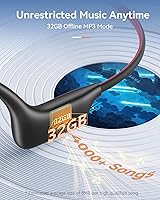
  • Built-in Storage: Onboard 32GB flash storage can hold over 4,000 songs and is loaded via a proprietary magnetic data and charging cable.
  • Waterproof Rating: Rated IP68 with a nano-hydrophobic internal coating, making it resistant to sweat, rain, and brief submersion.
  • Battery Life: Delivers up to 8 hours of continuous playback on a full charge, with a 5-minute quick charge providing approximately 30 minutes of use.
  • Charging Time: A full charge takes approximately 2 hours via the included proprietary magnetic charging and data cable.
  • Bluetooth: Equipped with Bluetooth 5.3 supporting AAC and SBC audio codecs for improved wireless audio quality.
  • Wireless Range: The manufacturer claims a wireless range of up to 300 meters under ideal, unobstructed conditions; real-world range will typically be shorter.
  • Weight: The headphone unit weighs 0.99 oz (approximately 26 grams), making it one of the lighter options in its category.
  • Frame Material: The rear bridge is constructed from a flexible memory titanium alloy designed to return to its original shape after bending.
  • Ear Cushions: Soft, skin-friendly silicone pads sit against the front of the ears and are designed to minimize irritation during extended wear.
  • Impedance: The driver operates at 8 Ohm impedance, which is standard for bone conduction headphones in this category.
  • Sensitivity: Audio sensitivity is rated at 86 dB, which is adequate for speech and moderately dynamic music in outdoor environments.
  • Microphone: A built-in microphone is integrated into the unit, supporting hands-free calls when connected via Bluetooth.
  • Connectivity: Supports two listening modes: wireless Bluetooth 5.3 streaming and standalone wired MP3 playback from onboard storage.
  • Compatible Devices: Works with smartphones, tablets, laptops, desktops, and televisions — any device with standard Bluetooth output.
  • Ear Placement: Designed for open-ear placement with no in-canal insertion; the transducers rest in front of the ears on the cheekbone area.
  • Control Method: All functions are managed via physical button controls located on the headphone unit, with no touch-based input.
  • Shell Material: The outer housing is made from ABS plastic combined with metal and silicone components for a balance of durability and flexibility.

Related Reviews

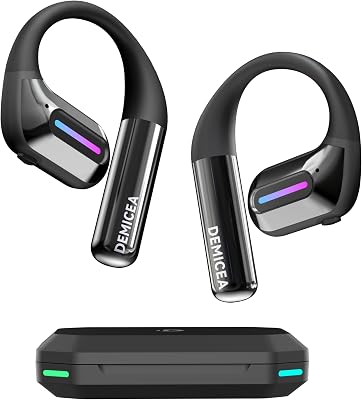
DEMICEA LibreFit Aurora B17 Open-Ear Headphones
76%
91%
Wearing Comfort
88%
Stability During Activity
67%
Audio Clarity
78%
Aurora Lighting
86%
Battery Life
More
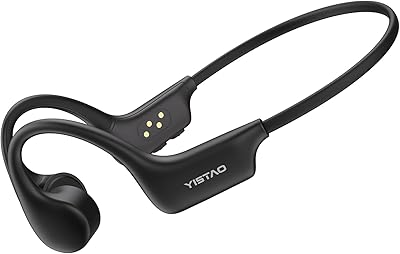
Yistao X6 Bone Conduction Headphones
79%
88%
Comfort & Fit
61%
Audio Quality
91%
Water & Sweat Resistance
84%
Battery Life
76%
Bluetooth Connectivity
More
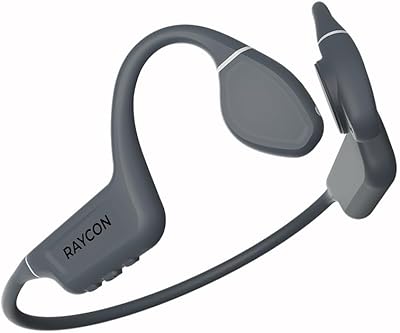
Raycon Bone Conduction Headphones RBB842
74%
91%
Water Resistance
93%
Situational Awareness
87%
Battery Life
63%
Audio Quality
82%
Fit & Stability
More
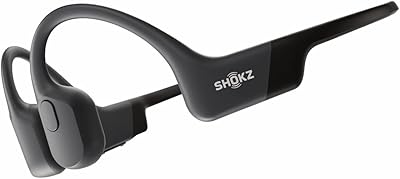
Shokz OpenRun
Shokz OpenRun
82%
97%
Situational Awareness
93%
Fit and Comfort
88%
Water and Sweat Resistance
84%
Battery Life
92%
Quick Charging Capability
More
Yistao B8 Bone Conduction Open-Ear Headphones
77%
91%
Comfort & Fit
88%
Battery Life
86%
Waterproofing
63%
Audio Quality
51%
Sound Leakage
More
Hitarah X19 Bone Conduction Open-Ear Headphones
76%
88%
Wearing Comfort
58%
Audio Quality
93%
Situational Awareness
81%
Battery Life
84%
Water & Sweat Resistance
More
Qyzue S27 Bone Conduction Headphones
79%
91%
Comfort & Wearability
88%
Fit & Stability
86%
Battery Life
67%
Sound Quality
83%
Bluetooth Connectivity
More
Shokz OpenMove
Shokz OpenMove
84%
96%
Situational Awareness
92%
Long-Term Comfort
88%
Build Quality & Durability
84%
Value for Money
91%
Charging Convenience
More
PSIER X11 Bone Conduction Headphones
77%
88%
Comfort & Wearability
84%
Secure Fit During Activity
61%
Sound Quality
93%
Open-Ear Situational Awareness
52%
Sound Leakage
More
Ogogrs K08 Bone Conduction Open-Ear Headphones
70%
81%
Comfort & Fit
58%
Sound Quality
83%
Battery Life
88%
Situational Awareness
52%
Microphone Quality
More

FAQ

The IP68 rating means the LibreRun X6 can handle submersion, so light swim sessions are within its design scope. For swimming, you would need to use the built-in MP3 storage since Bluetooth does not transmit reliably underwater. That said, always check the depth and duration limits of the IP68 spec before extended pool use, as prolonged deep submersion may not be covered.

You connect the headphones to a computer using the included magnetic charging cable, which doubles as a data transfer cable. The device shows up as a removable storage drive, and you can drag and drop audio files directly onto it. Keep the cable somewhere safe — it is proprietary, so a standard USB cable will not work as a substitute.

That depends on what you are comparing them to. These bone conduction sport headphones deliver clear, intelligible audio for podcasts, audiobooks, and most vocal-driven music. Where they fall noticeably short is bass response — low-frequency audio sounds thin compared to even modestly priced in-ear earbuds. If you mostly run to pop, rock, or spoken content, you will likely be satisfied; if heavy bass is important to you, manage your expectations going in.

At moderate volumes, audio leakage is minimal and unlikely to bother anyone around you. At higher volume settings, there is some audible sound leakage, which is a known characteristic of open-ear bone conduction designs in general. If you commute on public transit or work in a quiet office, this is worth considering before purchase.

Power on the headphones and they should automatically enter pairing mode on first use — you will typically hear a voice prompt or tone indicating readiness. Open the Bluetooth settings on your phone, find the device in the list, and tap to connect. Subsequent connections to the same device are usually automatic once both are powered on.

Yes, the flexible titanium frame is designed to grip the head without clamping uncomfortably, and most buyers report that it stays put even during fast runs, jumping movements, and cycling. The wraparound design means there are no earbuds to dislodge. A small number of users with very narrow or unusually shaped heads mention some movement, but this appears to be the exception rather than the rule.

This is a real inconvenience with the DEMICEA LibreRun X6 Bone Conduction Headphones — the magnetic charging cable is proprietary, meaning an off-the-shelf USB-C or micro-USB cable will not work. You would need to order a replacement from the manufacturer or a compatible seller. It is a good idea to keep a spare if you travel frequently or tend to misplace accessories.
Yes, the built-in microphone supports hands-free calling over Bluetooth. Call quality is generally adequate for outdoor use, though wind noise can affect microphone pickup if you are moving at speed. For casual check-ins or short calls mid-run, it works well enough.

This is actually one of the strongest arguments for open-ear bone conduction headphones in general — because your ear canals remain completely unobstructed, you can hear traffic, pedestrians, and other environmental sounds naturally while listening to audio. Compared to in-ear designs, the safety trade-off is significantly reduced. That said, always use common sense and keep the volume at a level where you can still hear your surroundings clearly.

The rated 8-hour battery life is enough to cover most half-marathons, full marathons, long bike rides, and multi-hour gym sessions on a single charge. For ultra-endurance events exceeding that window, the 5-minute quick-charge feature can top up 30 more minutes in a pinch during a rest stop. Just be mindful that the 8-hour figure is under typical conditions, so heavier Bluetooth use or colder temperatures may reduce that slightly.