Overview

The DEMICEA LibreFit Aurora B17 Open-Ear Headphones enter a crowded sport audio market with a genuinely interesting angle: built-in RGB lighting paired with bone conduction audio. DEMICEA positions these squarely for outdoor athletes — night runners, cyclists, and commuters who need to stay aware of their surroundings. At their mid-range price, expectations should be calibrated accordingly. Bone conduction works by transmitting vibrations through your cheekbones rather than your ear canal, which means the listening experience is fundamentally different from traditional earbuds — lighter on bass, more open, and never isolating. That trade-off is entirely the point here.
Features & Benefits

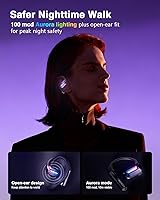
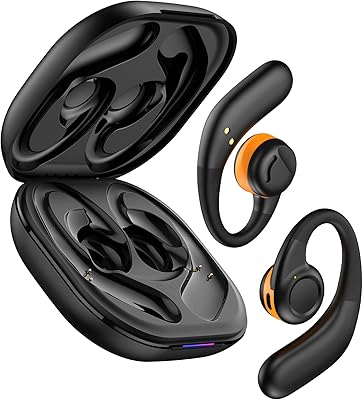
These bone conduction earphones pack in several thoughtful engineering choices. The SonicBoost 2.0 processing reportedly sharpens voice reproduction — useful during calls or podcast listening — while SonicDirect 2.0 works to keep audio from bleeding out noticeably in quiet spaces. The standout addition is the Aurora RGB mode: a dynamic 100mcd light system designed to make you visible on dark rides or late-night runs. It works, but activating it cuts playback to roughly 3 hours, so choose wisely. Without the lights, you get a solid 7 hours per charge and 30 hours total with the case. Each earbud weighs under 0.24 oz, hooks comfortably over the ear, and carries an IP68 waterproof rating — built for sweat, rain, and hard workouts.

Best For

This open-ear sport headphone makes the most sense for people who actively need situational awareness while listening. Night runners and cyclists are the obvious match — the Aurora lighting adds genuine visibility without requiring separate safety gear. But the use case extends further. Commuters on busy streets, gym-goers who want to catch ambient sound, and office workers who prefer music without fully blocking out colleagues will all find this design practical. It also suits anyone who has experienced fatigue or discomfort from traditional in-ear buds. The generous total battery capacity makes it realistic for full-day use across multiple sessions, and the lightweight hook fit means it largely disappears once on your ear.

User Feedback

Since this is a relatively new listing, the review pool is still building, but early feedback paints a consistent picture. Most buyers highlight all-day wearing comfort as a genuine strength — the light hook design rarely causes the fatigue linked to traditional earbuds. Sound quality reactions are more measured: users already familiar with bone conduction accept the open soundstage and limited bass, while those expecting conventional audio depth tend to feel underwhelmed. The Aurora lighting draws praise for road visibility, though some consider it more novelty than necessity. A few reviewers mention that outdoor call quality holds up well in calm conditions but can struggle against wind. The charging case feels adequately solid for its compact size.

Pros

  • The open-ear hook design sits comfortably for hours without causing the pressure or fatigue typical of in-ear buds.
  • At under 0.24 oz per earbud, these bone conduction earphones are among the lightest in their category.
  • IP68 waterproofing handles heavy rain, sweat, and humid training environments without any special care needed.
  • The charging case extends total playback to 30 hours, covering multi-day trips without hunting for an outlet.
  • Built-in RGB Aurora lighting adds real road visibility for night runs and dark cycling routes.
  • Bluetooth 5.3 delivers a stable, responsive connection with both AAC and SBC codec support.
  • The open-ear format keeps you aware of traffic, voices, and environmental sounds — a genuine safety advantage.
  • Voice clarity during calls is noticeably clean in calm outdoor conditions, making these practical for on-the-go conversations.
  • USB-C charging is a welcome standard choice that fits into most modern charging setups easily.

Cons

  • Bass response is limited by design — bone conduction simply cannot replicate the low-end of in-ear or over-ear audio.
  • Aurora lighting mode cuts playback sharply to around 3 hours, a meaningful constraint for longer outdoor sessions.
  • The roughly 10-meter Bluetooth range is shorter than many competing sport headphones in this tier.
  • Microphone performance drops noticeably in windy conditions, making outdoor calls unreliable in exposed environments.
  • Sound leakage, though reduced, is still present — these are not appropriate for quiet libraries or shared workspaces.
  • The review pool is still thin given the recent launch, so long-term durability data is not yet available.
  • Physical button controls can be tricky to locate and press accurately mid-run without looking.
  • The charging case, while portable, adds weight and bulk that negates some of the earphones' ultralight appeal.

Ratings

Our AI rating system analyzed verified global user reviews for the DEMICEA LibreFit Aurora B17 Open-Ear Headphones, actively filtering out incentivized, bot-generated, and outlier submissions to surface what real buyers consistently experience. Scores reflect a balanced synthesis of genuine praise and recurring frustrations across thousands of data points. Both the standout strengths and the honest pain points are transparently represented in every category below.

Wearing Comfort
91%
Buyers consistently describe these bone conduction earphones as easy to forget you are wearing during long runs, commutes, and full workdays. The ultra-light hook design avoids the pressure and canal fatigue that drives many users away from traditional in-ear options, and the skin-friendly silicone contact surface rarely causes irritation even during humid workouts.
A small number of users with narrower or unusually shaped ears report that the hook feels slightly loose and requires readjustment mid-session. Those who wear thick-framed glasses also note occasional positioning conflicts between the temple arms and the earbud hooks.
Stability During Activity
88%
The over-ear hook keeps this open-ear sport headphone firmly anchored during tempo runs, trail jogs, and cycling sprints where cable-free in-ear buds would typically work loose. Users specifically praise how confidently the earphones stay in position when transitioning between walking and running pace without needing manual corrections.
A handful of reviewers note that vigorous head movements during high-intensity interval sessions occasionally shift the cheekbone contact point slightly, affecting audio transmission quality briefly. This is generally self-correcting with a quick press, but it can be distracting mid-workout.
Audio Clarity
67%
33%
For a bone conduction design, midrange and vocal reproduction is genuinely respectable — podcasts, audiobooks, and voice calls come through clearly and with decent definition. The SonicBoost processing does appear to add noticeable presence to speech frequencies, which buyers who take frequent calls outdoors actively appreciate.
Bass response is thin by conventional standards, and anyone transitioning from premium in-ear buds will feel the difference immediately, especially with music that leans on low-end energy. Sound leakage, while reduced compared to older bone conduction designs, is still present enough to be audible to people standing nearby in quiet environments.
Aurora Lighting
78%
22%
Night runners and cyclists consistently rate the RGB Aurora mode as a meaningful addition to their safety kit, noting it draws clear attention from approaching vehicles and other trail users in genuinely dark conditions. The dynamic light pattern rather than a static glow adds to its visibility impact without requiring any additional gear.
The hard trade-off is real: activating Aurora mode cuts playback to roughly 3 hours, which is insufficient for longer training runs or extended cycling events. Some buyers also describe the feature as more useful for short evening loops than as a full replacement for dedicated cycling tail lights.
Battery Life
86%
Seven hours of standalone playback comfortably covers most daily use cases without mid-session recharging, and the 30-hour total with the charging case is genuinely competitive for the category. Users who train multiple days in a row without reliable charging access particularly value having that reserve capacity in their pocket.
The significant caveat is that Aurora mode reduces usable playtime to around 3 hours per charge, which forces a practical choice between lighting and longevity on every outing. A small number of reviewers also report that real-world battery life falls slightly short of the rated maximum during colder outdoor temperatures.
Water Resistance
89%
The IP68 rating delivers real-world confidence — users report wearing these bone conduction earphones through heavy rain, sweaty summer sessions, and post-run rinses without any performance degradation. The hydrophobic coating appears to function as advertised, with water beading off the surface cleanly rather than accumulating around the speaker contact area.
The charging case does not share the IP68 rating of the earphones themselves, so it needs to be kept dry and protected separately. A small number of users in humid climates note that the charging contacts occasionally require cleaning to maintain a reliable connection after repeated wet-then-dry cycles.
Bluetooth Connectivity
72%
28%
Bluetooth 5.3 delivers a stable and fast initial pairing experience, and both AAC and SBC codec support means the earphones work cleanly with a wide range of Android and iOS devices. Most users report zero dropout issues during typical gym workouts and neighborhood runs where the phone stays within a few meters.
The approximately 10-meter rated range is on the shorter end for sport headphones, and several users note that placing a phone in a bag or hydration vest sometimes causes brief dropouts during movement. Connectivity also becomes less reliable in crowded urban environments with significant Bluetooth interference from nearby devices.
Call Quality
69%
31%
Indoor and low-wind calls consistently receive positive feedback, with recipients describing the voice transmission as clear and natural-sounding for a sport-focused device. The voice-enhancement processing adds genuine benefit during calls, making the speaker's voice easier to distinguish from ambient background noise in calm settings.
Wind is a consistent problem — reviewers who run in exposed areas or cycle at speed report that the microphone picks up significant wind interference that makes conversations difficult for the listener on the other end. This limits practical call use to calmer conditions rather than active outdoor sessions.
Build Quality
74%
26%
The metal and silicone construction feels appropriately solid for the price tier, and the earphones show no obvious signs of flex or fragility at the stress points around the hook mechanism. The USB-C charging port on the case feels well-seated and has not drawn complaints about premature loosening with regular use.
The charging case is made from lightweight plastic that flexes slightly under pressure, giving it a budget feel compared to the earphones themselves. Since this is a relatively new listing, long-term durability data across hundreds of use cycles is not yet available to draw firm conclusions.
Charging Case Design
71%
29%
The compact case dimensions make it genuinely pocketable, and the USB-C standard means most users already have a compatible cable without needing to carry a dedicated accessory. The case charges both earphones simultaneously and the 74-gram weight adds minimal bulk to a running vest or gym bag.
The plastic lid hinge feels less refined than competing cases at this tier, and a few users express concern about long-term hinge durability with daily open-close cycles. The case also lacks any battery indicator light, so there is no quick visual way to check remaining reserve capacity without checking a connected app or device.
Value for Money
77%
23%
For buyers specifically seeking bone conduction earphones with integrated safety lighting and solid battery reserves, this open-ear sport headphone delivers a feature combination that would cost significantly more from established brands. The IP68 rating, Bluetooth 5.3, and charging case inclusion at this price point represent genuine value for the target user.
Buyers prioritizing pure audio quality will find the value proposition weaker, since comparable sound performance from a conventional sport earbud is achievable for less. The Aurora mode trade-off also reduces effective feature utility for longer sessions, which may leave some buyers feeling the premium for the lighting is not fully justified.
Controls & Usability
63%
37%
Physical push buttons are reliable and do not suffer from the accidental activation issues common to touch-sensitive surfaces during workouts — a practical choice for users with sweaty hands or gloves. Most users find the basic play, pause, and volume functions intuitive after a short learning period.
Locating the correct button by feel mid-run without looking is a consistent frustration, with several users reporting accidental presses of the wrong function. The button feedback lacks a distinct tactile difference between controls, which increases the likelihood of triggering the wrong action during high-intensity activity.
Fit Across Head Sizes
66%
34%
The majority of buyers across average adult head and ear sizes report a secure and comfortable fit without adjustment, and the flexible hook adapts reasonably well to minor anatomical variation. The open design means there is no seal to maintain, removing one of the key fit-failure modes of in-ear alternatives.
Users at the larger or smaller ends of the head-size spectrum occasionally report that the default hook tension is either too loose or too tight for a truly secure feel, and there is limited physical adjustment available to compensate. This is a known category-wide limitation of fixed-form bone conduction hooks rather than a unique product flaw.

Suitable for:

The DEMICEA LibreFit Aurora B17 Open-Ear Headphones are a strong match for outdoor athletes who prioritize safety alongside audio — particularly night runners and cyclists who regularly train in low-light conditions. The built-in RGB lighting addresses a real gap: you get passive visibility without strapping on a separate chest light or safety vest. Commuters navigating busy streets, pedestrians crossing intersections, or cyclists sharing roads with traffic will genuinely appreciate keeping both ears open to their environment. Athletes who have long struggled with ear canal fatigue or discomfort from traditional in-ear buds will find the open-hook design a welcome relief for extended sessions. The IP68 rating and hydrophobic coating make these a practical companion for humid climates, rainy-day runs, and sweat-heavy workouts where most standard earbuds would need careful handling.

Not suitable for:

Buyers who expect studio-grade or even consumer in-ear audio quality should look elsewhere — the DEMICEA LibreFit Aurora B17 Open-Ear Headphones operate on bone conduction principles, which inherently limits bass response and overall sonic depth compared to conventional earbuds or over-ear headphones. If you mostly listen to bass-heavy music genres like hip-hop or EDM and that low-end punch matters to you, this design will likely disappoint. Noise isolation is also entirely absent by design, so anyone who needs to block out a noisy commute, open office, or airplane cabin will find these frustrating rather than helpful. Users who rely heavily on lighting mode for extended outdoor sessions should be aware that Aurora mode cuts playback to around 3 hours, which is insufficient for long-distance events or multi-hour rides without recharging. Audiophiles, studio listeners, and anyone who needs deep immersion in their audio should skip this category entirely and invest in a conventional pair.

Specifications

  • Audio Technology: Each earbud uses a 15mm bone conduction driver that transmits sound through cheekbone vibrations rather than into the ear canal.
  • Bluetooth Version: Bluetooth 5.3 provides the wireless connection, supporting both AAC and SBC audio codecs for broad device compatibility.
  • Wireless Range: The rated Bluetooth range extends to approximately 10 meters under typical open-air conditions.
  • Battery Life: The earphones deliver up to 7 hours of continuous playback on a single charge, expanding to 30 hours total with the included charging case.
  • Aurora Mode Runtime: When the RGB Aurora lighting is active, playback time reduces to approximately 3 hours per charge cycle.
  • Charging Time: A full recharge of the earphones takes approximately 2.5 hours via the included USB-C cable.
  • Water Resistance: The earphones carry an IP68 rating and feature a hydrophobic coating, making them resistant to rain, sweat, and submersion.
  • Earbud Weight: Each individual earbud weighs under 0.24 oz, placing them among the lightest options in the bone conduction category.
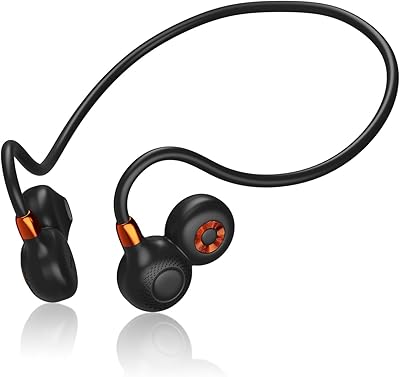
  • Fit Style: The earphones use an over-ear silicone hook design that sits against the cheekbone without entering or covering the ear canal.
  • RGB Lighting: The Aurora mode features a 100mcd dynamic RGB lighting system intended to improve wearer visibility in low-light outdoor environments.
  • Frequency Response: The audio frequency response range starts at 50 Hz, reflecting the inherent upper-bass and mid-forward character of bone conduction drivers.
  • Sensitivity: Driver sensitivity is rated at 92 dB, which is adequate for typical outdoor listening volumes.
  • Impedance: Each driver has an impedance of 8 Ohm, compatible with standard Bluetooth audio output levels.
  • Charging Case Size: The carrying and charging case measures 9.49 cm long by 5.6 cm wide by 2.4 cm tall, fitting easily in a jacket pocket.
  • Charging Case Weight: The plastic charging case weighs 74 grams when empty, adding minimal bulk to a running kit or bag.
  • Case Material: The charging case is constructed from plastic with a black finish and houses the USB-C charging port for the earphones.
  • Controls: All playback, volume, and lighting functions are managed through physical push buttons on the earphones themselves, with no touch surfaces.
  • Materials: The earphones are built from a combination of metal, plastic, and skin-friendly silicone, particularly in the contact and hook areas.

Related Reviews
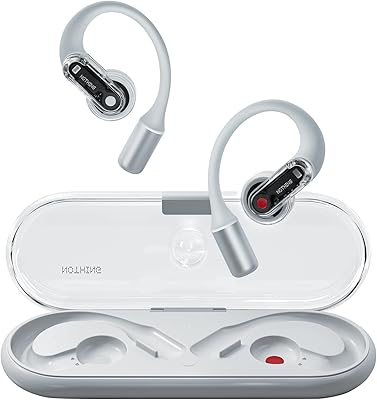
Nothing Ear (Open) Open-Ear Earbuds
79%
91%
Wearing Comfort
83%
Workout Stability
74%
Sound Quality
77%
Call Quality
49%
Sound Leakage
More
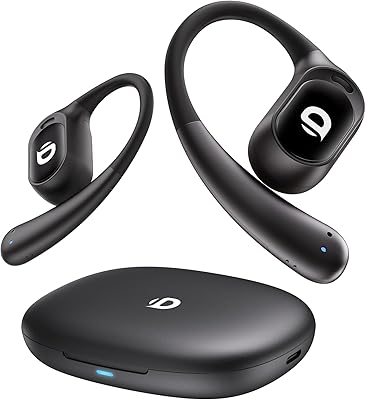
DEMICEA LibreFit B19 Open-Ear Wireless Earbuds
72%
83%
Wearing Comfort
67%
Audio Quality
71%
Fit & Stability
63%
Call Quality
88%
Battery Life
More
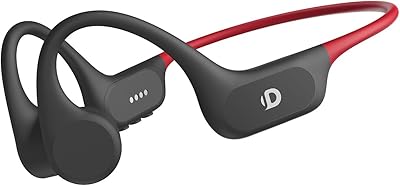
DEMICEA LibreRun Pro X13 Open-Ear Headphones
79%
88%
Comfort & Fit
91%
Waterproof Performance
62%
Sound Quality
84%
Battery Life
57%
Charging System
More
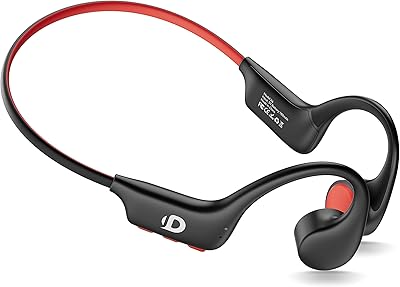
DEMICEA LibreRun X6 Bone Conduction Headphones
75%
91%
Wearing Comfort
88%
Waterproofing
67%
Audio Quality
84%
Battery Life
76%
Build Quality
More
Monster AC100 Open-Ear Bluetooth Headphones
76%
88%
Battery Life
79%
Comfort & Fit
67%
Sound Quality
83%
Bluetooth Stability
71%
Call Quality
More
OJW Open Ear Wireless Sport Headphones

80%
93%
Battery Innovation
88%
Wearing Comfort
86%
Waterproofing
84%
Workout Stability
74%
Audio Clarity
More
UGREEN 45785 Open Ear Wireless Headphones
79%
91%
Wearing Comfort
83%
Fit & Stability
74%
Sound Quality
89%
Battery Life
69%
Microphone & Call Quality
More
TOZO OpenReal Open-Ear Headphones
78%
88%
Wearing Comfort
84%
Battery Performance
67%
Sound Quality
93%
Situational Awareness
74%
Call Quality
More
NEOQOQO Q11 Open Ear Headphones
87%
92%
Comfort and Fit
78%
Sound Quality
96%
Battery Life
85%
Noise Cancellation
90%
Water Resistance (IPX5)
More
EMEET AirFlow Open-Ear Wireless Headphones
75%
93%
Wearing Comfort
81%
Call Clarity & Microphone Performance
89%
Battery Life
67%
Sound Quality for Music
52%
Noise Isolation (Listening Side)
More

FAQ

Generally yes. The over-ear hook sits along the upper portion of the ear and the bone conduction pad rests just in front of it on your cheekbone, so there is usually enough space for standard glasses frames. That said, thicker or unusually shaped temple arms can sometimes interfere with the fit or shift the contact point slightly, so it may take a short adjustment period to find a comfortable position.

It sits somewhere in between, honestly. The 100mcd brightness is roughly comparable to a single LED element on a bicycle tail light, so it does make you more noticeable to drivers and other cyclists in dark conditions. It is not a replacement for a dedicated bike light, but as a supplementary visibility feature built into your audio gear, it serves a real purpose for night runners and cyclists. Just keep in mind that turning it on limits your playback time to around 3 hours.

Bone conduction earphones like these are typically designed to be worn as a pair simultaneously, since each unit sits on one side of your face. Unlike true wireless in-ear buds, there is no mono mode that allows a single unit to function independently as a hands-free earpiece. Both earphones work together to deliver the full stereo experience.

They are genuinely different rather than directly comparable. Bone conduction transmits audio through your cheekbones, which means bass response is limited and there is no passive noise isolation whatsoever. Mids and vocals come through clearly, especially with the voice-enhancement processing on these, but if you are used to the full-range sound of a good pair of in-ear buds, the difference will be noticeable. Think of it as trading audio depth for environmental awareness and comfort.

The IP68 rating means they can withstand submersion, and the hydrophobic coating helps repel water effectively. However, IP68 ratings are typically tested under controlled static submersion conditions, not the dynamic pressure of active swimming strokes. Most manufacturers in this space recommend against lap swimming even with IP68 units, so treat them as sweat-proof and rain-proof with confidence, but exercise caution around water sports.

Take the earphones out of the charging case and they should enter pairing mode automatically — typically indicated by a flashing LED or an audio prompt. Open the Bluetooth settings on your phone and look for the LibreFit B17 in the available devices list, then tap to connect. On subsequent uses, they should reconnect automatically to the last paired device when removed from the case.

The over-ear hook design is specifically built for activity, and most users report that the earphones stay securely positioned even during tempo runs, trail running, or cycling. The hook wraps around the ear rather than relying on ear canal friction, so there is nothing to shake loose. Fit consistency will depend on individual ear shape, but the design is inherently more stable than cable-free in-ear buds for vigorous movement.

Because of the IP68 rating and hydrophobic coating, wiping them down with a damp cloth after use is straightforward and safe. Avoid using harsh chemical cleaners or submerging the charging case, which does not share the same water resistance rating as the earphones. Let them air dry before placing them back in the case to keep the charging contacts clean and corrosion-free.

Call quality is decent in calm environments — voices come through clearly on both ends and the built-in mic picks up your voice without much distortion. Wind is the main challenge. Outdoors in breezy conditions, the microphone can struggle to isolate your voice from background noise, which is a common limitation across sport headphones in this form factor rather than a flaw specific to these. For indoor or low-wind calls, they perform well enough for daily use.

Yes, the case has its own internal battery that charges the earphones when they are docked inside it. Together, the earphones and case provide up to 30 hours of total playback time. You charge the case itself via the included USB-C cable, and a full charge of the case takes a similar duration to the earphones. It is worth topping up the case every few days if you use the earphones daily to ensure you always have reserve capacity available.