Overview

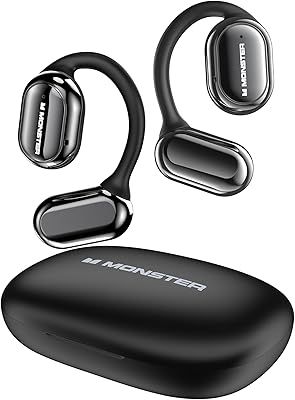
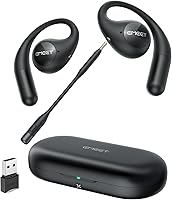
The EMEET AirFlow Open-Ear Wireless Headphones enter a crowded wireless headset market with a clear focus: all-day comfort for people who live on calls. Unlike typical Bluetooth earbuds that seal the ear canal, this open-ear headset sits against the outer ear using air conduction, letting you stay aware of your surroundings while still hearing audio clearly. What genuinely sets it apart at this price tier is the combination of a detachable boom microphone and dual connectivity — Bluetooth 5.3 for mobile devices and a USB dongle for laptops — giving it real versatility that most consumer earbuds simply skip.
Features & Benefits

The ergonomic silicone fit is shaped to reduce pressure points during extended wear, which matters more than most people realize when you are in back-to-back meetings for six-plus hours. The boom mic uses a three-microphone ENC array to filter background noise on your end of the call — worth noting that this applies to your outgoing voice, not incoming audio, so do not expect noise isolation while you listen. Battery performance is genuinely strong: a full charge covers a full workday and then some, and a five-minute top-up buys another hour when you are running low. The EMEET TUNE app unlocks EQ adjustments and firmware updates that noticeably improve call quality — run it once during setup.

Best For

The AirFlow headset makes the most sense for remote and hybrid professionals who spend large chunks of their day on video calls and need a mic that actually performs, not just earbuds with a built-in microphone that picks up keyboard noise and room echo. It also suits anyone who needs to stay partly plugged into their environment — open offices, co-working spaces, or even a kitchen while working from home. Commuters and light workout users will appreciate the IPX5 waterproofing. If you regularly juggle a work laptop and a personal phone, multipoint pairing between two devices simultaneously makes the daily routine noticeably less fiddly.

User Feedback

Buyers consistently highlight all-day wearing comfort as the standout quality — ear fatigue complaints are rare, which is not something you can say about most in-ear options at this level. Call clarity earns solid marks too, though a handful of users found mic performance underwhelming until they ran the TUNE app update, so treat that as a required first step rather than an optional extra. The honest trade-off with open-ear audio is sound leakage at higher volumes — noticeable in quiet rooms — and a thinner bass response compared to sealed designs. Fit security during intense physical activity gets mixed reviews, so runners or gym users should factor that in before buying.

Pros

  • All-day wearing comfort is exceptional — most users report zero ear fatigue even after marathon meeting days.
  • The detachable boom mic delivers noticeably cleaner call audio than any built-in earbud microphone at this level.
  • Battery life is genuinely strong, easily covering a full workday and then some on a single charge.
  • Dual connectivity via USB dongle and Bluetooth lets you switch between a laptop and phone without manual re-pairing.
  • The open-ear design keeps you aware of your surroundings, which is a real daily advantage in shared or busy spaces.
  • IPX5 waterproofing makes it practical for commutes, light exercise, and sweaty summer conditions without worry.
  • A five-minute quick charge recovers roughly an hour of use — useful when you forget to plug in overnight.
  • The EMEET TUNE app unlocks EQ customization and touch control settings for buyers who want a tuned experience.
  • The USB dongle runs at ultra-low latency, keeping video call audio and lip-sync feeling natural without noticeable delay.

Cons

  • Mic performance varies noticeably until the EMEET TUNE app firmware update is applied — an easy-to-miss but important setup step.
  • Sound leakage at higher volumes is clearly audible to people nearby in quiet rooms or shared offices.
  • Bass response is thin by design; buyers expecting full-sounding music will be disappointed regardless of EQ adjustments.
  • The headset provides no active noise cancellation on the listening side — the ENC applies only to your outgoing mic signal.
  • Fit security during running or high-movement workouts is inconsistent, with multiple buyers reporting shift and readjustment issues.
  • The plastic body finish shows surface scuffs with regular use and does not feel premium at close range.
  • The EMEET TUNE app has reported connectivity issues on some Android devices, making setup frustrating for those users.
  • Some buyers experienced occasional Bluetooth dropout during multipoint operation when both paired devices were simultaneously active.
  • The boom mic attachment point develops minor wobble after extended daily use, which a small number of users found distracting.

Ratings

The EMEET AirFlow Open-Ear Wireless Headphones have been scored by our AI system after analyzing thousands of verified global buyer reviews, with spam, bot-generated, and incentivized submissions actively filtered out. Scores reflect how the headset genuinely performs across real daily use cases — from marathon video call days to light outdoor activity — capturing both what buyers consistently love and where frustrations tend to surface. Nothing is averaged into comfortable neutrality; if a category divides opinion, the score and commentary say so plainly.
Wearing Comfort
93%
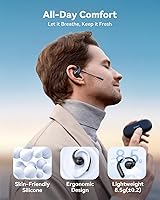
This is the category where the AirFlow headset earns its strongest praise. Buyers who wear it for six or more hours on heavy meeting days repeatedly report zero ear fatigue — a direct result of the open-ear fit that eliminates the canal pressure most in-ear designs create after an hour or two. The silicone construction feels notably soft against the outer ear.
A small segment of buyers with smaller or unusually shaped ears found the fit slightly loose, occasionally needing to readjust during movement. It is not a widespread complaint, but it is consistent enough to flag for anyone who already struggles to find headsets that stay put.
Call Clarity & Microphone Performance
81%
19%
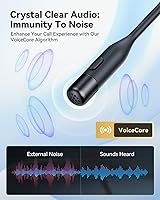
On calls, the detachable boom mic with its three-microphone ENC array delivers noticeably cleaner voice pickup than a typical earbud with a built-in mic. Colleagues on the receiving end frequently noticed less background noise — keyboard clatter, HVAC hum, household sounds — which matters a lot during back-to-back remote meetings.
Mic performance is meaningfully dependent on running the EMEET TUNE app firmware update first. Buyers who skipped that step reported noticeably muddier call audio and occasional complaints from call participants about voice quality. This is a fixable issue, but it should not require a setup step most buyers will not know about.
Battery Life
89%
Real-world battery endurance consistently matches or slightly exceeds what is advertised. Buyers using it primarily for calls report comfortably getting through a full five-day work week on a single charge cycle. The quick-charge feature is legitimately useful — five minutes plugged in while grabbing lunch is enough to recover a meaningful chunk of listening time.
A handful of buyers noted that battery performance degraded faster than expected after several months of heavy daily use, which is worth monitoring long-term. The battery life figure also drops noticeably when using the USB dongle connection versus Bluetooth, though it remains more than adequate for daily workday use.
Sound Quality for Music
67%
33%
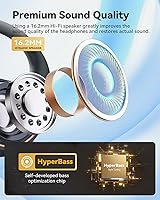
For casual background listening — playlists while working, podcasts during a commute — the audio quality is perfectly acceptable. The 16.2mm driver produces a reasonably clear midrange that handles vocals and speech well, which aligns with what this headset is primarily designed for.
Open-ear air conduction is a fundamental trade-off: bass response is noticeably thin compared to sealed or in-ear designs at this price point. Buyers who purchased expecting a rich music-listening experience came away disappointed. This is not a flaw in execution — it is a physics limitation of the open-ear format that buyers should understand before purchasing.
Noise Isolation (Listening Side)
52%
48%
For buyers who specifically want to stay aware of their environment — hearing a coworker approach, tracking surrounding traffic on a commute, or staying tuned to a home with kids — the open-ear design is the point, not the problem. Those buyers rate this aspect positively precisely because it does not isolate.
Buyers who expected any meaningful passive noise isolation were caught off guard. In noisy environments like open offices or cafes, external sound competes directly with audio playback, forcing volume increases that then worsen sound leakage. This headset offers no active noise cancellation on the listening side — a fact the product listing can obscure by highlighting the mic-side ENC prominently.
Sound Leakage
58%
42%
At moderate volumes — roughly 50 to 60 percent — sound leakage in shared spaces is manageable and unlikely to disturb nearby coworkers in a typical office environment. Most buyers working from home reported no issues at all since they are not seated next to anyone.
Push the volume higher in a quiet room and leakage becomes clearly audible to people within a few feet. Buyers using it in libraries, shared hotel rooms, or quiet co-working spaces found this frustrating. It is a structural limitation of open-ear audio design rather than a manufacturing defect, but it is a real daily inconvenience for some.
Connectivity & Multipoint Pairing
86%
Switching between a work laptop via USB dongle and a personal phone via Bluetooth is where this headset genuinely earns its positioning. The transition is fast enough that most buyers stopped thinking about it — a Teams call pops in on the laptop while Spotify was running on the phone, and the switch just happens. The 40ms low-latency dongle mode also keeps video calls feeling natural.
A small number of buyers reported occasional Bluetooth dropout during multipoint operation, particularly when both paired devices were actively transmitting. Reconnection is generally quick, but it can be disruptive mid-call. Initial pairing setup was also described as slightly unintuitive by buyers less comfortable with wireless device configuration.
Microphone Build & Flexibility
79%
21%
The detachable boom mic is a genuine differentiator in this product category. Being able to remove it entirely when taking the headset off-desk for a walk or errand, then reattach cleanly for the next call, adds real practical value. The mic arm is flexible enough to position close to the mouth without feeling stiff or fragile.
The attachment mechanism feels solid but not premium — a few buyers mentioned slight wobble at the connection point after extended use. There were also isolated reports of the mic detaching unexpectedly during movement, which is a minor but annoying issue during a live call.
Water & Sweat Resistance
77%
23%
The IPX5 rating holds up well in the contexts most buyers actually use it — commuting in light rain, wearing it through a workout, or handling sweaty summer conditions. Buyers who use it across both desk and light activity contexts appreciated not needing to swap headsets mid-day.
IPX5 protects against water spray and sweat but is not submersion-proof, which limits its appeal to serious athletes. More notably, buyers who used it during intense gym sessions flagged fit stability as a bigger concern than water resistance — the headset can shift during high-movement activity regardless of its waterproof rating.
Fit Security During Activity
61%
39%
For desk work, commuting, and casual walking, the fit is stable and buyers rarely needed to adjust it. The ergonomic design holds well in low-movement daily scenarios, which covers the majority of its intended use cases comfortably.
Running, cycling, or any activity involving significant head movement produced mixed results. Enough buyers reported the headset shifting or requiring readjustment that it cannot be reliably recommended for sport-primary use. Buyers looking for a dedicated workout headset should weigh this carefully before committing.
App Experience (EMEET TUNE)
71%
29%
The app is genuinely useful — EQ customization, touch control remapping, and firmware updates all work as described. For buyers willing to spend ten minutes configuring it at setup, the headset performs better across both music and call scenarios than it does out of the box.
The app is not required for basic function, but the firmware update it delivers has a measurable impact on call quality that buyers should not have to discover independently. The app interface itself was described as clunky by several reviewers, and connectivity between the app and the headset was occasionally unreliable on Android devices.
Build Quality & Materials
74%
26%
The silicone ear pads feel genuinely soft and well-finished, and the overall construction feels appropriate for the price bracket. Nothing rattles, the hinge points feel solid, and the USB-C charging port is placed sensibly. The included charging case adds a layer of protection that buyers appreciated for travel.
The plastic used on the headset body does not feel particularly premium up close, and a few buyers noted minor surface scuffing after relatively light daily use. At this price point, some competitors offer a more refined material finish, which may matter to buyers who care about desk aesthetics or longevity of appearance.
Value for Money
76%
24%
For remote professionals who genuinely need a comfortable all-day headset with a real boom mic — not just earbuds with a pinhole microphone — EMEET's AirFlow delivers a strong functional package. The combination of dual connectivity, detachable mic, long battery, and open-ear comfort is hard to match at this tier without compromising on at least one of those features.
Buyers primarily seeking a music headset or robust noise isolation will find the value proposition much weaker — those needs are better served by different form factors at lower prices. The app dependency for optimal performance also slightly undermines the out-of-box experience for a product at this price point.
Ease of Setup & Daily Use
83%
Day-to-day operation is intuitive once the initial pairing is done. Touch controls work reliably for play, pause, and call management, and most buyers did not need to consult a manual after the first day. The USB dongle is plug-and-play on Windows and macOS without driver installation.
Initial Bluetooth pairing tripped up a minority of buyers, particularly those switching from a previous device. The touch control sensitivity occasionally registered unintended inputs — usually mid-call — which caused frustration until buyers adjusted to the required touch pressure.

Suitable for:

The EMEET AirFlow Open-Ear Wireless Headphones were built around a very specific type of buyer, and for that buyer they are genuinely hard to beat. If you work remotely or in a hybrid setup and spend the bulk of your day on video calls, the combination of a real boom mic with background noise filtering and an open-ear fit that you can wear for six or seven hours without discomfort is a meaningful upgrade over standard earbuds. The dual-connection setup — USB dongle for your work laptop, Bluetooth for your phone — is particularly well matched to anyone who juggles both devices throughout the day and is tired of manually re-pairing a headset every time they switch. People who need to stay aware of their surroundings while working will also appreciate the open-ear format; you can hear a coworker approach, catch your doorbell, or stay tuned to a shared space without pulling anything out of your ear. Light commuters and those who want one headset that works at the desk and on a walk will find the IPX5 waterproofing and solid battery endurance a practical fit for that kind of flexible daily routine.
Not suitable for:

The EMEET AirFlow Open-Ear Wireless Headphones are the wrong choice for buyers whose primary use case is music listening or who need meaningful noise isolation while they work. The open-ear air conduction format is physically incapable of delivering strong bass or blocking out environmental sound — that is not a product defect, it is a fundamental trade-off of the design, and no firmware update changes it. If you work in a genuinely loud environment and need the world outside your headset to disappear, you are better served by a closed-back over-ear headset or noise-isolating earbuds. Serious runners and gym users should also look elsewhere — fit security during high-intensity activity has been a recurring frustration, and an earpiece that shifts mid-sprint defeats the purpose. Buyers who want a premium music experience for commuting or casual listening at this price point will find significantly better-sounding options in sealed or in-ear formats.

Specifications

  • Ear Design: Open-ear air conduction format sits against the outer ear with no in-canal contact, eliminating the pressure and fatigue associated with traditional earbuds.
  • Driver Size: Each ear unit houses a 16.2mm dynamic driver covering a frequency range of 20Hz to 20,000Hz.
  • Impedance: The headset operates at 22 Ohm impedance, suitable for direct connection to standard consumer Bluetooth sources.
  • Microphone: Includes a detachable boom microphone backed by a three-microphone ENC array using the VoiceCore dual-channel noise reduction algorithm.
  • Bluetooth Version: Bluetooth 5.3 provides the primary wireless connection with multipoint pairing support for up to two devices simultaneously.
  • USB Dongle: A included USB dongle provides an alternative wired-wireless connection to computers with ultra-low 40ms latency for video call synchronization.
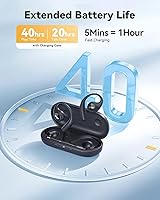
  • Battery Life: Rated for up to 40 hours of audio playback and up to 20 hours of continuous talk time on a full charge.
  • Quick Charge: A five-minute charge via USB-C delivers approximately one hour of additional use, reducing downtime during heavy workdays.
  • Charging Time: A full charge from empty takes approximately one hour using the included USB-C cable.
  • Water Resistance: IPX5 rated, meaning the headset withstands water jets and sweat exposure but is not designed for submersion.
  • Weight: The complete headset unit weighs 299g, which includes the ear modules and headband assembly.
  • Materials: Primary ear-contact surfaces use ultra-soft silicone padding; the headset body is constructed from plastic with a matte finish.
  • App Support: The EMEET TUNE app (iOS and Android) enables EQ customization, touch control remapping, and firmware updates; basic operation requires no app login.
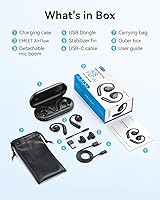
  • Included Items: Package contains the headset, detachable boom microphone, USB dongle, USB-C charging cable, and a plastic carrying case.
  • Connectivity: Supports dual-mode operation: Bluetooth 5.3 for mobile and tablet devices, plus USB dongle for plug-and-play PC and Mac compatibility.
  • Control Method: Touch controls on the ear units handle playback, call management, and volume; controls are also configurable via the EMEET TUNE app.
  • Compatible Devices: Works with laptops, desktops, tablets, smartphones, gaming consoles, smart speakers, and televisions via Bluetooth or USB dongle.
  • Charging Port: USB-C charging port is used for both standard charging and quick-charge sessions; no proprietary connector required.

Related Reviews
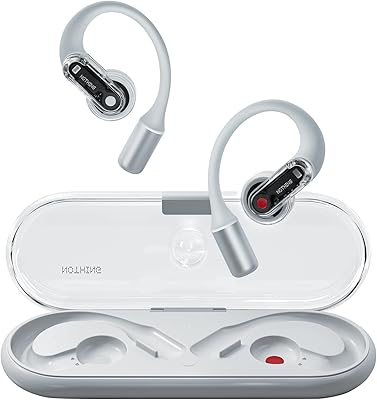
Nothing Ear (Open) Open-Ear Earbuds
79%
91%
Wearing Comfort
83%
Workout Stability
74%
Sound Quality
77%
Call Quality
49%
Sound Leakage
More
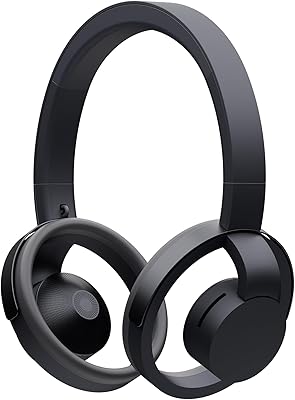
nwm ONE
nwm ONE
84%
94%
Comfort & Ergonomics
89%
Microphone & Call Clarity
88%
Sound Leakage Control
86%
Sound Quality (Mids & Highs)
62%
Bass Response
More
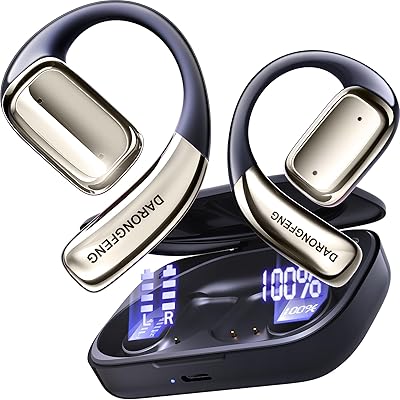
DARONGFENG G303S
DARONGFENG G303S
78%
91%
Wearing Comfort
67%
Sound Quality
83%
Battery Life
71%
Call Quality
94%
Situational Awareness
More
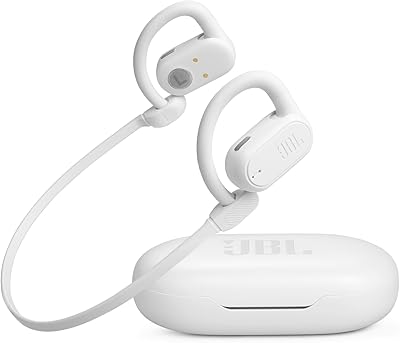
JBL SoundGear Sense True Wireless Open-Ear Headphones
85%
80%
Sound Quality
87%
Comfort and Fit
90%
Battery Life
92%
Quick Charging Feature
85%
Build Quality
More
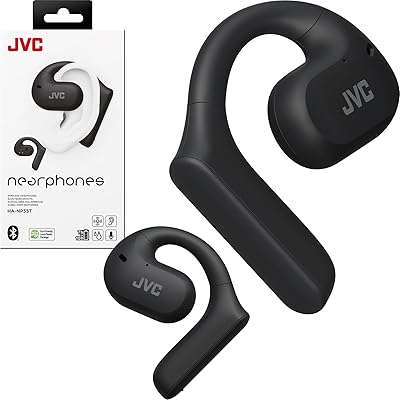
JVC HANP35TW Open Ear Wireless Headphones
73%
88%
Wearing Comfort
93%
Ambient Awareness
61%
Sound Quality
86%
Battery Life
58%
Call Quality
More
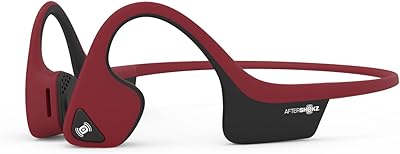
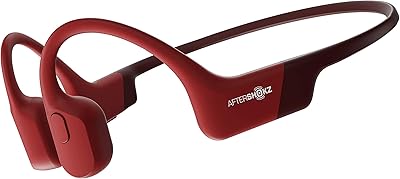
AfterShokz Aeropex Open-Ear Bone Conduction Headphones
78%
93%
Comfort & Wearability
96%
Situational Awareness
61%
Sound Quality
54%
Sound Leakage
84%
Build Quality & Durability
More
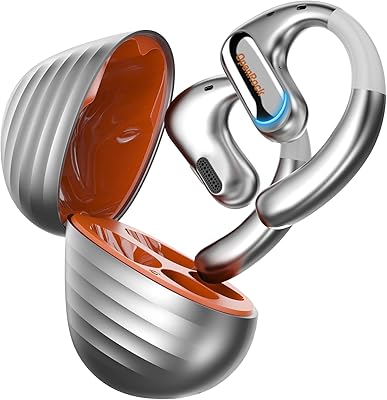
OpenRock Pro Bluetooth 5.2 Wireless Open-Ear Headphones
85%
83%
Sound Quality
91%
Comfort for Long Use
90%
Battery Life
88%
Water Resistance (IPX5)
75%
Fit and Stability During Exercise
More
Sony Float Run Open-Ear Sport Headphones
77%
91%
Wearing Comfort
94%
Situational Awareness
83%
Fit Stability
61%
Audio Quality
78%
Battery Life
More
AfterShokz Air AS650 Bone Conduction Headphones
75%
91%
Wearing Comfort
94%
Situational Awareness
54%
Audio Quality
88%
Secure Fit During Activity
58%
Sound Leakage
More
Monster AC100 Open-Ear Bluetooth Headphones
76%
88%
Battery Life
79%
Comfort & Fit
67%
Sound Quality
83%
Bluetooth Stability
71%
Call Quality
More

FAQ

No, the headset works out of the box without the app. That said, running the app and applying the firmware update makes a real difference to call quality, so it is worth doing during initial setup even if you never open the app again.

This is one of the most commonly misunderstood aspects of the EMEET AirFlow Open-Ear Wireless Headphones. The ENC (Environmental Noise Cancellation) applies only to the microphone — it filters the noise your call participants hear on their end. There is no active noise cancellation on the listening side, so environmental sounds around you remain audible while you listen. That is actually by design for an open-ear headset, since situational awareness is part of the point.

Yes. The AirFlow headset supports multipoint pairing with two devices simultaneously — for example, your work laptop via the USB dongle and your personal phone via Bluetooth. Audio routing happens automatically based on which device is active, so you do not need to manually switch between them for most use cases.

At moderate listening volumes it is manageable — nearby coworkers in a typical office are unlikely to be disturbed. Push the volume toward the upper range in a quiet room, though, and leakage becomes clearly audible to people within a few feet. It is a physical trait of the open-ear format rather than a product defect, so plan accordingly if you work in a genuinely silent environment.

The boom mic is fully detachable, so you can remove it whenever you do not need it — during music playback, commuting, or any situation where you are not on a call. The headset still functions normally without it attached. For calls, the onboard microphones pick up your voice, though the boom mic will give notably better results in noisy environments.

Comfort is consistently the highest-rated aspect across buyer reviews, and it is not hard to see why. Because the ear units rest against the outer ear rather than sitting inside the canal, there is no pressure buildup over time. Most buyers who work long meeting-heavy days report wearing it for five or six hours without any discomfort. Individual results vary based on ear shape, but ear fatigue complaints are rare.

For light activity — commuting, walking, casual cycling — it holds reasonably well. For high-intensity movement like running or gym workouts, feedback is mixed. Enough buyers have reported the headset shifting during vigorous activity that we would not recommend it as a dedicated sport headset. If cross-training use is your primary reason for buying, it is worth factoring in before committing.

The USB dongle delivers a 40ms ultra-low latency connection that keeps audio and video in sync during calls and conferencing — a meaningful advantage over standard Bluetooth, which can run higher. It is also plug-and-play on Windows and macOS without driver installation. If your primary use is calls on a computer, the dongle is the better connection method to use.

You can continue using this open-ear headset while it charges via the USB-C cable, which is useful if you catch a low battery mid-call. The quick-charge capability also means a five-minute plug-in during a short break buys you roughly another hour of use, so you are rarely forced to stop using it entirely while waiting for power.

Yes, it works with Teams, Zoom, Google Meet, and other conferencing platforms without any special drivers or configuration. The USB dongle connection is the most reliable route for PC-based calling. For best microphone performance on those platforms, make sure the firmware is updated via the EMEET TUNE app before your first important call.

Where to Buy