Overview

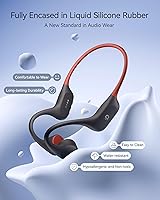
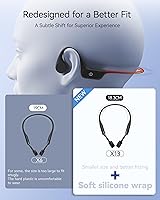
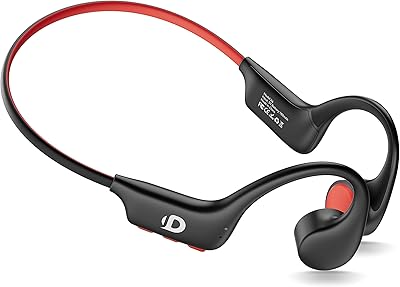
The DEMICEA LibreRun Pro X13 Open-Ear Headphones entered the market in late 2024 as a budget-conscious option for active users who want reliable audio without sacrificing situational awareness. At under $50, the sport headphone space is brutally competitive, yet these open-ear sport headphones carve out a distinct position by pairing a genuine IP68 waterproof rating with 32GB of built-in offline storage — a combination rarely found at this price. The frame is built from flexible titanium alloy reinforced with nylon, wrapped in soft liquid silicone, keeping the total weight at just 32 grams. That's light enough to forget you're wearing them on a two-hour run.

Features & Benefits

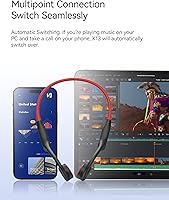
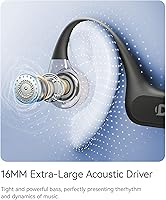
The LibreRun Pro X13 uses 16mm bone conduction drivers paired with what DEMICEA calls BassBoost technology. Bone conduction will never hit the low-end depth of a traditional in-ear driver — that's just physics — but the larger diaphragm does add noticeable warmth and presence compared to older, smaller units. The IP68 rating is a genuine differentiator here: this isn't just splash resistance, it means full submersion, which matters if you're actually swimming laps. Onboard 32GB storage runs standalone without a phone connection, while Bluetooth 5.4 handles multipoint pairing across two devices simultaneously. Battery charges fully in two hours via a magnetic 4-pin port, giving you around 10 hours of playback.

Best For

These open-ear sport headphones make the most sense for swimmers and triathletes who need audio that survives the pool without putting an expensive phone at risk. Runners and cyclists benefit from the open-ear design too — you can hear traffic, trail cues, and conversation without yanking out an earbud. Gym users will appreciate just how little these weigh during an extended session. The multipoint Bluetooth also makes this bone conduction headset a practical pick for anyone who bounces between a work laptop and a phone constantly throughout the day. And if you train in areas with spotty cell coverage, the built-in storage means your playlist isn't going anywhere.

User Feedback

Buyers consistently praise comfort during long sessions — the lightweight silicone frame sits gently against the skull without the pressure points common to heavier headsets. Swimmers specifically report solid performance through repeated pool use, which gives the IP68 claim some real-world credibility. Where buyers push back is on bass depth; experienced audio listeners find the low end underwhelming compared to in-ear alternatives, which is an honest limitation of bone conduction technology at any price. A few recurring complaints target the magnetic charging cable, with users noting it can detach unexpectedly during storage or transit. On balance, most buyers feel the value proposition holds up well, particularly for water sports use.

Pros

  • Full IP68 waterproofing allows genuine swim use, not just sweat tolerance — a rare feature under $50.
  • At 32 grams, these open-ear sport headphones are light enough to wear for hours without discomfort.
  • 32GB of onboard storage means phone-free workouts are genuinely practical, not just a marketing claim.
  • Bluetooth 5.4 multipoint pairing lets you stay connected to two devices simultaneously without manual switching.
  • A two-hour full charge returning around 10 hours of playback is a strong efficiency ratio for daily use.
  • The titanium alloy frame with nylon reinforcement adds durability without adding meaningful weight.
  • Three tactile buttons work reliably with wet hands, which matters more than it sounds during swim sets.
  • Open-ear design keeps you aware of traffic, trail hazards, and conversation without removing the headset.
  • Standalone MP3 mode via onboard storage works without any Bluetooth connection, useful in signal-dead zones.
  • The soft silicone casing sits comfortably against the skull and does not create pressure points over long sessions.

Cons

  • Bass depth is limited by bone conduction physics — low-end frequencies lack the punch of traditional in-ear drivers.
  • The proprietary magnetic 4-pin charging cable is a single point of failure with no universal replacement option.
  • Open-ear design offers zero passive noise isolation, making these impractical in loud indoor environments.
  • Some users report the magnetic charging connection detaches unexpectedly during bag storage or transit.
  • Bone conduction audio can produce mild vibration or resonance at higher volumes, which some users find distracting.
  • Brand recognition and long-term support are unproven compared to established audio manufacturers in this category.
  • Multipoint Bluetooth reliability has drawn mixed feedback, with occasional stuttering when switching between paired devices.
  • The 10-meter Bluetooth range is standard but not generous — signal can weaken with walls or body obstruction.
  • No companion app means there is no EQ adjustment or firmware update path currently available to users.

Ratings

The scores below were generated by AI after analyzing verified buyer reviews worldwide for the DEMICEA LibreRun Pro X13 Open-Ear Headphones, with spam, bot-submitted, and incentivized feedback actively filtered out before scoring. Each category reflects the honest distribution of user sentiment — where buyers agree something works well, the score reflects that, and where real pain points surface repeatedly, those are scored without softening. Both the strengths and the friction points are represented transparently.

Comfort & Fit
88%
The 32-gram build is one of the most consistently praised aspects across buyer feedback. Swimmers, runners, and gym users all report being able to wear this bone conduction headset through multi-hour sessions without the pressure fatigue that heavier hook-style headsets cause. The soft silicone casing sits flush against the skull rather than digging in.
A small segment of buyers with narrower or wider head shapes report the titanium frame does not conform ideally out of the box, requiring a careful manual bend to dial in the fit. Users with glasses also note occasional interference between the hook and their frames during extended wear.
Waterproof Performance
91%
This is the category where these open-ear sport headphones genuinely stand apart from most competitors at the price. Verified swimmer reviews consistently confirm the IP68 rating holds up across repeated pool sessions and saltwater exposure, with no audio degradation or hardware failure reported after weeks of regular swim use.
A handful of buyers confused IP68 with pressure-rated dive equipment and experienced issues at deeper depths or with forceful water entry during surfing. IP68 is not designed for high-velocity water impact, and a clearer expectation set in the packaging would reduce this specific complaint pattern.
Sound Quality
62%
38%
For podcasts, audiobooks, and uptempo workout tracks, the audio output is adequate and enjoyable. The 16mm driver does push a noticeably fuller sound than older or smaller bone conduction units, and the BassBoost processing adds some warmth that makes high-energy music feel less flat during runs and cycling sessions.
Experienced listeners switching from traditional in-ear headphones will find the low-end underwhelming — bone conduction physics simply cannot replicate the bass impact of a sealed driver, regardless of driver size. At higher volumes, some users also report a mild vibration sensation on the cheekbone that becomes distracting during quieter musical passages.
Battery Life
84%
The roughly 10-hour playback rating holds up well in real-world use according to the majority of buyers, with many reporting full-week workout coverage on a single weekend charge. The two-hour charge time is efficient enough that running the headset low is rarely a disruption to a daily routine.
A smaller subset of buyers running the headset at high volume with active Bluetooth and onboard storage simultaneously report shorter runtime closer to 7 to 8 hours. Battery longevity over many charge cycles has not been widely reported yet given the product only launched in late 2024.
Charging System
57%
43%
The magnetic 4-pin port does offer a satisfying single-touch alignment that makes post-swim charging easy with wet hands, and the cable snaps into place reliably when the connection is clean and undamaged. Initial out-of-box charging experience is generally positive.
The proprietary magnetic cable is the most frequently flagged durability concern across buyer feedback. Users report the cable detaching unexpectedly inside bags, wearing out faster than expected at the connector end, and being difficult to source as a replacement. This single dependency is a genuine long-term ownership risk.
Bluetooth Stability
73%
27%
For standard single-device streaming during outdoor workouts, the Bluetooth 5.4 connection holds steady at typical body distances and handles phone-in-pocket usage without meaningful dropout. Most buyers running or cycling report a stable connection throughout sessions of an hour or more.
Multipoint performance drew more inconsistent feedback. Some users experience a brief audio stutter or full dropout during the handoff between a paired phone and laptop, particularly in environments with Bluetooth congestion. It works, but it is not as polished as multipoint implementations found in more established audio brands.
Onboard Storage
86%
The 32GB capacity for phone-free playback is a genuine differentiator that buyers who train in connectivity-dead zones actively appreciate. Drag-and-drop file loading via the magnetic cable works without any required app, and the standalone MP3 mode functions reliably as a completely independent device.
Without a companion app, managing large music libraries on the device requires manual file organization, which some less tech-savvy buyers find cumbersome. There is also no playlist UI feedback — you navigate tracks by button feel alone, which takes getting used to during swim sessions when you cannot look at any screen.
Controls & Usability
79%
21%
Three physical buttons is a deliberate and sensible choice for a waterproof sport headset — fewer buttons mean less to go wrong, and the tactile feedback is reliable enough that swimmers report successfully skipping tracks and adjusting volume without surfacing or removing the headset.
The limited button count means some functions require multi-press sequences that are not immediately intuitive without reading the manual. Several buyers report accidentally triggering pairing mode or powering off the device mid-workout while attempting to skip a track, particularly during the initial learning period.
Value for Money
83%
At this price tier, the combination of genuine IP68 waterproofing, 32GB offline storage, and Bluetooth 5.4 multipoint is difficult to match from any competing brand. Buyers who prioritize swim-safe audio and phone-free workouts consistently rate the value proposition highly relative to what alternatives charge for similar feature sets.
Buyers who purchase primarily for sound quality rather than sport functionality tend to feel the value equation does not hold — the audio experience alone does not justify the price against standard wireless earbuds at the same level. The value score rises sharply when the waterproof and storage features are actually used.
Build Durability
77%
23%
The titanium frame with nylon reinforcement recovers well from the bending and flexing that happens naturally when putting the headset on and taking it off daily. The silicone casing shows minimal visible wear after months of pool and sweat exposure according to longer-term user reviews.
Durability concerns cluster almost entirely around the charging port area, where the magnetic cable interface shows wear signs faster than the headset body itself. The physical headset frame is robust; the weak link is the proprietary charging ecosystem rather than the structural materials.
Multipoint Connectivity
68%
32%
When it works cleanly, the dual-device pairing is a practical convenience that commuters and work-from-home users appreciate — staying connected to a phone and laptop without manual Bluetooth switching covers a real daily use case that single-device headsets do not address.
Reliability is inconsistent enough that some buyers simply abandon the multipoint feature and use the headset as a standard single-device unit. The handoff latency between devices is noticeably slower than what premium brands deliver, and the connection occasionally requires a manual reset after switching.
Situational Awareness
93%
The open-ear design earns its highest marks from road runners and urban cyclists who specifically need to hear their environment. Not having to manage earbud removal at intersections or trail obstacles is a practical safety benefit that buyers in these categories cite as a primary reason for choosing bone conduction over traditional headphones.
In very loud environments like busy gyms or windy open roads, the open design works against the user — ambient noise competes directly with the audio output, and raising volume to compensate amplifies the cheekbone vibration. There is no isolation mode or option to close off the ear canal.
Ease of Setup
81%
19%
Initial Bluetooth pairing follows standard protocol and most buyers report being connected to their phone within a few minutes of unboxing. The three-button interface handles pairing mode without requiring any app download, which simplifies the out-of-box experience considerably.
Loading music onto the onboard storage requires a computer and manual file transfer, which adds a setup step that streaming-only users are not accustomed to. Buyers who expected wireless sync or cloud-based loading via an app were disappointed to find the process more manual than modern streaming habits suggest.
Weight & Portability
89%
At 32 grams, the LibreRun Pro X13 is genuinely forgettable during wear, which is exactly what active users want. Multiple buyers specifically mention transitioning from heavier sport headsets and noticing the weight difference during long cycling and running sessions where fatigue builds up gradually.
Portability is slightly limited by the rigid wraparound frame, which does not fold or compress for storage. Without a carrying case in the box, tossing it into a bag unprotected risks scratching the silicone and stressing the frame joints over time, particularly around the charging port area.

Suitable for:

The DEMICEA LibreRun Pro X13 Open-Ear Headphones are built with a very specific type of active user in mind, and for that person, they represent a genuinely compelling package. Swimmers and triathletes stand to gain the most — the IP68 rating means actual submersion protection, not just the sweat resistance most sport headphones offer, so you can leave your phone on the pool deck and still have your playlist. Runners and cyclists who train on roads or busy trails will appreciate the open-ear design, which keeps ambient sound fully audible without requiring you to manage earbud removal mid-stride. The 32GB onboard storage is a practical bonus for anyone who trains in areas with spotty connectivity or simply wants to leave their phone at home. Frequent device-switchers — say, someone who hops between a work laptop and a personal phone throughout the day — will find the dual-device multipoint connection genuinely useful. At 32 grams, this bone conduction headset is also a strong fit for long-duration wear where heavier headsets cause fatigue or discomfort over hours of use.

Not suitable for:

The DEMICEA LibreRun Pro X13 Open-Ear Headphones are a harder sell for anyone who values audio fidelity above all else. Bone conduction technology transmits sound through the cheekbones rather than directly into the ear canal, and no matter how large the driver or how clever the bass enhancement, it cannot replicate the low-frequency impact that a quality in-ear or over-ear headphone delivers — serious music listeners will notice the difference immediately. If you spend most of your time in quiet indoor environments like an office or library, the open-ear design works against you, since it offers no passive noise isolation and lets ambient sound compete freely with your audio. The proprietary magnetic charging cable is also worth flagging as a long-term concern: losing or damaging it means sourcing a replacement that is not universally available, unlike USB-C. Audiophiles, podcast listeners who need clear voice reproduction at low volumes, or anyone accustomed to premium closed-back sound should look elsewhere at this price point rather than expect this headset to punch into that category.
Specifications

  • Weight: The headset weighs 32 grams, making it one of the lighter options in the open-ear sport category.
  • Frame Material: The core frame is constructed from flexible titanium alloy reinforced with nylon for shape retention and long-term durability.
  • Casing Material: The outer casing uses soft liquid silicone, which sits comfortably against the skull and resists sweat and moisture.
  • Driver Type: Audio is delivered via a 16mm bone conduction diaphragm that transmits sound vibrations through the cheekbones rather than the ear canal.
  • Waterproof Rating: The headset carries an IP68 waterproof rating, meaning it withstands continuous submersion beyond one meter for extended periods.
  • Bluetooth Version: Wireless connectivity runs on Bluetooth 5.4, offering improved stability and lower power consumption compared to older Bluetooth standards.
  • Bluetooth Range: The effective wireless range is rated at 10 meters under typical unobstructed conditions.
  • Built-in Storage: Onboard flash storage totals 32GB, capable of holding approximately 8,000 tracks for phone-free standalone playback.
  • Battery Life: A full charge delivers approximately 10 hours of continuous audio playback under standard usage conditions.
  • Charge Time: The headset charges fully in roughly 2 hours using the included proprietary 4-pin magnetic charging cable.
  • Charging Port: Charging is handled via a magnetic 4-pin connector, which is proprietary and not interchangeable with USB-C or micro-USB cables.
  • Multipoint: The headset supports simultaneous pairing with two Bluetooth devices, allowing audio switching without manual re-pairing.
  • Impedance: Driver impedance is rated at 8 Ohm, which is typical for bone conduction headsets designed for portable use.
  • Sensitivity: Sensitivity is rated at 86 dB, meaning volume output is moderate and best suited for active environments rather than quiet listening rooms.
  • Frequency Range: The stated frequency response spans 20 Hz to 20,000 Hz, covering the full audible spectrum in specification terms.
  • Controls: Three physical buttons on the headset handle power, volume, track navigation, and call management with tactile feedback usable with wet hands.
  • Ear Placement: The headset uses an open-ear hook style that wraps behind the ear and rests the transducer against the cheekbone, leaving the ear canal fully open.
  • Connectivity Modes: The headset operates in two modes: Bluetooth wireless streaming or standalone MP3 playback directly from onboard storage without any paired device.
  • Compatibility: Bluetooth pairing is compatible with smartphones, tablets, laptops, desktops, and smart TVs that support standard Bluetooth audio profiles.
  • Box Contents: Each unit ships with one headset, one magnetic charging cable, and a user manual; no additional ear tips or carrying case are included.

Related Reviews

DEMICEA LibreRun X6 Open Ear Sport Headphones with 32GB Storage
87%
85%
Audio Quality
92%
Comfort & Fit
88%
Battery Life
93%
Water Resistance
90%
Bluetooth Connectivity
More
Nothing Ear (Open) Open-Ear Earbuds
79%
91%
Wearing Comfort
83%
Workout Stability
74%
Sound Quality
77%
Call Quality
49%
Sound Leakage
More
Soundcore AeroFit Pro Open-Ear Headphones
82%
91%
Wearing Comfort
87%
Secure Fit During Exercise
76%
Audio Quality (General)
78%
LDAC Performance
93%
Battery Life
More
OpenRock Pro Bluetooth 5.2 Wireless Open-Ear Headphones
85%
83%
Sound Quality
91%
Comfort for Long Use
90%
Battery Life
88%
Water Resistance (IPX5)
75%
Fit and Stability During Exercise
More
Monster AC100 Open-Ear Bluetooth Headphones
76%
88%
Battery Life
79%
Comfort & Fit
67%
Sound Quality
83%
Bluetooth Stability
71%
Call Quality
More
UGREEN 45785 Open Ear Wireless Headphones
79%
91%
Wearing Comfort
83%
Fit & Stability
74%
Sound Quality
89%
Battery Life
69%
Microphone & Call Quality
More
OJW Open Ear Wireless Sport Headphones
80%
93%
Battery Innovation
88%
Wearing Comfort
86%
Waterproofing
84%
Workout Stability
74%
Audio Clarity
More
Jzones CT11 Open Ear Headphones
79%
88%
Wearing Comfort
91%
Battery Life
67%
Sound Quality
93%
Situational Awareness
79%
Secure Fit During Activity
More
Monster AC210 Open-Ear Wireless Earbuds
79%
91%
Wearing Comfort
78%
Fit Stability
74%
Sound Quality
83%
Battery Life
77%
Bluetooth Connectivity
More
SANSUI W93 Open-Ear Wireless Earbuds
78%
91%
Wearing Comfort
88%
Stability During Exercise
67%
Sound Quality
94%
Situational Awareness
86%
Battery Life
More

FAQ

The IP68 rating means these open-ear sport headphones are rated for genuine submersion, not just splash resistance. That is a meaningful distinction — most budget sport headphones top out at IPX5 or IPX7, which covers rain and sweat but not sustained underwater use. IP68 allows for repeated pool sessions, though you should still rinse them with fresh water after saltwater or chlorine exposure to protect the materials over time.

The headset connects to a computer as a standard USB mass storage device when plugged in via the magnetic charging cable. You drag and drop MP3 or other supported audio files directly onto the device, similar to an old-school MP3 player. There is no dedicated companion app required, which keeps things simple, though it also means no playlist management software beyond whatever file structure you set up manually.

To some degree, yes. Bone conduction works by vibrating against your cheekbone, and some of that sound leaks into the air around you, particularly at higher volumes. In a noisy gym or outdoors it is generally not noticeable to others, but in a quiet office or library the person next to you may hear a faint buzz. It is worth keeping that in mind if you plan to use these in shared quiet spaces.

This is one of the more legitimate concerns with the LibreRun Pro X13. The 4-pin magnetic connector is proprietary, so a standard USB-C cable will not work as a substitute. You would need to source a compatible replacement cable from DEMICEA or a third-party seller listing the correct pin configuration. It is worth buying a spare early on rather than waiting until the original wears out or goes missing.

That depends on your expectations going in. Bone conduction headsets deliver audio differently than traditional drivers — the low-end frequencies in particular feel less impactful because the vibration-based delivery method struggles to reproduce deep bass with the same physicality as in-ear or over-ear headphones. For podcasts, audiobooks, and uptempo workout music the experience is perfectly enjoyable, but dedicated music listeners who care about sound staging and bass depth will likely find this bone conduction headset underwhelming compared to even a mid-range in-ear option.

You pair the headset to two devices at the same time during initial setup, and from that point it maintains a background connection to both. When audio plays from one device, the headset prioritizes it; when you pause and start audio on the second device, it switches automatically. In practice this works well for straightforward use cases like a phone and a laptop, though some users have noted occasional lag or a brief audio drop during the handoff.

The hook design wraps around the back of the ear rather than sitting inside it, which provides a stable fit during most physical activity. Running, cycling, and gym training are generally fine. For open-water swimming, the fit holds during calm strokes, but some users report needing to adjust the headset after flip turns or aggressive butterfly stroke cycles. A swim cap worn over the headset can help secure it further if that is a concern.

No. There is no companion app and no onboard EQ settings. What you hear is what the hardware delivers, with the BassBoost processing baked into the driver hardware rather than controllable by the user. If sound customization matters to you, this is a notable limitation of the current product.

The three physical buttons are raised and tactile, which means you can locate and press them by feel without looking. They respond consistently with wet hands, which is specifically useful during swim sessions when touch-based controls would fail. Volume up, volume down, and a multifunction center button handle the majority of operations including play, pause, track skip, and call answering.

The DEMICEA LibreRun Pro X13 Open-Ear Headphones are manufactured by DEMICEA, a brand that launched this model in October 2024. The brand does not have the established track record of companies like Shokz or Sony, which is worth factoring into your expectations around long-term customer support and warranty handling. That said, the product has accumulated a meaningful volume of user reviews in a short time, which provides some useful signal on real-world performance independent of brand heritage.